
Bearcat Express

Courier

What is courier service
Courier

What Is Courier Service and How Does It Work?

Picture a signed contract that has to reach a bank branch before it closes at 5 p.m. The mail will not make it. A freight truck will not make it. What is one driver, one pickup, and one handoff. That is the simplest answer to what is courier service: a delivery model where a single driver or small team takes responsibility for an item from the moment it leaves the sender until it reaches the recipient.  Bearcat Express has handled this kind of work across Georgia and nearby states since 2012, so this guide skips the textbook tone and shows how courier jobs are actually built, priced, and sometimes disrupted. Quick Answer A courier service is a delivery company that collects an item from one address and carries it directly to another, usually within hours instead of days. The courier service meaning rests on direct accountability: one driver or team owns the job, the route is planned around that item, and the sender can follow progress through real-time tracking. What a Courier Service Actually Is Anyone asking what is a courier service is usually trying to separate it from two other options: the postal system and freight shipping. The difference is not only speed. It is how many hands touch the package and who answers for it along the way. Feature Courier Service Postal Service Freight Typical items Documents, small parcels, urgent goods Letters, light parcels Pallets, crates, bulk goods Typical size and weight Often up to roughly 50 lb per item, larger with a van or box truck Small to mid-size parcels with fixed limits Hundreds to thousands of pounds Handling One driver or dedicated team Several sorting stages Terminals and consolidation Speed Hours to same day Days Days to weeks Tracking Live or stop-by-stop Milestone scans Shipment-level milestones Limits vary by provider and vehicle, so confirm size and weight before booking. The Delivery Ticket: Every Field a Courier Job Is Built Around Every courier job starts as a ticket, and each field on it changes the price, the route, or the timing. Dispatch desks, including ours at Bearcat Express, read these fields before a driver is ever assigned. Field What It Means How It Changes Price or Time Pickup window When the item is available to collect A narrow window limits which drivers can take the job Delivery deadline The latest acceptable arrival time A tighter deadline usually means a dedicated run Service level On-demand, same day, or scheduled Faster levels pull a driver off planned routes Size, weight, fragility What the item is physically like Decides the vehicle and any extra handling Declared value What the item is worth Affects coverage and verification steps Special handling Temperature control, two-person lift, sealed bag Adds equipment, training, or time Proof of delivery Signature, photo, or timestamp Signature-required jobs take longer at the door Wait-time terms How long a driver waits at a stop Prevents idle time from breaking the rest of the route A ticket with a vague pickup window and no named recipient is where most delays begin, long before the vehicle moves. How a Courier Delivery Works, Step by Step Booking. The customer requests a job online or by phone and supplies addresses, item details, and the deadline. Dispatch. A dispatcher matches the ticket to a driver based on location, current route, vehicle type, and time left. Pickup check. The driver confirms the item matches the ticket, checks packaging, and records anything unusual before leaving. Transport and tracking. Professional courier service tracking lets the sender see real progress and share a reliable arrival estimate with the recipient. Proof of delivery. The handoff ends with a signature, photo, or timestamped record showing who received the item and when. Types of Courier Services Same-Day and On-Demand Delivery This is the fastest option. A request comes in, a driver is assigned, and the item moves the same business day, often within a couple of hours. Businesses that need this regularly look for a Same Day Delivery Service Augusta GA provider that already knows the local roads, so pickup and drop-off are not slowed by guesswork. Scheduled and Route-Based Delivery Some work repeats on a fixed pattern, such as a clinic sending samples every afternoon or an office dropping paperwork at the same branch each morning. Planning these runs lowers the cost per stop and makes arrival times predictable. Medical, Legal, and Retail Last-Mile These three use courier service for different reasons. Medical jobs follow handling protocols, legal jobs depend on documented handoffs, and retail jobs use courier drivers for the final leg when a customer wants an item the same day. What a Courier Costs: Pricing Factors and a Worked Example Courier pricing is not a flat rate because the ticket changes every time. The main drivers are distance, how fast the delivery is requested, size and weight, special handling, wait time at stops, and time of day, since rush hour slows every route. Here is a hypothetical example, not a quote. Two jobs cover the same five miles with the same envelope. One is booked for the next morning. The other must arrive within 90 minutes. The second costs more because a dispatcher has to pull a driver off a planned route to serve it. The useful question is what a missed deadline costs. Suppose a late filing carries a $500 penalty. A courier fee well below that is cheaper than the risk, even if it looks high next to a stamp. What You Can and Can’t Send by Courier Couriers commonly handle documents, signed contracts, keys, small electronics, retail orders, lab samples with proper containers, and replacement parts. Weight limits depend on the vehicle, so a bike or car run suits small items while a van or box truck suits larger ones. Most providers will not carry illegal items, hazardous materials without specialized handling, or perishables without suitable packaging. Seal envelopes, cushion fragile items, label both addresses clearly, and put a phone number on the outside. Packaging
what is cash on delivery
Courier

What Is Cash on Delivery (COD)? Meaning, How It Works

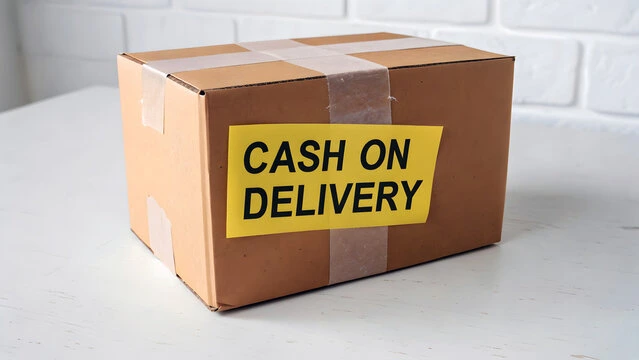
A customer orders a lamp, never types a card number, and still gets it at the door. The driver hands over the box, takes payment on the porch, and drives to the next stop. If you have ever wondered what is cash on delivery in real life, that porch exchange is the whole idea.  At Bearcat Express, we run COD stops for local businesses every week, so this guide explains the system from the courier side: who holds the money at each step, what it costs, and when it is the wrong choice for a business. Quick Answer: What Does Cash on Delivery Mean? Cash on delivery (COD) is a payment method where the buyer pays for an order when it arrives instead of at checkout. The delivery driver collects the money at handoff and passes it to the seller, usually minus a small handling fee. People who search whats cash on delivery are often really asking about its other names: collect on delivery, payment on delivery, and cash on demand. They all describe the same arrangement, and none of them require the payment to be physical cash anymore. Key takeaways The buyer pays at the door, not at checkout. The driver, not the seller, collects and logs the payment. The seller carries the risk until the money is collected and paid out. Fees usually come out of the seller’s payout, not the item price. COD works best for local, lower-value, first-time orders. How Cash on Delivery Works, Step by Step To see what is cash on delivery in practice, follow one order from click to payout. Checkout. The buyer picks COD instead of paying online. No card details are entered, and the order is saved with an unpaid balance. Dispatch. The seller hands the parcel to a courier. The order is flagged as COD, with the exact amount owed and the payment types allowed at that stop. Handoff. The driver reaches the address, confirms the recipient, and hands over the parcel. Collection. The buyer pays at the door, and the driver records the payment on a scanner or manifest. Payout. The courier matches the day’s collections against the manifest and transfers the money to the seller, minus any handling fee. Where the Money Sits at Every Step of a COD Delivery   At Bearcat Express, we treat every COD parcel as a small custody chain. The goods and the money are rarely with the same party at the same time, and that gap is where most problems start. Here is how it looks from the courier side. Stage Who holds the parcel Who holds the money Main risk Safeguard Order placed Seller Nobody yet Fake or careless order Phone or text confirmation Courier pickup Courier Nobody yet Wrong amount on the label Amount checked at intake On the route Driver Nobody yet Failed attempt, wrong address Dispatcher briefing before the route At the door Moves to buyer Buyer, until payment Refusal or no payment ready Card reader, documented refusal After collection Buyer Driver Theft, counting error Planned drop-offs, card preferred End of shift Buyer Courier office Mismatch with manifest Same-day reconciliation Payout Buyer Seller Delayed transfer Set payout schedule What a Driver Actually Does at the Door Picture a driver at a small office with a $68 parcel. Three jobs happen at once: confirm the right person, collect the right amount, and keep the route moving. Before the route even starts, the dispatcher has already told the driver which stops are COD, what each one owes, and which payment types that stop accepts. If the buyer hands over a large bill and the driver has no change fund, the driver will ask to use a card reader instead. That is why most courier cash on delivery routes now carry one. Tapping a card or phone takes seconds and removes the counting problem completely. If the buyer refuses, the driver does not argue or leave the parcel on the step. They photograph the parcel, note the reason in the system, and return it to the sender. That record protects both the seller and the courier if a dispute comes up later. What a COD Fee Really Looks Like The cash on delivery price a buyer sees is usually just the item price. The courier’s charge for collecting, securing, and transferring the money is handled separately, and it often comes out of the seller’s payout. Rates vary by courier, so the numbers below are an illustration only, not our rates. Assume a $68 order, a handling fee of 3 percent, and a flat $2 collection charge. Line Amount Item price collected at the door $68.00 Handling fee (3 percent) $2.04 Flat collection charge $2.00 Seller payout $63.96 Many sellers either absorb this cost or add a small COD fee at checkout so the cash on delivery price covers it. Ask any courier for a written fee schedule before you switch COD on, because percentage fees and flat fees behave very differently on small and large orders. Cash on Delivery vs. Cash in Advance vs. Invoice Terms Factor Cash on delivery Cash in advance Invoice terms (Net 30) Payment timing At the door Before shipping About 30 days after delivery Who carries the risk Seller Buyer Seller Trust needed from buyer Low High Medium Extra cost Handling fee None beyond shipping Chasing late invoices Seller cash flow Fast, after payout Fastest Slowest Pros and Cons of Cash on Delivery Side Pros Cons Buyer Pays only after seeing the parcel; no card details shared online Needs payment ready at a set time; some sellers add a COD fee Seller Reaches hesitant first-time buyers; fewer payment disputes Refusals waste shipping costs; payout arrives after delivery Payment Methods Accepted Under COD The word cash is a bit outdated. Depending on the courier and the seller, a COD stop may accept: Cash, mostly for smaller orders Cards, through a handheld reader Mobile wallets, by tap Cashier’s checks or money orders, only if agreed in advance

same day delivery vs next day delivery
Courier

Same Day Delivery vs Next Day Delivery: Which Is Right for Your Business?

A signed contract that reaches the courthouse at 4:55 PM gets filed. The same contract arriving the next morning misses the deadline. That gap is why same day delivery vs next day delivery is a business decision and not a shipping habit.  At Bearcat Express, our dispatchers handle both kinds of runs across Georgia and neighboring states, and the question we hear most is rarely about speed. It is about which service a shipment truly needs. This guide explains how each option works, how the clock changes the answer, and how to choose without overpaying. Quick Answer In short, what is same day delivery? A pickup and drop-off completed on the same calendar day, usually within a few hours, which suits urgent local jobs. Next-day delivery arrives on the following business day through a batched route, which suits planned shipments and wider distances. Choose same-day when waiting has a real cost, such as a missed deadline or a spoiled product. Choose next-day when an extra day changes nothing. What Is Same-Day Delivery? So, what is same day delivery? It is a delivery service in which an eligible shipment is picked up and delivered within the same day, subject to the provider’s service area, cutoff time, route availability, shipment requirements, and operating schedule. The same day delivery meaning is therefore broader than simply “arrives today.” The promise depends on whether the order is ready, accepted before the applicable cutoff, and capable of being completed within the available delivery window. How Same-Day Delivery Works How does same day delivery work behind the scenes? A request reaches dispatch, and the dispatcher checks which driver is closest to the pickup address and has room on the schedule. The driver collects the package, drives directly to the destination, and captures proof of delivery on arrival. There is no overnight hold and no hub transfer. Because the whole job rides on one trip, a pickup contact who is not ready or a missing suite number can push delivery past its window. Accurate addresses and a named contact at both ends matter more here than with any other service. Benefits and Challenges for Businesses The main benefit is control over time. A medical office can move a specimen before the lab’s intake window closes, a law office can reach a clerk before closing, and a retailer can fulfill a local order the same afternoon it comes in. The challenges are practical. Coverage is limited to a local radius, pricing is higher because a driver is committed to a single job, and there is little buffer for traffic or weather. What Is Next-Day Delivery? Next-day delivery means a shipment arrives on the next business day after it is handed over. It normally comes with a cut-off time. Shipments received before that hour move out in the evening cycle, and anything later rolls into the following one. How Next-Day Delivery Works Instead of going straight to the recipient, a next-day package is usually consolidated with others heading the same direction. It is collected, staged, loaded on an overnight or early-morning route, and delivered during the recipient’s standard business hours. Batching is what keeps the price lower, but it also reduces flexibility once the package is in the system. Benefits and Limitations for Businesses Next-day gives a wider service radius at a lower cost, and it is predictable. Staff and customer messages can be planned around a known arrival day, which suits routine restocking and non-urgent paperwork. The limitation is the waiting period. If something changes after the cut-off, such as a wrong address or a customer who suddenly needs the item sooner, there is little room to compress the timeline. Same-Day vs Next-Day Delivery: Key Differences Factor Same-Day Delivery Next-Day Delivery Speed Within hours, same calendar day Following business day Typical cost Higher, one driver per job Lower, shared across a route Service area Local or regional radius Wider geographic range Cut-off Depends on driver availability and distance Fixed time, usually end of business day Weekends Depends on the provider, so confirm before booking Counts business days, so a Friday request typically lands Monday Flexibility after pickup Higher, a dispatcher can redirect a driver Lower, the package is part of a batch Best for Deadlines, perishables, urgent documents Routine, planned shipments What Each Option Actually Costs A flat price would mislead you here, because rates move with distance, size, timing, and each courier’s structure. What stays constant is what drives the difference. A same-day job takes a driver and vehicle out of circulation for the whole run, so the full cost of time and mileage lands on one shipment. Next-day splits those same costs across many packages on one route. Distance beyond the core zone, wait time at pickup, multiple stops, bulky items, and after-hours requests all raise a same-day quote. A more useful question than “which is cheaper” is “what does waiting cost?” Picture a part that keeps a production line moving. If the line sits idle for a day, the same-day premium is small next to the lost output. Now picture a box of office supplies. A one-day wait costs nothing, so paying for speed is simply waste. Get a written quote for both options on the same shipment and compare it against the real cost of waiting. Cut-Off Times and the Weekend Gap Most delivery mistakes come from timing, not from choosing the wrong service. Next-day runs on a business-day clock. A request placed Friday afternoon after the cut-off usually starts moving Monday, and a holiday pushes it back further. Same-day runs on a different clock. There may be no single published cut-off hour. The real limit is whether a driver can finish pickup and delivery before the recipient closes. A 9 AM request has plenty of room. A 4:30 PM request may not, even on a short local route, if the recipient locks up at 5. Always confirm the recipient’s receiving hours, not just your own. Same Shipment, Four Different Clocks One of the

difference between a courier carrier and post
Courier

What Is the Difference Between a Courier Carrier and Post?

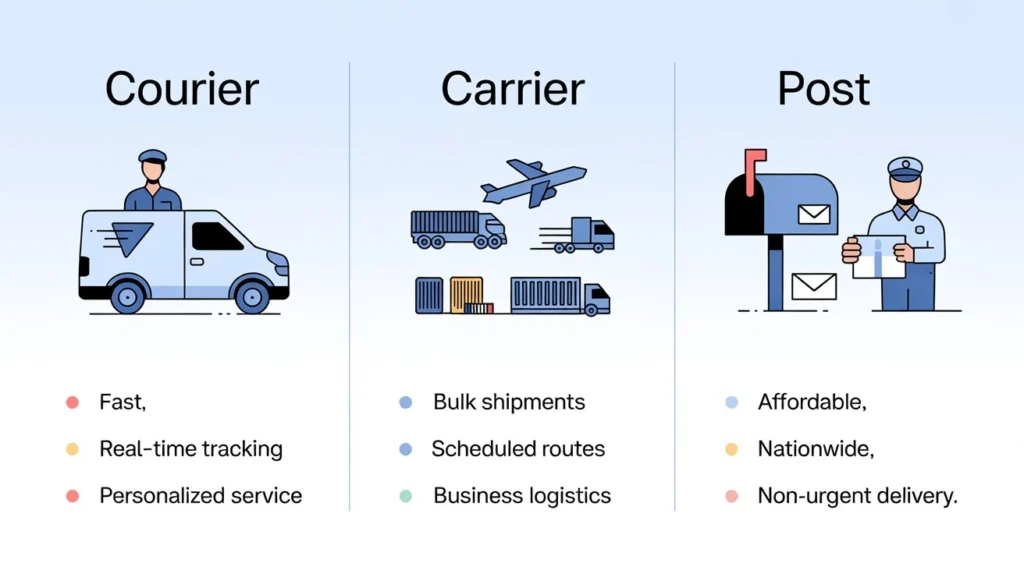
A signed contract due by 2 p.m. and a pallet of tile due next Friday both get called “shipping,” yet they need completely different services. The difference between a courier carrier and post comes down to three things: how many hands touch your shipment, how fast it must arrive, and how much you are sending.  Bearcat Express runs same-day courier work across Georgia and Alabama, so this mix-up is one we know well. This guide explains each service plainly, then helps you pick the right one for the shipment on your desk today. Quick Answer A courier typically provides direct, flexible, and time-sensitive delivery, often from one specific pickup location to one specific destination. A carrier transports people or goods as a transportation service and can operate through many modes and networks. A postal service operates a broad mail and package network intended to provide accessible service across a wide geographic area. The important point is that these categories are not always mutually exclusive. In the broad transportation sense, a courier can also be considered a carrier because it transports property for compensation. The word “carrier” describes the transportation role, while “courier” often describes the delivery model or service type. Courier vs Carrier vs Post at a Glance Factor Courier Carrier Postal service Typical speed Hours to same day Days, driven by schedule Days, broad windows Handling One driver, direct trip Hubs and terminals Sorting facilities, fixed routes Typical load Envelopes to mid-size parcels Pallets and freight Letters and small parcels Tracking Often live, door-to-door Milestone updates Varies by service tier Cost pattern Higher per item Lower per unit at volume Lowest for small items Reach Local and regional Regional to global Nearly every address The short version: urgency points to a courier, weight points to a carrier, and a flexible deadline on a small item points to the post. What Is a Courier Service? Courier delivery means a person or company picks up an item and carries it straight to the recipient, usually with no sorting warehouse in between. One driver stays accountable from pickup to drop-off. How Courier Delivery Works Dispatch runs live. A request arrives, the dispatcher checks which driver is closest and which vehicle fits, and the trip starts. Sedans suit envelopes and light parcels, cargo vans handle multi-stop runs, and box trucks take bulkier same-day loads. A timestamp and a signature or photo usually close the job, though features vary by provider. Who Uses Couriers Time is the product here. Law offices send filings that need a timestamp, medical offices move specimens that cannot wait overnight, dental practices send impressions to labs, and local retailers deliver last-minute orders. Common styles include on-demand, same-day, and scheduled routes. What Is a Carrier in Shipping? What is a carrier service in practical terms? It is a company licensed to move goods, usually freight, by road, rail, air, or sea. Shipments are consolidated at terminals and move on planned schedules, which keeps cost per unit low and timing predictable rather than fast. Types of Carriers and Transport Modes A common carrier serves many shippers under public rules, a contract carrier works for specific shippers under agreed terms, and a private carrier moves only its own company’s goods. Road suits short and mid-range hauls, rail suits heavy inland freight, sea moves the largest volumes cheaply and slowly, and air is fastest over distance but costly. Hazardous and Regulated Freight Hazardous materials need specific packaging, labeling, paperwork, and driver training under federal rules overseen by the Pipeline and Hazardous Materials Safety Administration. Licensed freight carriers and some specialized couriers handle regulated goods, but many local couriers and postal networks do not. Confirm eligibility before booking, because a refused or mislabeled shipment creates legal and safety problems. What Is a Postal Service? A postal service is typically government-operated or government-licensed and designed for universal reach. Mail is collected, sorted at regional facilities, and moved along fixed routes, which keeps prices low but adds time at every sorting point. Many operators cap standard parcels around 70 pounds, so check current limits before sending anything heavy. Some operators sell premium tiers with better speed and tracking, yet the model stays route-based rather than direct. Its real strength is rural reach, since it serves addresses that private companies often price too high. Is a Courier Also a Carrier? Why the Terms Overlap In the broad sense, yes. A carrier is anyone who carries goods, so a courier company qualifies, and so does a postal operator. In everyday shipping language, though, “carrier” usually means the freight side of the industry. So when someone asks what is a carrier service, the answer depends on context, and the carrier or courier question is really about service model, not vocabulary. The words carry history too. Courier traces to a Latin root meaning “to run,” post comes from the fixed relay stations where mail once changed hands, and carrier simply comes from carrying. The difference between a courier carrier and post starts with those three ideas: running, relaying, carrying. Same Package, Three Routes: A Handoff Timeline Take one 10-pound box going 50 miles. These stages are illustrative, and real routing varies by provider. Stage Courier Carrier Postal service Pickup Driver assigned, collects at requested time Booked into a pickup window, often a day or more ahead Dropped at a counter or collected on a mail route First handoff None, same driver continues To a local terminal To a collection facility Sorting None Consolidated with other freight Sorted by machine and by hand Transit One direct trip Scheduled linehaul Fixed network routes Last mile Same driver Local delivery vehicle Local route carrier Proof of delivery Signature or photo, timestamped Delivery receipt Varies by tier Every handoff is a chance for delay, damage, or confusion. In the carrier vs courier comparison, the courier’s edge is not only speed but fewer places for a shipment to wait. The tradeoff is price, since a dedicated trip costs more than sharing space with other

what is a box truck
Courier

What Is a Box Truck? A Complete Guide

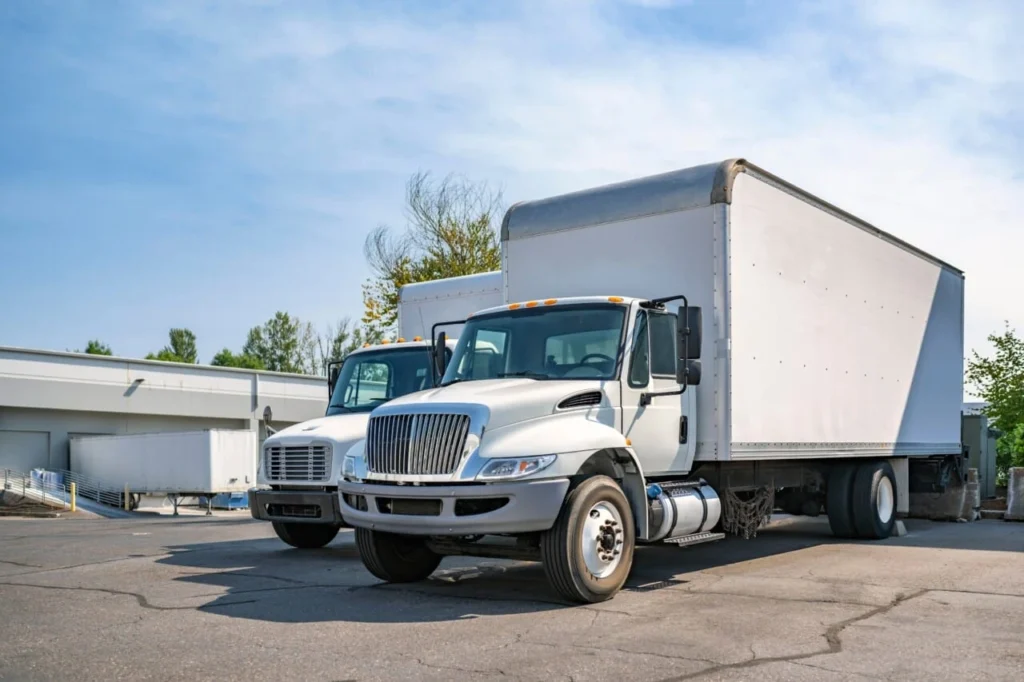
A box truck is a commercial vehicle with a separate cab and a large enclosed cargo area designed to transport goods safely and efficiently. These trucks are widely used for local deliveries, retail transportation, moving services, and commercial logistics because they provide more cargo space than standard vehicles.  At Bearcat Express, box trucks help move bulky and oversized items while keeping shipments protected from weather and damage. Understanding what is a box truck can help businesses and individuals choose the right transportation solution. In this guide, you’ll learn how box trucks work, their common uses, available sizes, key benefits, and important considerations when selecting one.  Understanding the Basics: What Is a Box Truck?   Simple Definition of a Box Truck A box truck is a commercial vehicle that features a separate driver’s cab and a large enclosed cargo compartment mounted on the same chassis. The cargo area resembles a rectangular box, which is where the vehicle gets its name. When people search for whats a box truck, they are usually referring to a vehicle designed specifically for transporting goods rather than passengers. Unlike open-bed trucks, a cargo box truck offers a fully enclosed storage area that protects shipments from weather, theft, and road debris. Companies such as Bearcat Express often use box trucks when deliveries require secure transportation and more cargo space than a standard vehicle can provide. Why It Is Called a Box Truck The name comes from the vehicle’s box-shaped cargo compartment. The storage area is completely enclosed and provides a secure environment for transporting products, furniture, appliances, and freight. Because of this design, delivery box trucks have become a preferred option for businesses that need dependable transportation for large shipments. Main Components of a Box Truck Cab The cab is where the driver operates the vehicle. It is separated from the cargo area in most models. Cargo Box The enclosed storage compartment behind the cab is the primary cargo area. It can accommodate a wide variety of goods and equipment. Rear Roll-Up Door Most box trucks use a roll-up rear door for easy loading and unloading. Liftgate or Loading Ramp Many delivery box trucks are equipped with liftgates or ramps to simplify handling heavy items. How Does a Box Truck Work? How Cargo Is Loaded and Secured Cargo is typically loaded through the rear door using hand trucks, pallet jacks, or forklifts. Inside the cargo box truck, tie-down systems and cargo straps help secure items during transportation. Transportation and Delivery Process Once loaded, the vehicle transports goods directly to the destination. Because the cargo area is enclosed, products remain protected throughout the journey. Protecting Freight During Transit One major advantage of box truck logistics is cargo protection. The enclosed structure shields products from rain, wind, sunlight, and theft while reducing the risk of damage during transportation. Common Uses of Box Trucks Local Delivery Services Many local delivery providers use box trucks to transport packages, supplies, and commercial goods throughout cities and surrounding areas. Retail and Store Deliveries Retail stores often rely on delivery box trucks to transport products from distribution centers to customers. For customers purchasing large items from major retailers, services such as Big Box Store Pick Up Augusta GA help simplify transportation by providing convenient delivery solutions for oversized purchases. Furniture and Appliance Transportation Furniture and appliances require secure transportation due to their size and weight. Box trucks offer sufficient space and protection for these items. Moving Household Items Individuals moving apartments or homes frequently use box trucks because they can carry multiple rooms’ worth of belongings in a single trip. E-Commerce Deliveries Growing online shopping demand has increased the use of box truck logistics for regional and last-mile deliveries. Commercial Freight Transportation Businesses often use cargo box truck services for transporting inventory, equipment, and supplies between locations. Why Businesses Use Box Trucks Large Cargo Capacity One of the biggest advantages of a box truck is its ability to transport significantly more cargo than a standard van. Businesses can consolidate shipments and reduce the number of delivery trips required. Better Product Protection The enclosed cargo area protects valuable goods from environmental exposure and accidental damage. Cost-Effective Deliveries For many delivery operations, a box truck provides a balance between capacity and operating costs. Efficient Last-Mile Transportation Last-mile delivery is one of the most expensive stages of logistics. Delivery box trucks help streamline this process by carrying large volumes of goods directly to customers. Types of Box Trucks Light-Duty Box Trucks These smaller vehicles are commonly used for local deliveries and small business transportation needs. Medium-Duty Box Trucks Medium-duty models provide increased payload capacity while remaining relatively easy to maneuver. Heavy-Duty Box Trucks Heavy-duty box trucks handle larger commercial loads and more demanding transportation tasks. Refrigerated Box Trucks These vehicles include temperature-control systems for transporting perishable goods. Box Trucks With Liftgates Liftgates make loading and unloading heavy items safer and more efficient. Box Truck Sizes Explained Different sizes are available depending on cargo requirements. 10–12 Foot Box Trucks Ideal for small deliveries and light commercial transportation. 14–16 Foot Box Trucks Often used for apartment moves and medium-sized deliveries. 20 Foot Box Trucks Suitable for retail deliveries and business transportation. 24–26 Foot Box Trucks Designed for large freight loads and commercial operations. Box Truck Size Best For 10–12 ft Small deliveries 14–16 ft Apartment moves 20 ft Retail and business deliveries 24–26 ft Large freight loads What Can Be Transported in a Box Truck? Furniture Sofas, tables, beds, and office furniture can be transported safely. Appliances Refrigerators, washers, dryers, and other large appliances fit comfortably within most box trucks. Retail Merchandise Retail products of various sizes are commonly delivered using box trucks. Office Equipment Businesses frequently transport office furniture, computers, and supplies using commercial box trucks. Packaged Freight General freight and packaged shipments are ideal for box truck transportation. Event and Trade Show Equipment Display booths, promotional materials, and event equipment can be transported efficiently. Box Truck vs Cargo Van Many businesses compare box truck vs cargo

what is a medical courier
Courier

What Is a Medical Courier? Complete Guide

When a blood specimen, prescription, medical device, or patient record must move quickly and safely, ordinary delivery is not always enough. What is a medical courier? A medical courier is a specialized delivery professional or service that transports healthcare items under specific timing, privacy, packaging, and handling requirements.  Bearcat Express helps healthcare organizations manage local medical deliveries with dependable transportation and documented proof of delivery. What Does a Medical Courier Do? If you are asking what does a medical courier do on a normal day, the honest answer is that no two runs look the same. A morning route might start with clinic specimen pickups, move to a pharmacy drop, and end with a records delivery to a hospital. Each stop has its own handling rules, and the courier has to keep them straight. Item Handling need Typical urgency Lab specimens Sealed, labeled, often temperature-controlled High, tied to test windows Vaccines and refrigerated medicines Cold chain with temperature checks High Prescriptions Secure handoff, recipient verification Medium to high Medical equipment Padded, secured, sometimes sterile packaging Medium Patient records Locked storage, privacy protection Medium Most of the job is quiet and procedural. Verifying names, checking seals, logging times, and getting signatures matters more than driving fast. Medical Courier vs Regular Courier A regular courier is judged mainly on whether the parcel arrives. A medical courier is judged on whether the parcel arrives intact, on time, documented, and untouched by anyone who should not see it. Factor Regular courier Medical courier Training Route and customer service basics Privacy, bloodborne pathogen, and specimen handling training Packaging Standard boxes and bags Leak-resistant, labeled, often insulated containers Documentation Delivery confirmation Chain-of-custody log with times and signatures Privacy Address confidentiality Protection of patient information on labels and paperwork Temperature control Rarely needed Often required and recorded Liability Lost or damaged goods Spoiled samples, repeat draws, delayed treatment, privacy breaches Types of Medical Courier Services Healthcare facilities usually mix several service levels instead of picking just one. STAT delivery is used for urgent, time-critical healthcare items with a defined turnaround. Scheduled routes use recurring pickup and drop-off windows. This can work well for clinics sending specimens to laboratories or facilities receiving medical supplies on a repeat schedule. For recurring healthcare runs, see Scheduled Delivery Augusta GA. Same-day on-call delivery handles unplanned needs, such as moving a medical device to a facility before a procedure. Temperature-controlled delivery uses equipment and procedures based on the cargo’s required range and transit time. There is no universal “medical temperature,” so the product, specimen, laboratory, or pharmacy instructions must control. A Medical Delivery From Start to Finish: 8 Checkpoints Here is how a well-run specimen delivery moves, and where it can break. These are typical operational checkpoints, not a record of one specific job. Request. The sender confirms the pickup window, item type, and destination. What can go wrong: vague instructions send the wrong vehicle or an unprepared driver. Prevention: a standard request form that asks for item type and temperature needs. Pickup verification. The courier matches the paperwork to the items. What can go wrong: a mismatched label or missing requisition. Prevention: checking every item against the manifest before leaving. Packaging check. The courier confirms containers are sealed and upright. What can go wrong: leaks or crushed tubes. Prevention: secondary containment and rigid transport bags. Chain-of-custody log. Each handoff is recorded with time, name, and signature. What can go wrong: gaps that make a sample impossible to trace. Prevention: no handoff without a logged signature. Transit monitoring. Dispatch tracks the vehicle and flags delays. What can go wrong: traffic or a vehicle issue pushes a sample past its window. Prevention: live tracking and a backup driver plan. Temperature check. The courier verifies the container is within range at pickup and arrival. What can go wrong: a warm cooler or expired cold packs. Prevention: pre-conditioned packs and recorded checks. Handoff signature. The receiving staff member signs and times the delivery. What can go wrong: items left at a front desk with no accountable recipient. Prevention: delivery only to named or authorized receivers. Delivery confirmation. The sender gets confirmation, and the record is closed. What can go wrong: missing paperwork surfaces weeks later during an audit. Prevention: digital records stored with every run. Every checkpoint exists because someone, somewhere, lost a sample at that exact step. Rules and Standards Medical Couriers Follow Several frameworks apply at once, and a professional medical courier service business builds its operation around them. HIPAA. When a courier handles protected health information on behalf of a healthcare provider, the courier company can be treated as a business associate. That typically means a signed business associate agreement and documented privacy training. OSHA Bloodborne Pathogens Standard (29 CFR 1910.1030). It covers training, protective equipment, and spill response for workers exposed to potentially infectious materials. DOT and specimen packaging rules. Diagnostic specimens are usually shipped as UN3373 biological substances, with specific packaging and marking requirements. Lab requirements. Labs set their own transport conditions, and couriers are expected to meet them. What “HIPAA Certified” Actually Means There is no official government HIPAA certification for individual drivers. What people call a certification is a certificate showing a person completed HIPAA training. A better question to ask any provider is whether drivers receive documented HIPAA training and whether the company signs a business associate agreement. Temperature Control and Specimen Stability Some samples are forgiving. Others are not. Certain tests, such as coagulation studies, often need processing within a few hours of collection, so lab instructions should decide the transport timing, not the courier’s convenience. Cold chain matters just as much for pharmacies. Many refrigerated medicines are kept between 2 and 8 degrees Celsius (36 to 46 degrees Fahrenheit), and growing demand for injectable medications has put more pressure on refrigerated home and clinic deliveries. A good courier uses insulated packaging, conditioned cold packs, and recorded temperature checks, not guesswork. Key Benefits of Using a Medical Courier Service Faster turnaround: Routes can be built

how to get medical courier contracts
Courier

How to Get Medical Courier Contracts: A Complete Guide

Most couriers chase healthcare work the way they chase every other account: send a price sheet and hope for a call back. It rarely works, because a hospital or lab is not shopping for the cheapest ride. It is shopping for the lowest risk. If you want to know how to get medical courier contracts, start there, because every document, rate, and promise you send should make the buyer’s risk smaller. At Bearcat Express, we run time-sensitive routes across Georgia, Alabama, and nearby states, and healthcare buyers consistently read the paperwork before they look at the price. This guide covers what these agreements involve, where they are posted, how to build a proposal, and how to move from a first trial route to a signed agreement. Quick Answer: How to Get Medical Courier Contracts To win medical courier work, prepare your business documentation, insurance, applicable training, vehicles, tracking, and handling procedures before approaching buyers. Then identify healthcare organizations that use outside transportation, register as a vendor when required, respond to RFPs or RFQs with a detailed capability package, price the route based on actual operating costs, and prove that your service can meet the buyer’s required pickup, delivery, communication, and documentation standards. What Are Medical Courier Contracts?   Medical courier contracts are written agreements between a delivery business and a healthcare organization to move specimens, pharmaceuticals, records, or equipment regularly. A contract medical courier agrees to defined pickup windows, service areas, handling rules, and response times, usually with penalties or review points if those are missed. Contract type What it covers Best fit Scheduled route Fixed daily or weekly pickups Labs, clinics, nursing homes STAT or on-call Urgent runs with a response window Hospitals, urgent care Dedicated driver One driver and vehicle assigned to a client High-volume facilities Mixed agreement Scheduled base plus on-call overflow Health systems with several sites What You Need Before You Start Bidding on Medical Courier Contracts Buyers screen out unprepared applicants early, often before anyone reads the proposal itself. Get these three areas in order first. Business Registration, Licensing, and Insurance You need a registered business, any state or local commercial operating permits, and commercial auto and general liability coverage. Coverage limits matter. A federal STAT courier solicitation we reviewed required at least $1,000,000 in liability insurance and a license for transporting biohazardous materials, which is a useful benchmark, though every buyer sets its own minimums. Keep a current certificate of insurance ready to send within the hour. HIPAA, OSHA, and Specimen Transport Rules Depending on what you carry, a facility may ask you to sign a business associate agreement under HIPAA. Drivers should know what they may never discuss about a shipment. If drivers could contact specimens, buyers often expect training aligned with OSHA’s Bloodborne Pathogens Standard. Diagnostic specimens are also commonly shipped as Biological Substance, Category B (UN3373) under federal hazardous materials rules, which carry packaging and marking requirements, so confirm the current rules at PHMSA before you quote. Vehicle, Equipment, and Tracking Readiness A clean, reliable vehicle, insulated coolers, leak-proof secondary containers, biohazard bags, and a spill kit cover most entry-level work. Add live tracking and a simple way to log pickup and drop-off times. Temperature-sensitive loads need a data logger or documented cooler procedure, because “it stayed cold” is not proof. Who Awards Medical Courier Contracts Hospitals and diagnostic labs award most of the work. Independent clinics, pharmacies, nursing homes, and dialysis centers follow, and each has a different decision maker. A hospital sends you through supply chain or procurement, while a small clinic’s office manager may decide in one phone call. Public health departments and government healthcare programs also post recurring work, often with longer terms once awarded. Where to Find Medical Courier Contract Opportunities If you are working out how to get medical delivery contracts beyond cold calls, check hospital vendor registration pages first, since approved vendors get invited before bids open. Federal opportunities are listed on SAM.gov, and state and county portals post their own healthcare transport bids. Subcontracting is another door: larger carriers sometimes need local partners for overflow routes. Finally, visit independent labs and clinics in person. A single weekly pickup from one lab often grows into a daily route. How to Get Contracts for Medical Courier Business: Step by Step The process behind how to get contracts for medical courier business growth is repeatable, so follow it in order. Build your compliance file. Insurance certificate, licenses, training records, and packaging procedure in one folder. Create a one-page capability sheet. Coverage area, vehicle types, response times, and tracking method. Pick a narrow target. Choose two or three lab or clinic types within your service radius. Register as a vendor wherever portals exist. Contact the real decision-maker instead of a general inbox. Submit a tailored proposal (covered below). Follow up two weeks later with a short, polite message. Offer a pilot route to lower the buyer’s risk. How to Write a Medical Courier Proposal That Gets Shortlisted Open with the buyer’s problem, not your history. If a lab loses morning specimens to late pickups, say how your route timing prevents that. Then cover coverage area, response times, chain of custody method, insurance limits, training, and a clear price structure. Keep it short enough to skim in five minutes. Evaluators often score proposals against a checklist, so mirror the buyer’s language and answer every listed requirement directly. How to Price Medical Courier Contracts Common structures include per-stop pricing, flat route rates, mileage zones, and hourly dedicated service. Add clear surcharges for STAT requests, after-hours and holiday runs, temperature control, and extended wait time. Before quoting, calculate your cost per route hour, including driver pay, vehicle costs, insurance, fuel, and empty return miles, then add a real margin. Underpricing is a red flag to healthcare buyers, who worry a courier running thin will skip steps. What a Healthcare RFP Really Asks For: A Requirement Decoder RFP language looks formal, but each line answers a simple worry. Use this

independent contractor courier
Courier

How to Become an Independent Contractor Courier in 2026

A delivery truck pulls away from a warehouse at 6:45 a.m., and the driver behind the wheel is not on anyone’s payroll. They picked this route, negotiated this rate, and will invoice the client directly by week’s end. That is daily life for a courier contractor, a path more people are choosing as businesses lean on flexible delivery labor instead of full fleets.  If you are researching how to become an independent contractor courier, you are weighing a real tradeoff: more control over schedule and income against more responsibility for insurance, taxes, and equipment. This guide covers the steps most articles skip.  Quick Answer To become an independent contractor courier in 2026, you need a reliable vehicle, a valid driver’s license, contract-specific insurance, and a registered business structure such as a sole proprietorship or LLC. From there, you choose a courier niche, sign contracts that define your pay and responsibilities, and build a delivery schedule around clients who need reliable, on-demand drivers. What Is an Independent Contractor Courier? An independent contractor courier is a self-employed driver who transports packages, documents, or specialized goods for businesses under a service agreement, rather than as a company employee. The courier owns or leases their vehicle, sets working hours within the terms of each contract, and is paid per delivery, per route, or per contract term instead of receiving an hourly wage. The distinction matters financially. A contractor invoices for services and receives a 1099 form at tax time, while an employee receives a W-2 with taxes withheld automatically. Understanding this line early prevents confusion later, especially once a courier contractor starts signing agreements with several companies at once, something an employee typically cannot do. Independent Contractor vs. Employee Courier: Key Differences Factor Independent Contractor Courier Employee Courier Schedule control Sets own hours within contract terms Assigned shifts by employer Vehicle Uses own vehicle, covers fuel and maintenance Often provided by employer Taxes Self-employment tax, files Schedule C, receives 1099 Employer withholds taxes, receives W-2 Insurance Responsible for own liability and cargo coverage Typically covered under employer’s policy Multiple clients Can work with several companies simultaneously Usually restricted to one employer Benefits No employer-provided benefits May include health insurance, paid time off This table is worth revisiting before you sign anything. A company that dictates your exact hours, requires a uniform, and prohibits outside work may be misclassifying you as a contractor when the relationship actually resembles employment, which can affect your tax liability and legal protections. How to Become an Independent Contractor Courier: 7 Steps Step 1: Meet the Basic Requirements Most courier contracts require a driver to be at least 18, hold a valid state license, and pass a background check. Many companies also pull a motor vehicle report to confirm a clean driving history over the past three to five years, since insurance carriers and clients both use that record to gauge risk. If the role involves lifting packages, expect a physical requirement, often 30 to 70 pounds depending on the freight type. Step 2: Choose and Prepare Your Vehicle Your vehicle is your primary business asset, so the right choice depends on what you plan to deliver. A sedan or hatchback works fine for envelopes and small parcels, while a cargo van or SUV opens up higher-paying contracts involving multiple stops or bulkier freight. Before taking on paid work, confirm your vehicle has current registration, passes any required inspection, and is clean enough to represent a client’s brand professionally. A courier contractor showing up in a dented, rattling vehicle loses client trust before the first delivery is even made. Step 3: Get the Right Insurance Coverage This is the step most new couriers underestimate. Personal auto insurance typically excludes commercial use, so an accident during a paid delivery could leave you personally liable if you only carry a standard policy. Most contracts require liability coverage with minimums around $100,000 per person and $300,000 per accident for bodily injury, plus separate cargo insurance for goods in transit. Ask any company you plan to contract with exactly what coverage they require before you commit, since limits vary by contract type and cargo value. Step 4: Choose Your Business Structure (Sole Proprietor vs. LLC) Most independent couriers start as sole proprietors because it requires no formal paperwork beyond possibly a local business license, though your personal assets stay exposed if something goes wrong on the job. Forming an LLC costs a filing fee, usually a few hundred dollars depending on the state, but it separates personal assets from business liabilities and often makes you look more established to clients comparing courier contractor bids. A courier running a handful of local routes may stay a sole proprietor for years, while someone building a small fleet of contract drivers under their own name often moves to an LLC earlier. Step 5: Handle Your Taxes as a 1099 Contractor No one withholds taxes from your pay, so that responsibility falls entirely on you. You will typically receive a 1099-NEC from any client that paid you $600 or more in a year, and report that income on Schedule C. Beyond income tax, you also owe self-employment tax, which covers Social Security and Medicare since no employer is splitting the cost. Many experienced couriers set aside 25 to 30 percent of each payment and pay estimated quarterly amounts rather than facing one large bill in April. Mileage, fuel, maintenance, and insurance premiums are often deductible, so keeping organized records from day one saves real money later. Step 6: Pick a Courier Niche Generalist courier work, handling parcels and documents for local businesses, is the easiest entry point and the fastest way to build a track record. From there, many drivers specialize. Medical courier routes, delivering lab specimens or prescriptions between clinics and pharmacies, tend to pay more but require certifications like HIPAA training. E-commerce fulfillment work supports the growing demand for fast local delivery from online retailers. Choosing a niche is not permanent, but focusing your first

Courier

What Does Shipment Exception Mean In Courier Tracking? How To Resolve It

If you have ever tracked a parcel and suddenly seen the status “shipment exception,” it can feel confusing and worrying. Many customers think their package is lost or stuck permanently, but that is not usually the case. Understanding what does shipment exception mean helps you respond correctly instead of panicking or waiting without clarity.  In most situations, this status simply indicates that an unexpected issue has interrupted the normal delivery process. At Bearcat Express, we often guide customers through such tracking updates so they can take timely action and avoid unnecessary stress. This guide explains everything in simple terms so you know exactly what is happening and what steps to take next.  What Does Shipment Exception Mean in Courier Tracking? To put it simply, what is a Shipment Exception refers to any unexpected event that prevents a parcel from continuing its normal delivery journey on time. A Shipment Exception Meaning in courier systems is not always negative. It simply indicates that the shipment has encountered an issue that requires attention before it can proceed. In many cases, people misunderstand Shipment Exception Means as “lost package,” but that is not correct. In simple terms: The package is delayed due to an issue It may still be in transit or temporarily held Courier staff may need to fix or verify something So when you ask what does exception mean in shipping, it generally means: “Something interrupted the delivery process, but it is still being handled.” Shipment Exception vs Other Tracking Statuses (Important Difference) Many users confuse shipment exceptions with other tracking updates. Let’s clear that up. Shipment Exception vs Delay Delay: Normal slowdown (traffic, workload, minor hold-ups) Exception: Unexpected problem requiring action Shipment Exception vs Out for Delivery Out for Delivery: Package is with the driver Exception: Delivery process is paused or interrupted Shipment Exception vs Lost Package Lost Package: Shipment cannot be located Exception: Package is still traceable but facing issues Why confusion happens Most tracking systems use technical terms, so customers often misinterpret what does exception mean in shipping without understanding logistics terminology. Common Causes of Shipment Exception Status Understanding causes helps you fix the issue faster. Address Issues (Most Common Cause) Incorrect or incomplete address Missing apartment, floor, or unit number This is one of the top reasons behind Shipment Exception Meaning alerts. Weather or Natural Disruptions Heavy rain, floods, storms Road closures affecting delivery routes Failed Delivery Attempts Recipient not available at home or office Restricted access or security issues Customs Clearance Delays (International Shipments) Missing documents Customs inspection holds Operational or Sorting Hub Issues High parcel volume at the warehouse Missed scan or routing errors Damaged, Missing, or Unscannable Labels Barcode damaged during handling The package cannot be identified correctly Restricted or Prohibited Items Security inspection required Compliance verification delays Is Shipment Exception a Serious Problem? Not always. The seriousness depends on the cause. When it is normal: Minor address correction needed Temporary weather or operational delay Short-term hub backlog When it becomes serious: No movement for several days Repeated failed delivery attempts Missing tracking updates When you should act: If the status remains unchanged for 48–72 hours If the courier requests additional information In most cases, what is a Shipment Exception situation is temporary and fixable. How Long Does a Shipment Exception Last? The duration depends on the issue. Typical timeframe: 24–72 hours Domestic shipments: Usually faster resolution International shipments: May take longer due to customs If the issue is simple, it can be resolved within a day. However, complex cases like customs or incorrect addresses may take longer. What Should You Do When You See a Shipment Exception? (Step-by-Step Fix Guide)   If you see this status, follow these practical steps: Step 1: Check Latest Tracking Update Look for any notes or alerts attached to the shipment. Step 2: Verify Delivery Address Make sure all details are correct and complete. Step 3: Contact Courier Support Reach out for clarification if no update is visible. Step 4: Provide Missing Information Some shipments require ID, address correction, or phone confirmation. Step 5: Wait for Reprocessing or Re-delivery Once resolved, the shipment usually continues automatically. At Bearcat Express, we always recommend acting early instead of waiting too long, especially for urgent deliveries. How Courier Companies Handle Shipment Exceptions Internally Courier systems are designed to manage exceptions efficiently. Automated systems detect shipment issues Packages are flagged for review Hub teams investigate the cause Re-delivery or rerouting is arranged Customers are notified through tracking updates For services like Same Day Delivery Service Augusta GA, fast exception handling is critical to maintaining delivery timelines. How to Prevent Shipment Exceptions in Future Deliveries Prevention is always better than fixing delays. Always provide a complete and correct address Use clear and durable packaging Include an active phone number Avoid restricted or unclear items These small steps significantly reduce the chances of facing what does exception mean in shipping scenarios. Shipment Exception Impact on Delivery Time When a shipment exception occurs: Delivery time may increase by 1–3 days Shipment may be paused temporarily In some cases, rerouting is required Understanding this helps set realistic expectations instead of assuming the parcel is lost. Real-World Examples of Shipment Exceptions Example 1: Address Mismatch A customer forgets to include an apartment number courier cannot deliver. Example 2: Weather Delay Flooding blocks the delivery route; shipment paused until roads reopen. Example 3: Customs Hold International parcels require document verification before release. These examples make Shipment Exception Meaning easier to understand in real scenarios. Conclusion Understanding what does shipment exception mean helps you stay informed and take the right action instead of worrying unnecessarily. In most cases, what is a Shipment Exception simply refers to a temporary issue in the delivery chain, not a lost package. Whether it is an address issue, weather delay, or operational hold, the key is to monitor tracking updates and respond quickly when needed. At Bearcat Express, we believe transparency in tracking builds trust and reduces delivery confusion. If you ever face delivery

How Much Does Courier Service Cost
Courier

How Much Does Courier Service Cost? (2026 Complete Pricing Guide)

Most people searching for “how much does courier service cost” expect a single number, but the honest answer depends on distance, weight, and how quickly the delivery needs to move. Local same-day runs typically land between $15 and $85, while scheduled or next-day options often run $10 to $40 less. Bearcat Express fields this question from Augusta-area businesses and residents every week, and the pricing breakdown below explains exactly why two shipments rarely cost the same, so that you can budget with real numbers instead of a guess. What Is a Courier Service (and How It Differs From Standard Shipping)   A courier service picks up a package and delivers it directly, often the same day, without routing it through a regional sorting hub. Bearcat Express operates as a direct-route courier, meaning a driver picks up your item and takes it straight to the recipient instead of handing it off to a series of sorting facilities. Standard shipping through the postal service or a national carrier works differently. Your package moves through multiple distribution centers before it reaches its destination, which is why a letter can take two to five business days even for a short trip across town. That single difference- no hub stops, no overnight sorting- is the main reason courier pricing looks different from postal rates. You are paying for a dedicated trip, not a shared truck making forty stops along a fixed route. It also explains why how much courier services cost varies so much depending on who you ask. A national carrier is pricing a shared network. A local courier is pricing a single dedicated driver and vehicle for your shipment alone, start to finish. Key Factors That Affect Courier Service Cost Distance and Delivery Zone Distance is the single biggest driver of cost. A three-mile cross-town drop will always cost less than a forty-mile trip to a neighboring county, because the courier’s time and fuel scale directly with mileage. Local zones inside a city core are usually the cheapest tier, while deliveries that cross into a second or third zone add a per-mile or per-zone charge. Package Weight and Size Anything under about 10 pounds typically falls into a base rate. Once a package moves into the 10 to 50 pound range, or needs two hands to carry, most couriers add a weight surcharge. Oversized items, like a rolled banner or a small appliance, may require a larger vehicle, which changes the pricing tier entirely. Delivery Speed: Standard vs Same-Day vs Scheduled This is where how much it costs to use a courier really depends on urgency. A scheduled delivery booked a day in advance costs less because it can be slotted efficiently into a driver’s route. A true same-day rush request, picked up within the hour, costs more because it pulls a driver off their existing schedule. Type of Shipment Documents and small parcels move fastest and cheapest. Fragile items need padding, careful handling, and sometimes a slower drive, which adds time. Bulk shipments, multiple boxes for one business client, often get a better per-item rate because the driver makes one stop for several packages instead of several stops for one each. Residential vs Business Delivery Business addresses with a loading dock or a front desk are usually faster to access, which keeps costs predictable. Residential deliveries sometimes involve gate codes, apartment buzzers, or a recipient who isn’t home, all of which add time the courier has to account for in pricing. Peak Times and After-Hours Requests Early morning, late evening, and weekend requests typically carry a premium because fewer drivers are actively working those windows. If your shipment can wait until standard business hours, you will almost always pay less. Real Pricing Breakdown: What Local Courier Services Actually Cost Local Same-Day Delivery Costs For a same-day delivery within about 15 miles, budget $25 to $60 depending on package size and how quickly pickup is needed. A last-minute request placed with under an hour’s notice sits at the higher end of that range because it requires immediate rerouting. Scheduled and Next-Day Delivery Costs Booking ahead gives couriers time to plan the most efficient route, which is why scheduled or next-day delivery often costs $10 to $35 less than an equivalent same-day rush. This is the better option any time the delivery isn’t time-critical. Business Contract and Bulk Pricing Companies that ship regularly, medical offices, retailers, and law firms typically move to a contract rate instead of paying per-delivery pricing. A weekly or daily pickup schedule with a set number of stops usually brings the per-package cost down by 20 to 40 percent compared to one-off bookings. Common Courier Pricing Models Explained Flat Rate Pricing A fixed price for a defined service tier, regardless of exact mileage within that zone. Good for predictable budgeting, especially for businesses that ship similar routes often. Per-Mile Pricing Charges scale with the actual distance driven. This model tends to be fairer for long or unusual routes where a flat zone rate wouldn’t reflect the real trip. Weight-Based Pricing Cost increases in tiers as package weight goes up. Common for businesses shipping varied item sizes, since it removes the guesswork of estimating mileage. Business Contract Pricing A negotiated rate based on volume, frequency, and route consistency. This is how most healthcare offices and retail businesses answer the question of how much couriers charge once they move past occasional shipping and into daily operations. What’s Included vs What Costs Extra A standard courier quote usually includes pickup, direct transport, and delivery confirmation. What often costs extra: fuel surcharges during high gas price periods, waiting time if the recipient isn’t ready, special handling for fragile or high-value items, and after-hours or weekend premiums. Waiting time is one of the most overlooked charges. If a driver arrives for pickup and the package isn’t ready, or arrives for drop-off and no one is available to sign, most couriers start a waiting clock after a grace period, usually five to ten minutes. That

Scroll to Top