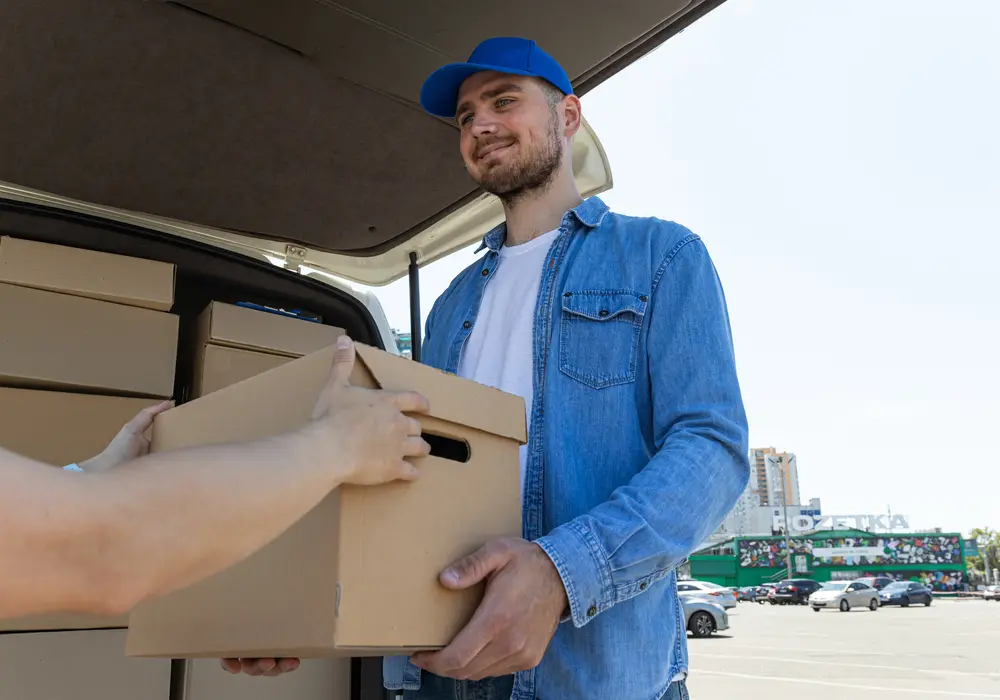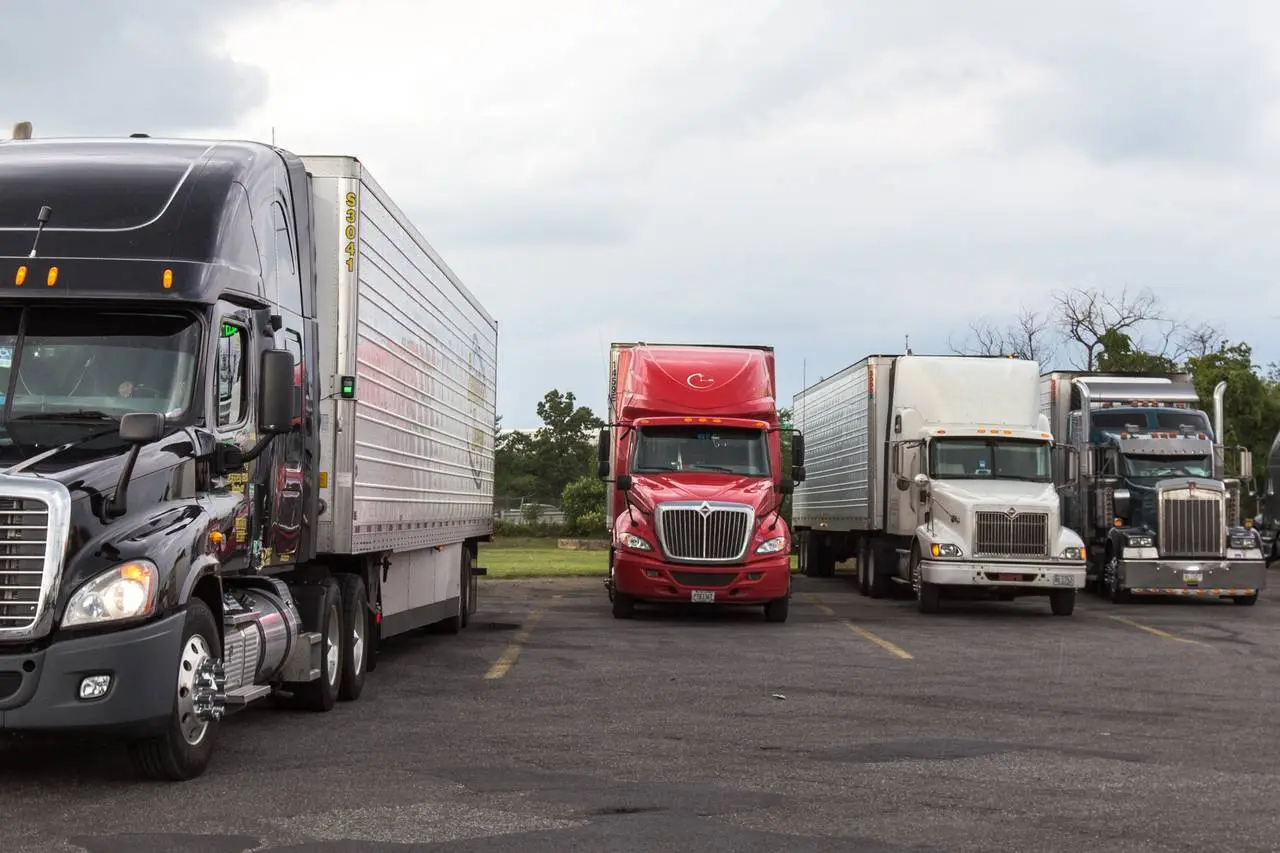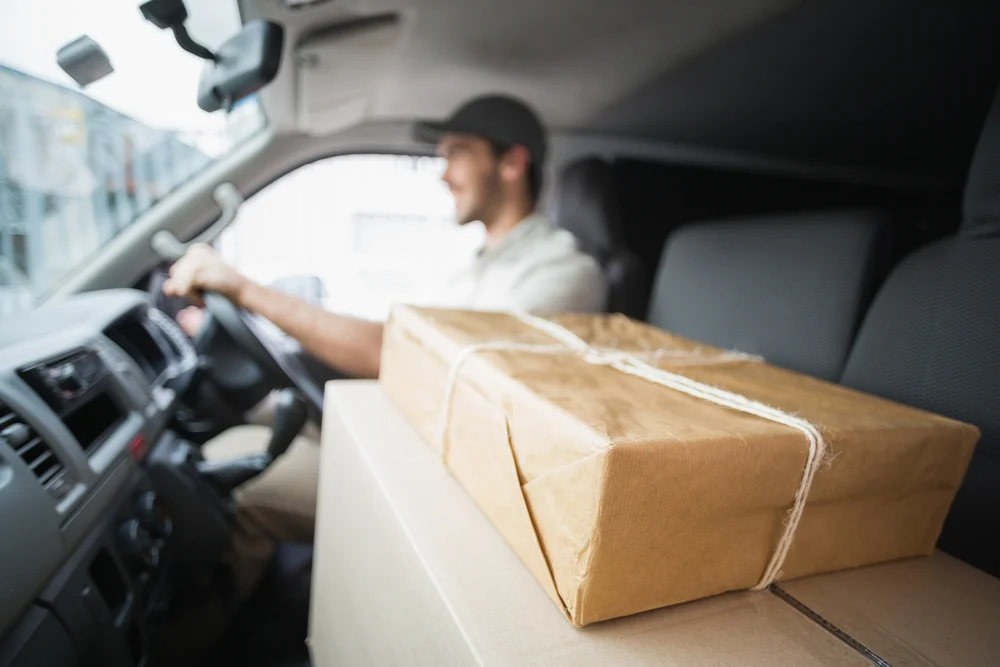

Picture a signed contract that has to reach a bank branch before it closes at 5 p.m. The mail will not make it. A freight truck will not make it. What is one driver, one pickup, and one handoff. That is the simplest answer to what is courier service: a delivery model where a single driver or small team takes responsibility for an item from the moment it leaves the sender until it reaches the recipient.
Bearcat Express has handled this kind of work across Georgia and nearby states since 2012, so this guide skips the textbook tone and shows how courier jobs are actually built, priced, and sometimes disrupted.
Quick Answer
A courier service is a delivery company that collects an item from one address and carries it directly to another, usually within hours instead of days. The courier service meaning rests on direct accountability: one driver or team owns the job, the route is planned around that item, and the sender can follow progress through real-time tracking.
What a Courier Service Actually Is

Anyone asking what is a courier service is usually trying to separate it from two other options: the postal system and freight shipping. The difference is not only speed. It is how many hands touch the package and who answers for it along the way.
| Feature | Courier Service | Postal Service | Freight |
| Typical items | Documents, small parcels, urgent goods | Letters, light parcels | Pallets, crates, bulk goods |
| Typical size and weight | Often up to roughly 50 lb per item, larger with a van or box truck | Small to mid-size parcels with fixed limits | Hundreds to thousands of pounds |
| Handling | One driver or dedicated team | Several sorting stages | Terminals and consolidation |
| Speed | Hours to same day | Days | Days to weeks |
| Tracking | Live or stop-by-stop | Milestone scans | Shipment-level milestones |
Limits vary by provider and vehicle, so confirm size and weight before booking.
The Delivery Ticket: Every Field a Courier Job Is Built Around
Every courier job starts as a ticket, and each field on it changes the price, the route, or the timing. Dispatch desks, including ours at Bearcat Express, read these fields before a driver is ever assigned.
| Field | What It Means | How It Changes Price or Time |
| Pickup window | When the item is available to collect | A narrow window limits which drivers can take the job |
| Delivery deadline | The latest acceptable arrival time | A tighter deadline usually means a dedicated run |
| Service level | On-demand, same day, or scheduled | Faster levels pull a driver off planned routes |
| Size, weight, fragility | What the item is physically like | Decides the vehicle and any extra handling |
| Declared value | What the item is worth | Affects coverage and verification steps |
| Special handling | Temperature control, two-person lift, sealed bag | Adds equipment, training, or time |
| Proof of delivery | Signature, photo, or timestamp | Signature-required jobs take longer at the door |
| Wait-time terms | How long a driver waits at a stop | Prevents idle time from breaking the rest of the route |
A ticket with a vague pickup window and no named recipient is where most delays begin, long before the vehicle moves.
How a Courier Delivery Works, Step by Step
- Booking. The customer requests a job online or by phone and supplies addresses, item details, and the deadline.
- Dispatch. A dispatcher matches the ticket to a driver based on location, current route, vehicle type, and time left.
- Pickup check. The driver confirms the item matches the ticket, checks packaging, and records anything unusual before leaving.
- Transport and tracking. Professional courier service tracking lets the sender see real progress and share a reliable arrival estimate with the recipient.
- Proof of delivery. The handoff ends with a signature, photo, or timestamped record showing who received the item and when.
Types of Courier Services
Same-Day and On-Demand Delivery
This is the fastest option. A request comes in, a driver is assigned, and the item moves the same business day, often within a couple of hours. Businesses that need this regularly look for a Same Day Delivery Service Augusta GA provider that already knows the local roads, so pickup and drop-off are not slowed by guesswork.
Scheduled and Route-Based Delivery
Some work repeats on a fixed pattern, such as a clinic sending samples every afternoon or an office dropping paperwork at the same branch each morning. Planning these runs lowers the cost per stop and makes arrival times predictable.
Medical, Legal, and Retail Last-Mile
These three use courier service for different reasons. Medical jobs follow handling protocols, legal jobs depend on documented handoffs, and retail jobs use courier drivers for the final leg when a customer wants an item the same day.
What a Courier Costs: Pricing Factors and a Worked Example
Courier pricing is not a flat rate because the ticket changes every time. The main drivers are distance, how fast the delivery is requested, size and weight, special handling, wait time at stops, and time of day, since rush hour slows every route.
Here is a hypothetical example, not a quote. Two jobs cover the same five miles with the same envelope. One is booked for the next morning. The other must arrive within 90 minutes. The second costs more because a dispatcher has to pull a driver off a planned route to serve it.
The useful question is what a missed deadline costs. Suppose a late filing carries a $500 penalty. A courier fee well below that is cheaper than the risk, even if it looks high next to a stamp.
What You Can and Can’t Send by Courier
Couriers commonly handle documents, signed contracts, keys, small electronics, retail orders, lab samples with proper containers, and replacement parts. Weight limits depend on the vehicle, so a bike or car run suits small items while a van or box truck suits larger ones.
Most providers will not carry illegal items, hazardous materials without specialized handling, or perishables without suitable packaging. Seal envelopes, cushion fragile items, label both addresses clearly, and put a phone number on the outside. Packaging problems are the easiest delays to prevent.
Who Uses Courier Services
| Industry | Typical Use | Why a Courier Fits |
| Legal | Filings, signed agreements | Deadlines and documented handoffs |
| Medical | Specimens, prescriptions, supplies | Timing and handling protocols |
| Real estate | Keys, signed closing papers | Fixed closing times |
| Retail | Same-day customer orders | Last-mile speed within one city |
| Manufacturing | Replacement parts | A stopped line costs more than the delivery |
Courier Service vs. Traditional Shipping
Traditional shipping is built for volume and low cost per item. A courier is built for control and time. If a package can wait a few days and is easy to replace, standard shipping usually wins on price. If it is urgent, valuable, or needs a named person to sign for it, a local courier service is usually the safer choice. Speed alone is not the deciding factor. Accountability is.
You may also read: What Is the Difference Between a Courier Carrier and Post?
Where Courier Service Isn’t the Right Fit
Courier pricing is built around dedicated attention, so it rarely makes sense for hundreds of low-priority items, such as routine bulk mailings. Heavy pallets and long-distance moves usually belong with freight providers. If nobody will be at the destination to receive the item, even the best courier cannot fix that. Choosing the right tool for the job is part of good service.
60-Second Check: Do You Need a Courier?
Answer yes or no:
- Does the item need to arrive today or within a few hours?
- Would a missed deadline cost more than the delivery fee?
- Is the item valuable, sensitive, or hard to replace?
- Do you need to know exactly where it is while it moves?
- Does a specific person need to sign for it or receive it?
- Are the pickup and drop-off both within a local or regional area?
Three or more yes answers mean a courier is likely the right choice. Fewer than three means standard shipping may serve you better.
6 Things to Check Before Choosing a Courier
- Coverage. Confirm they actually serve your pickup and drop-off areas, not a broad zone.
- Response time. Ask how fast a same-day request can realistically be picked up.
- Tracking. Professional courier service tracking should show real progress, not just a confirmation email.
- Special handling. Ask how fragile, temperature-sensitive, or sealed items are handled.
- Coverage and liability. Ask what cargo protection applies and what it excludes.
- Pricing clarity. Request a breakdown of rate factors, including wait time and redelivery terms.
Key Courier Terms at a Glance
Understanding the courier service meaning gets easier once the vocabulary is clear.
| Term | Plain Meaning |
| Dispatch | Assigning a job to a driver and planning the route |
| Last mile | The final leg from a hub or store to the recipient |
| STAT | Urgent, usually medical, delivery with top priority |
| Proof of delivery | Signature, photo, or timestamp confirming handoff |
| Declared value | The worth stated for an item when booking |
| Wait time | Time a driver holds at a stop before the job is paused or rescheduled |
| Chain of custody | A documented record of who held the item at each stage |
Final Thought
Knowing what is courier service comes down to one idea: one accountable driver, a ticket built around your deadline, and tracking you can trust. Whether you are moving a legal filing, a lab sample, or a same-day retail order, matching the job to the right service saves time and avoids surprises. If your next delivery cannot wait, contact us and Bearcat Express will tell you how quickly it can be on the road.
Frequently Asked Questions
What is courier service used for most often?
Courier service is most often used for urgent documents, medical items, and same-day retail orders. These jobs depend on speed, direct handling, and a clear record of delivery.
What is a courier service in simple terms?
It is a company that picks up an item and brings it straight to the recipient, usually the same day. One driver or small team stays responsible for the item throughout.
How is a courier different from the postal service?
A courier typically uses one driver for the whole route, while postal items pass through several sorting stages. Postal service is cheaper for non-urgent items, and a courier is better when timing and accountability matter.
How much does a courier cost?
Pricing depends on distance, speed, size and weight, special handling, and wait time. Ask for a rate-factor breakdown before booking so there are no surprises.
Can a courier handle fragile or sensitive items?
Many can, but handling varies by provider. Ask how they pack, secure, and document fragile or sealed items before you book.