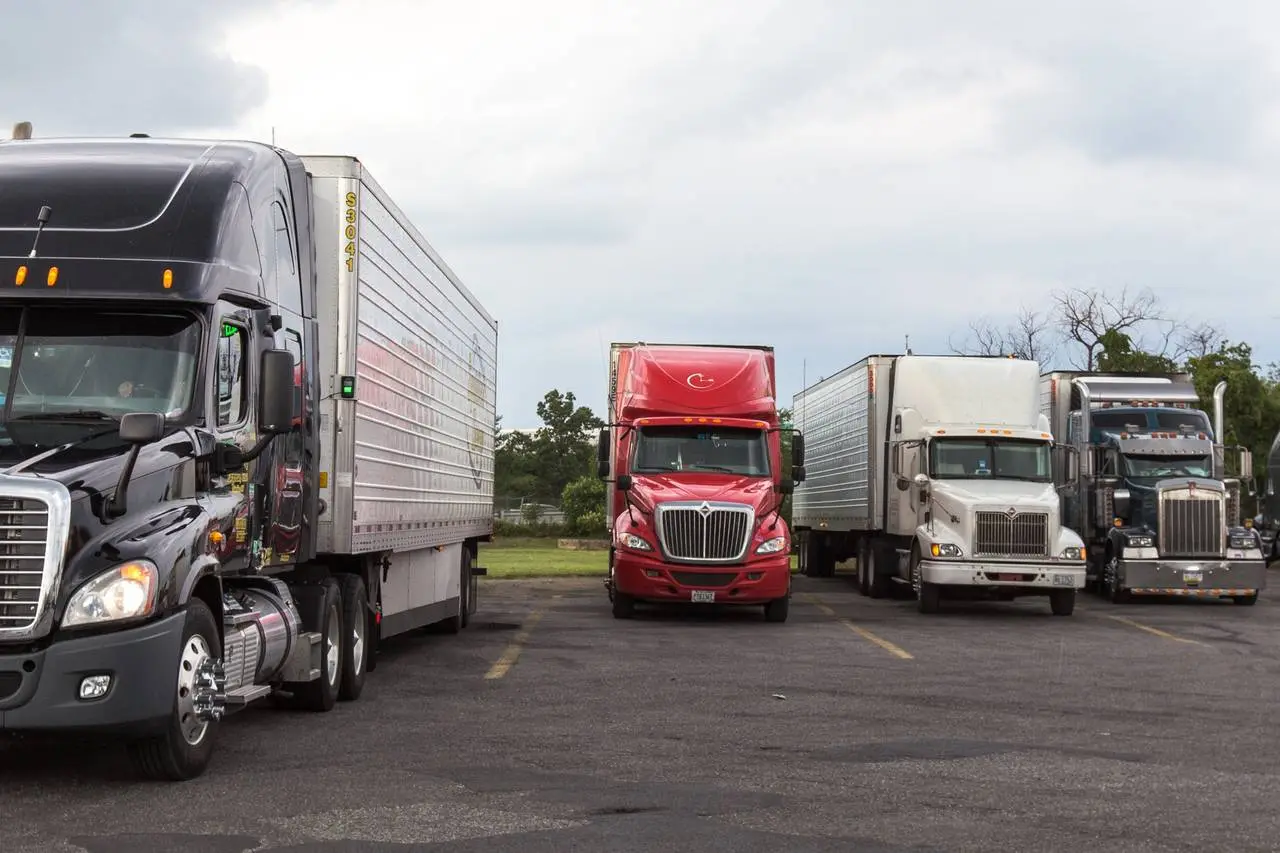
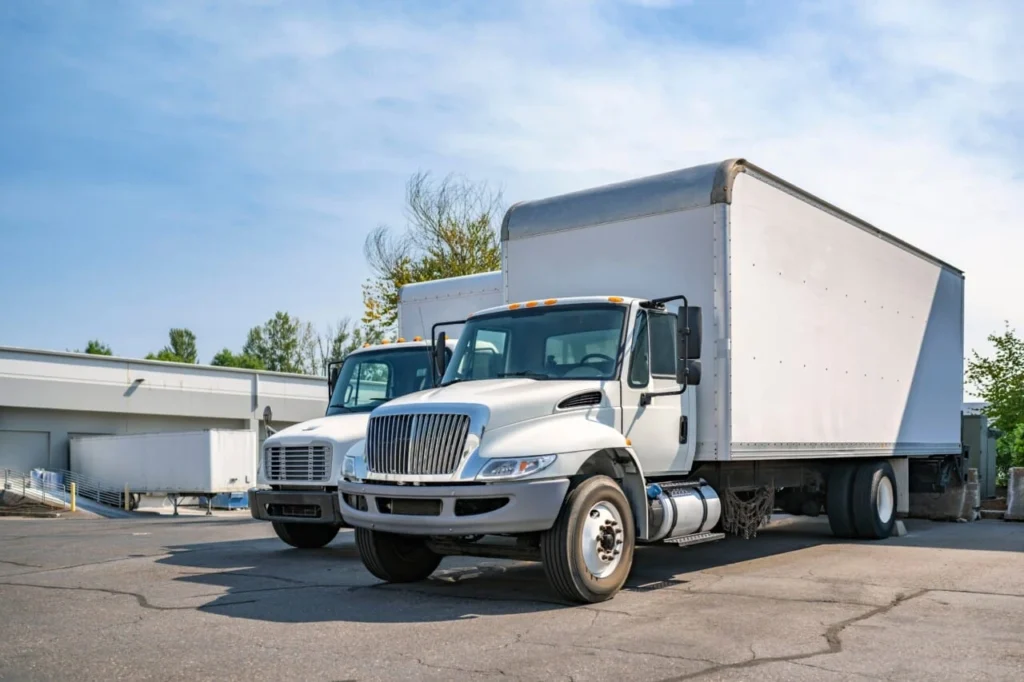
A box truck is a commercial vehicle with a separate cab and a large enclosed cargo area designed to transport goods safely and efficiently. These trucks are widely used for local deliveries, retail transportation, moving services, and commercial logistics because they provide more cargo space than standard vehicles.
At Bearcat Express, box trucks help move bulky and oversized items while keeping shipments protected from weather and damage. Understanding what is a box truck can help businesses and individuals choose the right transportation solution. In this guide, you’ll learn how box trucks work, their common uses, available sizes, key benefits, and important considerations when selecting one.
Understanding the Basics: What Is a Box Truck?
Simple Definition of a Box Truck
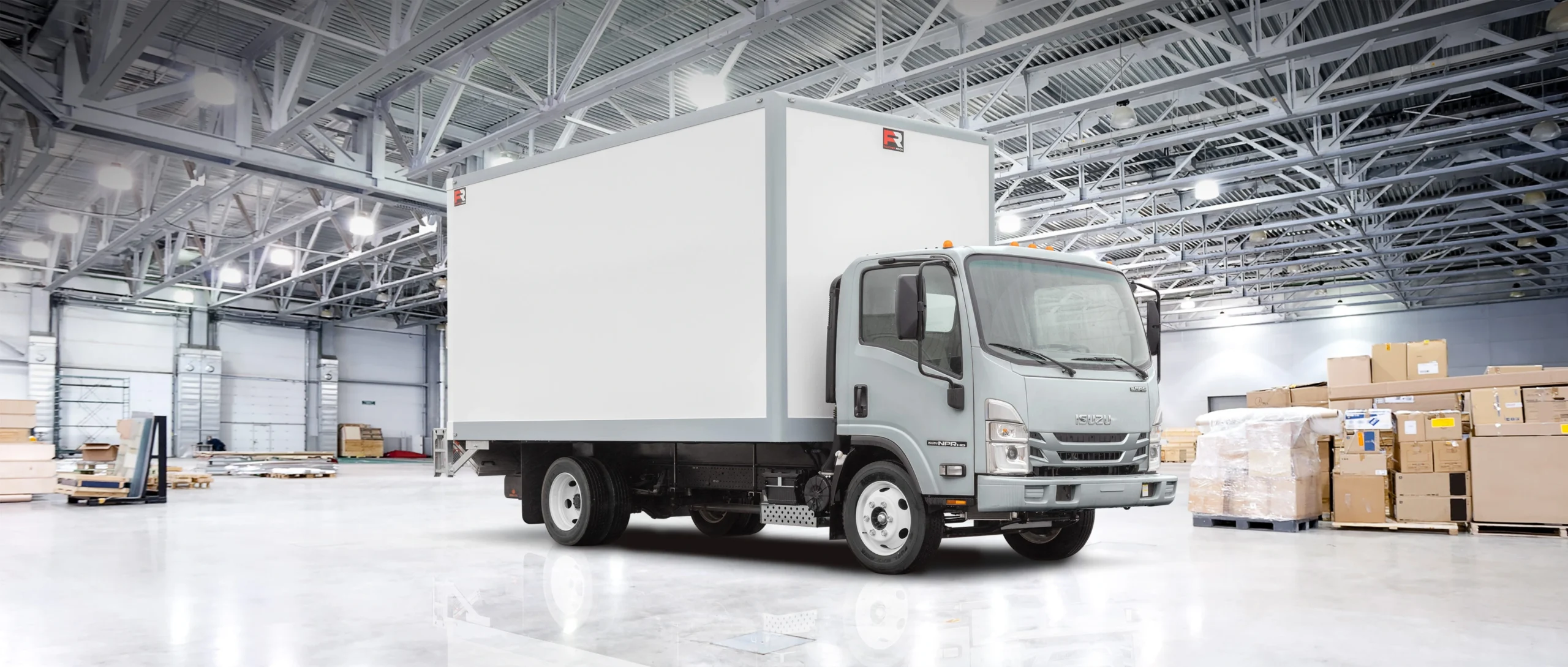
A box truck is a commercial vehicle that features a separate driver’s cab and a large enclosed cargo compartment mounted on the same chassis. The cargo area resembles a rectangular box, which is where the vehicle gets its name.
When people search for whats a box truck, they are usually referring to a vehicle designed specifically for transporting goods rather than passengers. Unlike open-bed trucks, a cargo box truck offers a fully enclosed storage area that protects shipments from weather, theft, and road debris. Companies such as Bearcat Express often use box trucks when deliveries require secure transportation and more cargo space than a standard vehicle can provide.
Why It Is Called a Box Truck
The name comes from the vehicle’s box-shaped cargo compartment. The storage area is completely enclosed and provides a secure environment for transporting products, furniture, appliances, and freight.
Because of this design, delivery box trucks have become a preferred option for businesses that need dependable transportation for large shipments.
Main Components of a Box Truck
Cab
The cab is where the driver operates the vehicle. It is separated from the cargo area in most models.
Cargo Box
The enclosed storage compartment behind the cab is the primary cargo area. It can accommodate a wide variety of goods and equipment.
Rear Roll-Up Door
Most box trucks use a roll-up rear door for easy loading and unloading.
Liftgate or Loading Ramp
Many delivery box trucks are equipped with liftgates or ramps to simplify handling heavy items.
How Does a Box Truck Work?
How Cargo Is Loaded and Secured
Cargo is typically loaded through the rear door using hand trucks, pallet jacks, or forklifts. Inside the cargo box truck, tie-down systems and cargo straps help secure items during transportation.
Transportation and Delivery Process
Once loaded, the vehicle transports goods directly to the destination. Because the cargo area is enclosed, products remain protected throughout the journey.
Protecting Freight During Transit
One major advantage of box truck logistics is cargo protection. The enclosed structure shields products from rain, wind, sunlight, and theft while reducing the risk of damage during transportation.
Common Uses of Box Trucks
Local Delivery Services
Many local delivery providers use box trucks to transport packages, supplies, and commercial goods throughout cities and surrounding areas.
Retail and Store Deliveries
Retail stores often rely on delivery box trucks to transport products from distribution centers to customers.
For customers purchasing large items from major retailers, services such as Big Box Store Pick Up Augusta GA help simplify transportation by providing convenient delivery solutions for oversized purchases.
Furniture and Appliance Transportation
Furniture and appliances require secure transportation due to their size and weight. Box trucks offer sufficient space and protection for these items.
Moving Household Items
Individuals moving apartments or homes frequently use box trucks because they can carry multiple rooms’ worth of belongings in a single trip.
E-Commerce Deliveries
Growing online shopping demand has increased the use of box truck logistics for regional and last-mile deliveries.
Commercial Freight Transportation
Businesses often use cargo box truck services for transporting inventory, equipment, and supplies between locations.
Why Businesses Use Box Trucks
Large Cargo Capacity
One of the biggest advantages of a box truck is its ability to transport significantly more cargo than a standard van.
Businesses can consolidate shipments and reduce the number of delivery trips required.
Better Product Protection
The enclosed cargo area protects valuable goods from environmental exposure and accidental damage.
Cost-Effective Deliveries
For many delivery operations, a box truck provides a balance between capacity and operating costs.
Efficient Last-Mile Transportation
Last-mile delivery is one of the most expensive stages of logistics. Delivery box trucks help streamline this process by carrying large volumes of goods directly to customers.
Types of Box Trucks
Light-Duty Box Trucks
These smaller vehicles are commonly used for local deliveries and small business transportation needs.
Medium-Duty Box Trucks
Medium-duty models provide increased payload capacity while remaining relatively easy to maneuver.
Heavy-Duty Box Trucks
Heavy-duty box trucks handle larger commercial loads and more demanding transportation tasks.
Refrigerated Box Trucks
These vehicles include temperature-control systems for transporting perishable goods.
Box Trucks With Liftgates
Liftgates make loading and unloading heavy items safer and more efficient.
Box Truck Sizes Explained
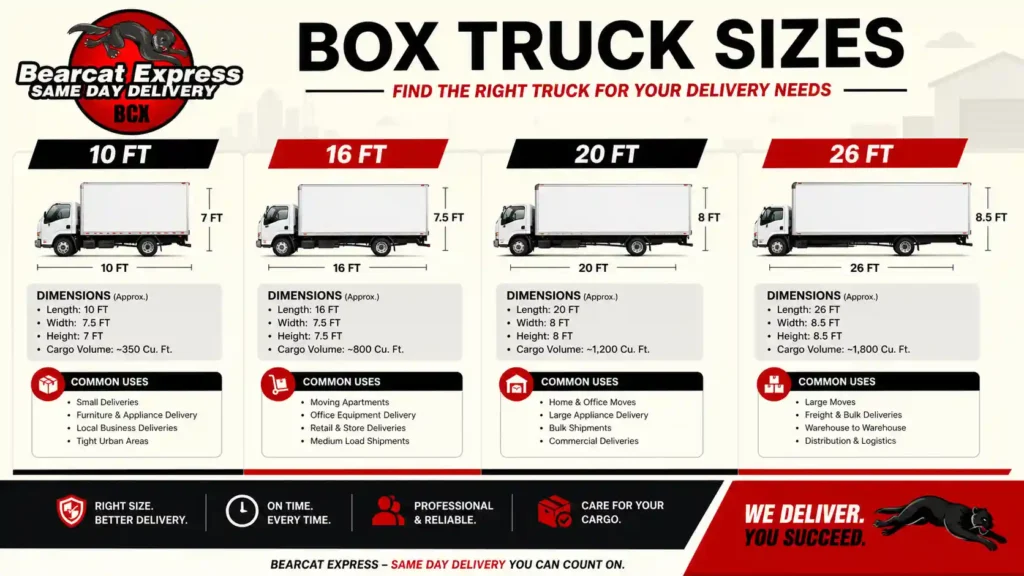
Different sizes are available depending on cargo requirements.
10–12 Foot Box Trucks
Ideal for small deliveries and light commercial transportation.
14–16 Foot Box Trucks
Often used for apartment moves and medium-sized deliveries.
20 Foot Box Trucks
Suitable for retail deliveries and business transportation.
24–26 Foot Box Trucks
Designed for large freight loads and commercial operations.
| Box Truck Size | Best For |
| 10–12 ft | Small deliveries |
| 14–16 ft | Apartment moves |
| 20 ft | Retail and business deliveries |
| 24–26 ft | Large freight loads |
What Can Be Transported in a Box Truck?
Furniture
Sofas, tables, beds, and office furniture can be transported safely.
Appliances
Refrigerators, washers, dryers, and other large appliances fit comfortably within most box trucks.
Retail Merchandise
Retail products of various sizes are commonly delivered using box trucks.
Office Equipment
Businesses frequently transport office furniture, computers, and supplies using commercial box trucks.
Packaged Freight
General freight and packaged shipments are ideal for box truck transportation.
Event and Trade Show Equipment
Display booths, promotional materials, and event equipment can be transported efficiently.
Box Truck vs Cargo Van
Many businesses compare box truck vs cargo van when choosing a delivery vehicle.
Size and Cargo Capacity
A box truck provides significantly more storage space than a cargo van.
Operating Costs
A cargo van or truck comparison often reveals lower operating costs for vans, but reduced cargo capacity.
Best Use Cases
A cargo van or truck decision depends on shipment size and delivery requirements.
Comparison Table: Box Truck vs Cargo Van
| Feature | Box Truck | Cargo Van |
| Cargo Capacity | High | Moderate |
| Large Item Delivery | Excellent | Limited |
| Fuel Efficiency | Lower | Higher |
| Maneuverability | Moderate | High |
| Commercial Freight | Excellent | Good |
When evaluating box truck vs cargo van, businesses should consider cargo volume, route requirements, and delivery frequency.
Box Truck vs Straight Truck
Are They the Same Vehicle?
In many cases, yes. The terms are often used interchangeably.
Key Differences Explained
A straight truck refers to a vehicle where the cab and cargo area share the same chassis. Most box trucks fall into this category.
Common Industry Terminology
Although terminology varies, both terms generally describe similar vehicle designs used in freight transportation.
Advantages of Using a Box Truck
Weather Protection
The enclosed cargo area protects shipments from rain, wind, and other environmental conditions.
Improved Security
Locked cargo compartments reduce theft risk.
Large Storage Capacity
A cargo box truck provides significantly more room than smaller delivery vehicles.
Professional Delivery Solution
Businesses benefit from a professional appearance and an organized transportation process.
Versatility Across Industries
From retail to logistics, box trucks serve a wide variety of transportation needs.
Limitations of Box Trucks
Fuel Costs
Larger vehicles typically consume more fuel than smaller alternatives.
Parking and Maneuverability Challenges
Driving in congested urban environments may require additional caution.
Weight Restrictions
Payload limitations vary by vehicle size and classification.
Maintenance Requirements
Regular maintenance is necessary to ensure safe and reliable operation.
Do You Need a CDL to Drive a Box Truck?
Understanding CDL Requirements
Not all box trucks require a Commercial Driver’s License (CDL).
Weight Limits That Matter
CDL requirements generally depend on the vehicle’s Gross Vehicle Weight Rating (GVWR).
When a CDL Is Required
Larger commercial vehicles exceeding certain weight thresholds may require a CDL, depending on applicable regulations.
Industries That Commonly Use Box Trucks
Courier and Delivery Companies
Local and regional delivery providers frequently use box trucks.
Retail Businesses
Retailers rely on box trucks for customer deliveries and inventory transportation.
Moving Services
Moving companies use box trucks to transport household goods efficiently.
Furniture Stores
Large furniture items are commonly delivered using box trucks.
Construction Suppliers
Construction materials and equipment often require enclosed transportation.
Event Management Companies
Event planners transport staging equipment, displays, and supplies using box trucks.
How to Choose the Right Box Truck
Determine Cargo Volume
Assess the amount of cargo you plan to transport regularly.
Consider Payload Capacity
Ensure the vehicle can safely handle the weight of your shipments.
Evaluate Delivery Routes
Route conditions may influence the ideal vehicle size.
Liftgate vs Ramp
Choose equipment that simplifies loading and unloading.
Renting vs Buying
Consider operational frequency, budget, and long-term transportation needs when deciding whether to rent or purchase.
Conclusion
Understanding what is a box truck helps businesses and consumers make informed transportation decisions. These versatile vehicles play an essential role in retail deliveries, commercial freight transportation, moving services, and last-mile logistics. From protecting cargo to handling oversized shipments, box trucks provide a practical solution for a wide range of delivery needs.
Whether you’re comparing a box truck vs cargo van, evaluating a cargo van or truck, or planning large retail deliveries, choosing the right vehicle can improve efficiency and reduce transportation challenges. If you need professional assistance with large-item deliveries, retail pickups, or specialized transportation solutions, contact Bearcat Express to learn how dependable delivery services can help move your shipments safely and efficiently.
Frequently Asked Questions
What Is the Difference Between a Box Truck and a Moving Truck?
Most moving trucks are a type of box truck. However, moving trucks are specifically configured for household relocations and may include additional moving equipment.
How Much Weight Can a Box Truck Carry?
Weight capacity varies by size and model. Smaller trucks may carry a few thousand pounds, while larger models can transport significantly heavier loads.
What Size Box Truck Do I Need?
The right size depends on cargo volume, shipment weight, and delivery requirements. Larger shipments generally require larger box trucks.
What Is the Most Common Box Truck Size?
Many businesses prefer 16- to 20-foot box trucks because they offer a practical balance of cargo space and maneuverability.
Are Box Trucks Good for Business Deliveries?
Yes. Delivery box trucks are widely used because they provide secure transportation, large cargo capacity, and reliable delivery performance.