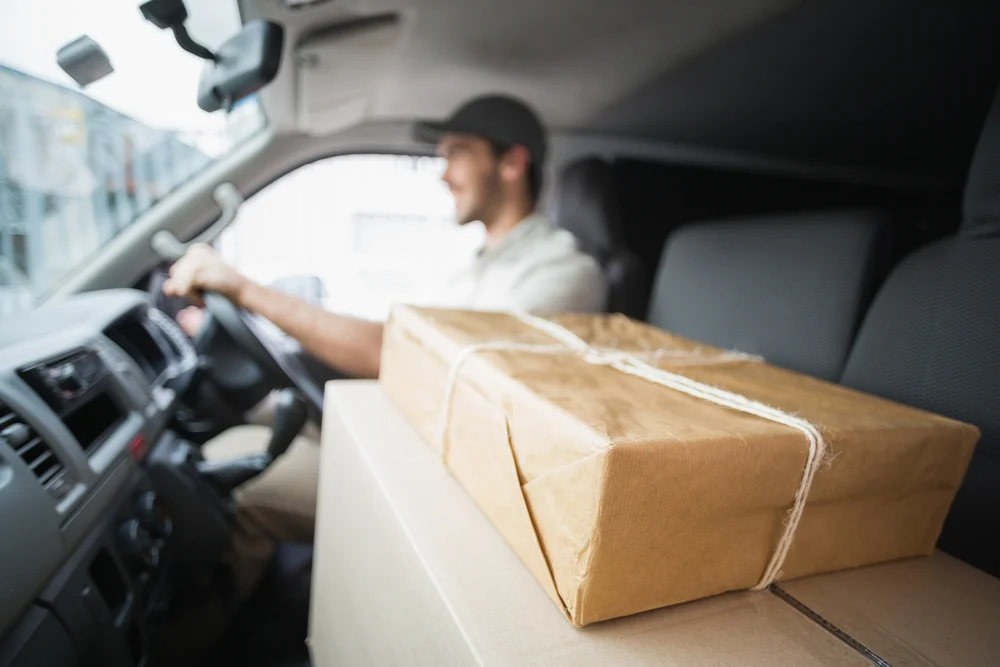

When a blood specimen, prescription, medical device, or patient record must move quickly and safely, ordinary delivery is not always enough. What is a medical courier? A medical courier is a specialized delivery professional or service that transports healthcare items under specific timing, privacy, packaging, and handling requirements.
Bearcat Express helps healthcare organizations manage local medical deliveries with dependable transportation and documented proof of delivery.
What Does a Medical Courier Do?

If you are asking what does a medical courier do on a normal day, the honest answer is that no two runs look the same. A morning route might start with clinic specimen pickups, move to a pharmacy drop, and end with a records delivery to a hospital. Each stop has its own handling rules, and the courier has to keep them straight.
| Item | Handling need | Typical urgency |
| Lab specimens | Sealed, labeled, often temperature-controlled | High, tied to test windows |
| Vaccines and refrigerated medicines | Cold chain with temperature checks | High |
| Prescriptions | Secure handoff, recipient verification | Medium to high |
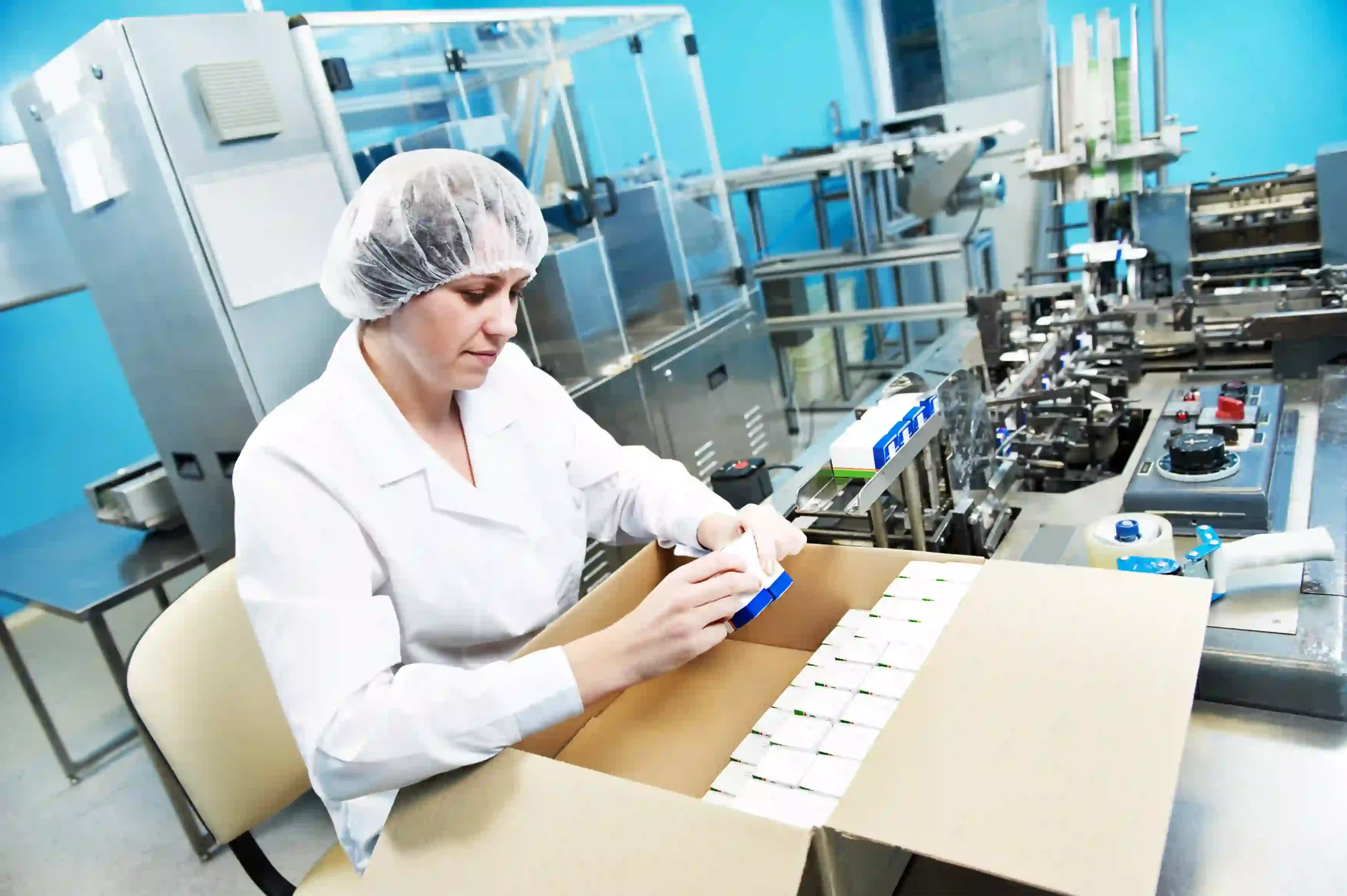
| Medical equipment | Padded, secured, sometimes sterile packaging | Medium |
| Patient records | Locked storage, privacy protection | Medium |
Most of the job is quiet and procedural. Verifying names, checking seals, logging times, and getting signatures matters more than driving fast.
Medical Courier vs Regular Courier
A regular courier is judged mainly on whether the parcel arrives. A medical courier is judged on whether the parcel arrives intact, on time, documented, and untouched by anyone who should not see it.
| Factor | Regular courier | Medical courier |
| Training | Route and customer service basics | Privacy, bloodborne pathogen, and specimen handling training |
| Packaging | Standard boxes and bags | Leak-resistant, labeled, often insulated containers |
| Documentation | Delivery confirmation | Chain-of-custody log with times and signatures |
| Privacy | Address confidentiality | Protection of patient information on labels and paperwork |
| Temperature control | Rarely needed | Often required and recorded |
| Liability | Lost or damaged goods | Spoiled samples, repeat draws, delayed treatment, privacy breaches |
Types of Medical Courier Services
Healthcare facilities usually mix several service levels instead of picking just one.
- STAT delivery is used for urgent, time-critical healthcare items with a defined turnaround.
- Scheduled routes use recurring pickup and drop-off windows. This can work well for clinics sending specimens to laboratories or facilities receiving medical supplies on a repeat schedule. For recurring healthcare runs, see Scheduled Delivery Augusta GA.
- Same-day on-call delivery handles unplanned needs, such as moving a medical device to a facility before a procedure.
- Temperature-controlled delivery uses equipment and procedures based on the cargo’s required range and transit time. There is no universal “medical temperature,” so the product, specimen, laboratory, or pharmacy instructions must control.
A Medical Delivery From Start to Finish: 8 Checkpoints
Here is how a well-run specimen delivery moves, and where it can break. These are typical operational checkpoints, not a record of one specific job.
- Request. The sender confirms the pickup window, item type, and destination. What can go wrong: vague instructions send the wrong vehicle or an unprepared driver. Prevention: a standard request form that asks for item type and temperature needs.
- Pickup verification. The courier matches the paperwork to the items. What can go wrong: a mismatched label or missing requisition. Prevention: checking every item against the manifest before leaving.
- Packaging check. The courier confirms containers are sealed and upright. What can go wrong: leaks or crushed tubes. Prevention: secondary containment and rigid transport bags.
- Chain-of-custody log. Each handoff is recorded with time, name, and signature. What can go wrong: gaps that make a sample impossible to trace. Prevention: no handoff without a logged signature.
- Transit monitoring. Dispatch tracks the vehicle and flags delays. What can go wrong: traffic or a vehicle issue pushes a sample past its window. Prevention: live tracking and a backup driver plan.
- Temperature check. The courier verifies the container is within range at pickup and arrival. What can go wrong: a warm cooler or expired cold packs. Prevention: pre-conditioned packs and recorded checks.
- Handoff signature. The receiving staff member signs and times the delivery. What can go wrong: items left at a front desk with no accountable recipient. Prevention: delivery only to named or authorized receivers.
- Delivery confirmation. The sender gets confirmation, and the record is closed. What can go wrong: missing paperwork surfaces weeks later during an audit. Prevention: digital records stored with every run.
Every checkpoint exists because someone, somewhere, lost a sample at that exact step.
Rules and Standards Medical Couriers Follow
Several frameworks apply at once, and a professional medical courier service business builds its operation around them.
HIPAA. When a courier handles protected health information on behalf of a healthcare provider, the courier company can be treated as a business associate. That typically means a signed business associate agreement and documented privacy training.
OSHA Bloodborne Pathogens Standard (29 CFR 1910.1030). It covers training, protective equipment, and spill response for workers exposed to potentially infectious materials.
DOT and specimen packaging rules. Diagnostic specimens are usually shipped as UN3373 biological substances, with specific packaging and marking requirements.
Lab requirements. Labs set their own transport conditions, and couriers are expected to meet them.
What “HIPAA Certified” Actually Means
There is no official government HIPAA certification for individual drivers. What people call a certification is a certificate showing a person completed HIPAA training. A better question to ask any provider is whether drivers receive documented HIPAA training and whether the company signs a business associate agreement.
Temperature Control and Specimen Stability
Some samples are forgiving. Others are not. Certain tests, such as coagulation studies, often need processing within a few hours of collection, so lab instructions should decide the transport timing, not the courier’s convenience.
Cold chain matters just as much for pharmacies. Many refrigerated medicines are kept between 2 and 8 degrees Celsius (36 to 46 degrees Fahrenheit), and growing demand for injectable medications has put more pressure on refrigerated home and clinic deliveries. A good courier uses insulated packaging, conditioned cold packs, and recorded temperature checks, not guesswork.
Key Benefits of Using a Medical Courier Service
- Faster turnaround: Routes can be built around laboratory cutoffs and scheduled pickups.
- Better auditability: Timestamps, signatures, scans, and exception notes make delivery history easier to verify.
- Handling discipline: Written procedures reduce the chance that a medical item is treated like an ordinary parcel.
- Staff time savings: Healthcare employees can stay focused on patient care, dispensing, laboratory work, and other core tasks.
- Clearer communication: Dispatch can address delays and access problems before they become missed deliveries.
How to Choose a Medical Courier Service
Ask for specifics, and listen for how concrete the answers are.
| Question | Strong answer | Red flag |
| How is training documented? | Records for HIPAA and bloodborne pathogen training | “Our drivers are experienced” |
| Do you sign a business associate agreement? | Yes, as standard | Hesitation or confusion |
| How do you track custody? | Logged signatures at every handoff | Only a final delivery photo |
| How do you handle temperature? | Insulated containers and recorded checks | “We use a cooler” |
| What happens on a delay? | Dispatch alert and backup plan | No defined process |
What Affects Medical Courier Pricing
Price usually depends on distance, urgency, service type, temperature requirements, route frequency, and pickup wait time. STAT runs cost more than scheduled routes because they take a driver off other work. For realistic ranges, see our guide on how much a medical courier service costs.
How to Become a Medical Courier
Many people searching what do you need to be a medical courier want a short checklist. Most providers look for a valid license, a clean driving record, a background check, a reliable vehicle, and insurance. If your question is what do you need to become a medical courier in a practical sense, training is the real entry point: HIPAA awareness, bloodborne pathogen training, and hazardous materials awareness where specimens are involved.
Useful skills include punctuality, careful documentation, discretion, and calm decision-making under time pressure. Equipment typically includes insulated containers, spill kits, a scanner or mobile app, and secure storage in the vehicle. Requirements vary by state and employer, so check local rules before you start. Our guide on how to become a medical courier goes deeper into each step.
Medical Courier Trends
Real-time monitoring is becoming standard, with live location and temperature data shared with clients. Cold chain volume is growing, and route optimization helps couriers cover more stops without missing time windows. Drones are being tested in limited pilots, but road-based couriers still handle nearly all everyday healthcare deliveries.
Conclusion
A medical courier is not just a faster driver. It is a role built on documentation, handling discipline, and trust between healthcare teams. Whether you run a clinic, manage a lab, or are exploring a medical courier service business of your own, the same principle applies: every checkpoint matters because every sample matters.
If your facility needs dependable pickups and deliveries, contact us at Bearcat Express to discuss a route that fits your schedule.
FAQs
What is a medical courier?
A medical courier transports specimens, medications, equipment, and records between healthcare locations. The job requires documented handling, privacy protection, and often temperature control.
What does a medical courier do?
They pick up items, verify labels and packaging, maintain a chain-of-custody log, and deliver to named recipients. Many also monitor temperature and report delays to dispatch.
What do you need to become a medical courier?
Most employers want a valid license, a clean driving record, and a background check. Training in HIPAA and bloodborne pathogens is commonly required, and hazardous materials awareness may apply to specimens.
Is a medical courier service business hard to start?
It involves more than buying a vehicle. You need insurance, documented training, written procedures, and agreements with healthcare clients, plus compliance with state and local rules.
Do medical couriers need HIPAA certification?
There is no official government certification. Couriers typically complete documented HIPAA training, and the company signs business associate agreements with healthcare clients.