Bearcat Express

Delivery

how much does it cost to ship a couch.
Delivery

How Much Does It Cost to Ship a Couch?

You found the perfect couch, maybe a resale steal, a family piece, or a new purchase the store won’t deliver past 50 miles. Either way, you’re left wondering: how much does it cost to ship a couch? At Bearcat Express, we hear this question almost every week, often from people who have already collected three wildly different quotes from moving companies.  That’s not unusual. A couch isn’t a standard package. It’s bulky, awkward to handle, and priced differently depending on who’s moving it. This guide breaks down real numbers, real scenarios, and the actual factors that move the price up or down. Average Cost to Ship a Couch (Quick Answer) Most couch shipments cost between $100 and $1,500, depending on distance and service type. Local delivery under 50 miles typically runs $60 to $250. Regional moves, 50 to 300 miles, land between $200 and $500. Cross-country freight shipments range from $400 to $1,500 or more. This covers the cost for shipping furniture in most typical scenarios, though size and access conditions can push either end of the range higher. Real-Life Couch Shipping Cost Examples Local 15-Mile Move A recent Augusta pickup involved a three-seat sofa moving across town, ground-floor to ground-floor, no stairs involved. That job ran close to $75, since there was no overnight handling or terminal transfer required. 250-Mile Regional Delivery A sectional moving from Augusta to Charlotte cost around $350. Multiple pieces and careful loading push regional jobs into a middle price band, too far for a quick local run but not far enough for full freight pricing. Cross-Country Shipment A move from Georgia to California typically falls under freight shipping rather than courier service, with pricing driven by pallet space and freight class. Expect $500 to over $1,200 depending on route and carrier network. That’s the range people usually mean when they ask how much does it cost to ship furniture across country. Key Factors That Affect Couch Shipping Cost Several elements shape how much does it cost to ship a couch, starting with distance. Distance and Delivery Zones Distance is the single biggest price driver. Local zones price by mileage and time; regional and national routes price by distance bands and how many transfer points a shipment passes through. Couch Size and Weight A loveseat might weigh 75 pounds; a large sectional can exceed 250 pounds. Carriers price by actual weight or dimensional weight, whichever is higher. Freight Class and Cube Pricing (Why a Light Couch Can Still Cost More) This is the part most people asking how can i ship a couch never hear explained. Freight carriers don’t just charge by weight, they charge by freight class, a rating based on density, how much trailer space an item takes up relative to its weight. A couch that weighs 85 pounds but occupies the same cube as a 400-pound pallet gets classed and priced closer to the bulky end, not the light end. That’s why an oversized, lightweight sectional can quote higher than a heavier, more compact loveseat. Knowing this helps explain quotes that otherwise look confusing. Shipping Method Local courier, freight carrier, full-service mover, or marketplace driver each price the job differently. The comparison below breaks this down. Access Conditions Stairs, narrow hallways, long walkways, or no elevator access add labor time and often trigger extra fees. Delivery Speed Same-day or next-day delivery costs more than standard scheduled service since it reserves a dedicated time slot instead of batching with other stops on a route. Insurance and Coverage Basic carrier liability is often minimal, sometimes as low as 60 cents per pound. Added coverage is worth it for high-value pieces, especially on long-distance moves. Inside a Same-Day Dispatch Desk: How We Build a Couch Delivery Quote At Bearcat Express, a same-day couch quote isn’t a flat number pulled off a chart. Our dispatch team checks four things before quoting: pickup and drop-off mileage, access conditions at both ends, whether the job needs one mover or two, and same-day slot availability that day. Here’s what that looks like in practice: Route Type Distance Typical Same-Day Quote Key Cost Driver In-town, Augusta Under 15 miles $60 to $100 Labor, no stairs Regional, Augusta to Columbia 50 to 150 miles $150 to $300 Distance band Regional, Augusta to Charlotte 200 to 300 miles $300 to $450 Distance plus handling This kind of route-level transparency is something national freight calculators can’t offer, since they aren’t dispatching locally across Georgia, Alabama, and nearby regions. Couch Shipping Cost by Method (Comparison Guide) Method Typical Cost Range Best For Local Courier Service $60 to $250 Same-day, in-region moves Freight Shipping $400 to $1,500 Long-distance, single large item Full-Service Movers $500 to $2,000 White-glove handling, multiple items Peer-to-Peer/Marketplace $100 to $600 Flexible budget, longer wait times Local Courier Services For anyone asking how do i ship a couch within Georgia, Alabama, or nearby regions, a local courier is usually the fastest and most cost-effective answer. Our same-day model means your couch moves on a dedicated run instead of waiting in a freight queue, which keeps both cost and handling risk lower. You can see how this works on our Same Day Delivery Service Augusta GA page. Freight Shipping (Best for Long Distance) Freight carriers price by pallet space and freight class, making this the most economical option for cross-country moves despite the higher dollar total. The tradeoff is longer transit time and less control over exact delivery windows. Full-Service Movers These companies handle everything from disassembly to placement inside your home. It’s the most expensive option, but it removes nearly all the physical effort from your side. Peer-to-Peer/Marketplace Shipping Independent drivers bid on your job, often because they’re already heading in that direction. This can lower costs significantly, but availability and timing are less predictable. Hidden Fees That Increase Couch Shipping Costs Watch for fuel surcharges, stair or elevator fees, redelivery charges if no one is home, and liftgate fees when the pickup or drop-off location doesn’t have a loading dock.


how much does it cost to ship tv
Delivery

How Much Does It Cost to Ship TV Locally?

Typing how much does it cost to ship TV to Google at eleven at night usually turns up national freight calculators built for cross-country moves, not for someone trying to get a television across town by tomorrow. Local pricing works differently, and it is a lot more predictable once you understand what actually drives the cost.  At Bearcat Express, we coordinate same-day local TV deliveries across Georgia and Alabama every week, and this guide breaks down real local pricing, the factors that move the number up or down, and the packing choices that keep a screen intact from pickup to drop-off. Quick Answer: Average Local TV Shipping Cost For a same-city delivery, expect to pay between $45 and $180. Screen size sets the baseline, delivery speed and distance adjust it from there, and a same-day request typically lands higher in the range than a delivery scheduled a day or two out. That is meaningfully different from national shipping quotes, which often start near $100 and climb past $400 once dimensional weight and freight zone charges get added in. If you are asking how much it costs to ship a TV within your own city, the short answer is that local pricing rarely resembles what a national carrier quotes for the same television. Why TV Shipping Is Different From Regular Package Delivery   A television is not priced like a box of clothing or a stack of books, because the item itself controls how it has to be handled. Fragile Screen Protection Modern LED and OLED panels crack under pressure that would barely dent a piece of furniture, and once a screen is damaged, there is no repairing it the way you might sand out a scratch. That risk alone is why proper TV transport costs more than shipping a similarly sized parcel. Oversized Dimensions A boxed 55-inch television can measure close to five feet across. That width makes it awkward to load into a standard delivery vehicle and often means it cannot be stacked with other jobs on the same run, which changes how a courier prices the trip. Higher Damage Risk Televisions shift during transport if they are not braced correctly, so a driver carrying one has to brake more gently, take turns more slowly, and secure the box in a way that prevents sliding. That extra care adds time to a delivery that would otherwise take minutes. Upright Transportation Requirement Most televisions need to stay vertical for the entire trip. Laying a flat screen on its back puts stress across the panel, especially over potholes or hard stops, so the vehicle carrying it needs enough clearance and bracing to keep it standing. TV Shipping Cost by Screen Size Here is a realistic local breakdown by screen size, based on same-city pricing rather than cross-country freight rates. Screen Size Estimated Local Delivery Cost 32 to 43 inches $40 to $70 50 to 55 inches $60 to $100 65 inch $85 to $140 70 inches and larger $110 to $180+ How much does it cost to ship a 32- to 43-inch TV? Smaller televisions in this range are the easiest to move and generally fall in the $40 to $70 bracket. They fit into most standard delivery vehicles without special handling, so labor stays minimal and the price stays low. How much does it cost to ship a 50 to 55 inch TV? This is the size we deliver most often, typically running $60 to $100 locally. The added bulk usually calls for a larger vehicle and more careful loading, which is what pushes the price above the smaller bracket. How much does it cost to ship a 65-inch TV? A 65-inch set usually costs $85 to $140 for same-city delivery. At this size, many couriers require two people to load and unload safely, and that labor is reflected in the price. How much does it cost to ship a 70+ inch TV? For anything 70 inches and up, expect $110 to $180 or more, particularly with same-day service. These sets often need custom bracing inside the vehicle, and a liftgate if either address lacks a loading dock. TV Box Dimensions & Weight by Size Knowing the approximate packed size and weight of your television helps you plan for handling, vehicle space, and whether the box will fit through a doorway or stairwell without trouble. Screen Size Approximate Packed Weight Approximate Box Dimensions 32 to 43 inches 15 to 28 lbs 36″ x 24″ x 6″ to 46″ x 28″ x 7″ 50 to 55 inches 30 to 40 lbs 58″ x 34″ x 8″ 65 inch 40 to 55 lbs 64″ x 40″ x 9″ 70+ inches 55 to 75 lbs 76″ x 44″ x 10″ These figures assume the manufacturer’s box or an equivalent double-wall replacement. A television packed without the original foam inserts often measures slightly larger once corner protection and padding are added. Key Factors That Affect Local TV Shipping Cost Anyone comparing quotes quickly realizes that how much it costs to ship a television locally depends less on the TV itself and more on the six factors below. Size & Weight Bigger, heavier televisions take up more cargo space and require more careful handling, both of which raise the price. A 75-inch set is not just larger; it is harder to maneuver through doorways and hallways, and that adds time to the job. Delivery Distance Even within a local service area, a delivery from downtown Augusta to a neighborhood twenty minutes away costs less than a trip out to a more rural stretch of the county. Distance still matters locally, just on a much smaller scale than national freight zones. Delivery Speed This is one of the biggest local pricing factors. A same-day request booked in the afternoon for evening delivery costs more than one scheduled a day or two ahead, because it means reshuffling a driver’s existing route on short notice. Packaging Materials When the original box and foam inserts are gone, a

How to Ship Ice Cream
Delivery

How to Ship Ice Cream Without It Melting? (Complete Guide)

Ice cream starts breaking down the moment it leaves the freezer, so every minute outside cold storage works against you. If you have ever opened a shipped package to find soup instead of scoops, you know the stakes. Learning how to ship ice cream properly is not about luck. It comes down to four things done right: freezing the product hard, insulating it correctly, choosing the right cooling agent, and getting it moving fast.  At Bearcat Express, we handle temperature-sensitive local deliveries every day, and this guide covers exactly what that process looks like, from real packaging materials to the carrier rules most people forget. Is It Possible to Ship Ice Cream Without It Melting? (Quick Answer)   Yes, and it is done successfully every day by dessert shops, grocery suppliers, and home bakers. The formula is simple to state and harder to execute well: pack a fully hardened product in insulated packaging, surround it with enough dry ice or gel packs to outlast the transit time, seal it correctly without trapping gas, and choose the fastest delivery option available for the distance involved. Miss any one of those steps and the shipment is at risk, regardless of how good the rest of the packaging is. Why Shipping Ice Cream Is So Challenging Temperature Fluctuations and Last-Mile Risks Anyone learning how to ship ice cream has to start by accepting that a package does not sit in one stable environment during transit. It moves between a loading dock, a delivery vehicle, and sometimes a customer’s front porch, and each transfer point introduces a small temperature spike. Those spikes add up. The last leg of a delivery, often called last-mile, tends to be the riskiest stretch because a driver may make several stops before reaching the final address, and every extra minute in a warm vehicle chips away at the cooling reserve inside the box. This is exactly why so many businesses researching how to ship ice cream end up choosing local, same-day options instead of standard multi-day shipping. Fewer handoffs mean fewer chances for the cold chain to break, and it is usually the first thing we explain when a new customer asks How do you ship ice cream without risking the whole order. Why Ice Cream Melts Faster Than Other Frozen Foods Ice cream is not a solid block of frozen matter the way a frozen chicken breast is. It contains whipped air, sugar, and dairy fat, which is what gives it that soft, scoopable texture in the first place. That same composition makes it far more sensitive to temperature swings than denser frozen foods. A few degrees of warming can shift ice cream from firm to soft well before it looks visibly melted, and once that shift happens, refreezing never fully restores the original texture. Essential Packaging Materials Insulated Coolers and Corrugated Boxes A rigid foam cooler is the core of any frozen shipment. Thicker walls slow down heat transfer more effectively, so thin, flimsy foam is one of the most common reasons packages arrive soft. That foam cooler should always sit inside a sturdy corrugated outer box, both to protect it from being crushed in transit and to give the package a stable, stackable shape that carriers can handle without extra care instructions. Dry Ice vs Gel Packs vs Frozen Water | Which Is Better? Cooling Agent Best For Limitation Dry ice Long-distance or overnight frozen shipping Requires venting and hazmat labeling Gel packs Short local trips, refrigerated (not frozen) goods Loses cooling power faster than dry ice Frozen water/ice packs Not recommended for ice cream Melts into liquid, risks leaks and soaking the box Dry ice sits at roughly negative 109 degrees Fahrenheit, which is why it remains the standard choice for keeping ice cream solid over longer transit windows. Gel packs work fine for chilled items but usually cannot hold a hard-frozen texture much past a few hours. Businesses that also ship other desserts often ask about how to ship chocolate without it melting, and the answer there leans more toward gel packs since chocolate only needs to stay cool, not frozen solid, while ice cream needs the harder cooling power dry ice provides. That distinction matters because using the wrong cooling agent is one of the most common mistakes we see when someone applies chocolate-shipping habits, meant for how to ship chocolate without it melting, to an ice cream order instead. How Much Dry Ice Do You Need? Dry Ice-to-Product Ratio by Weight A reliable starting ratio is roughly one pound of dry ice for every pound of ice cream when the trip will take one to two days. For longer, two- to three-day shipments, that ratio climbs closer to one and a half pounds of dry ice per pound of product. These numbers assume a well-insulated cooler; a weaker box will burn through dry ice faster regardless of how much you pack in. Local vs Long-Distance Shipping Duration Local same-day routes generally need far less dry ice, often in the 5 to 10 pound range, because the product spends only a few hours outside deep freeze. Overnight shipments typically call for 10 to 20 pounds, and anything stretching beyond a day in transit should plan for 20 pounds or more. Anyone wondering how to transport ice cream across state lines should size their dry ice purchase around the total time the package will realistically spend on a truck, not just the advertised delivery window, since pickup delays and sorting time both count. Even shippers who only need to know how to transport ice cream a short distance within the same city should still weigh their box before pickup, since guessing at dry ice weight is one of the easiest ways to underprepare a shipment. Carrier Rules and Regulations Dry Ice Weight Limits and Hazmat Labeling Dry ice is classified as a hazardous material because it releases carbon dioxide gas as it sublimates. Most major carriers cap dry ice at around 5.5 pounds

what does delivery attempted mean
Delivery

What Does Delivery Attempted Mean?

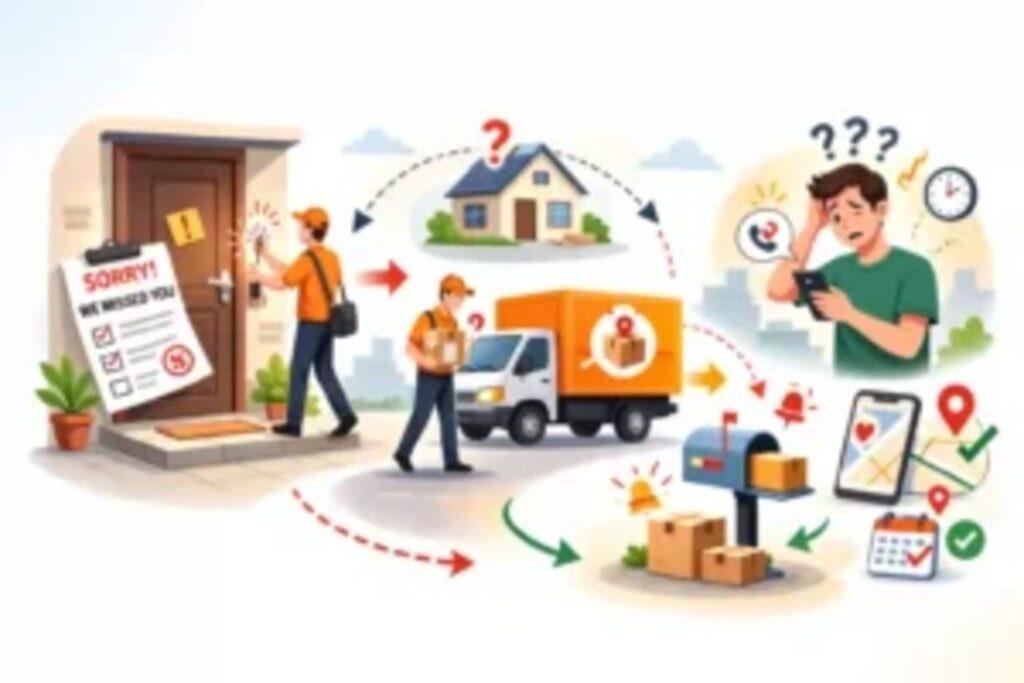
You check your tracking link expecting to see “Out for Delivery.” Instead, it says “Delivery Attempted.” No doorbell rang. No package is outside. Now you’re wondering what happened. If you’ve ever searched what does delivery attempted mean, you’re not alone. This status update creates confusion, frustration, and sometimes urgency, especially when the shipment is time-sensitive. At Bearcat Express, we regularly speak with customers who feel uncertain after seeing an attempted delivery notice. In this guide, you’ll get a clear, honest explanation of what this status actually means, why it happens, what to do next, and how to avoid a missed delivery in the future. What Does Delivery Attempted Mean? Why It Happens and What You Should Do   In simple terms, delivery attempted means a driver tried to deliver your package but could not complete the delivery at that time. It does not automatically mean the shipment is lost. It usually indicates that the driver was unable to hand over the package due to access, availability, or delivery requirements. At Bearcat Express, we often help customers understand this status and ensure that missed deliveries are resolved quickly and efficiently, whether through rescheduling or secure pickup options. Snippet-ready definition (clear and direct): Delivery attempted means a courier arrived to deliver your package but was unable to complete the drop-off due to access issues, signature requirements, or recipient unavailability. The carrier will usually schedule another delivery attempt or hold the package for pickup. Does It Mean the Driver Actually Came? Most of the time, yes. A delivery attempt typically reflects that the package was physically routed for delivery. However, there are rare operational cases where a scan occurs before a full attempt is completed. We’ll address that transparently later in this guide. Why Does My Package Say Delivery Attempted? There are several legitimate reasons a delivery attempt may not be successful. Understanding them helps reduce frustration and sets realistic expectations. Nobody Was Available to Receive the Package One of the most common reasons is that the authorized recipient was not available at the time of delivery. This happens when: A signature is required The package requires an adult signature A business location was closed Someone needed to physically accept the shipment If no one answers the door or if a required signer isn’t present, the courier cannot complete the delivery. In that case, the status updates to attempted delivery. Access Issues Even if you’re at home, access barriers can prevent completion. Examples include: Gated communities without access codes Locked apartment buildings Security desks that deny entry Dogs on the property “Do Not Disturb” instructions without alternatives In these cases, the courier may mark the shipment as a missed delivery because they couldn’t physically reach you. Incorrect or Incomplete Address Address errors cause more delivery failed notices than most people realize. Common problems include: Missing apartment or suite numbers Incorrect ZIP code Wrong building number Outdated business address Even small formatting issues can prevent accurate routing. When the location cannot be verified, a delivery attempt may be recorded as unsuccessful. Operational or Routing Constraints Couriers work within delivery windows and route limitations. Sometimes operational factors lead to an attempted delivery status, including: Severe weather Safety concerns End-of-day cutoffs Unexpected route delays These situations are less common but do occur, especially during high-volume shipping periods. What Happens After a Delivery Attempt? Seeing “delivery attempted” raises the next obvious question: what now? Here’s what typically happens after a failed delivery. Will They Try Again? In most cases, yes. Carriers usually schedule another delivery attempt automatically. Policies vary, but many companies attempt delivery 1–3 times before returning the package to the sender. How Many Attempts Are Made? Standard practice across national carriers is: First attempt Second attempt (next business day) Final attempt before return After multiple missed delivery notices, the shipment may be held temporarily or sent back. Where Does the Package Go? If not delivered: It may stay on the truck for the next route It may return to a local distribution facility It may be held for pickup It may be returned to the sender after repeated failed delivery scans The timeline depends on the carrier and the shipment type. What Should You Do If Delivery Was Attempted? If you see an attempted delivery update, act quickly. Step 1: Check Tracking Details Look carefully at the full tracking information. Some carriers include notes like “authorized recipient was not available” or “access denied.” Step 2: Look for a Delivery Notice Drivers sometimes leave physical notices with instructions for redelivery or pickup. Step 3: Contact the Carrier If the tracking message is unclear, reach out directly. Ask whether another delivery attempt is scheduled. Step 4: Schedule Redelivery Most carriers allow you to select: A specific day A delivery window A hold-for-pickup option Step 5: Arrange Pickup If Needed If timing is urgent, picking up the package directly may be faster than waiting. Does Delivery Attempted Mean They Will Come Back? Not automatically in every case, but usually yes. Most carriers attempt delivery again within one or two business days. However, high-value or signature-required shipments may require you to actively schedule redelivery. If multiple missed delivery events occur, the package could be returned. Always monitor tracking updates closely. Why Does Tracking Say Delivery Attempted But No One Came? This is one of the most frustrating situations customers experience. There are several honest possibilities: The Driver Couldn’t Access the Property You may have been home, but if the courier couldn’t enter a gate or building, the scan reflects an attempted delivery. Incorrect Scan Rarely, a package may be scanned prematurely due to route sequencing. These cases are typically corrected quickly. Early Scan Before Attempt In some high-volume environments, scanning occurs before the physical drop-off is finalized. If delays happen afterward, the system may already show attempted delivery. Miscommunication Sometimes the note “authorized recipient was not available” appears even if someone was home, but no one responded to knocking, doorbells, or call instructions. Transparency matters here. Not every

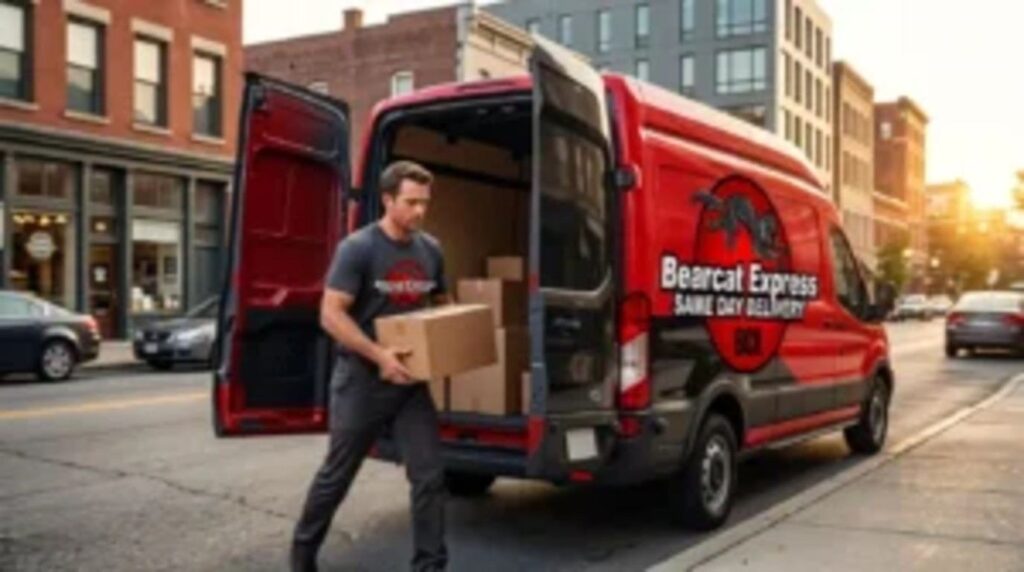
Bearcat Express courier loading packages into a same-day delivery van on a city street, illustrating the difference between same-day delivery and express delivery.
Delivery

Same Day Delivery vs. Express Delivery: What’s the Difference?

Same Day Delivery vs. Express Delivery confuses more business owners than it should, since both sound urgent and both cost more than standard shipping. When a shipment absolutely has to arrive today, the exact wording on a shipping menu suddenly matters.  At Bearcat Express, clients often assume “express” automatically means “today,” only to find out it does not. Same-day service guarantees arrival before the business day ends, while express delivery simply moves faster than standard shipping over a wider distance. Knowing this difference, along with where next-day delivery fits in, helps you avoid overpaying or missing a real deadline. Quick Answer: Same-Day vs. Express Delivery at a Glance Same-day delivery means a courier picks up and delivers your item within the same calendar day, usually within a fixed local or regional area. Express delivery means faster-than-standard shipping, typically arriving in one to three business days over a much wider geographic range. The short version: same-day trades distance for speed, while express trades some speed for reach. What Is Same-Day Delivery?   If you are asking what is same day delivery, the answer is direct: it is a shipping service where a courier picks up your item and delivers it before that same business day ends. Businesses that call Bearcat Express asking what same-day delivery is are usually surprised at how simple the underlying process actually is once the cutoff-time piece is explained. The same day delivery meaning is literal. There is no overnight stop, no multi-day transit window, and no waiting for a delivery date days later. How Does Same Day Delivery Work? Understanding how does same day delivery work explains why the service is almost always local or regional rather than national. A dispatcher assigns a courier as soon as a request comes in, that courier drives directly to the pickup location, and the package moves straight to the recipient without stopping at a sorting facility. Because there is no hub-to-hub handoff, the entire trip happens inside one continuous route, which is what makes same-day service both fast and more expensive per mile than standard shipping. Typical Delivery Window Most same-day deliveries complete within two to eight hours of pickup, depending on distance and traffic conditions. Some requests placed early in the day can be completed in under two hours, while requests near the end of business hours may still qualify as same-day but with a tighter window. Best Use Cases Same-day service fits situations where a delay of even one day creates a real problem: a signed contract that must reach an office before a closing deadline, a medical sample that has a narrow testing window, or a retail shelf that is empty and losing sales every hour it stays that way. Industries That Rely on Same-Day Delivery Law firms, medical offices, auto parts suppliers, manufacturers running just-in-time production lines, and retail stores managing daily inventory gaps are among the most consistent users of same-day courier service. For businesses operating in the Augusta area, a dedicated Same Day Delivery Service Augusta GA removes the guesswork of coordinating a same-day route on your own. What Is Express Delivery?   If you are wondering what is express delivery, it generally refers to expedited shipping that moves faster than standard ground service but does not guarantee arrival on the same day it ships. Many people also search what express delivery is, expecting a same-day answer, and that mismatch is exactly where confusion starts. How National Carriers Handle Express Delivery Large national and international carriers route express shipments through centralized sorting hubs. A package is collected, scanned, sorted by destination, transported by air or ground, and then handed off for final delivery. This hub-based model is efficient at scale, which is why express service works well across long distances, but it also means a package sits inside a shared network rather than moving in a direct line the way a same-day courier does. Transit Timelines Express shipments typically arrive overnight or within one to three business days, depending on origin, destination, and the carrier’s cutoff schedule. Weather delays, high shipping volume, and remote delivery addresses can extend that window even when a shipment is labeled express. Domestic vs International Scope Express service is built for reach rather than immediacy. It works well for cross-state shipments, international deliveries, e-commerce fulfillment, and any shipment that is time-sensitive but not urgent enough to require dispatch within the hour. What About Next-Day Delivery? Where It Fits In Next-day delivery sits between same-day and express, and it gets confused with both. Next-day delivery guarantees arrival by the end of the following business day, which is faster than most standard express windows but not as immediate as same-day service. How Next-Day Differs From Both Same-day service skips overnight processing entirely. Express service may or may not include an overnight leg depending on distance. Next-day delivery is built around one specific overnight cycle: a package collected today with a scheduled arrival tomorrow, and nothing sooner. When Next-Day Is the Smarter Choice Next-day delivery makes sense when a shipment is genuinely important but does not need to move within hours. A business restocking non-critical inventory, sending signed paperwork that is due tomorrow rather than today, or shipping a replacement part that has a full day of slack in the schedule is often better served by next-day service than by paying a same-day premium it does not actually need. Order Cutoff Times: Why They Decide Everything Every one of these services runs on a cutoff time, and that cutoff is often the real deciding factor rather than the service name on the label. A same-day request placed at 9 AM has a completely different set of options than the identical request placed at 3 PM. Once a courier company’s same-day cutoff has passed for a given route, the honest answer is that same-day is no longer possible for that shipment, and the choice shifts to next-day or express instead. This is one of the most overlooked parts of choosing a

Difference Between In Home Delivery and Doorstep Delivery
Courier, Delivery

What is the Difference Between In Home Delivery and Doorstep Delivery?

When ordering a new appliance, furniture, or high-value item, you often face two choices at checkout: in-home delivery or doorstep delivery. While the decision may seem simple, it can greatly affect cost, convenience, safety, and the overall experience. Understanding the Difference Between In Home Delivery and Doorstep Delivery helps prevent unexpected fees, delays, or handling issues. Many customers assume both services are the same, but they differ in key ways.  At Bearcat Express, we guide customers on timing, safety, and service options. This guide covers what inside delivery means, how doorstep delivery works, cost factors, and safety considerations. What Is In-Home Delivery?   In-home delivery, often referred to as inside delivery, means the delivery team brings your item inside your residence or business, rather than leaving it outside.  If you’ve ever wondered what does inside delivery mean or searched for inside delivery meaning, the answer is straightforward: the carrier physically enters the property and places the shipment in a specified room. At Bearcat Express, we ensure each in-home delivery is handled carefully, providing professional placement and reliable service for every customer. How In-Home Delivery Works (Step-by-Step) Delivery is scheduled within a specific time window. The team arrives and confirms access conditions. The item is carried inside to a designated room. Depending on the service level, unpacking or basic assembly may occur. Packaging debris may be removed. Common Industries Using In-Home Delivery Furniture retailers Appliance companies Medical equipment suppliers Fitness equipment distributors This type of delivery from a home setup is ideal for heavy, bulky, or high-value items that require placement rather than simple drop-off. Main Features of In-Home Delivery Inside placement Room-of-choice delivery Unpacking Basic assembly Packaging removal Signature confirmation (if required) When customers ask what is inside delivery, it’s essentially a premium logistics service designed to reduce physical strain and ensure professional handling. What Does Doorstep Delivery Mean? Doorstep delivery is the more common and streamlined option. The carrier delivers the package to the exterior entrance of the home or building. Typical drop-off points include: Front door Porch Lobby Gate Garage entrance (if accessible) In this model, once the package reaches the doorstep, responsibility generally transfers to the recipient. What Doorstep Delivery Does NOT Include No entry inside the property No assembly or installation No packaging removal Limited post-drop-off liability Doorstep delivery is widely used in e-commerce because it’s efficient, scalable, and cost-effective. When comparing the Difference Between In Home Delivery and Doorstep Delivery, the physical entry point of the carrier is the core distinction. Side-by-Side Comparison Feature In-Home Delivery Doorstep Delivery Delivery Location Inside the home Outside the door Setup Included Usually included Not included Cost Higher Lower Best For Large/heavy items Small/standard parcels Time Required Longer Faster Customer Presence Often required Sometimes optional This comparison highlights the operational and cost differences clearly. Cost Differences One of the most noticeable aspects of the Difference Between In-Home Delivery and Doorstep Delivery is pricing. Why In-Home Delivery Costs More Additional labor (two-person teams) Liability coverage for entering property Equipment such as dollies and floor protection Scheduling coordination Risk mitigation procedures In many markets, in-home delivery can cost 20–50% more than standard doorstep service, depending on weight and service complexity. When Paying More Makes Sense Heavy appliances requiring installation Large furniture pieces Customers with mobility limitations Fragile, high-value equipment For everyday parcels or time-sensitive shipments, doorstep delivery often provides better value. You may also read: What is the Difference Between Service Fee and Delivery Fee? Safety & Liability Considerations Safety and accountability play a major role in choosing the right service. Insurance & Coverage Inside delivery generally carries higher insurance coverage because the carrier enters private property. Signature Requirements In-home delivery almost always requires a signature. Doorstep delivery may offer optional confirmation. Risk of Theft Packages left at the doorstep can be vulnerable to theft or weather exposure. This is a common concern in residential neighborhoods. Contactless Delivery Doorstep delivery supports contactless options easily, which became especially important during health-related restrictions. Real-time tracking and confirmation processes help reduce uncertainty for both delivery models, providing full visibility from dispatch to completion. Advantages of In-Home Delivery Maximum convenience Reduced lifting risk Professional placement Ideal for elderly or mobility-restricted customers Higher perceived service quality If you’ve ever received a heavy refrigerator or sectional sofa, you understand why inside delivery matters. Disadvantages of In-Home Delivery Higher cost Requires scheduling coordination Delivery windows may be broader Access restrictions may apply Customers must ensure clear pathways and safe entry conditions. Advantages of Doorstep Delivery Lower cost Faster turnaround Easier to scale for businesses Ideal for urgent shipments For example, businesses in Augusta often rely on Same Day Delivery Service Augusta, GA to move time-sensitive products efficiently through doorstep delivery. This approach allows rapid dispatch without the operational complexity of interior placement. Disadvantages of Doorstep Delivery Risk of theft No setup assistance Customer is responsible after drop-off Not ideal for large or heavy items Understanding the inside delivery meaning compared to standard drop-off prevents unrealistic expectations. How to Choose the Right Delivery Option 1. Consider Your Product Type Weight Size Fragility Assembly requirements Large items almost always justify inside delivery. 2. Understand Your Target Audience Are they mobility-limited? Do they prioritize convenience? Is budget sensitivity a concern? Businesses offering premium products often include inside delivery to enhance customer satisfaction. 3. Evaluate Operational Capability If you’re a business owner: Do you have trained staff? Adequate insurance? Proper lifting equipment? Not every courier provider supports in-home logistics. 4. Start Simple and Optimize Many businesses begin with doorstep delivery and later add inside delivery as a premium upgrade option. Impact on Businesses & Logistics The Difference Between In-Home Delivery and Doorstep Delivery also influences: Customer satisfaction ratings Return rates Damage claims Operational margins Retailers selling high-ticket items typically integrate in-home delivery to improve brand perception. Meanwhile, companies focused on volume and speed often prioritize doorstep delivery. Local courier providers, such as Bearcat Express, help businesses strike a balance between speed, safety, and cost by offering flexible delivery solutions tailored to

What to Include in a PR Package
Delivery

What to Include in a PR Package?

A small skincare brand in Augusta has three days to get a press box to a local journalist before a feature deadline. It needs to look good, arrive intact, and land before the story goes to print. Show up a day late, and the coverage window closes. Knowing what to include in a PR package is only half the job. The other half is making sure it gets there while it still matters. At Bearcat Express, we see this pattern often. Businesses spend weeks perfecting the contents of a public relations package, then treat the shipping decision as an afterthought, and that is usually where the plan falls apart. What Are PR Packages, Really   If you search “what are PR packages,” most answers describe a curated box of products and branded materials sent to influencers, journalists, or media contacts to build brand awareness. That is accurate, but it only covers the contents. In practice, a PR package is a small, timed logistics operation. You are coordinating product selection, packaging design, and delivery timing around someone else’s publishing schedule, not your own. Understanding what is a PR package this way, and not just a box of free samples, changes how you plan one. It is not simply “what do we put in the box?” It is “what do we put in the box, and how do we make sure it arrives while it still matters?” That single shift in thinking is what separates a package that gets a mention from one that gets ignored. Media Kit vs Influencer Box: What Actually Changes Inside the Box One detail that gets skipped in most guides is that a public relations package is not a single format. What goes inside depends heavily on who is opening it. A journalist or editor is working against a deadline and usually pitching multiple stories at once. They need facts they can use without chasing you down: product specs, pricing, availability dates, high-resolution images, and a clear contact for follow-up questions. A press kit built for this audience should read like a reference document, not a gift. An influencer or content creator is thinking about the unboxing experience first and the product details second; presentation, personalization, and a story worth filming matter more here than a spec sheet. The same box sent to both audiences usually underperforms with one of them, because the priorities are different. Element Media Kit (Journalist) Influencer Box (Content Creator) Main focus Fast, usable facts Presentation and story Personal note Brief, references their beat or recent coverage Longer, personal, ties to their content style Extra materials Spec sheet, pricing, high-res images Branded props, theme elements Follow-up Direct line to a media contact Tag or hashtag request This split is part of the pr package, meaning that most guides skip it. Before you build a public relations package, decide which audience it is for. Trying to serve both with one generic box is one of the most common reasons a well-intentioned package underperforms. What Goes Inside: The Non-Negotiables Regardless of which audience you are packing for, a few core components show up in almost every well-built package. The hero product. This is the item you actually want people talking about. Everything else in the box should support it, not compete with it. If you are launching one flagship product alongside smaller add-ons, the layout should make it obvious which one is the star. A personal note. A short, specific message that references the recipient’s actual work goes further than generic marketing copy. Journalists and influencers receive dozens of packages a month, and a note that shows you did your homework is often the difference between a package that gets opened with interest and one that gets set aside. A media kit or product guide. This includes brand background, product specs, high-resolution images, and any data point a writer might need without having to email you for it. If a journalist has to ask for basic facts, you have already added friction to a process that should be effortless for them. A clear call to action. State plainly what you are hoping happens next, whether that is a review, a mention, or a tagged post. Recipients are more likely to follow through when the ask is specific rather than implied. Exclusive or time-sensitive content. If there is an embargo date, a first-look detail, or a piece of information not yet public, say so directly and give an exact date and time. Ambiguous embargo language is one of the fastest ways to lose a journalist’s trust. Branded extras. Small, relevant additions like a card, a sticker, or packaging that reflects your brand colors and tone. These should round out the experience, not overshadow the hero product. What to Include by Product Category What belongs in the box also shifts depending on what you are shipping. A packing list built for cosmetics will not protect a candle, and a tech accessory needs different documentation than a food item. Here is a quick reference built from the categories we ship most often for local businesses. Category Key Items to Include Packaging Concern Shipping Consideration Beauty and cosmetics Hero product, ingredient card, shade or usage guide Glass and liquid containers shift easily Cushioning matters more than box aesthetics Food and beverage Product, ingredient or allergen card, storage instructions Temperature sensitivity, spoilage risk Same-day delivery avoids extended transit time Tech and electronics Product, spec sheet, charging cable if needed Static and impact protection Signature confirmation reduces loss risk Apparel Product, size chart, styling note Wrinkling and moisture exposure Flat packaging holds up better in transit Home goods and candles Product, care instructions, brand story card Fragile glass or ceramic elements Direct routing limits handling touchpoints This is the part most guides never mention: the packaging decision and the shipping decision should be made together, not separately. A box built for the shelf does not always survive the trip. Inside a Same-Day PR Package Dispatch Here is what actually happens

How much does it cost to ship a skateboard
Delivery

How Much Does It Cost to Ship a Skateboard? 2026 Price Guide

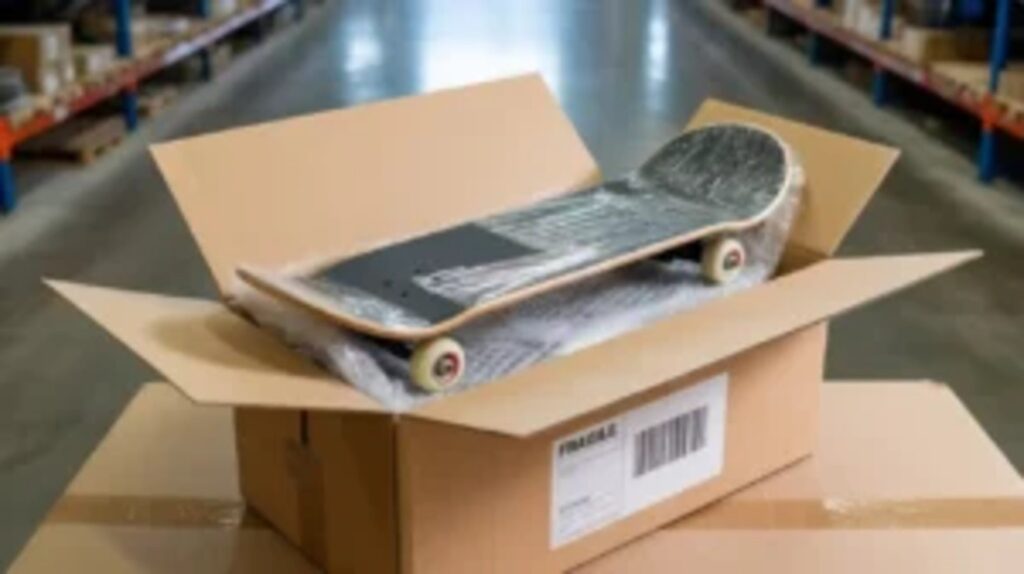
You measure the board, guess a box size, and expect a ten-dollar label. Then checkout shows double that, and you’re left wondering what happened. How much does it cost to ship a skateboard actually depends on a strange mix of length, weight, and awkward shape that most guides skim past.  At Bearcat Express, we quote oddly shaped local deliveries across Georgia and Alabama every week, so this guide breaks down the real numbers instead of the generic ones. Quick Answer: Average Cost to Ship a Skateboard A standard complete skateboard typically costs $10 to $25 to ship domestically via ground service, with expedited options running $30 to $55. Longboards and electric boards run higher because of added length and weight, often landing between $25 and $70 depending on distance and speed. Key Takeaways Length drives cost more than weight, because of oversize surcharges Disassembling the board before boxing almost always lowers the price Electric skateboards cost more because of battery handling rules Local same-day delivery skips carrier zones and prices by distance instead How Skateboard Shipping Cost Is Actually Calculated   Before comparing carriers, it helps to understand the math behind the number on your label. Dimensional Weight vs Actual Weight (With the Exact Formula) Carriers bill whichever is higher: the scale weight or the dimensional weight calculated from your box size. The formula is simple: Length × Width × Height (in inches), divided by a dimensional factor, usually 139 for domestic shipments. Worked Example: Calculating Your Skateboard’s Billable Weight Take a box measuring 33 × 10 × 5 inches. Multiply those numbers and you get 1,650 cubic inches. Divide by 139 and you land on roughly 12 pounds of dimensional weight, even though the board itself might weigh half that. Why Awkward Shape Adds Cost Carriers Don’t Advertise A 32-inch deck with wheels sticking out doesn’t fit the compact boxes carrier pricing is built around. That length alone often triggers an additional handling fee, separate from the dimensional weight charge, which is why first-time shippers get caught off guard. Key Factors That Affect Skateboard Shipping Cost A handful of variables decide the final price before you ever print a label. Package Weight How much does a skateboard weigh once it’s boxed? A complete deck with trucks and wheels usually comes in between 6 and 9 pounds packed. The mass of a skateboard varies with deck material and hardware, so a maple deck with metal trucks weighs noticeably more than a lightweight composite setup, which affects how much does a skateboard weight once padding and the box are added. Box Size & Dimensions Most skateboard boxes run 32 to 34 inches long, longer than the standard length carriers price around by default. That extra length is frequently what pushes a shipment into a pricier bracket. Shipping Distance & Zones National carriers price by distance zones. Moving an identical box from a nearby zone to a cross-country one can add $8 to $15 to the base rate. Delivery Speed & Service Level Ground service stays cheapest when timing is flexible. Expedited two-day service typically runs 50 to 90 percent above ground pricing for the same box, and overnight climbs even higher. Board Type & Width: Which Box Size Fits Your Setup Board Type Typical Length Packed Weight Domestic Shipping Range Street/Popsicle Decks 28 to 32 in 6 to 8 lbs $10 to $20 Cruisers & Mini Cruisers 22 to 29 in 5 to 7 lbs $9 to $16 Longboards 36 to 46 in 7 to 10 lbs $20 to $35 Electric Skateboards 36 to 42 in 14 to 20 lbs $35 to $65 How to Measure Your Skateboard for Shipping Getting the measurement right the first time avoids a return trip to the post office with a bigger box. Measuring Length, Width & Height (Nose-to-Tail) Measure nose to tail for length, the widest point of the deck or the outer wheel edges for width, and floor to the highest point of the trucks for height. Record all three before choosing a box. Common Measuring Mistakes That Inflate Cost Rounding up “just in case” is the most common mistake, since even one extra inch on each side can bump you into a heavier dimensional weight bracket. Measuring with the trucks and wheels off, then shipping assembled, is another frequent error that leads to an undersized box and last-minute repacking. Carrier-by-Carrier Price Comparison for Skateboards Rates vary more between service levels than most sellers expect. Ground, Expedited & Same-Day Rate Table Service Level Typical Cost Delivery Window Ground (USPS/UPS/FedEx) $10 to $25 3 to 7 business days Expedited (2-day) $30 to $50 1 to 2 business days Overnight $45 to $70+ Next business day Local Same-Day Courier Priced by distance Same afternoon Carrier Size & Weight Limits (When It Becomes a Freight Shipment) Once a package crosses roughly 108 inches in combined length and girth, or exceeds standard parcel weight limits, carriers reclassify it as freight, which uses a completely different pricing model. This mostly affects bulk shop orders or crated longboard setups rather than a single complete board. How Packaging Impacts Your Shipping Cost Assembled vs Disassembled Skateboard Shipping fully assembled locks in a long, narrow box that almost always triggers length surcharges. Removing the trucks and wheels lets the deck sit flatter, often dropping the shipment into a cheaper bracket entirely. Choosing the Right Box Size A box with an inch or two of clearance around the deck keeps dimensional weight in check. Oversized boxes with extra void space add cost without adding protection. Can You Reuse the Retail Box? (FAQ) You can use the original retail box as an inner layer, but place it inside a sturdier outer shipping box. Retail packaging isn’t built for carrier handling conditions and tends to arrive dented or crushed on its own. Box Strength & Protective Packing Materials Double-wall corrugated boxes hold up far better than single-wall boxes for a deck this long. Reinforcing the nose and tail corners with extra cardboard prevents

Difference Between Shipping Pickup and Delivery
Delivery

Difference Between Shipping, Pickup and Delivery Services

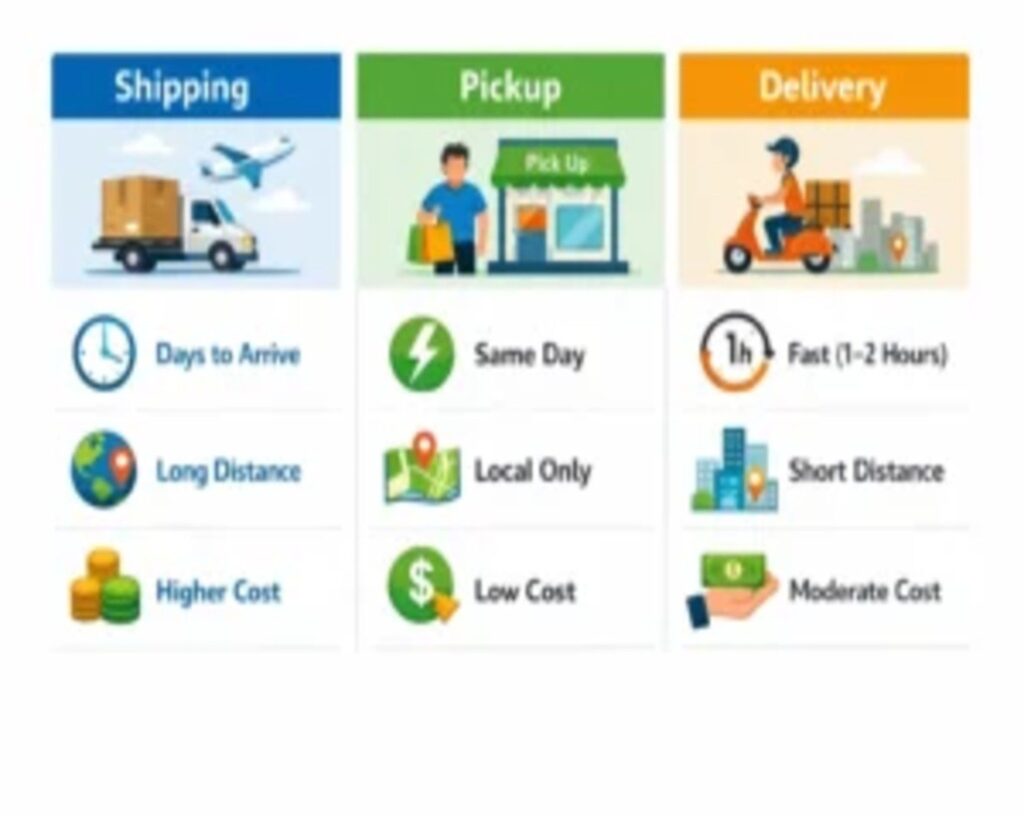
In today’s fast-moving commerce and logistics landscape, customers expect clarity, speed, and reliability. Yet one of the most common points of confusion remains the difference between shipping pickup and delivery services. These terms are often used interchangeably, but in reality, they describe very different stages and responsibilities within the logistics process. Understanding these differences helps businesses reduce costs, set accurate customer expectations, and choose the right service for every order. For local businesses, retailers, and e-commerce sellers, this distinction is not just educational it directly affects operations and customer satisfaction. Companies like Bearcat Express, which focus on local pickup and delivery solutions, see this confusion daily and understand why clear explanations matter. What Do Shipping, Pickup, and Delivery Really Mean?   Before comparing these services, it is important to define them clearly. Many people search for questions like what does shipping mean in delivery or what the difference between shipping and delivery, which shows how blurred these terms have become. Shipping Explained in Simple Terms Shipping refers to the transportation of goods over longer distances, often between cities, states, or countries. It usually involves large carriers such as USPS, UPS, FedEx, or freight companies. When people ask about the difference between ship and delivery, shipping is the broader, long-haul movement of goods from one hub to another. In simple language, shipping answers the question: How does the package travel from the seller’s region to the destination region? What Is a Pickup Service? A pickup service is the first physical step in many logistics operations. It involves collecting a package from the sender’s location, such as a store, warehouse, office, or distribution center. This is especially important in a pickup and delivery business, where efficiency starts at the pickup stage. When customers debate pick up or delivery, pickup refers specifically to collecting the item, not transporting it to the final recipient. What Is a Delivery Service? Delivery is the final step in getting a package to its destination. To define service delivery in logistics terms, it is the act of transporting an item from a local hub or warehouse to the end customer. This stage directly impacts customer satisfaction because it is the only part that the recipient physically experiences.  For local businesses, companies like Bearcat Express focus specifically on this last-mile stage, ensuring timely, secure, and well-documented deliveries. Understanding the difference between shipping pickup and delivery services starts with recognizing that delivery is not shipping; it is the last-mile completion of the order. Where Each Service Fits in the Logistics Process Seeing how these services connect helps explain why each one exists and who is responsible for it. End-to-End Flow: Order \ Pickup \ Shipping \ Delivery Most logistics processes follow a predictable flow: An order is placed The item is collected through pickup The item is transported via shipping (if long-distance) The item reaches the customer through delivery Not every order includes all steps. Local courier jobs, for example, may involve only pickup and delivery with no traditional shipping. Who Handles Each Step? (Sender, Carrier, Courier) Sender prepares the package and requests service Shipping carriers handle long-distance transportation Couriers handle local pickup and delivery This division of responsibility explains what the difference between shipping and delivery really is from an operational standpoint. You may also read: What Is Scheduled Delivery, and How Does It Work? Shipping Services Explained (Long-Distance Focus) Shipping plays a critical role in national and international commerce, but is often misunderstood at the local level. How the Shipping Process Works Shipping typically includes: Label creation Transfer to a carrier hub Sorting and routing Transit between facilities Hand-off for final delivery This is why many customers wonder what does shipping mean in delivery because delivery often appears as part of shipping, even though it is a separate function. Common Shipping Methods (Ground, Air, Freight) Ground shipping for standard timelines Air shipping for faster transit Freight shipping for pallets or oversized items Each method affects cost, speed, and handling requirements. Shipping Timelines and Limitations Shipping is efficient for distance, not urgency. Delays due to weather, customs, or volume are common. It is also less flexible for same-day needs. It is important to note that Bearcat Express does not provide long-distance shipping services. Instead, the company specializes in local pickup and delivery, where speed and reliability matter most. Pickup Services Explained (Local & On-Demand) Pickup services are the foundation of fast local logistics and are essential for modern businesses. What Happens During a Pickup Service A pickup service includes: Scheduling a pickup time Driver arrival at the sender’s location Secure handoff of the package Immediate routing to delivery or processing This process is central to on demand pickup and delivery models. Types of Pickup Services On-Call Pickup Ideal for urgent or unpredictable needs. Scheduled Pickup Useful for businesses with regular dispatch times. Retail / Big Box Store Pickup Common for retailers managing overflow orders or local fulfillment. This is where services like Big Box Store Pick Up Augusta, GA, become especially valuable for local businesses. Businesses That Benefit Most from Pickup Services Retail stores Medical offices Law firms E-commerce sellers Local manufacturers For anyone researching how to start a pickup and delivery service, understanding these use cases is essential. Delivery Services Explained (Speed & Reliability) Delivery is where promises are kept or broken. What Delivery Means in Modern Logistics To define service delivery accurately, it means completing the order by placing the item in the recipient’s hands safely and on time. Delivery quality directly affects reviews, repeat business, and brand trust. Local vs Same-Day vs Scheduled Delivery Local delivery for short distances Same-day delivery for urgent needs Scheduled delivery for planned operations These options highlight the difference between shipping, pickup, and delivery services, especially in terms of speed and flexibility. Proof of Delivery, Signatures, and Notifications Modern delivery includes: Digital signatures Photo confirmation Real-time notifications These features reduce disputes and increase transparency. Shipping vs Pickup vs Delivery (Side-by-Side Comparison) Comparison by Speed, Distance, Cost, and Use Case Feature

What is Scheduled Delivery
Delivery

What Is Scheduled Delivery, and How Does It Work?

If you have ever watched a tracking page change to “scheduled for delivery” and wondered what that means for your afternoon, you are not alone. What is scheduled delivery, in plain terms? It means your pickup, transit, and drop-off times are agreed on in advance, instead of leaving you guessing when a driver might show up.  At Bearcat Express, we treat that agreement as a promise, not a rough estimate, because a delivery landing on the wrong day creates more work than the one it was meant to save. Quick Answer Scheduled delivery means a courier locks in a specific date and time window for pickup, transit, and drop-off before the shipment ever leaves the building. It differs from same-day and on-demand delivery because the window is planned around a route, not requested on the spot. Here is exactly how that window gets built, tracked, and occasionally missed. What Is Scheduled Delivery, in Plain Terms   At its core, scheduled delivery means the pickup, transit, and drop-off times are set ahead of time rather than left open to whenever a route happens to reach your address. The scheduled delivery meaning that matters most in practice is the agreement itself, made either between a business and its courier or directly between a customer and the delivery provider at the time of booking. The gap between what people expect and what actually gets promised is where delivery scheduled commitments matter most. If your order shows a window of 1 to 4 p.m. on Thursday, that window reflects a route a dispatcher has already planned around, not a placeholder pulled from an app. For businesses moving time-sensitive items such as legal filings, medical specimens, or same-day retail orders, that distinction is not a minor convenience. It is the entire reason they choose a scheduled service over standard shipping in the first place. How Scheduled Delivery Works, Step by Step Most explanations of scheduled delivery stop at the definition. Here is what actually happens between the moment you request a delivery appointment and the moment your package lands at your door. Step one: the request comes in. A customer or business submits a pickup request and specifies a preferred delivery window, either through an online booking form or a direct call to dispatch. Step two: the window gets checked against the route. This is the part most people never see. A dispatcher does not simply confirm whatever time you typed into a form. They check pickup location, destination, current route density for that day, and available staffing before they lock in the window. Step three: the window is confirmed, and the stop gets slotted into a route. Once a window is realistic, it is built into a driver’s sequence of stops for the day. This is the point where your delivery appointment schedule becomes a live commitment rather than a placeholder. Step four: the package moves through pickup, transit, and drop-off inside that window. The status updates you see on a tracking page reflect each of these stages, which is exactly why the next section matters as much as it does. What “Scheduled for Delivery” Actually Means on a Tracking Page This is one of the most common questions people search for, and for good reason. Seeing “scheduled for delivery” appear during scheduled delivery tracking tends to raise more questions than it answers. What “scheduled for delivery” means in practice is simpler than it looks: the package has cleared sorting or dispatch and has been assigned to a specific route and time window, either later that day or on a future date. It does not mean the item is loaded on the truck yet. It means a plan exists for it to be on the truck. People often ask what “scheduled for delivery” means when the status has not moved in several hours. In most cases, that is normal, since routes get built in batches and a stop near the end of a driver’s sequence will not show movement until the truck gets closer to that window. Good scheduled delivery tracking should separate the planning stage from the active transit stage clearly, so customers are not left guessing between “scheduled” and “actually moving.” Inside a Regional Dispatch Desk: How a Delivery Window Gets Built Most articles on this topic describe scheduled delivery from the outside. Here is what it looks like from the dispatch side, where the actual decisions get made. At Bearcat Express, this is the part of the job that never shows up on a tracking page but decides whether the window holds. Picking a Realistic Time Slot, Not Just Available A booking system does not just check whether a slot is open. A dispatcher looks at pickup location, destination, current route density, and staffing for that day before confirming a window. In a tighter downtown area, a two-hour slot is usually workable. Out toward rural stretches in surrounding counties, that same window has to widen, because drive time between stops eats into the schedule fast. Solving the Nine A.M. Problem Here is a scenario that plays out constantly. Five customers in different parts of town all want a 9 a.m. delivery. Only one of them can realistically get it first, and the other four need a window that still feels tight without breaking the route. An experienced dispatcher resolves this before the driver ever leaves the building, usually by offering the earliest slots to stops that sit along the most efficient path and pushing others to slightly later windows that still meet the commitment made at booking. What Happens When a Route Gets Disrupted Mid-Day A locked gate, a wrong suite number, or a customer who stepped out five minutes before the driver arrived can throw off every stop behind it. A good dispatch desk does not just let the rest of the day slide. They recalculate the remaining windows in real time and, if a slot is genuinely at risk, contact the customer before the window closes instead of

Scroll to Top