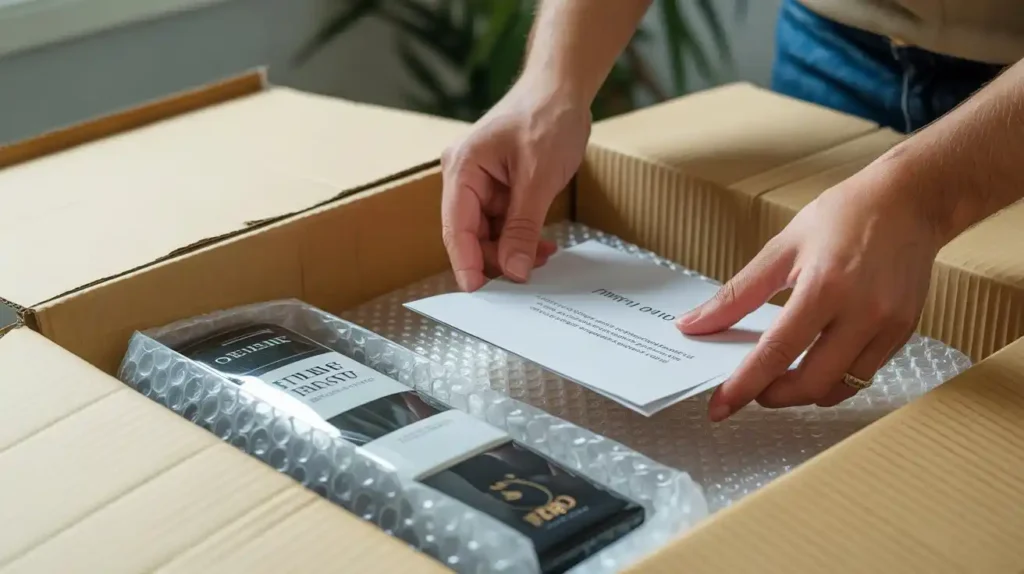
A small skincare brand in Augusta has three days to get a press box to a local journalist before a feature deadline. It needs to look good, arrive intact, and land before the story goes to print. Show up a day late, and the coverage window closes. Knowing what to include in a PR package is only half the job. The other half is making sure it gets there while it still matters.
At Bearcat Express, we see this pattern often. Businesses spend weeks perfecting the contents of a public relations package, then treat the shipping decision as an afterthought, and that is usually where the plan falls apart.
What Are PR Packages, Really
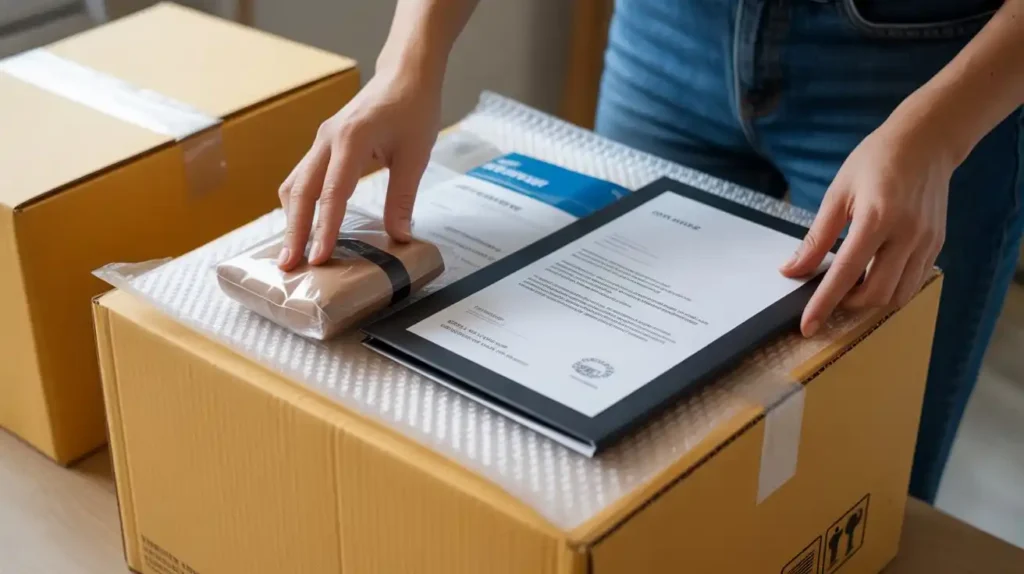
If you search “what are PR packages,” most answers describe a curated box of products and branded materials sent to influencers, journalists, or media contacts to build brand awareness. That is accurate, but it only covers the contents. In practice, a PR package is a small, timed logistics operation. You are coordinating product selection, packaging design, and delivery timing around someone else’s publishing schedule, not your own.
Understanding what is a PR package this way, and not just a box of free samples, changes how you plan one. It is not simply “what do we put in the box?” It is “what do we put in the box, and how do we make sure it arrives while it still matters?” That single shift in thinking is what separates a package that gets a mention from one that gets ignored.
Media Kit vs Influencer Box: What Actually Changes Inside the Box
One detail that gets skipped in most guides is that a public relations package is not a single format. What goes inside depends heavily on who is opening it.
A journalist or editor is working against a deadline and usually pitching multiple stories at once. They need facts they can use without chasing you down: product specs, pricing, availability dates, high-resolution images, and a clear contact for follow-up questions. A press kit built for this audience should read like a reference document, not a gift.
An influencer or content creator is thinking about the unboxing experience first and the product details second; presentation, personalization, and a story worth filming matter more here than a spec sheet. The same box sent to both audiences usually underperforms with one of them, because the priorities are different.
| Element | Media Kit (Journalist) | Influencer Box (Content Creator) |
| Main focus | Fast, usable facts | Presentation and story |
| Personal note | Brief, references their beat or recent coverage | Longer, personal, ties to their content style |
| Extra materials | Spec sheet, pricing, high-res images | Branded props, theme elements |
| Follow-up | Direct line to a media contact | Tag or hashtag request |
This split is part of the pr package, meaning that most guides skip it. Before you build a public relations package, decide which audience it is for. Trying to serve both with one generic box is one of the most common reasons a well-intentioned package underperforms.
What Goes Inside: The Non-Negotiables
Regardless of which audience you are packing for, a few core components show up in almost every well-built package.
The hero product. This is the item you actually want people talking about. Everything else in the box should support it, not compete with it. If you are launching one flagship product alongside smaller add-ons, the layout should make it obvious which one is the star.
A personal note. A short, specific message that references the recipient’s actual work goes further than generic marketing copy. Journalists and influencers receive dozens of packages a month, and a note that shows you did your homework is often the difference between a package that gets opened with interest and one that gets set aside.
A media kit or product guide. This includes brand background, product specs, high-resolution images, and any data point a writer might need without having to email you for it. If a journalist has to ask for basic facts, you have already added friction to a process that should be effortless for them.
A clear call to action. State plainly what you are hoping happens next, whether that is a review, a mention, or a tagged post. Recipients are more likely to follow through when the ask is specific rather than implied.
Exclusive or time-sensitive content. If there is an embargo date, a first-look detail, or a piece of information not yet public, say so directly and give an exact date and time. Ambiguous embargo language is one of the fastest ways to lose a journalist’s trust.
Branded extras. Small, relevant additions like a card, a sticker, or packaging that reflects your brand colors and tone. These should round out the experience, not overshadow the hero product.
What to Include by Product Category
What belongs in the box also shifts depending on what you are shipping. A packing list built for cosmetics will not protect a candle, and a tech accessory needs different documentation than a food item. Here is a quick reference built from the categories we ship most often for local businesses.
| Category | Key Items to Include | Packaging Concern | Shipping Consideration |
| Beauty and cosmetics | Hero product, ingredient card, shade or usage guide | Glass and liquid containers shift easily | Cushioning matters more than box aesthetics |
| Food and beverage | Product, ingredient or allergen card, storage instructions | Temperature sensitivity, spoilage risk | Same-day delivery avoids extended transit time |
| Tech and electronics | Product, spec sheet, charging cable if needed | Static and impact protection | Signature confirmation reduces loss risk |
| Apparel | Product, size chart, styling note | Wrinkling and moisture exposure | Flat packaging holds up better in transit |
| Home goods and candles | Product, care instructions, brand story card | Fragile glass or ceramic elements | Direct routing limits handling touchpoints |
This is the part most guides never mention: the packaging decision and the shipping decision should be made together, not separately. A box built for the shelf does not always survive the trip.
Inside a Same-Day PR Package Dispatch
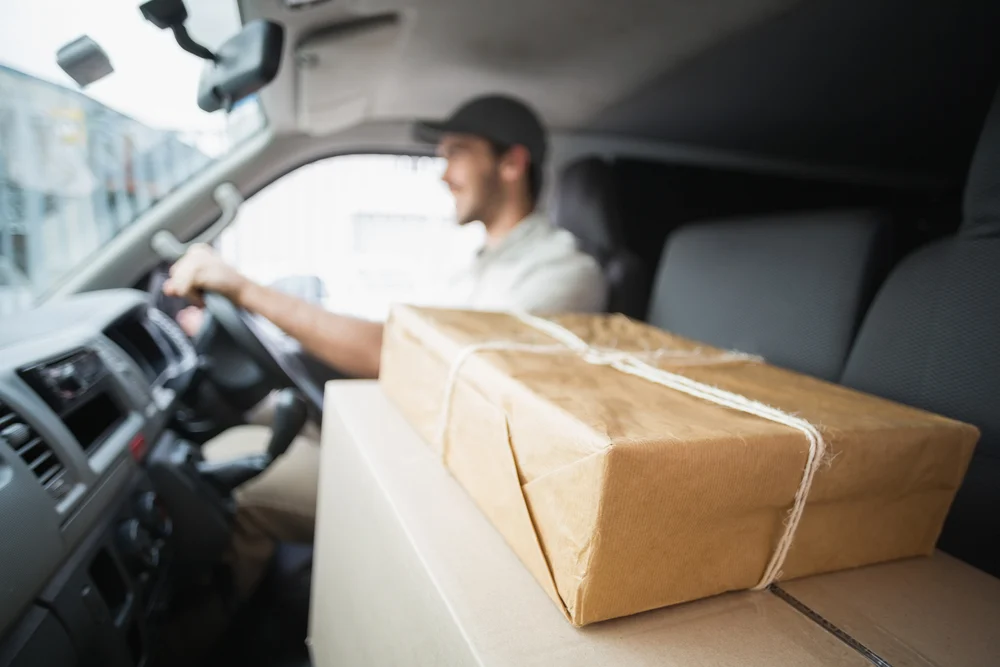
Here is what actually happens between the moment your PR package is sealed and the moment it lands on someone’s desk. When Bearcat Express handles a same-day pickup, a driver usually arrives within an hour or two of the booking, and the package gets a quick visual check for anything fragile or improperly cushioned, since PR boxes often carry glass, ceramics, or delicate branded materials packed for looks rather than transit. It is then scanned into a route built around the fastest reasonable path, factoring in traffic and any deadline the sender specified. A standard mail carrier routes packages through a regional sorting hub first. A local courier skips that hub entirely, which is why timing-sensitive press materials tend to hold up better this way.
Once it is out for delivery, the sender gets tracking visibility so that they can time a follow-up call or email right after the box lands. That detail is easy to overlook, but it is often what separates a package opened immediately from one that sits on a desk for a week.
Standard Mail vs Courier and Same-Day Delivery for PR Packages
| Factor | Standard Mail | Local Courier / Same-Day Delivery |
| Typical delivery window | 2 to 5 business days | Same day, often within hours |
| Handling of fragile items | Sorted through multiple hubs, higher risk | Direct route, minimal handling points |
| Delivery tracking | Basic tracking, limited real-time updates | Live tracking with precise arrival windows |
| Best suited for | Non-urgent, low-fragility packages | Time-sensitive launches, press events, fragile items |
| Follow-up timing | Harder to predict | Sender can plan follow-up around arrival |
Standard mail still works for a public relations package in some situations. If you are sending fifty boxes to influencers across the country with no hard deadline, mail is often the more practical and affordable choice. But if you are working with a tight press deadline, a local event, or a single high-priority recipient, the trade-offs above are worth weighing before defaulting to whatever shipping method is easiest. For businesses in the Augusta area sending time-sensitive press materials, our Same Day Delivery Service Augusta GA page walks through exactly how local same-day pickup and delivery works for situations like this.
Personalization and Presentation Tips
Presentation is where a package earns its unboxing moment, but personalization is what makes that moment feel genuine rather than staged. Reference something specific about the recipient’s recent work in your note, not a generic compliment, and use a consistent color scheme and packaging style that matches your brand identity so the box is recognizable before it is even opened. Keep the extras relevant. A cookware brand including a branded apron makes sense; an unrelated tech gadget does not.
Building the package around a small theme also helps, especially for influencer boxes. A seasonal tie-in or campaign message gives the recipient a reason to structure their content around your product instead of treating it as a generic sample drop, and it does not need to be elaborate to work. Small details add up. A recipient who feels the package was built specifically for them is more likely to open it promptly and follow through with coverage or a mention.
You may also read: How Much Does It Cost to Ship a Stuffed Animal?
When Timing Makes or Breaks Your Coverage
A PR package that arrives after a story has already been written is a wasted effort, no matter how well it was designed. Journalists and influencers work on schedules that rarely bend for a slow delivery. If a product review is tied to a launch date, a conference, or a seasonal trend, arriving even two or three days late can mean the coverage window has already closed.
This is why timing deserves the same level of planning as the contents of the box. Before you finalize a public relations package, confirm the recipient’s actual deadline, not just your own shipping preference. If there is any doubt about whether standard shipping will get there in time, a same-day or next-day local delivery option removes that uncertainty entirely.
Checklist: Before You Ship Your PR Package
Before you seal the box, run through this list.
- Hero product is clearly the focal point, with extras supporting rather than competing with it
- Personal note references something specific about the recipient
- Media kit or product guide includes background, images, and specs the recipient might need
- Call to action is stated clearly, not implied
- Embargo date or exclusive detail is spelled out with an exact time, if applicable
- Fragile items are cushioned with the actual transit method in mind, not just the aesthetic
- Recipient’s real deadline has been confirmed, not assumed
- Delivery method matches the urgency of the situation
- Tracking is set up so you know when the package lands and can plan a follow-up
Final Thought
Knowing what to include in a PR package is straightforward once you understand the goal: give the recipient everything they need to cover your brand with minimal friction, in a package that reflects who you are. But contents alone do not guarantee results. Delivery timing is just as important, and it is the part most guides leave out entirely.
At Bearcat Express, we have handled enough time-sensitive local deliveries to know that a well-built PR package with a slow delivery plan rarely performs the way businesses hope it will. If you are planning a launch, a press event, or an influencer campaign in the Augusta area and need your package to arrive exactly when it needs to, contact us and we will help you figure out the fastest, safest way to get it there.
Frequently Asked Questions
What is a PR package used for?
At its core, the pr package meaning is simple: it is used to introduce a product or brand to a journalist, influencer, or media contact in a way that encourages them to write about it, review it, or share it with their audience. It combines the product with supporting materials that make coverage easier for the recipient.
What are PR package letters?
PR package letters are the personalized notes included inside the box, usually addressed directly to the recipient. They typically reference the recipient’s past work or audience and explain why the sender thought they would be a good fit, rather than reading like a generic press release.
What is the difference between a package for a journalist and one for an influencer?
A journalist needs fast, usable facts such as specs, pricing, and images they can reference without follow-up questions. An influencer responds more to presentation, personalization, and a theme that gives their content a reason to stand out, so the same box rarely serves both audiences equally well.
Does the budget for a PR package need to be large to be effective?
Not necessarily. A smaller, well-targeted package with a genuine personal note and a hero product that fits the recipient’s audience often performs better than an expensive box sent to the wrong person. The value is in relevance, not just cost.
How far in advance should a PR package be sent?
It depends on the recipient’s deadline, but as a general rule, sending it with enough buffer for same-day or next-day arrival is safer than relying on standard multi-day shipping, especially when the coverage is tied to a specific launch date or event.