A shipping label may look simple, but its placement can determine whether your package arrives on time or gets delayed, misrouted, or returned. One of the most common questions shippers ask is where to put shipping label on box to ensure accurate scanning and fast delivery. Even small placement mistakes can cause major logistics issues in busy courier networks.
At Bearcat Express, we often see delays caused not by distance or weather, but by incorrectly placed shipping labels. Proper placement protects your shipment, saves time, and reduces costs. This guide explains where do I put shipping label on box, how to secure it, and how correct placement supports smooth, reliable deliveries.
What Is a Shipping Label and Why Does Placement Matter?
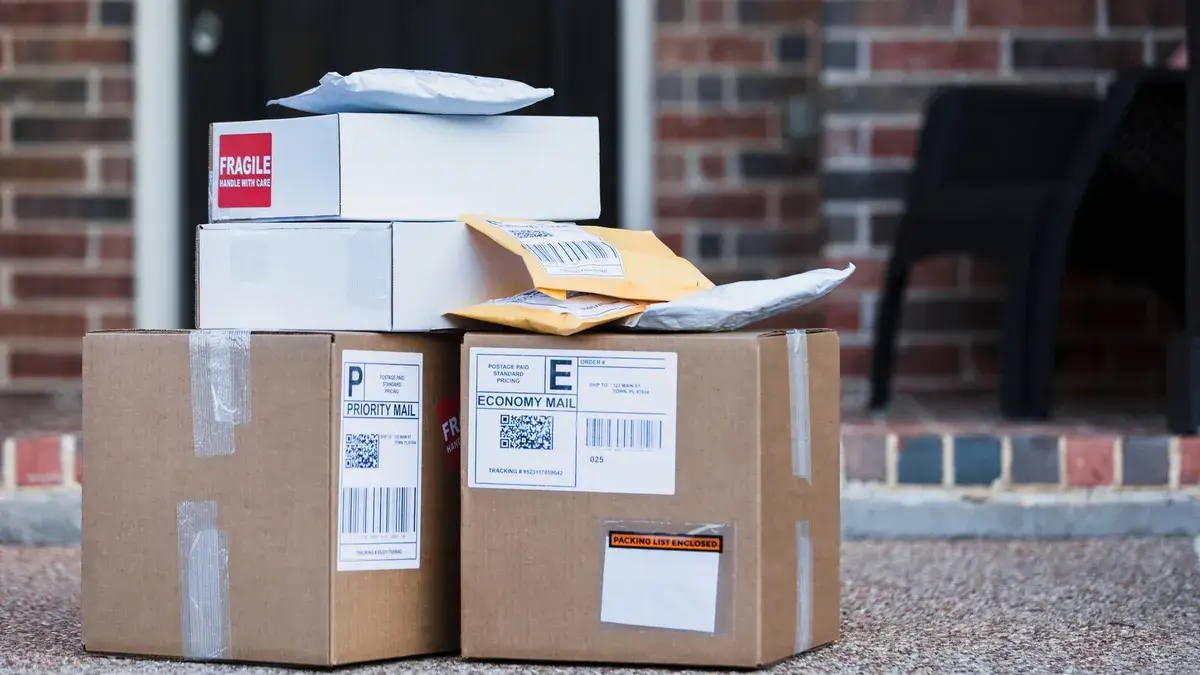
A shipping label is the primary communication tool between you and every courier who handles your package. It contains the destination address, return address, barcode, tracking number, and service details.
The Purpose of a Shipping Label
The shipping label on a package serves three critical functions:
- Identifies the sender and recipient
- Enables barcode scanning at each logistics checkpoint
- Connects the package to its digital tracking record
If the label is damaged, hidden, or poorly positioned, scanners may not read it properly, which increases the risk of manual handling and delivery delays.
How Scanners and Couriers Read Labels
Modern courier systems rely heavily on automated scanners. These scanners are designed to quickly read barcodes on flat, unobstructed surfaces. When labels are folded, placed on seams, or wrapped around corners, scanners struggle to capture accurate data.
This is why how to put a shipping label on a box is not just about sticking it anywhere it is about placing it where machines and people can read it instantly.
Fast, secure, and on-time deliveries are backed by professional handling and real-time tracking.
Bearcat Express ensures every shipment is managed with care, accuracy, and reliability.
Standard Shipping Label Placement Rules
Following standard placement rules significantly improves delivery speed and tracking accuracy.
Ideal Placement on Small, Medium, and Large Boxes
No matter the box size, the safest rule is consistency.
Best placement location:
- The top surface of the box is preferred
- Use the largest flat area available
- Keep the label fully visible
For small boxes, ensure the label does not wrap around the edges. For medium and large boxes, center the label on the top panel. This answers the question many shippers ask: where do I put shipping label on box for the best results? Always choose the flattest, most visible surface.
Avoid placing labels on:
- Box seams or joints
- Corners or edges
- Curved or uneven surfaces
Top Surface vs. Side Surface
While the top surface is ideal, side placement may be acceptable if the box design requires it. If you place the shipping label on a package side, make sure:
- The entire label fits on one flat panel
- The barcode is not rotated awkwardly
- Nothing obstructs visibility
Side placement should be a backup option, not the default.
Flat, Unobstructed Areas Matter
Labels must remain smooth. Wrinkles, folds, or dents interfere with scanners. Before applying the label, inspect the box surface and smooth it out to ensure a clean application.
Label Orientation and Barcode Direction
Orientation is one of the most overlooked aspects of how to put shipping label on package correctly.
Horizontal vs. Vertical Barcodes
Most shipping labels are designed to be scanned horizontally. That means:
- The barcode should be parallel to the bottom edge of the box
- The label should not be rotated sideways
While many scanners can read vertical barcodes, incorrect orientation increases scan time and error risk.
Why Orientation Affects Scanning
Automated sorting facilities process thousands of packages per hour. A properly oriented shipping label on a package allows scanners to capture data instantly. A rotated or angled label often forces manual intervention, slowing delivery.
Shipping Label Placement for Special Packages
Not all packages are standard boxes. Special shapes require extra care.
Irregularly Shaped Packages and Cylindrical Items
For tubes, bags, or irregular items:
- Use a label pouch when possible
- Place the label lengthwise on the tubes
- Avoid wrapping labels completely around cylindrical surfaces
When asking how to put address on box for irregular items, the answer is simple: ensure the label lies as flat as possible and remains readable from one direction.
Fragile, Oversized, and Heavy Shipments
Large or heavy shipments face more handling stress. For these:
- Place the shipping label on package away from the corners
- Avoid edges that may scrape during transit
- Ensure the label is not near lifting points
Fragile labels should be paired with clear “Fragile” markings, but never cover or crowd the shipping label.
How to Secure a Shipping Label Properly
Correct placement alone is not enough. The label must stay intact throughout transit.
Choosing the Right Adhesive or Label Material
There are two common options:
- Self-adhesive labels: Ideal for most shipments
- Plastic label pouches: Best for international or weather-exposed deliveries
Self-adhesive labels work well when applied to clean, dry surfaces. Pouches add protection without obstructing scans.
Protecting Labels from Water, Dirt, and Weather
Weather damage is a major cause of unreadable labels. To protect the shipping label on a package:
- Use clear tape around the edges only
- Never tape over barcodes
- Avoid glossy or reflective tape over printed areas
These steps ensure your label remains legible from pickup to delivery.
Common Shipping Label Placement Mistakes to Avoid
Many delays stem from avoidable errors.
Overlapping Old or Multiple Labels
Always remove old labels before applying a new one. Multiple barcodes on one box confuse scanners and can send packages to the wrong destination.
Covering Barcodes with Tape or Wrinkles
Tape glare and wrinkles interfere with scanning. If you must tape, use matte tape sparingly and keep it away from the barcode.
Poor Visibility Due to Folding or Creases
Never fold a shipping label on package edges. If the label is too large for the surface, use a bigger box or reprint a smaller label.
How Proper Label Placement Improves Tracking and Delivery
Correct placement directly impacts delivery performance.
Role of Labels in Package Scanning and Tracking
Each scan updates the shipment’s tracking record. When labels are visible and flat, scanners capture data instantly, providing accurate, real-time updates.
Courier teams, including those at Bearcat Express, rely on these scans to manage routing, delivery sequencing, and customer notifications.
Impact of Correct Label Placement on Delivery Speed
Proper placement reduces manual handling. Less handling means faster processing, fewer errors, and more reliable delivery timelines, especially for time-sensitive shipments within a Local Courier Service Augusta, GA network.
Best Practices for Smooth and Error-Free Deliveries
Before shipping, run through this checklist:
- Label placed on the top, flat surface
- Barcode oriented correctly
- No tape covering printed areas
- Old labels removed
- Label securely attached
When to Reprint or Replace a Label
Reprint your label if:
- The print is faded or blurry
- The label becomes wet or torn
- The barcode is scratched or unreadable
Replacing a damaged label before pickup prevents costly delays.
Final Thoughts
Knowing where to put shipping label on box is a small detail that makes a significant difference in delivery accuracy and speed. Correct placement protects your shipment, improves tracking reliability, and prevents unnecessary delays.
If you want expert handling, reliable tracking, and professional courier support, contact us today. Bearcat Express ensures every package is labeled, scanned, and delivered with precision so your shipments arrive exactly as planned.
FAQs
Where to put shipping label on box for best results?
The shipping label should be placed on the top, flat surface of the box, fully visible and centered. This allows scanners to read the barcode quickly and reduces handling delays.
Where do I put shipping label on box if the top is not flat?
If the top is uneven, place the label on the largest flat side panel. Make sure the shipping label on package is not wrapped around edges or corners.
How to put a shipping label on a box securely?
Clean and dry the surface, apply the label smoothly, and press firmly along all edges. If needed, add clear tape around the edges without covering the barcode.
How to put address on box if I do not have a printed label?
Write the address clearly using a permanent marker on the top surface. However, printed shipping labels are strongly recommended for accurate scanning and tracking.
Does label placement affect delivery speed?
Yes. Proper placement improves scan accuracy, reduces manual sorting, and speeds up delivery, especially for local and same-day courier services.