If you have ever tracked a package and seen a status update that simply said “in transit to next facility,” you have already witnessed linehaul transportation in action, even if nobody explained what it meant. It is a term that shows up constantly in shipping conversations, yet most people outside the industry have never had it broken down clearly.
This article explains what it actually is, how it fits into the broader delivery chain, and when a business truly needs it versus when a local same-day courier makes more sense. Bearcat Express walks through it using real operational context, not recycled definitions.
What Is Linehaul Transportation? (Quick Definition)
Simple Definition
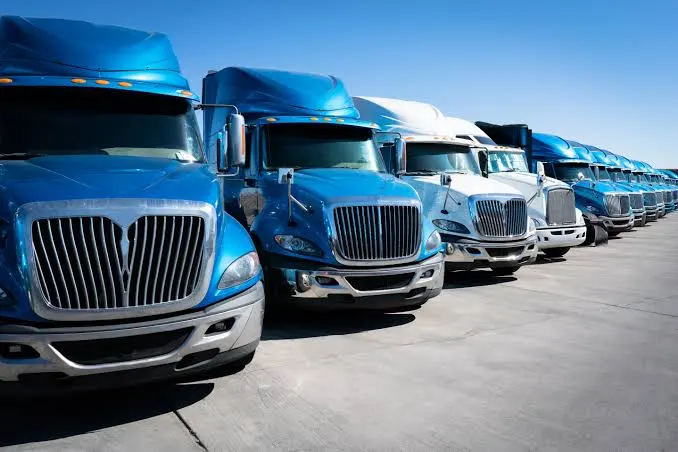
Linehaul transportation is the movement of freight over long distances between fixed points in a logistics network, typically between distribution hubs, sorting facilities, or major terminals. It is not the delivery that shows up at your front door. It is the middle stretch of the journey, the part that moves large volumes of goods from one regional or national hub to another before anything gets sorted for local delivery.
Line haul transportation almost always runs on a fixed schedule with defined departure and arrival windows, which is part of what separates it from more flexible, on-demand freight movement. Trucks, trains, planes, or ships might all be used depending on distance, urgency, and cargo type.
Why Is It Called “Linehaul”?
The name comes directly from what the job involves. A “line” refers to a set, predictable route between two points, and “haul” simply means the act of moving freight. Put them together, and you get linehaul, a term that has stuck around in logistics for decades because it describes the job so literally. When someone asks what linehaul means in logistics, this is really the whole answer: a scheduled haul along a fixed line between two major points in a network. If you look up the line haul meaning in logistics elsewhere, the wording may vary slightly, but the core idea stays the same. Put simply, linehaul means the scheduled movement of freight between two fixed points, nothing more complicated than that.
How Linehaul Transportation Works
Shipment Pickup and Consolidation
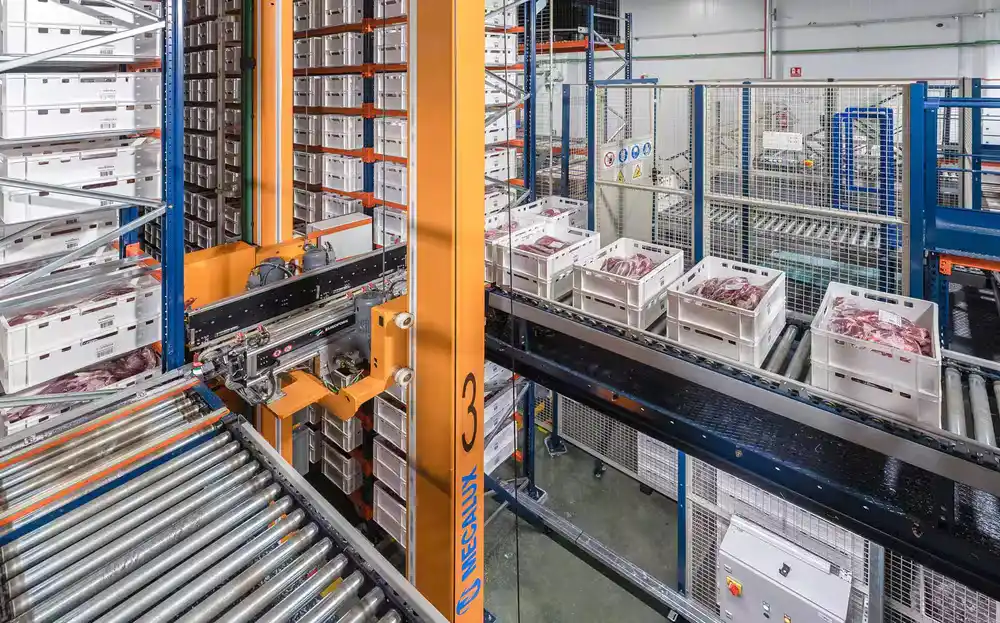
Before anything travels long distances, freight gets collected at a local depot or terminal. Shipments heading toward the same regional hub are grouped, a process called consolidation. This step matters because moving one truckload of combined freight is far more cost-effective than sending several partially filled vehicles on the same route.
Movement Between Distribution Hubs
This is the actual linehaul leg, the long-distance transport between two major facilities. Depending on the distance and freight type, this could mean a truck driving several hundred miles overnight, a rail car moving cross-country, or a cargo flight covering a route that would take days by road. Line haul in logistics almost always prioritizes efficiency and volume over speed for any single package, since the goal is moving as much freight as possible in one coordinated trip.
Arrival at Destination Facility
Once freight reaches the destination hub, it does not go straight out for delivery. It gets unloaded, scanned, and prepared for the next stage. This is usually where you will see a tracking update change status, since the package has technically completed the linehaul portion of its trip.
Handoff to Local Delivery
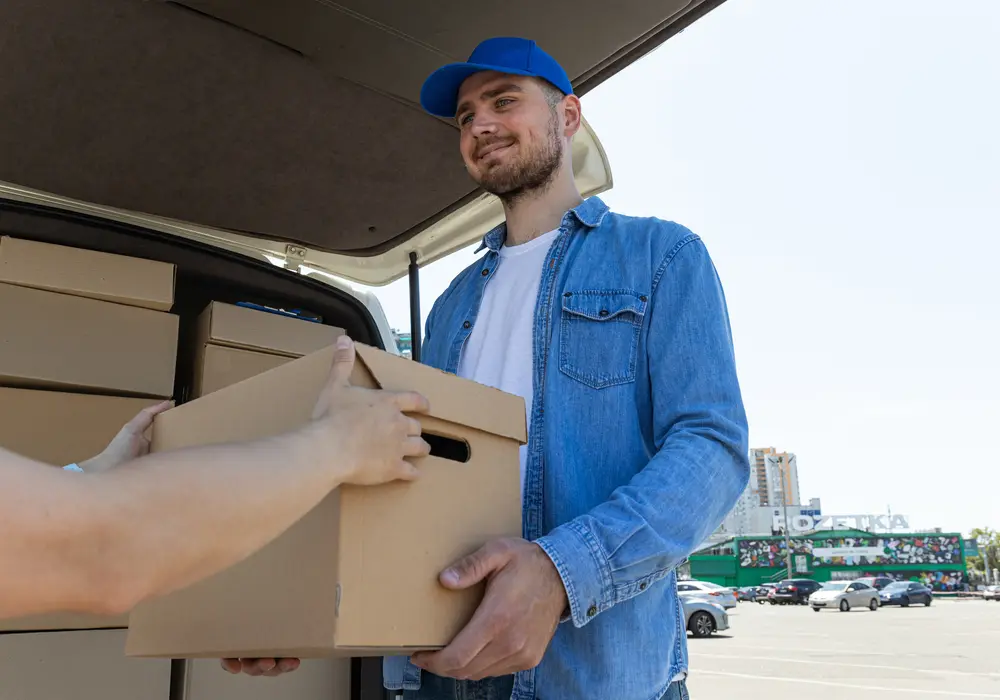
From here, freight is sorted by final destination and handed off to local delivery operations, where a dedicated local courier takes over. This handoff point is critical. A linehaul carrier’s job ends at the regional hub. A local courier’s job is getting that shipment the rest of the way, often within hours rather than days.
Where Linehaul Fits in the Delivery Process
First-Mile Pickup
Every shipment starts somewhere, whether that is a warehouse, a retail store, or a business office. First-mile pickup gets the item from its origin point into the logistics network.
Linehaul Movement
This is the long-distance middle stretch we have already covered, moving freight between major hubs.
Last-Mile Delivery
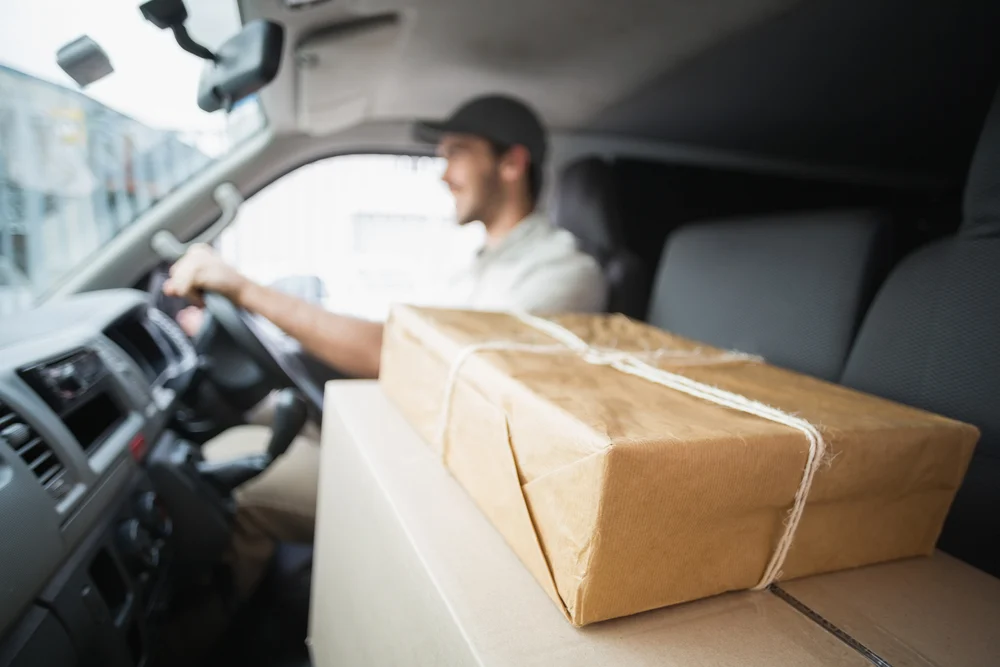
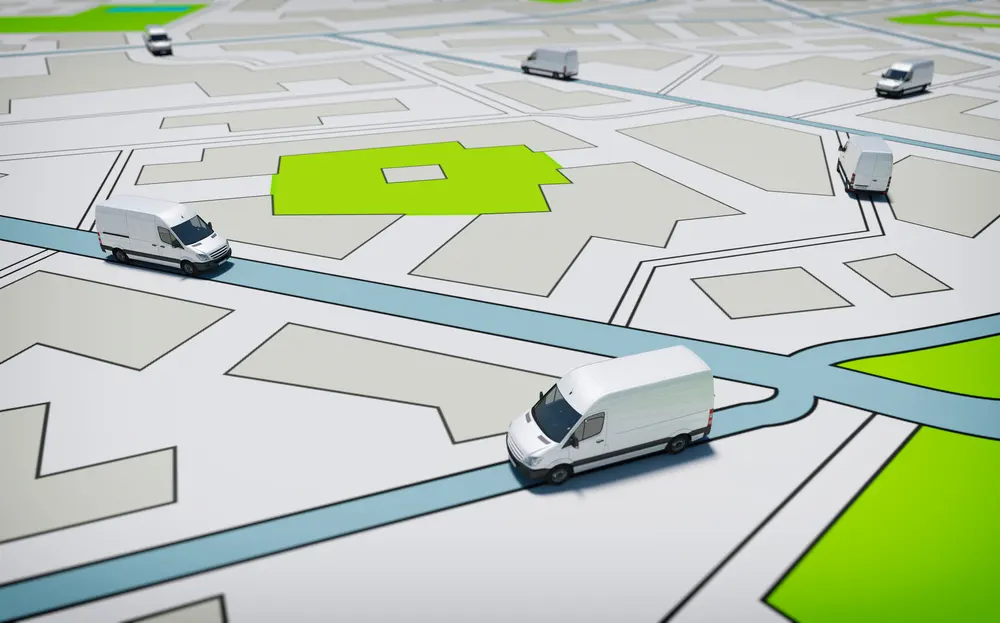
Last mile is the final leg, getting a package from the local distribution point to the actual recipient. It tends to be the most expensive and time-sensitive part of the entire process on a per-package basis, since it involves navigating individual addresses rather than bulk freight lanes. Businesses that need speed and reliability on this specific leg usually turn to a local same-day courier rather than relying on national carriers to handle the final stretch efficiently.
Types of Linehaul Transportation
Line haul transportation is not limited to one mode of travel. Depending on distance, budget, and cargo type, businesses may rely on different combinations of the options below to move freight efficiently between hubs.
Truck Linehaul
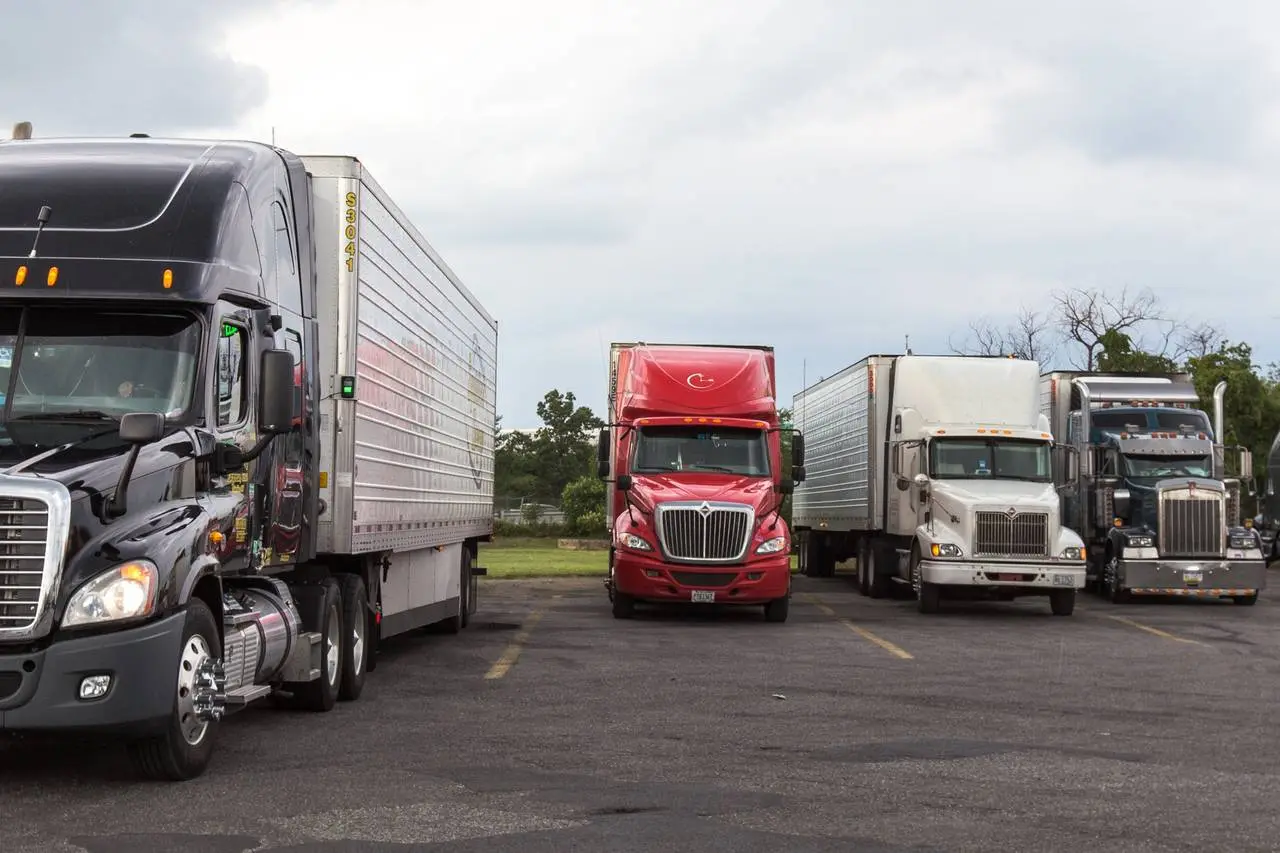
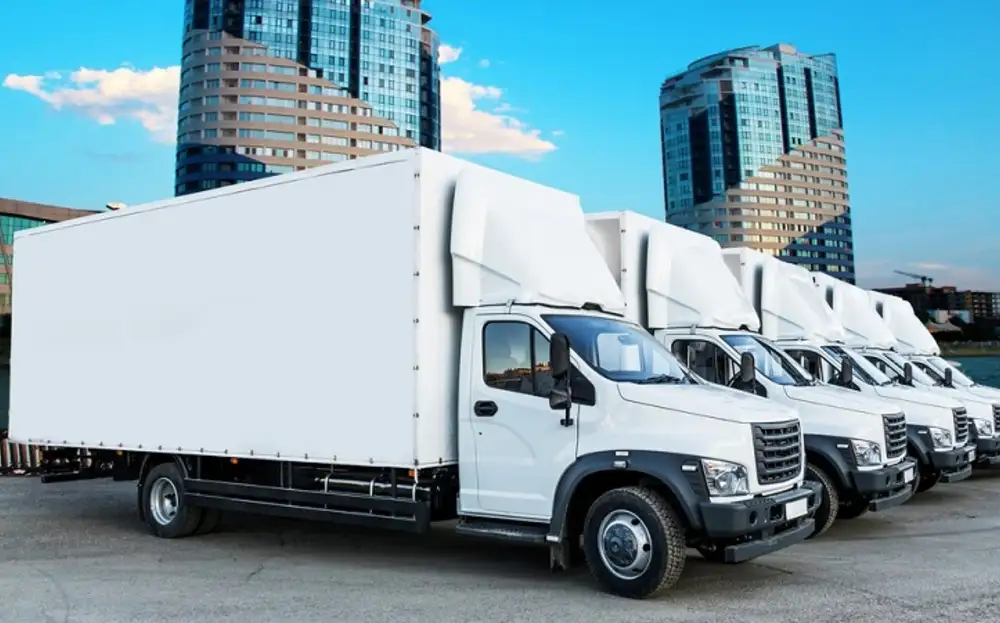
Truck linehaul is the most common form in the United States, offering flexibility for regional routes and the ability to reach hubs that rail or air cannot access directly.
Rail Linehaul
Rail is typically used for extremely long distances and high-volume freight, where cost efficiency matters more than speed.
Air & Ocean Linehaul
Air linehaul handles time-sensitive or high-value freight over long distances, while ocean linehaul moves massive shipment volumes internationally, usually at the cost of significantly longer transit times.
Linehaul Transportation vs. Last-Mile Delivery: Key Differences
The clearest way to separate these two is by looking at distance, volume, and urgency. Linehaul transportation moves bulk freight between fixed hubs on a set schedule, often covering hundreds of miles in a single trip. Last-mile delivery moves individual shipments from a local hub to a specific address, usually within a single city or region, and speed matters far more at this stage since customers are waiting on a specific delivery window.
Another difference is flexibility. Linehaul routes are planned around efficiency and consolidation, so they rarely accommodate last-minute changes. Local delivery, especially same-day service, is built around responsiveness, which is a completely different operational model.
Linehaul vs. Local Same-Day Courier Services: Which Do You Need?
This is the question that actually matters for most businesses reading about linehaul transportation, and it comes down to what you are shipping and how far it needs to go.
If you are moving large volumes of freight across state lines or between major cities on a recurring schedule, linehaul transportation is the right tool. It is built for that kind of predictable, high-volume, long-distance movement.
But if you are a business in Augusta, Columbus, Birmingham, or Charlotte that needs a package, document, or piece of equipment delivered locally within hours, linehaul is the wrong solution entirely. National linehaul networks are not designed for urgency on a single shipment. That is where a dedicated local courier fills a gap that linehaul carriers simply are not built to handle. We have worked with plenty of businesses that assumed they needed a bigger logistics setup, when what they actually needed was a same-day courier who understands their local market.
Why Efficient Linehaul Matters for Businesses in Georgia & Alabama
Faster Long-Distance Shipping
When linehaul routes are well managed, freight moves through regional hubs faster, which reduces overall transit time even before local delivery begins.
Lower Costs Through Consolidation
Combining shipments into fewer, fuller trips lowers the cost per unit, savings that often get passed down through better shipping rates.
Better Reliability for Local Businesses
A business relying on regional supply chains benefits when linehaul operations run on time, since delays at the hub level ripple straight into local delivery schedules and can throw off inventory planning.
You may also read: Your Quick Guide to Last Mile Carriers
Common Challenges in Linehaul Transportation
Linehaul operations face real obstacles that affect delivery timelines, including traffic congestion on major routes, seasonal demand spikes that strain hub capacity, driver availability, and weather disruptions that can delay entire regional networks for days. These challenges are part of why line haul in logistics requires constant coordination between drivers, hub staff, and dispatch teams. It also explains why the handoff to local delivery becomes so important, since a well-run last-mile operation can absorb some of that upstream delay and still get a package to its final destination on time.
How We Bridge the Gap Between Linehaul and Local Delivery
Linehaul transportation gets freight to the region. Local delivery gets it the rest of the way, and that gap matters more than most people realize. Once a shipment arrives at a regional hub, it still needs a reliable local partner to complete the journey, especially when timing is tight or the delivery is time-sensitive.
This is exactly where our Same Day Delivery Service Augusta GA comes in. We handle the final leg for businesses across Georgia and Alabama that cannot afford to wait on standard delivery windows, whether that means picking up freight as soon as it clears a regional facility or handling urgent local shipments that never touch a linehaul network at all. Businesses that understand the difference between linehaul and local delivery tend to build more reliable, cost-effective logistics strategies overall, because they are not paying for national infrastructure to solve a local problem.
Conclusion
Linehaul transportation plays a real and necessary role in moving freight across long distances, connecting regional hubs, and keeping national supply chains efficient. But it is only one piece of the puzzle. The moment freight reaches a regional facility, it needs a dependable local partner to finish the job, and that is a role linehaul networks were never built to fill on their own.
If your business in Georgia, Alabama, or a nearby region needs fast, reliable local delivery once freight arrives regionally, or if you simply need same-day service without dealing with national logistics complexity, contact us at Bearcat Express. We are ready to handle the last mile with the speed and precision your business needs.
Frequently Asked Questions
What does linehaul mean in shipment tracking?
When a tracking update shows a package “in linehaul” or “departed linehaul facility,” it means the shipment is moving between major distribution hubs. It has not yet reached the local facility that will handle final delivery.
How long does linehaul transportation usually take?
Transit time depends on distance and mode of transport, but linehaul legs commonly take anywhere from several hours to a few days. Cross-country rail or ocean linehaul takes considerably longer than regional truck routes.
Is linehaul the same as long haul trucking?
They are closely related but not identical. Once you understand the line haul meaning in logistics, the distinction becomes clearer. Linehaul refers specifically to freight movement between fixed network points on a schedule, while long haul trucking is a broader term for any extended-distance trucking, including routes that are not part of a structured hub network.
Why would a small business need to understand linehaul transportation?
Understanding linehaul helps businesses make smarter shipping decisions, especially when comparing national freight options against local delivery needs. It clarifies why certain shipments take days while others can be completed same-day.
Can local couriers handle shipments that arrive through a linehaul network?
Yes. Once freight clears a regional hub, local couriers are often the fastest and most cost-effective way to complete final delivery, particularly for time-sensitive shipments within a specific city or region.