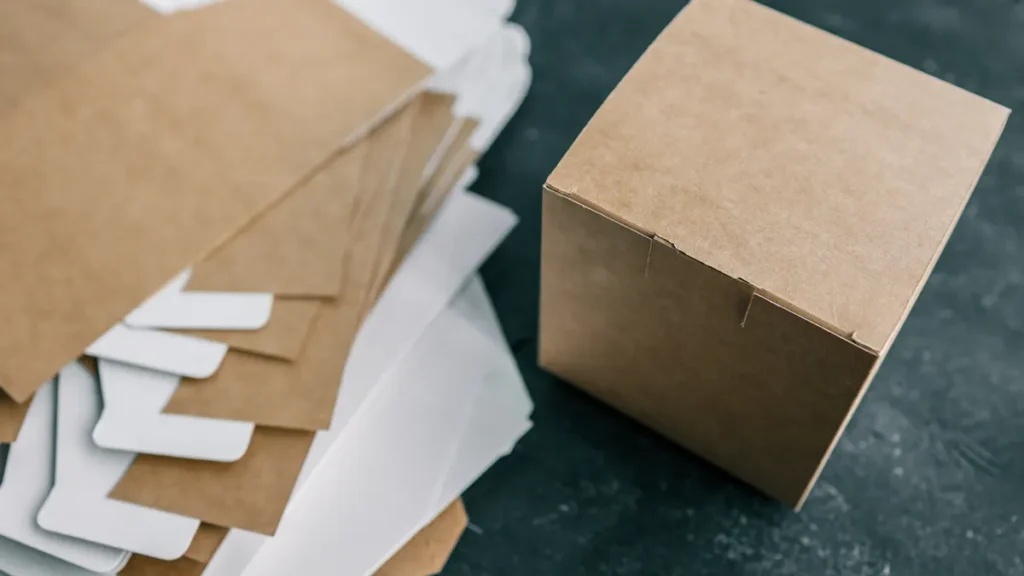
Every day, countless packages travel through warehouses, delivery trucks, and homes worldwide, with cardboard quietly protecting the products inside. This simple material has played a major role in shaping modern commerce, shipping, and e-commerce. The story behind Thinking Inside the Box reveals how cardboard evolved from a basic paper-based invention into an essential packaging solution.
At Bearcat Express, we understand the importance of reliable packaging in successful deliveries. If you have ever wondered when was cardboard invented, who invented cardboard, or how the history of cardboard influenced global logistics, this guide explores the fascinating journey of one of the world’s most important packaging materials.
What Is Cardboard?
Definition and Composition
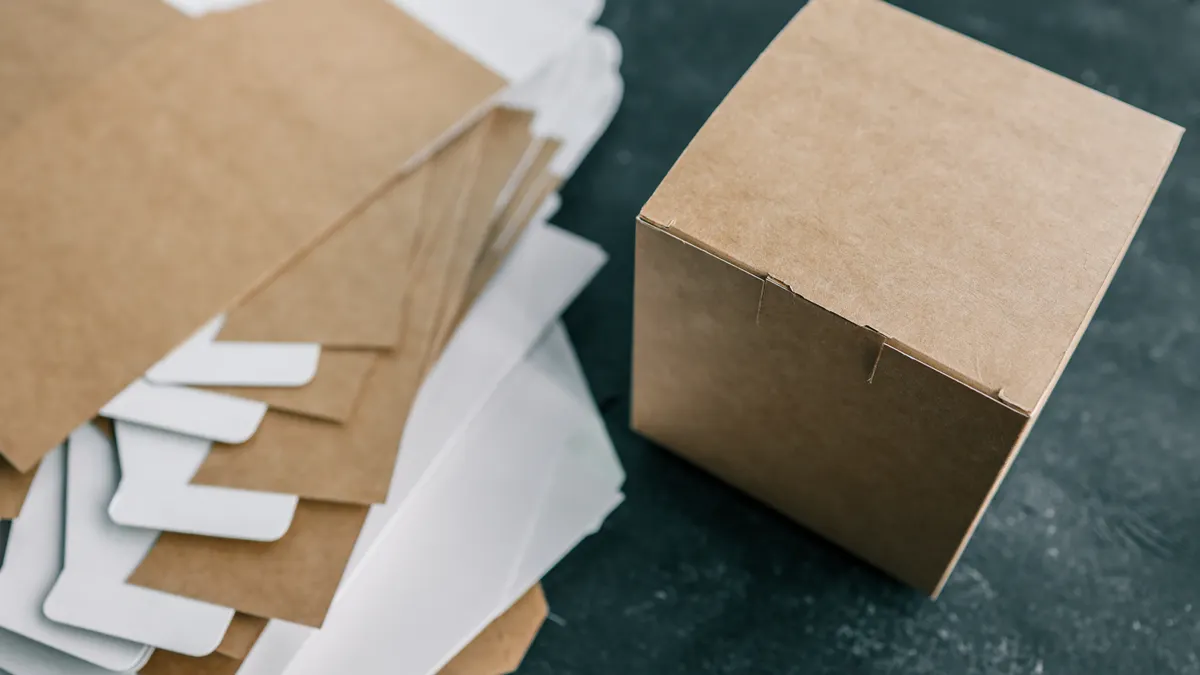
Cardboard is a thick paper-based material designed to provide strength, durability, and protection. It is commonly made from wood pulp and recycled paper fibers that are processed into layers capable of supporting a wide range of products. From retail packaging to shipping containers, cardboard plays a vital role in protecting goods throughout the supply chain.
Although many people use the term cardboard broadly, packaging professionals often distinguish between paperboard and corrugated cardboard. Each serves a different purpose depending on the packaged item’s weight and protection requirements. Companies such as Bearcat Express rely on durable cardboard packaging to help ensure shipments arrive safely and securely at their destinations.
Types of Cardboard
Paperboard
Paperboard is a thinner, lightweight material commonly used for consumer packaging. Product boxes for food, cosmetics, and electronics often use paperboard because it is easy to print on and shape.
Corrugated Cardboard
Corrugated cardboard consists of a fluted layer sandwiched between two flat linerboards. This structure creates strength while keeping weight relatively low.
Single-Wall, Double-Wall, and Triple-Wall Boards
Different applications require different levels of protection. Single-wall boards work well for standard shipments, while double-wall and triple-wall boards provide additional strength for heavier products and industrial applications.
Why Cardboard Became the Preferred Packaging Material
Cardboard offers a rare combination of affordability, durability, flexibility, and sustainability. Businesses can customize it for virtually any product while keeping shipping costs manageable. These advantages helped cardboard become the dominant packaging material worldwide.
Packaging Before Cardboard
Wooden Crates and Barrels
Before cardboard existed, businesses relied heavily on wooden crates and barrels for transportation. These containers were strong but often expensive, heavy, and difficult to handle.
Cloth, Leather, and Other Early Packaging Materials
Merchants also used cloth sacks, leather containers, woven baskets, and ceramic vessels. While useful for specific purposes, these materials lacked the versatility needed for growing commercial trade.
Challenges of Traditional Packaging
Traditional packaging methods created several problems:
- High transportation costs
- Increased product damage
- Difficult handling and storage
- Limited standardization
As trade expanded during the Industrial Revolution, businesses needed a packaging solution that was both strong and lightweight.
The Need for Lighter Shipping Solutions
The growing movement of goods across cities and countries created demand for efficient packaging. This challenge ultimately paved the way for the development of cardboard.
The Origins of Cardboard
The Invention of Paper and Its Influence
To understand the history of cardboard, it helps to start with paper itself. The invention of paper created opportunities for stronger paper-based materials that could be used beyond writing and printing.
Over time, manufacturers experimented with layering and strengthening paper products, laying the foundation for modern cardboard.
The First Cardboard Products
Early forms of cardboard appeared in the nineteenth century as manufacturers searched for alternatives to heavier packaging materials. These products demonstrated that layered paper could provide practical strength.
The First Cardboard Box in 1817
One of the most common questions is when was cardboard invented. While paper-based board materials existed earlier, the first commercially produced cardboard box is generally credited to 1817 in England.
This milestone marked a significant moment in cardboard history, introducing a packaging solution that would continue evolving for generations.
Early Commercial Applications
Early cardboard products were used for packaging lightweight consumer goods. As manufacturing methods improved, businesses quickly recognized their commercial potential.
The Evolution of Corrugated Cardboard
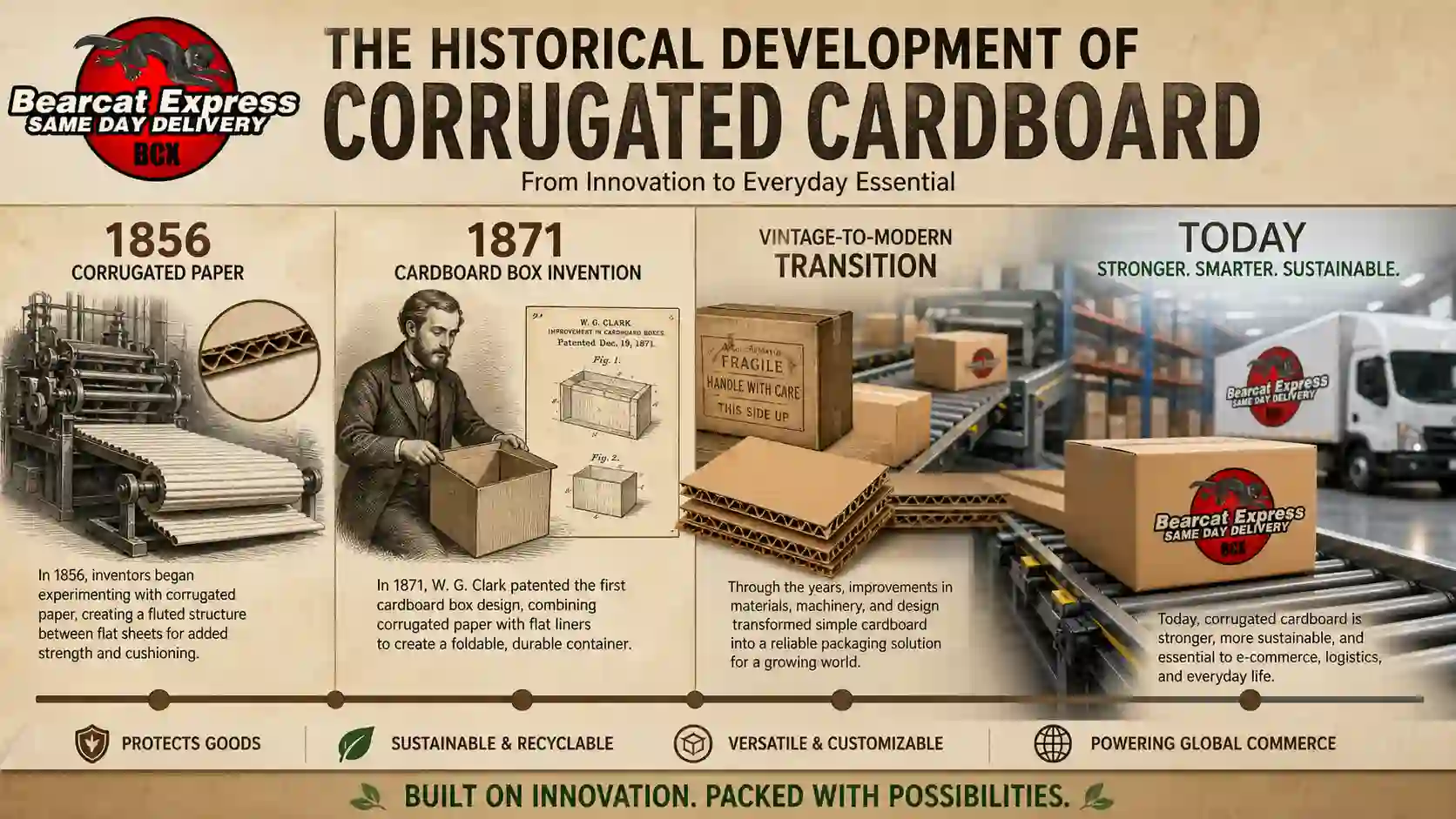
The 1856 Patent for Corrugated Paper
When discussing who invented the cardboard, it is important to distinguish between cardboard and corrugated cardboard. A breakthrough occurred in 1856 when corrugated paper was patented.
Initially, corrugated paper was used for purposes other than shipping boxes, but its strength soon attracted broader interest.
The First Corrugated Cardboard Box in 1871
The development of corrugated cardboard boxes in 1871 changed packaging forever. By combining strength with lightweight construction, corrugated boxes offered advantages that wooden containers could not match.
Robert Gair and Mass Production of Folded Boxes
When people ask who invented cardboard or seek the inventor of cardboard, the answer is not always simple because cardboard evolved through multiple innovations. However, Robert Gair played a major role by developing a process for mass-producing pre-cut folding cartons.
His innovation helped make cardboard packaging affordable and scalable for businesses.
How Industrialization Accelerated Adoption
Industrial growth created demand for efficient transportation and storage solutions. As factories increased production, cardboard became an ideal packaging material because it could be manufactured quickly and economically.
You may also read: Demand Forecasting in Logistics
How Cardboard Transformed the Packaging Industry
Replacing Wooden Crates and Metal Containers
Cardboard offered many advantages over traditional containers. It was lighter, easier to store, and less expensive to produce.
Businesses gradually replaced bulky wooden and metal packaging with cardboard alternatives.
Standardization of Packaging
Cardboard enabled standardized box sizes, making transportation and storage more efficient. Standardization improved warehouse operations and simplified shipping processes.
Growth of Consumer Goods Packaging
As consumer markets expanded, manufacturers needed packaging that could protect products while presenting them attractively. Cardboard met both requirements.
Expansion of Retail and Distribution Networks
Retail growth depended heavily on efficient packaging. Cardboard allowed products to move from factories to stores faster and more economically.
Cardboard’s Role in Shipping and Logistics
Revolutionizing Transportation and Global Trade
Modern logistics systems rely heavily on cardboard. The material’s balance of protection and affordability supports the movement of goods across local, national, and international markets.
Reducing Shipping Costs and Package Weight
One reason cardboard became essential is its lightweight nature. Lower package weights help reduce transportation expenses while improving handling efficiency.
Improving Product Protection During Transit
Corrugated structures absorb shocks and reduce damage risks. This protection is critical for fragile items moving through complex distribution networks.
Supporting Courier and Last-Mile Delivery Services
Courier companies depend on durable packaging to ensure products arrive safely. Businesses looking for dependable transportation solutions often pair quality packaging with professional delivery providers. For companies seeking reliable logistics support, explore Same Day Delivery Service Augusta GA, to help ensure shipments reach customers quickly and securely.
The continued success of courier and last-mile delivery services demonstrates the lasting importance of cardboard in modern logistics.
Key Advantages of Cardboard Packaging
Lightweight Yet Durable
Cardboard provides impressive strength without adding unnecessary weight. This balance makes it suitable for a wide variety of shipping applications.
Cost-Effective for Businesses
Compared to many alternative materials, cardboard remains affordable to produce, purchase, and transport.
Versatile and Customizable
Manufacturers can create cardboard packaging in countless shapes and sizes to fit specific products.
Excellent for Branding and Printing
Cardboard surfaces support high-quality printing, helping businesses communicate information and strengthen brand recognition.
Recyclable and Environmentally Friendly
Recycling programs have helped make cardboard one of the most sustainable packaging materials available today.
Sustainability and Environmental Impact
Is Cardboard Sustainable?
Cardboard is widely considered sustainable because it is renewable, recyclable, and often produced using recycled content.
How Cardboard Recycling Works
Collected cardboard is processed into pulp, cleaned, and transformed into new paper products. This process reduces waste and conserves resources.
The Circular Economy and Recycled Fiber
The ability to reuse fibers multiple times supports a circular economy, where materials remain in productive use for as long as possible.
Innovations in Eco-Friendly Packaging
Manufacturers continue developing stronger and lighter cardboard products while reducing environmental impact through improved production methods.
How E-Commerce Increased the Importance of Cardboard
Rising Demand From Online Shopping
The growth of online shopping has dramatically increased demand for cardboard packaging. Nearly every e-commerce shipment depends on some form of cardboard protection.
Protective Packaging for Deliveries
Shipping products directly to consumers requires packaging that can withstand multiple handling stages. Corrugated cardboard remains one of the most effective solutions.
The Unboxing Experience
Packaging now serves both practical and marketing purposes. Many businesses use customized cardboard designs to create memorable customer experiences.
Future Packaging Needs in E-Commerce
As online shopping continues growing, businesses will require packaging solutions that balance protection, sustainability, and efficiency.
Modern Innovations in Cardboard Technology
Smart Packaging Solutions
New technologies allow packaging to include tracking features, authentication tools, and interactive customer experiences.
Waterproof and Temperature-Resistant Cardboard
Advancements in coatings and materials have improved cardboard’s performance in challenging environments.
Digital Printing and Custom Branding
Modern printing technologies make it easier than ever to create customized packaging at scale.
Automated Box Manufacturing
Automation has increased production efficiency while reducing waste and improving consistency.
Interesting Facts About Cardboard
Surprising Historical Facts
The history of cardboard spans more than two centuries and continues to evolve today.
The World’s Largest Cardboard Creations
Engineers and artists have used cardboard to create impressive large-scale structures, demonstrating the material’s versatility.
Cardboard in Architecture and Design
Architects have experimented with cardboard for temporary structures, furniture, and innovative design projects.
Creative Uses Beyond Packaging
Beyond shipping boxes, cardboard appears in displays, crafts, furniture, educational projects, and industrial applications.
The Future of Cardboard Packaging
Smart and Sustainable Designs
Future packaging will focus on reducing material use while maintaining performance.
AI and Automation in Packaging
Artificial intelligence and automation are helping manufacturers optimize packaging design and production efficiency.
Biodegradable and Compostable Materials
Researchers continue exploring environmentally friendly alternatives and enhancements to existing cardboard products.
Predictions for the Next Decade
The future of cardboard will likely combine sustainability, digital technology, and improved performance to meet changing consumer expectations.
Conclusion
The story of Thinking Inside the Box is ultimately a story of innovation. From early paper-based materials to today’s advanced corrugated packaging systems, cardboard has transformed commerce, shipping, retail, and logistics. Understanding the history of cardboard, learning when was cardboard invented, and exploring the contributions of those considered the inventor of cardboard reveals how a seemingly simple material helped shape the modern world.
As businesses continue seeking efficient and sustainable ways to move products, cardboard remains a trusted solution. If you need dependable transportation and delivery support backed by professional service, contact us at Bearcat Express to learn how we can help move your shipments safely and efficiently.
Frequently Asked Questions
Who Invented Cardboard?
There is no single answer to who invented cardboard because cardboard evolved through several innovations over time. Multiple inventors contributed to its development, while later improvements led to modern corrugated packaging.
When Was Cardboard First Created?
Many historians point to 1817 as a key milestone because the first commercial cardboard box was produced during that period. This date is often referenced when discussing when was cardboard invented.
When Was Corrugated Cardboard Invented?
Corrugated paper was patented in 1856, while corrugated cardboard boxes appeared in the early 1870s. These developments significantly influenced modern packaging.
Why Did Cardboard Replace Wooden Crates?
Cardboard offered lower costs, lighter weight, easier storage, and greater flexibility. These advantages made it more practical for many shipping and packaging applications.
Is Cardboard Environmentally Friendly?
Yes. Cardboard is widely recyclable and often contains recycled content. Its renewable nature makes it one of the most sustainable packaging materials available.