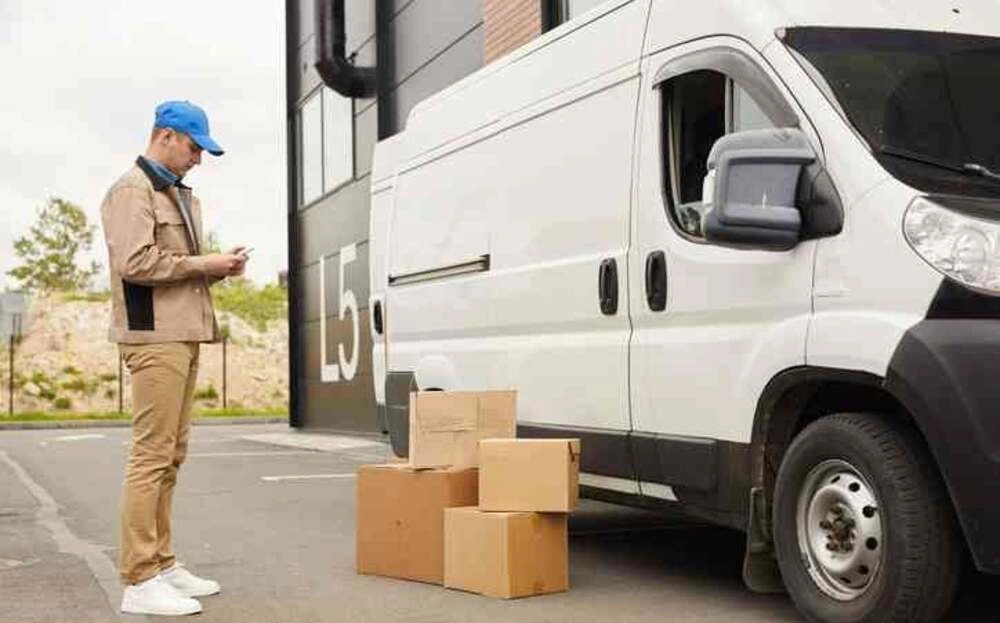
Anyone who has refreshed a tracking page five times in one afternoon understands why the final stretch of delivery matters more than people admit. A package can cross three states without a hiccup, then sit for hours once it reaches the local area, simply because that last leg is harder to manage than everything before it.
This is your quick guide to last mile carriers: what a final mile carrier actually does, how parcels get handed off to last-mile service teams, and what separates a dependable partner from one that leaves you guessing. At Bearcat Express, we run this stretch daily across Georgia and Alabama.
Quick Answer
A last mile carrier is the company responsible for moving a last mile parcel from a local hub to its final stop, whether that’s a home, an office, or a storefront. In simple terms, whats a last mile provider comes down to this: they own the shortest, costliest, and most visible leg of a shipment’s route. Choosing the right one shapes how a customer feels about the entire order, not just the delivery itself.
What Is a Last Mile Carrier?
Simple Definition (Hub to Doorstep)
A last mile carrier, sometimes called a final mile carrier, picks up a parcel from a local distribution point and completes the handoff to the person or business waiting for it. Everything before that moment- sorting, long-haul trucking, freight transfers- happens out of sight. The last mile is the part a customer actually experiences, and it’s the part they remember when deciding whether to order again.
How It Differs from Long-Haul Shipping
Long-haul shipping moves large volumes across long distances on predictable routes between major hubs. The last mile flips that entirely. It’s dozens of small stops packed into a few square miles, tight delivery windows, apartment buzzers, loading docks, and constant variability. A truck running highway miles between two cities deals with a scheduled dock time. A driver delivering that same freight to its final twenty addresses deals with parking, gate codes, missed doorbells, and school zone traffic.
First Mile, Middle Mile, and Last Mile Explained
The first mile is when a product leaves the manufacturer or supplier and enters the supply chain. The middle mile covers long-distance movement between warehouses, ports, or regional hubs. The last mile is everything after that: the local sort, the route build, and the drive to the customer’s door. Businesses that treat these three stages as one continuous process, instead of three separate vendors with separate expectations, tend to see far fewer delivery surprises.
Last-Mile Delivery vs. Same-Day Delivery: How They Overlap
Not every last mile delivery is a same-day delivery, but every same-day delivery depends on a strong last mile. Same-day delivery describes the speed promise: a package leaves and arrives within the same working day. Last mile delivery describes the stage of the journey where that promise gets kept or gets missed. A national carrier might take two or three days to complete its own last mile step, while a local courier running Same Day Delivery Service Augusta GA routes compresses that same stage into a matter of hours. Bearcat Express built its entire same-day model around owning this compressed last mile from pickup to confirmation, which is what makes the speed promise realistic instead of theoretical.
How Last Mile Delivery Works
Order Handoff and Sorting
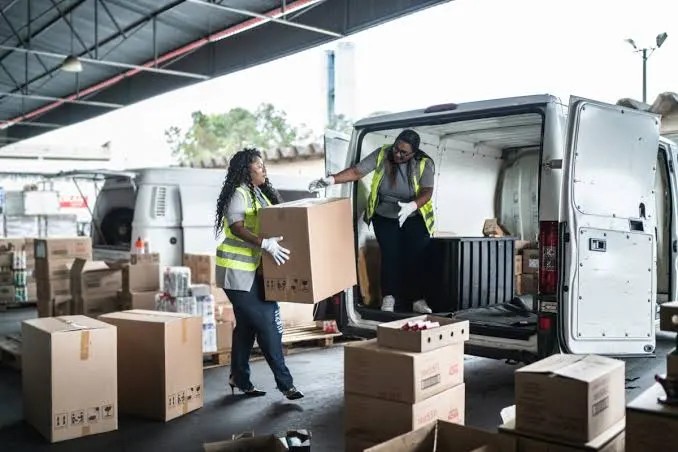
Every last-mile parcel begins with the handover of parcels to last-mile service provider teams at a local facility, the moment a shipment moves from long-haul transport or a client’s warehouse into the hands of the team that finishes the job. From there, the parcel gets sorted by delivery zone, priority level, and expected time window. This sorting step is where delay actually starts if it’s rushed, long before a driver ever gets behind the wheel.
Route Planning and Dispatch
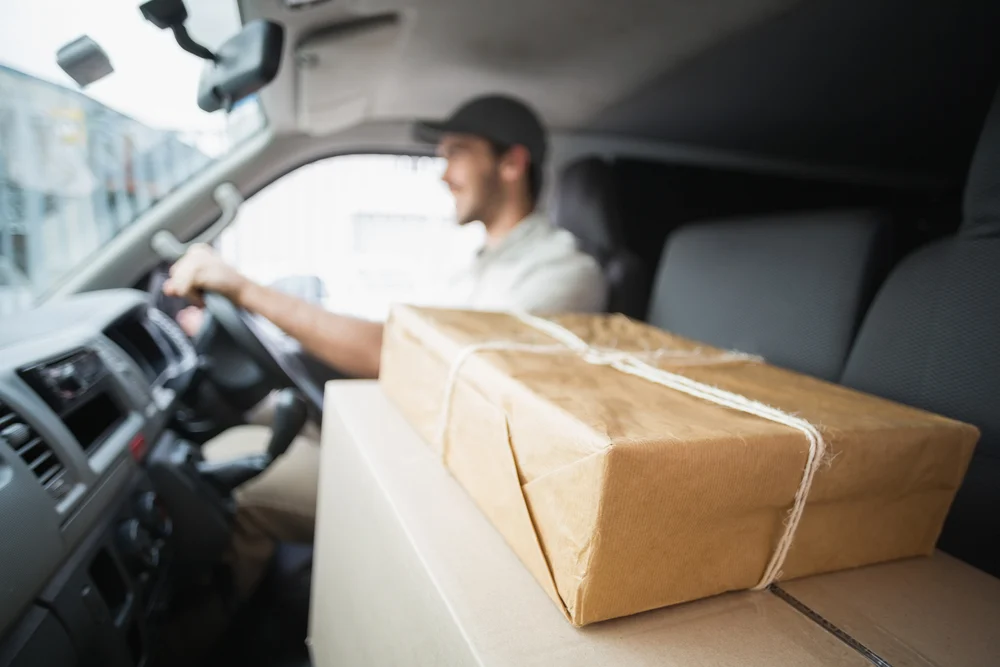
After sorting, dispatch builds routes based on location clusters, delivery deadlines, and vehicle capacity. A well-run dispatch desk doesn’t send drivers out in the order packages happened to arrive. Routes get grouped by neighborhood and adjusted throughout the day as new pickups come in, which matters most for businesses running same-day requests that can’t wait for the next scheduled batch.
Out-for-Delivery to Final Confirmation
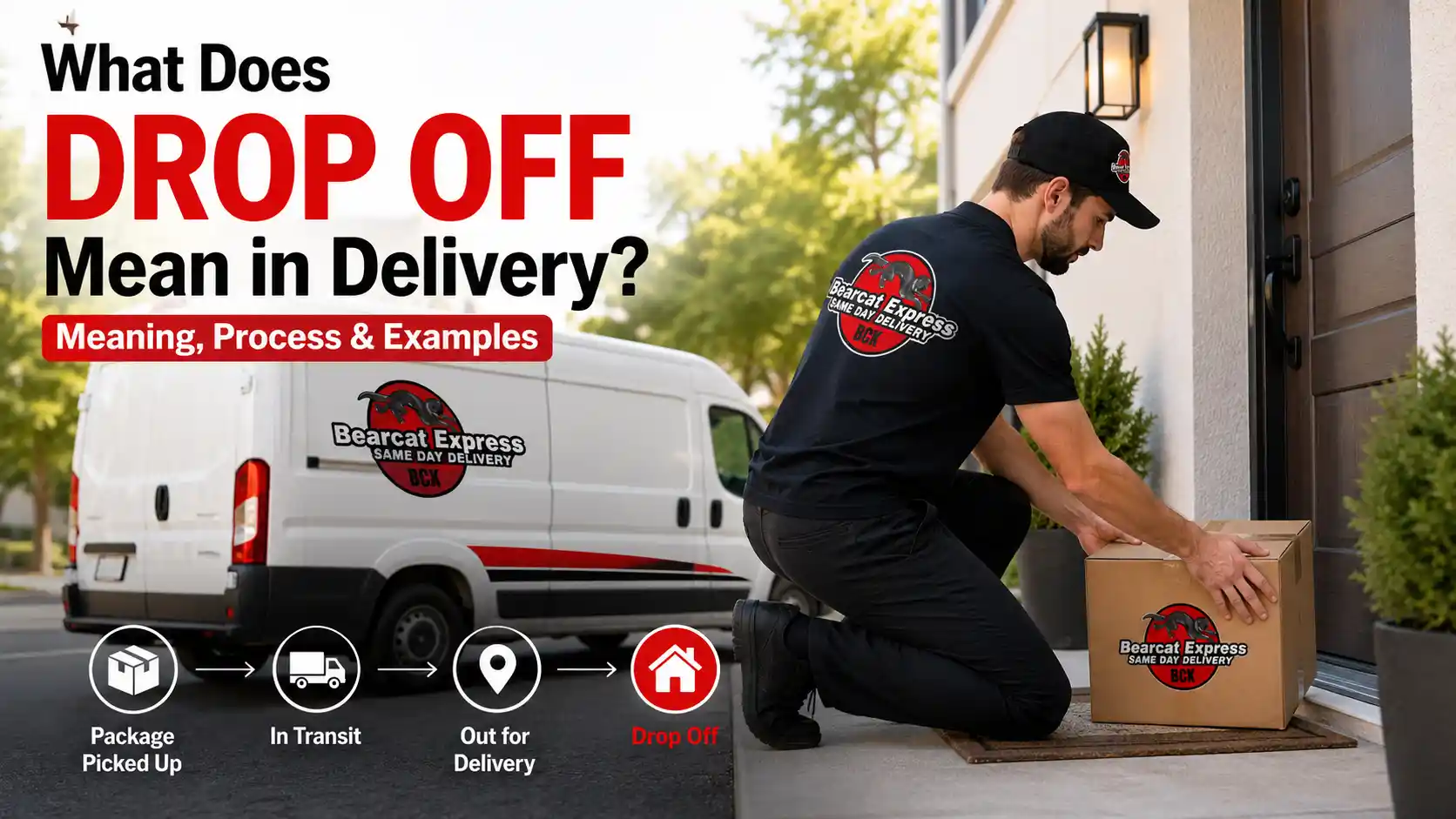
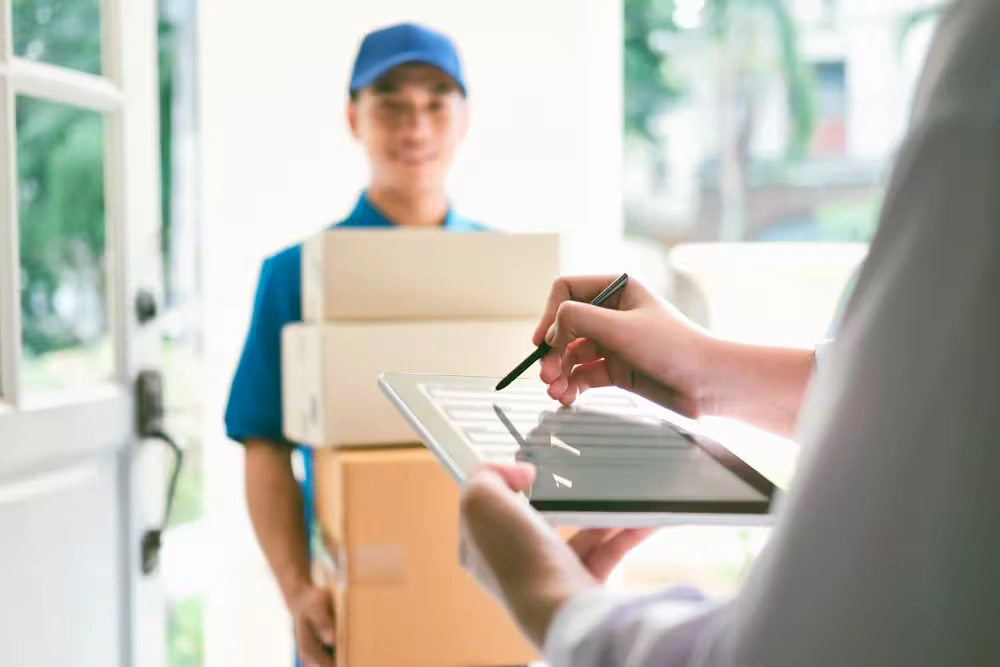
Once a driver leaves the facility, the parcel is officially out for delivery. This stage ends with confirmation: a signature, a photo at the door, or a scan marking the drop-off. That confirmation closes the loop and gives both sender and recipient proof the job got done.
What Does “Last Mile En Route” Mean on a Tracking Page?
If you’ve seen a tracking update that says last mile en route and wondered what does last mile enroute mean, the answer is simpler than it looks. The last mile enroute meaning is straightforward: the parcel has left the local sorting facility and is physically on a vehicle heading to the final address. It’s one step past out for delivery in some tracking systems and one step before final confirmation. Understanding what does last mile enroute mean saves a phone call, since it tells you the package is actively moving rather than sitting in a queue.
Why the Last Mile Is the Most Critical (and Costly) Stage
Traffic, Stops, and Delivery Delays
The last mile carries a disproportionate share of total delivery cost. A truck making one stop every fifty miles on a highway runs efficiently. A van making forty stops inside a ten-mile radius does not, even though the total distance is far shorter. Every stop means slowing down, parking, walking to a door, and getting back on the road, and city traffic multiplies that time significantly.
Direct Impact on Customer Experience
This is also the stage customers actually notice. Nobody calls to ask how smoothly their package moved through a regional sorting facility. They call when the delivery window has passed, and nothing has arrived. The last mile is where a business earns trust or loses it.
What Last Mile Delivery Actually Costs
Industry estimates consistently point to the last mile eating up roughly half of total shipping costs, even though it covers only a small fraction of the total distance traveled. A few factors drive that number for any given last mile parcel:
| Cost Factor | Why It Matters |
| Package size and weight | Larger items need more handling time and vehicle space per stop |
| Delivery zone | Dense routes cost less per stop than spread-out rural addresses |
| Speed tier | Same-day and rush windows need dedicated capacity, which raises price |
| Failed delivery attempts | Each missed attempt typically adds fifteen to twenty dollars once the wasted trip, rescheduling, and customer service time are counted |
For a business shipping regularly, those failed attempts add up fast, which is exactly why route accuracy and address verification matter as much as speed.
Delivery Service Levels: Curbside, Threshold, Room of Choice, and White Glove
Not every last mile parcel needs the same level of service. Curbside delivery drops the order at the doorstep or loading area. Threshold delivery brings it just inside the first door, useful for offices and retail backrooms that can’t accept an outdoor drop. Room of choice delivery places the item wherever the recipient asks, common for bulkier office equipment. White glove service goes furthest, with a driver who unpacks and positions the item on request. Most everyday business shipments only need curbside or threshold service, but knowing the other tiers exist helps when a shipment is fragile, oversized, or headed somewhere with strict receiving rules.
You may also read: What Is Threshold Delivery?
Types of Last Mile Carriers
National Parcel Carriers
Large national carriers offer broad coverage and established infrastructure. They’re built for volume and consistency across wide geographic areas, a reasonable fit for standard shipments without tight deadlines. A shipment often passes through a chain of regional hubs before reaching a driver near the final address.
Regional and Local Courier Services
Regional and local courier services operate within a defined area, often a state or a cluster of nearby cities. Because their footprint is smaller, they typically know the roads, the businesses, and the delivery quirks of their territory far better than a carrier managing deliveries nationwide.
Same-Day and On-Demand Delivery Providers
Same-day and on-demand providers focus on speed above everything else. These are the carriers businesses call when a document needs to be across town in two hours, or a medical sample can’t wait until tomorrow.
National Carriers vs. Local Same-Day Couriers: Which Fits Your Needs?
Coverage vs. Speed Trade-Off
National carriers win on geographic reach. But reach comes with trade-offs, mainly speed and flexibility within a specific local market. A package moving through several regional hubs before final delivery takes longer than one handled by a local team that owns the entire route.
Personalized Service and Local Area Knowledge
A local courier isn’t routing your call through a national center. When something needs adjusting- a gate code, a delivery window change, a specific drop location- that request goes to someone who actually knows the area and can act on it directly.
When Same-Day Local Delivery Makes More Sense
If a shipment is staying within a region, like Augusta and the surrounding parts of Georgia and Alabama, a local same-day courier is often the more practical choice. There’s no benefit to routing a local delivery through a national network built for cross-country volume when a dedicated in-region team can pick up, transport, and confirm delivery in a fraction of the time.
What to Look for in a Reliable Last Mile Carrier
Real-Time Tracking and Communication
A dependable provider should offer clear, real-time visibility into where a shipment is and when it’s expected to arrive. This isn’t a bonus feature anymore; it’s a baseline expectation.
Delivery Speed and Reliability
Speed matters, but consistency matters more. A carrier that delivers fast nine times out of ten and unpredictably late the rest of the time creates more headaches than one that’s reliably on time, even if slightly slower on paper.
Flexibility for Time-Sensitive Shipments
Some deliveries can’t follow a standard schedule. Medical samples, urgent legal documents, and last-minute business shipments all need a provider who can adjust on short notice.
The Technology Behind Modern Last-Mile Delivery
Behind every reliable tracking update sits a system doing the actual work: route optimization software that clusters stops by neighborhood, GPS-based driver tracking, and electronic proof of delivery that timestamps every drop-off.
Ask Before You Sign: Questions to Put to Any Last-Mile Carrier
Before signing with any final mile carrier, a short list of direct questions saves weeks of frustration later.
- How do you handle a failed delivery attempt, and who absorbs that cost?
- What does your real-time tracking actually show the customer, not just the internal team?
- Can dispatch adjust a route mid-day if an urgent pickup comes in?
- What happens during a spike in volume, like a holiday week or a weather event?
- Who do we call directly when something needs to change on short notice?
The answers tell you far more about day-to-day reliability than any sales sheet. A provider that hesitates on the failed-attempt question, or can’t describe their dispatch process in plain language, is telling you something important before the contract is even signed.
Common Mistakes Businesses Make When Choosing a Last-Mile Carrier
- Comparing quoted rates instead of total cost. A low base rate can hide fees for failed attempts, address corrections, or peak-season surcharges that show up later.
- Assuming one carrier works for every shipment type. A provider built for standard parcels may not fit time-sensitive documents or oversized items.
- Skipping the question about local knowledge. A carrier unfamiliar with a specific delivery area is more likely to hit delays from wrong turns or unfamiliar loading docks.
- Not asking how issues get resolved. Businesses often only discover a carrier’s support process after something has already gone wrong.
Inside a Regional Dispatch Desk: A Same-Day Route, Stop by Stop
Most guides describe last-mile delivery from a distance. Here’s what it looks like from inside dispatch. A route usually starts building the moment the first same-day request lands, well before any driver leaves the lot. The dispatcher groups that request with others heading in a similar direction, checking which stops have hard windows, like a medical office that closes at noon, against ones with more flexibility.
By mid-morning, a driver might be carrying documents for a law firm, a replacement part for a manufacturing client, and a package a customer ordered from a local retailer, all on one loop because their drop points sit within a few blocks of each other. Midday is when plans usually change. A new urgent request comes in, and dispatch has to decide whether to add it to an existing route or send a second vehicle.
The final stretch of the day is where the small details matter most. A driver who knows a specific office building requires a call from the lobby avoids a wasted trip. None of this shows up on a tracking timeline, but it’s the difference between a route that runs smoothly and one that ends in a rescheduled delivery.
How Local Same-Day Couriers Solve Common Last-Mile Challenges
Faster Turnaround in Local Delivery Zones
Because a local courier isn’t juggling deliveries across dozens of states, routes stay tighter and turnaround times stay shorter, with fewer delays caused by unnecessary handoffs between facilities.
Fewer Failed Delivery Attempts
Failed attempts usually come down to bad address details, missed windows, or a driver unfamiliar with the area. A team that works the same streets every day is far less likely to hit these issues.
Direct, Personalized Customer Support
When there’s an issue, a local courier gives businesses a direct line to dispatch instead of a ticket queue, and that access matters most exactly when something needs to change quickly.
Last-Mile Delivery Trends and Challenges to Watch
The pressures shaping last-mile delivery right now go beyond simple speed. Driver shortages continue to squeeze capacity in many markets, pushing carriers to rely more heavily on route optimization. Urban access restrictions, like delivery-only loading zones and building access rules, are adding friction in denser areas. Sustainability is also becoming a real factor, with more carriers testing electric vehicles and shorter, cleaner routes on dense city loops. Customer expectations keep climbing too, with real-time visibility now treated as a baseline rather than a premium feature. Businesses that partner with a final mile carrier already adapting to these shifts tend to avoid the growing pains that come with providers still catching up.
Conclusion
Bearcat Express has spent years handling this exact stretch of the delivery journey across Georgia and Alabama, and understanding what a last mile carrier actually does makes it far easier to pick the right one for your business. Whether you’re weighing a national network against a local, same-day option, this quick guide to last mile carriers should make that decision less confusing and more practical. A reliable final mile carrier isn’t just about speed; it’s about knowing exactly who is carrying your shipment through its final stretch and how they’ll handle it when something doesn’t go as planned. If you’d like to talk through what your delivery needs actually look like, contact us and our team will walk you through the options that make sense for your shipments.
Frequently Asked Questions
What does last mile en route mean if I see it on my tracking page?
It means your package has left the local sorting facility and is currently on a vehicle heading toward the final delivery address. Understanding what does last mile enroute mean helps you know the package is actively moving rather than waiting in a queue, and this last mile enroute meaning applies across most tracking systems.
Is last-mile delivery more expensive than long-haul shipping per mile?
Yes, last-mile delivery costs significantly more per mile because of the number of stops, traffic, and time each delivery requires. A single last mile parcel might travel only a few miles yet cost more to deliver than a pallet moved hundreds of miles by truck.
What’s the real difference between a last-mile carrier and a full shipping company?
A shipping company may manage the entire journey, including long-haul transport, while a final mile carrier focuses specifically on the final leg from a local hub to the delivery address. Some businesses use one provider for both stages, while others split the work between two.
Do local same-day couriers handle both business and residential deliveries?
Yes, local same-day couriers regularly handle both. Business-to-business drop-offs and residential deliveries each come with their own timing needs, and a local provider familiar with the area can usually manage both without the delays a larger network might introduce.
What’s a last-mile provider actually supposed to guarantee: tracking or timing?
At minimum, a reliable last mile provider should guarantee accurate tracking updates and a clear delivery window, not just a promised date. Timing without visibility, or visibility without timing, both fall short of what businesses actually need at this stage of the journey.