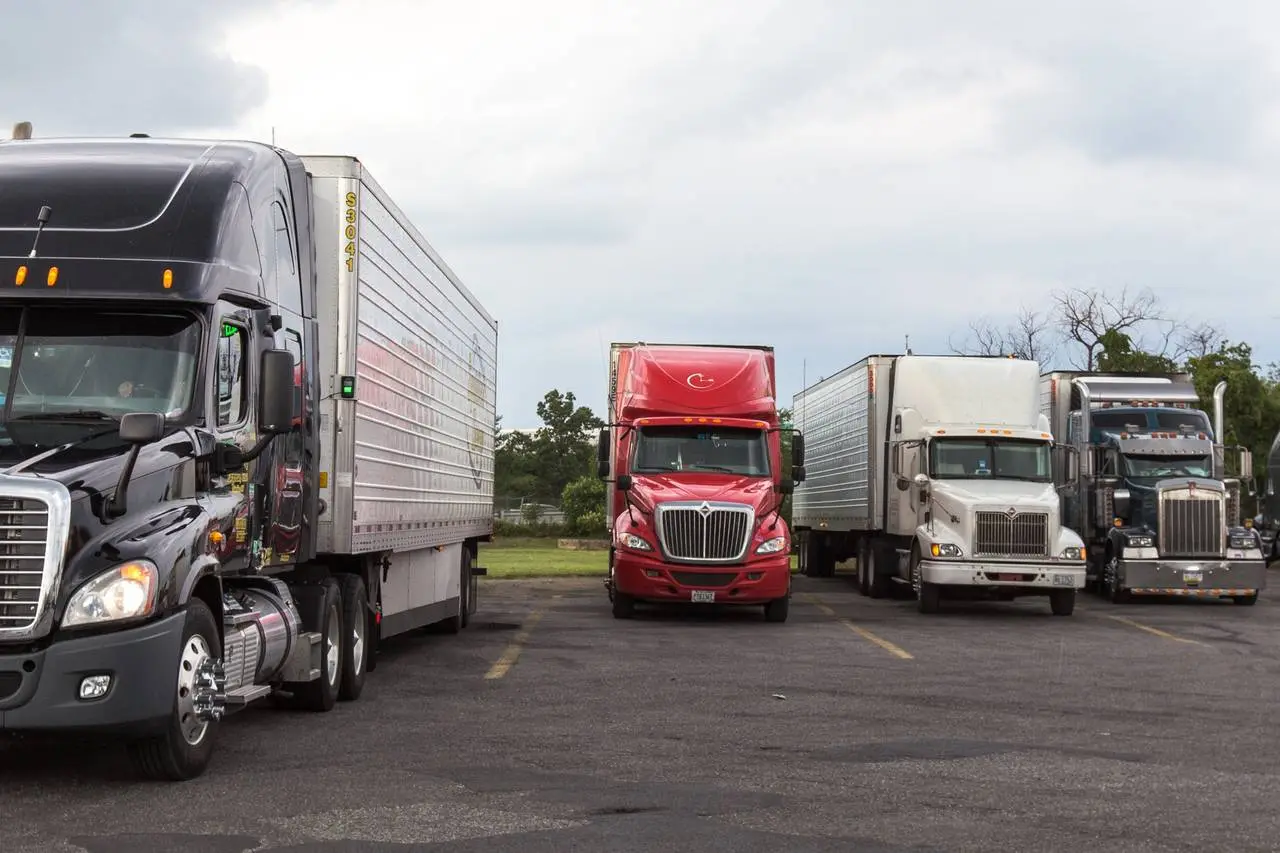
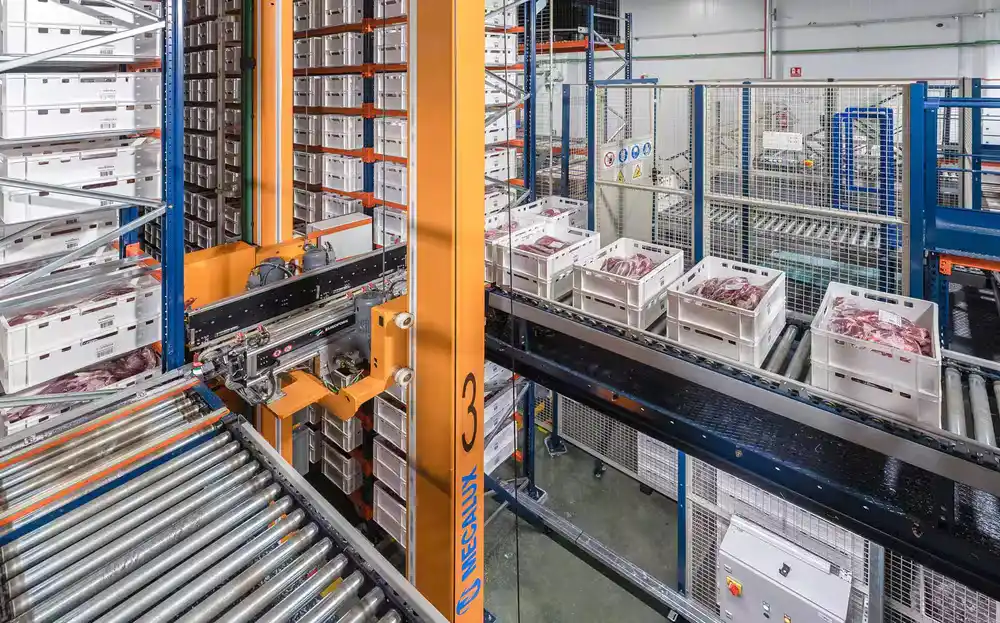
Cold chain logistics has become one of the most critical parts of modern global supply chains, especially in industries where even a small temperature change can destroy product quality. From life-saving vaccines to fresh food deliveries, cold chain logistics management ensures that temperature-sensitive goods remain safe, effective, and usable from origin to final delivery.
At Bearcat Express, we see how timing, handling, and local delivery precision directly affect product integrity in real-world logistics operations. This is not just theory; it’s a daily operational challenge across healthcare, food distribution, and retail supply chains. In this guide, we break down how the system actually works, where it matters most, and how businesses can improve reliability using modern cold chain supply chain management practices.
Quick Answer: What Is Cold Chain Logistics Management?
Simple Definition (Snippet-Optimized)
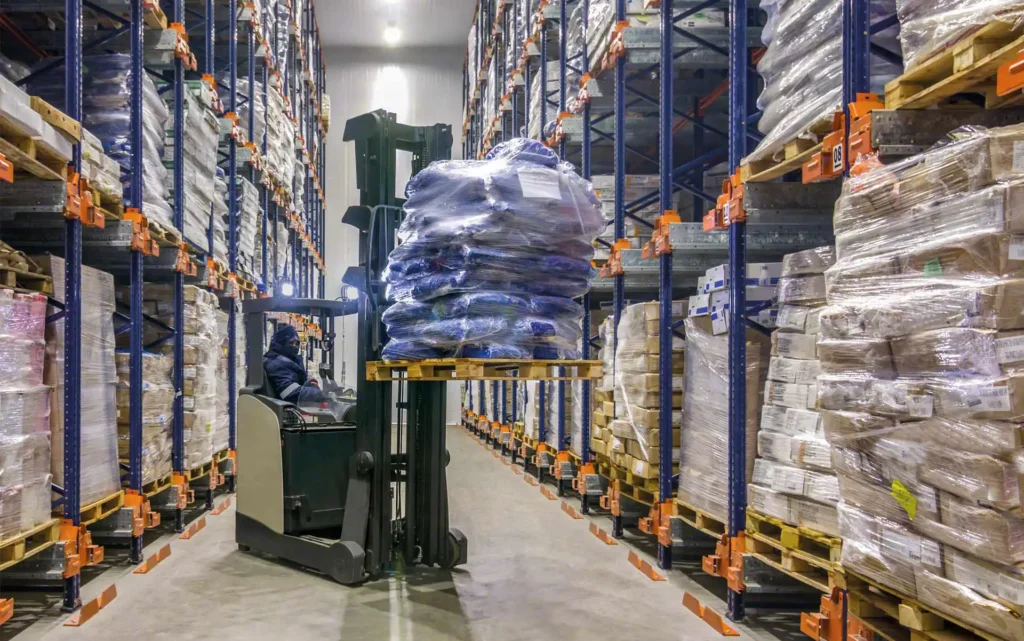
Cold chain logistics management is the coordinated process of storing, packaging, monitoring, and transporting products that must stay within a specific temperature range to remain safe or effective. It applies to anything that degrades, spoils, or loses potency when exposed to heat, cold, or fluctuating conditions, from vaccines and blood samples to seafood and fresh flowers.
Good cold chain management is not a single step. It is a chain, and every link matters. If the storage facility is perfect but the vehicle used for transport is not, the shipment is still at risk. This is why cold chain supply chain management has to be treated as one continuous system rather than a series of disconnected handoffs.
Cold Chain vs. Traditional Shipping: Key Differences
Traditional shipping asks one question: did the package arrive intact? Cold chain transportation asks a second, harder question: did the package arrive within the correct temperature window the entire time? A courier can deliver a box on time and still fail the customer if the contents warmed up during a thirty-minute wait at a loading dock.
That distinction changes everything about how a delivery should be planned, tracked, and executed. Standard packaging, standard routing, and standard handoff procedures are not built for products that start degrading the moment conditions shift.
Common Use Cases for Cold Chain Logistics
Not every business that needs cold chain transportation thinks of it in those terms. Most just know that something they are shipping cannot afford to sit in a hot van or a warm hallway. Here are the situations where that need shows up most often across our delivery area.
Medical & Pharmaceutical Deliveries
Lab specimens, blood samples, vaccines, and STAT medical deliveries are some of the least forgiving shipments in any industry. A blood sample left too warm for even twenty minutes can become unusable, forcing a patient to be redrawn. Hospitals and labs in our service area rely on fast, temperature-aware handling precisely because a delay does not just cost money; it can delay a diagnosis.
Perishable Food & Floral Shipments
Restaurants, caterers, and florists deal with a narrower margin for error than most people realize. A wholesale seafood order that sits too long before refrigeration can be rejected on arrival. A florist preparing for a same-day wedding cannot afford wilted stems because a delivery van idled in July heat for an hour.
Time-Sensitive Business Deliveries
Not every cold chain shipment is medical or edible. Businesses in cosmetics, biotech, and specialty manufacturing often ship temperature-sensitive samples, reagents, or components that need the same level of care, just with less public attention. These shipments benefit from the same cold chain management solutions used in healthcare, scaled to the product.
How Cold Chain Logistics Works, Step-by-Step
Cold chain supply chain management breaks down into four practical stages, and each one is a point where a shipment either stays protected or starts to lose ground. Understanding all four matters more than mastering any single one.
Temperature-Controlled Packaging & Insulation
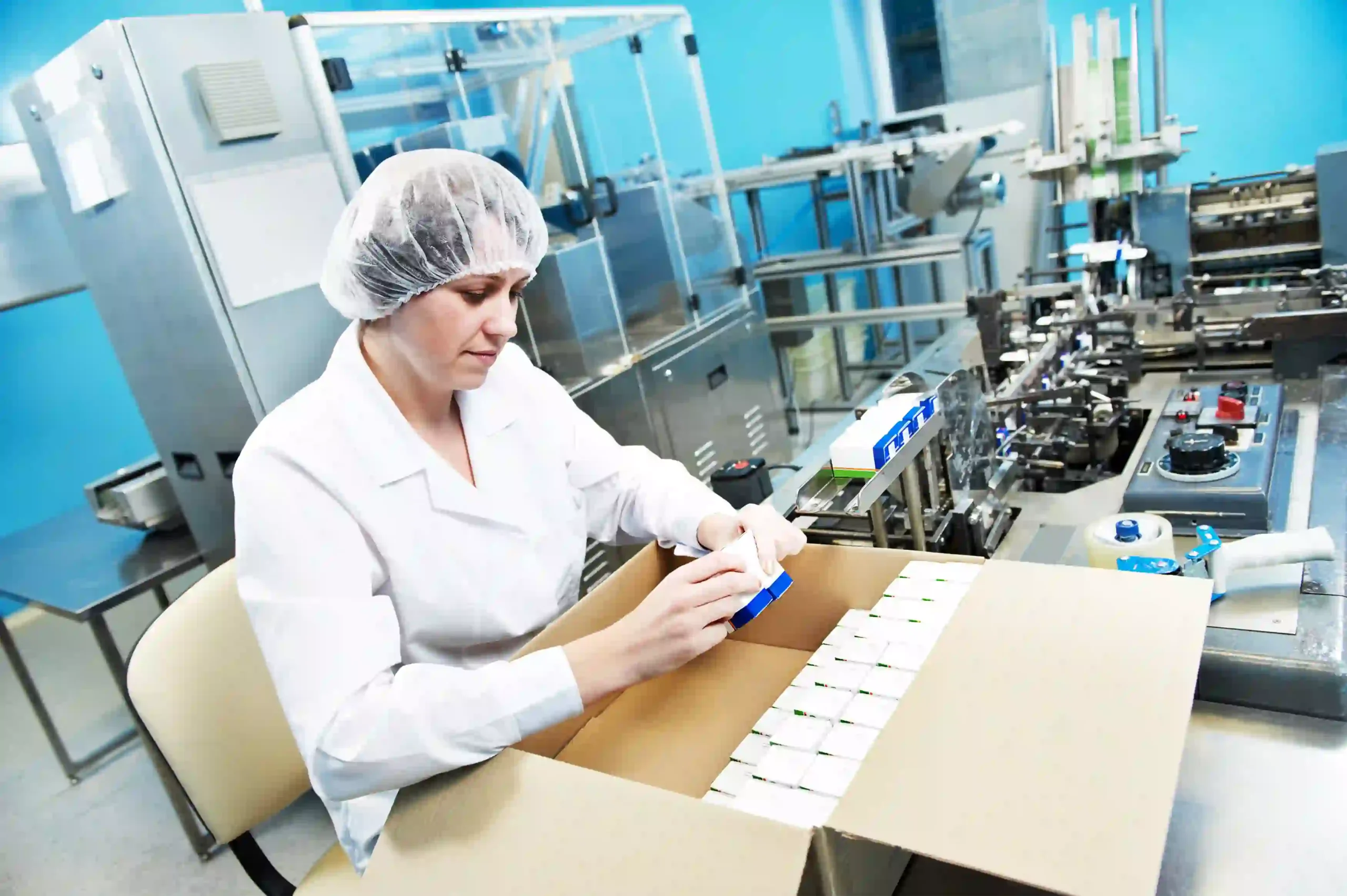
Insulated containers, gel packs, and in some cases dry ice are chosen based on how long the shipment will be in transit and what temperature range the product needs. Packaging is the first line of defense, but it is only designed to hold a temperature for a limited window, not indefinitely.
Real-Time Tracking & Monitoring
Modern cold supply chain management increasingly relies on live tracking so that dispatchers and customers know exactly where a shipment is and how long it has been in transit. This visibility matters because it lets a courier react to a delay before the product is compromised, not after.
Fast Transit Time (Why Speed Reduces Risk)
This is the part most cold chain guides skip. Every temperature-controlled package is really operating on a countdown. The faster it moves from pickup to delivery, the less the packaging has to work and the smaller the margin for error. A same-day, direct-route delivery model shortens that countdown dramatically compared to multi-stop, next-day freight networks, where a package might sit in a sorting facility overnight.
Compliance and Handling Standards
Pharmaceutical and medical shipments often carry specific handling requirements, from chain-of-custody documentation to proof of delivery timestamps. Reliable cold chain logistics management builds these steps into the process rather than treating them as paperwork added at the end.
Key Components of a Reliable Cold Chain
These four pieces work together as a system. Remove any one of them and the rest cannot fully compensate for the gap.
Proper Packaging Solutions
The right container size, insulation type, and coolant method depend on the product, the distance, and the outside temperature that day. A gel pack that works fine in March will not hold the same window in August.
Trained, Careful Handling
Drivers who understand why a cooler cannot sit in a hot vehicle for twenty extra minutes make different decisions than drivers who see it as just another box. This is a first-hand operational detail: the difference between a shipment arriving perfect and arriving compromised often comes down to whether the driver treats the pickup-to-delivery window as fixed or flexible.
Real-Time Visibility Tools
Customers and dispatchers benefit from knowing transit status without having to call and ask. This reduces the number of “where is my package” calls and gives staff the ability to intervene early if a delay is developing.
Dependable Same-Day Transport
Every other component in this list supports the same goal: shortening the amount of time a temperature-sensitive product spends outside controlled conditions. A courier built around direct, same-day routing treats speed as a core part of temperature protection rather than a separate service feature, and that mindset shapes everything from how routes are planned to how quickly a driver leaves the pickup location.
Common Cold Chain Failures, And How to Avoid Them
Most failures trace back to one of three root causes, and all three are preventable with the right process rather than expensive new equipment.
Delays in Transit
The single biggest cause of cold chain failure is time, not equipment. A courier network with multiple stops, hub transfers, or next-day scheduling multiplies the number of points where a shipment can sit still. Avoiding this means choosing direct, same-day routing whenever the product cannot tolerate a long window.
Inconsistent Handling
A shipment can pass through several hands between pickup and delivery. If even one handler leaves it in a hot vehicle or an unrefrigerated space, the entire chain is broken. Reducing the number of handoffs is one of the most effective ways to protect a temperature-sensitive package.
Lack of Real-Time Visibility
Without tracking, a delay often goes unnoticed until the customer opens the package. Cold chain management solutions that include live status updates catch problems while there is still time to fix them, such as rerouting a driver or notifying the recipient to prepare for immediate refrigeration on arrival.
Best Practices for Managing Temperature-Sensitive Deliveries
None of these practices require expensive new technology. They require consistent execution, every single time, regardless of how busy the day gets.
Choose a Fast, Local Delivery Partner
A courier with local drivers who know the fastest routes across Georgia and Alabama can shave real time off a delivery window compared to a national network routing everything through a distant sorting hub. For time-sensitive cold chain shipments, that difference in minutes often determines whether the product arrives usable.
Use Proper Insulated Packaging
Match the packaging to the season, the distance, and the product. A twenty-minute local delivery needs less insulation than a two-hour cross-region trip, and over-packaging wastes money while under-packaging risks the shipment.
Track Every Shipment in Real Time
Whether it is a hospital lab waiting on a specimen or a restaurant expecting a seafood delivery, giving the recipient visibility into transit status reduces anxiety and allows them to prepare for immediate handling the moment the package arrives.
Why Same-Day Delivery Is the Smartest Cold Chain Solution
Most cold chain advice focuses on packaging and monitoring technology, and both matter. But the factor that actually determines outcomes most often is transit time. A well-insulated cooler can only buy a shipment so many hours before internal temperatures start to shift. Cutting the delivery window from next-day to same-day, or from multi-stop to direct route, does more to protect a temperature-sensitive product than almost any packaging upgrade.
This is the operational reality Bearcat Express is built around. Rather than treating cold chain support as an add-on, our same-day model is structured so that temperature-sensitive pickups move directly and quickly, minimizing the number of hours a shipment spends vulnerable. For labs, medical facilities, florists, and food businesses across our service area, that speed is often the difference between a delivery that works and one that has to be redone.
Final Thought
Cold chain logistics management comes down to one simple truth: temperature-sensitive products are always racing the clock, and every hour saved in transit is an hour of risk removed. Good packaging and monitoring help, but speed is what actually protects the shipment. That is the principle Bearcat Express builds every same-day delivery around, whether it is a hospital lab specimen, a florist’s same-day order, or a time-sensitive business shipment.
If your business regularly ships temperature-sensitive products across Georgia or Alabama, our Same Day Delivery Service Augusta GA team can walk you through the right approach for your specific shipments. Contact us today to talk through your cold chain needs and get a delivery plan built around speed, care, and reliability.
Frequently Asked Questions
How long can temperature-sensitive packages stay in transit?
It depends on the product and packaging, but most cold chain shipments are designed to hold their target temperature for a few hours with proper insulation. The safest approach is always to minimize transit time rather than rely on packaging to extend the window indefinitely.
What is cold chain compliance?
Cold chain compliance refers to meeting the documentation, handling, and temperature-monitoring standards required for regulated products like medical specimens or pharmaceuticals. This often includes proof of pickup and delivery times, chain-of-custody records, and confirmation that the product stayed within its required range.
What equipment keeps shipments cold during delivery?
Common equipment includes insulated shipping containers, gel packs, dry ice for extremely low temperatures, and in some cases temperature-monitoring sensors that track conditions throughout the trip. The right combination depends on the product, the distance, and the outside temperature.
Is same-day delivery better than standard shipping for cold chain products?
Yes, in most cases. Same-day, direct-route delivery reduces the number of hours a temperature-sensitive product spends outside controlled storage, which lowers the risk of spoilage or degradation compared to multi-stop or next-day shipping methods.
What industries rely most on cold supply chain management?
Healthcare and medical labs, food and beverage businesses, florists, and specialty manufacturers all depend on reliable cold chain transportation. Any business shipping a product that changes state, spoils, or loses effectiveness when exposed to the wrong temperature needs some level of cold chain management, and most benefit from same-day rather than next-day handling.