
Rising logistics costs, fluctuating demand, and increasing delivery expectations are pushing businesses to rethink how they store and distribute inventory. Instead of committing to long-term leases or maintaining underused facilities, many are asking a practical question: What is a shared warehouse space, and can it address modern storage and fulfillment needs? A shared warehouse space allows multiple businesses to use the same facility, infrastructure, and services without leasing the entire building.
This approach is increasingly adopted by e-commerce brands and regional distributors seeking flexibility, cost efficiency, and faster local distribution, including providers such as Bearcat Express.
What Is a Shared Space Warehouse?
Definition of Shared Space Warehousing
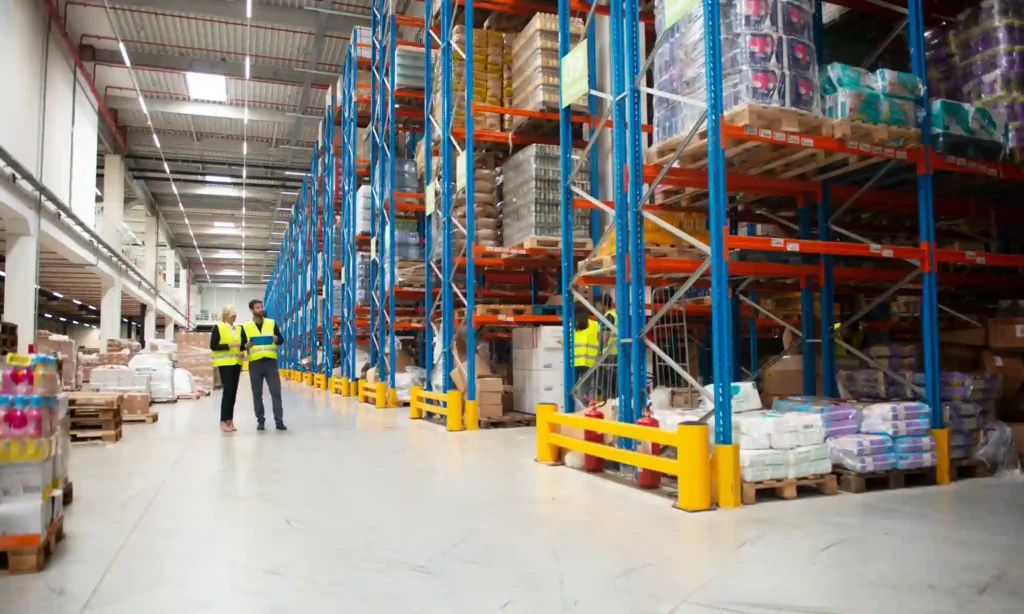
A shared space warehouse is a logistics facility where multiple businesses store goods within a single warehouse location while sharing operational resources. Instead of dedicating the entire warehouse to one tenant, the space is divided physically or operationally based on each client’s needs.
This concept is also known as a shared warehouse, warehouse share space, or shared warehousing, and it focuses on pay-for-what-you-use storage rather than fixed overhead. Companies typically pay based on pallet positions, square footage, or volume handled.
Bearcat Express is a logistics provider that supports local storage, fulfillment coordination, and time-sensitive delivery operations.
How Shared Space Warehousing Works
Shared warehousing operates through a centralized warehouse management system (WMS) that tracks inventory for each business separately. While the physical space is shared, inventory ownership, access, and reporting remain distinct.
Common operational elements include:
- Shared loading docks and material handling equipment
- Centralized labor for receiving, picking, and packing
- Segmented inventory zones or racking systems
- Technology-driven access and reporting controls
This setup allows a shared warehouse model to operate efficiently without sacrificing accuracy or security.
Evolution of Shared Warehousing Models
Historically, shared warehousing was used primarily for seasonal overflow. Today, it has evolved into a scalable logistics solution driven by:
- E-commerce growth
- Shorter delivery windows
- Rising real estate and labor costs
- On-demand fulfillment expectations
Modern shared warehouse facilities now integrate automation, real-time inventory visibility, and direct courier connectivity to support faster order movement.
Shared Space Warehouse vs Dedicated Warehouse
Key Differences Explained
The core difference between a shared warehouse and a dedicated warehouse lies in exclusivity and cost structure. A dedicated warehouse serves a single business, while a shared space warehouse serves multiple clients simultaneously.
Shared warehousing emphasizes flexibility and cost efficiency, whereas dedicated facilities prioritize full operational control.
Cost, Control, and Flexibility Comparison
Shared Warehouse:
- Lower upfront and ongoing costs
- Flexible space allocation
- Shared labor and infrastructure
- Less operational customization
Dedicated Warehouse:
- Higher fixed expenses
- Full control over layout and processes
- Long-term lease commitments
- Best for consistent, high-volume operations
For many businesses, a warehouse share space strikes the right balance between affordability and functionality.
Which Warehouse Model Is Right for Small vs Large Businesses
Small and mid-sized businesses often benefit more from shared warehousing due to limited capital and variable demand. Large enterprises with stable, predictable volume may still prefer dedicated facilities.
However, even large companies increasingly use shared warehouse solutions for regional distribution or market testing.
Key Features of a Shared Space Warehouse
Optimized Space Utilization
Shared warehouse environments are designed to maximize space efficiency. Storage areas are dynamically allocated based on demand, reducing wasted square footage and idle capacity.
This is particularly valuable for businesses with fluctuating inventory levels.
Shared Resources & Infrastructure
In a shared warehousing model, businesses benefit from access to:
- Forklifts and pallet jacks
- Packing stations
- Security systems
- Climate-controlled zones
Sharing these resources significantly lowers operational costs without reducing service quality.
Technology, Security, and Inventory Access
Advanced warehouse management systems ensure:
- Real-time inventory tracking
- Role-based access control
- Audit trails and reporting
- Secure segregation of goods
A modern shared warehouse operates with the same data integrity standards as a private facility.
Benefits of Using a Shared Space Warehouse
Cost Efficiency & Reduced Overhead
One of the primary advantages of a shared space warehouse is cost reduction. Businesses avoid expenses related to:
- Long-term leases
- Full-time warehouse labor
- Equipment purchases
- Maintenance and utilities
Costs are distributed across multiple users, making shared warehousing financially efficient.
Scalability and Operational Flexibility
Shared warehousing allows companies to scale storage up or down quickly. This is ideal for:
- Seasonal sales spikes
- Product launches
- Market expansion
- Inventory testing
A shared warehouse adapts as business needs change.
Supply Chain & Fulfillment Advantages
By positioning inventory closer to end customers, shared warehouse facilities reduce transit times and shipping costs. This is especially valuable when paired with regional delivery services.
Businesses using shared warehousing often see improved order accuracy and fulfillment speed.
Faster Order Processing & Distribution
Centralized labor and optimized workflows enable faster pick-and-pack operations. When integrated with local courier networks, orders can move from shelf to customer in hours instead of days.
Who Should Use a Shared Space Warehouse?
E-commerce & Online Sellers
Online retailers benefit greatly from shared warehousing due to unpredictable order volume and rapid growth cycles. A shared warehouse provides professional fulfillment without the cost of building an in-house operation.
Local & Regional Businesses
Businesses serving specific geographic areas can leverage shared warehouse locations to support faster delivery and better inventory positioning.
This model aligns well with companies relying on Local Courier Service Augusta, GA, for same-day or next-day distribution.
Startups, SMEs, and Seasonal Businesses
Startups and seasonal brands often lack the stability needed for long-term leases. Shared warehousing provides a low-risk entry point into professional logistics infrastructure.
How Shared Space Warehouses Support Logistics & Delivery
Faster Last-Mile Delivery Support
Shared warehouse locations placed near urban centers reduce last-mile delivery distance. This directly improves delivery speed and lowers fuel and labor costs.
Courier providers frequently integrate shared warehousing with last-mile operations.
Same-Day & Local Distribution Enablement
A strategically located shared warehouse makes same-day delivery possible by staging inventory closer to customers. This is particularly effective for local retail, medical supplies, and time-sensitive goods.
Reduced Fulfillment Time for Orders
When warehousing and courier operations are aligned, fulfillment cycles shrink dramatically. This operational efficiency supports higher customer satisfaction and repeat business.
Challenges of Shared Space Warehousing
Space & Resource Coordination
Since multiple businesses share the same facility, coordination is critical. Poor scheduling or inaccurate forecasting can create bottlenecks during peak periods.
Choosing an experienced operator minimizes these risks.
Inventory Management Risks
Without robust systems, shared warehousing can introduce inventory discrepancies. Businesses should ensure clear ownership tracking, regular audits, and transparent reporting.
Legal, Compliance & Insurance Considerations
Contracts, liability coverage, and compliance standards must be clearly defined. Reputable shared warehouse providers outline responsibilities related to loss, damage, and regulatory compliance upfront.
How to Choose the Right Shared Space Warehouse
Location & Accessibility
Proximity to customers and transportation hubs is essential. A well-located warehouse share space reduces transit time and shipping expenses.
Local distribution alignment is especially important for businesses offering expedited delivery.
Storage Needs & Volume Assessment
Evaluate:
- Average and peak inventory levels
- SKU variety
- Special handling requirements
A shared warehouse should match both current and future needs.
Technology, Security, and Service Support
Look for facilities offering:
- Modern WMS platforms
- Secure access controls
- Integration with courier and fulfillment services
These elements ensure operational reliability and scalability.
Final Thoughts
Shared space warehousing reflects how modern supply chains operate flexibly, data-driven, and customer-focused. As delivery expectations continue to rise, businesses need storage solutions that adapt quickly without locking them into long-term costs.
For companies seeking smarter logistics strategies, shared warehousing is not just a trend; it is a practical response to today’s market demands.
If you are evaluating shared warehouse options or seeking to enhance local fulfillment efficiency, contact us to explore solutions tailored to support your growth with the expertise and reliability of Bearcat Express.
FAQs
What is a shared warehouse space used for?
A shared warehouse space is used to store inventory for multiple businesses within one facility while keeping stock managed separately. It supports flexible storage, fulfillment, and distribution needs.
Is a shared warehouse suitable for small businesses?
Yes, shared warehousing is ideal for small businesses because it reduces fixed costs and allows scalable storage without long-term commitments.
How secure is a shared warehouse?
Modern shared warehouse facilities use controlled access, inventory tracking systems, and surveillance to ensure each client’s goods remain secure.
What types of businesses benefit most from shared warehousing?
E-commerce brands, regional distributors, startups, and seasonal businesses benefit most due to variable demand and growth patterns.
Can shared warehousing support fast local delivery?
Yes, when combined with local courier networks, shared warehouse locations enable same-day and next-day delivery with reduced fulfillment time.