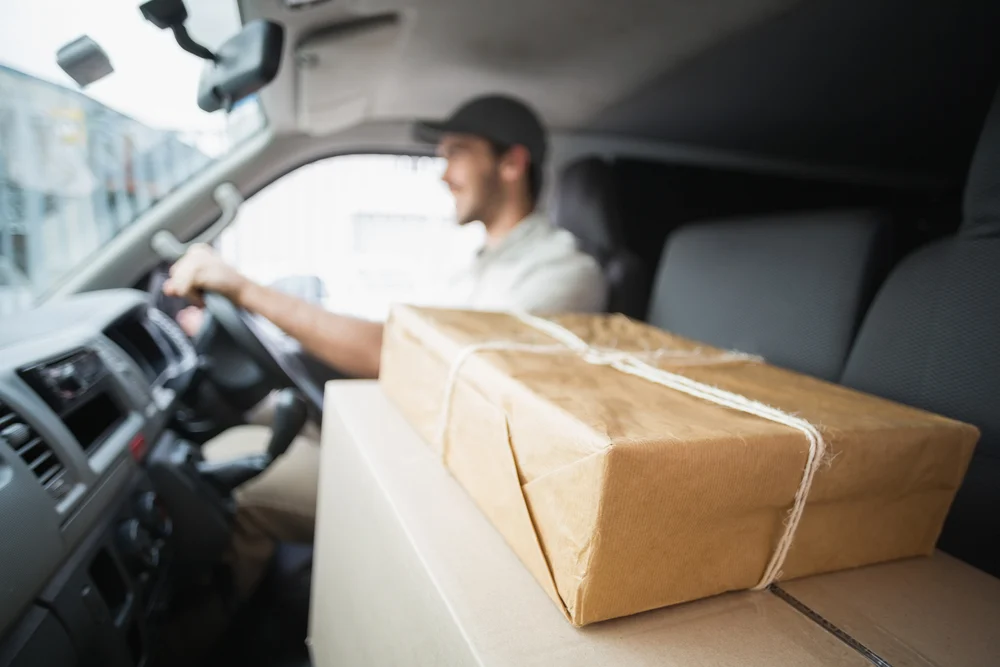
A shipment sits at a loading dock, ready to go, and then it stalls. The driver waits. The receiver calls. Somewhere in the paperwork, a signature is missing or a line item doesn’t match the truck. That document is the bill of lading, and when it’s wrong, it can hold up delivery no matter how close the destination is.
Understanding what a bill of lading is, and why it matters for short local runs, saves businesses from this delay. Bearcat Express handles shipment paperwork daily across Georgia and Alabama, and these questions come up often enough to deserve a clear answer.
What Is a Bill of Lading in Shipping?
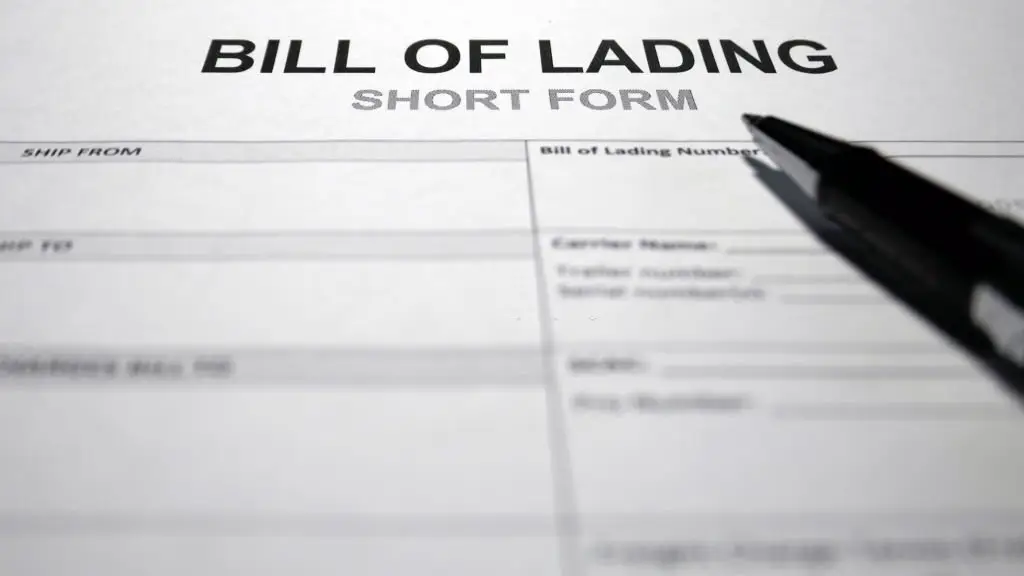
A bill of lading, often shortened to BOL, is a document that a carrier gives to a shipper at the time of pickup. In plain terms, it confirms that the carrier has taken possession of specific goods and agrees to transport them to a named destination. If someone asks you to explain bill of lading in a single sentence, it’s this: it’s proof that a shipment existed, was picked up, and belongs to a specific delivery agreement.
The bill of lading meaning goes beyond a simple receipt, though. It carries legal weight, and courts and insurers treat it as the primary record of what was shipped, when, and under what conditions. Once a business understands the full bill of lading meaning, it becomes obvious why skipping this step, even for a quick local run, is a risk not worth taking.
The Three Main Functions
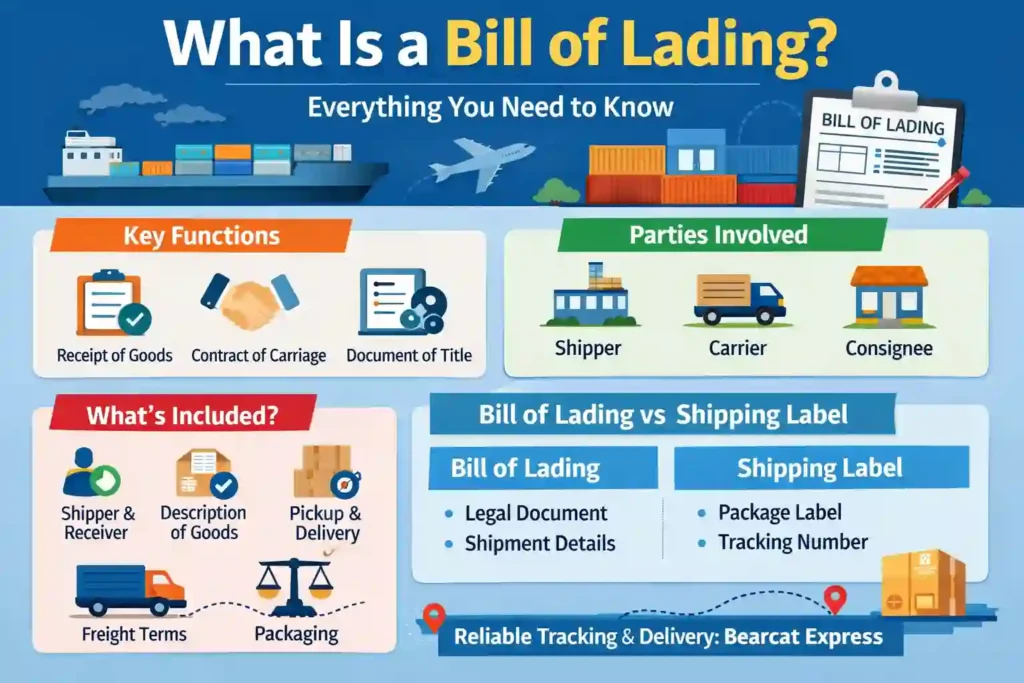
A bill of lading does three distinct jobs at once.
First, it acts as a receipt for the goods. The carrier is confirming, in writing, that the shipment was received in a certain condition and quantity. If a box arrives crushed and the BOL noted “damaged corner” at pickup, that single line can settle a liability dispute in minutes instead of weeks.
Second, it serves as a contract of carriage. It spells out the terms both the shipper and the carrier agreed to, including delivery timing, handling instructions, and responsibility if something goes wrong along the way.
Third, in many cases, it functions as a document of title. This means whoever legally holds the bill of lading has a claim to the goods described on it. This function matters most in freight and wholesale transactions, less so in everyday local deliveries, but it’s part of why the document is treated so seriously.
Who Are the Parties Involved in a Bill of Lading?
Every bill of lading names three parties, and mixing up their roles is one of the fastest ways to create confusion at delivery.
Shipper
The shipper is the party sending the goods. This is usually the business or individual who packed the shipment and requested the pickup. The shipper is responsible for accurately describing what’s inside, including weight, quantity, and any special handling needs.
Carrier
The carrier is the company physically transporting the goods, from pickup to final delivery. The carrier fills out or confirms most of the BOL details and is legally responsible for the shipment while it’s in transit.
Consignee
The consignee is the receiving party. Their name and address on the bill of lading tell the carrier exactly who is authorized to accept the shipment. If a warehouse worker signs for a delivery meant for someone else’s dock, that mismatch traces straight back to what was written on the BOL.
What Information Is Included in a Bill of Lading?
A properly filled-out bill of lading isn’t just a formality. Each field protects one of the parties involved if something goes sideways.
Shipper and Receiver Details
Full names, business names, and addresses for both ends of the shipment. This sounds basic, but a wrong suite number or a missing contact name is one of the most common reasons a local delivery gets delayed at the last mile.
Description of Goods
What’s actually being shipped, in specific terms. “Boxes” is not a description. “12 boxes, retail inventory, 40 lbs total” is. Vague descriptions on a bill of lading and its accompanying paperwork create disputes if a shipment goes missing or arrives short.
Pickup and Delivery Locations
The exact origin and destination, including any special access instructions like loading dock numbers or delivery windows.
Freight Terms and Packaging Details
This section covers who is paying for the shipment, how the goods are packaged (pallet, carton, crate), and any handling requirements such as “fragile” or “this side up.”
Types of Bills of Lading You Should Know
Not every shipment needs the same kind of documentation, and knowing which type applies avoids unnecessary paperwork.
Straight Bill of Lading
This is the most common type for standard deliveries. It names a specific consignee, and only that consignee can receive the goods. It’s non-negotiable, meaning ownership can’t be transferred to someone else mid-shipment. Most local and regional deliveries use this format because the sender already knows exactly who is receiving the goods.
Order Bill of Lading
This version allows the goods to be transferred to a new owner while still in transit, through endorsement. It’s used far more often in wholesale or export transactions than in local same-day delivery, but it’s worth knowing the difference so you don’t request the wrong type for a straightforward local shipment.
Electronic Bill of Lading
Paper BOLs are steadily being replaced by digital versions. An electronic bill of lading captures the same information but is generated, signed, and stored digitally, which cuts down on lost paperwork and speeds up proof-of-delivery access. For any business managing frequent shipments, digital records also make it far easier to pull up documentation weeks later if a billing question comes up.
When Is a Bill of Lading Required?
A full bill of lading is standard for freight shipments, wholesale transfers, and anything crossing state lines in bulk. For smaller local or same-day deliveries, some businesses assume no documentation is needed at all, which is a mistake. Even a short trip across town benefits from a simplified version of this record, since it still confirms what was picked up, when, and who signed for it. The scale of the paperwork can shrink for local runs, but the core protection it offers, proof that a shipment happened as agreed, stays valuable regardless of distance.
Bill of Lading vs. Delivery Receipt vs. Shipping Label
These three documents get confused constantly, and mixing them up causes real problems.
A bill of lading is issued at pickup and functions as a contract and receipt combined. A delivery receipt, sometimes called a proof of delivery, is generated at the point of drop-off and confirms the shipment arrived, often with a signature or timestamp. A shipping label is neither a contract nor a legal receipt. It’s simply an address and routing tag attached to the outside of a package.
The bill of lading vs packing slip comparison trips people up too. A packing slip lists the contents of a specific box or pallet for the receiver’s reference, mainly for inventory purposes. It has no legal weight the way a bill of lading does, and it typically doesn’t require a signature. If a business only keeps packing slips and skips the bill of lading, they have no contractual proof of the shipping agreement if a dispute comes up later. Anyone comparing a bill of lading vs packing slip side by side will notice the packing slip is really an internal reference tool, not a legal record.
How Local Courier Services Handle Shipment Documentation
Same-day and local courier operations handle documentation differently than long-haul freight, mainly because speed matters as much as accuracy. Bearcat Express builds this into daily operations across its Georgia and Alabama service areas.
Digital Shipment Records
Instead of relying on paper trails that can get lost in a driver’s cab, digital shipment records capture pickup details, item descriptions, and timestamps the moment a package is collected. This means a business can pull up shipment history instantly instead of digging through file cabinets.
Real-Time Tracking
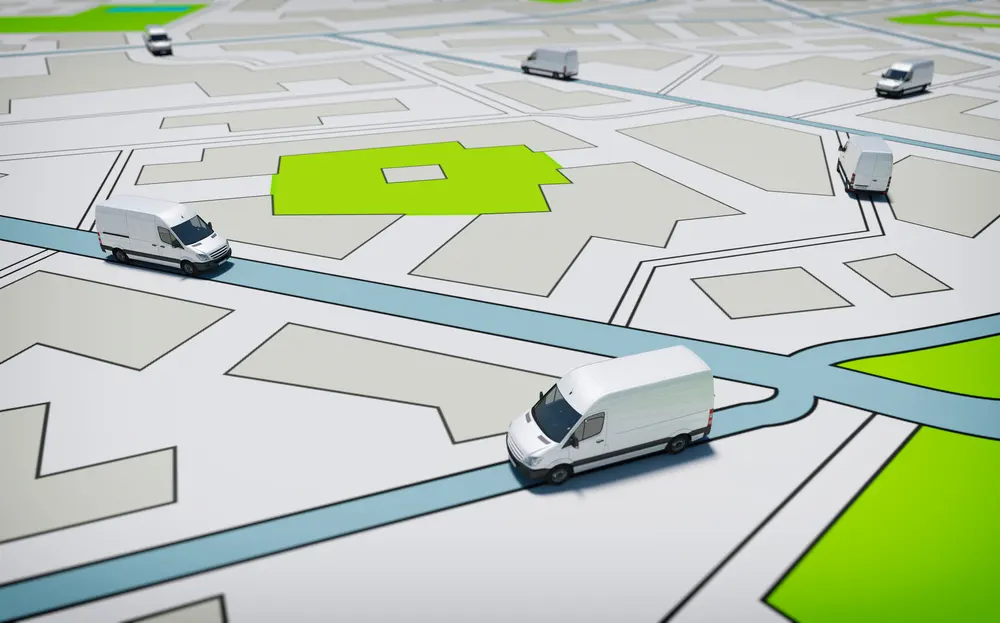
Modern courier services pair shipment documentation with live tracking, so both the shipper and the receiver know exactly where a package is at any point during transit. This reduces the anxious phone calls asking “where is it” that used to be routine in courier work.
Delivery Confirmation and Signature Proof
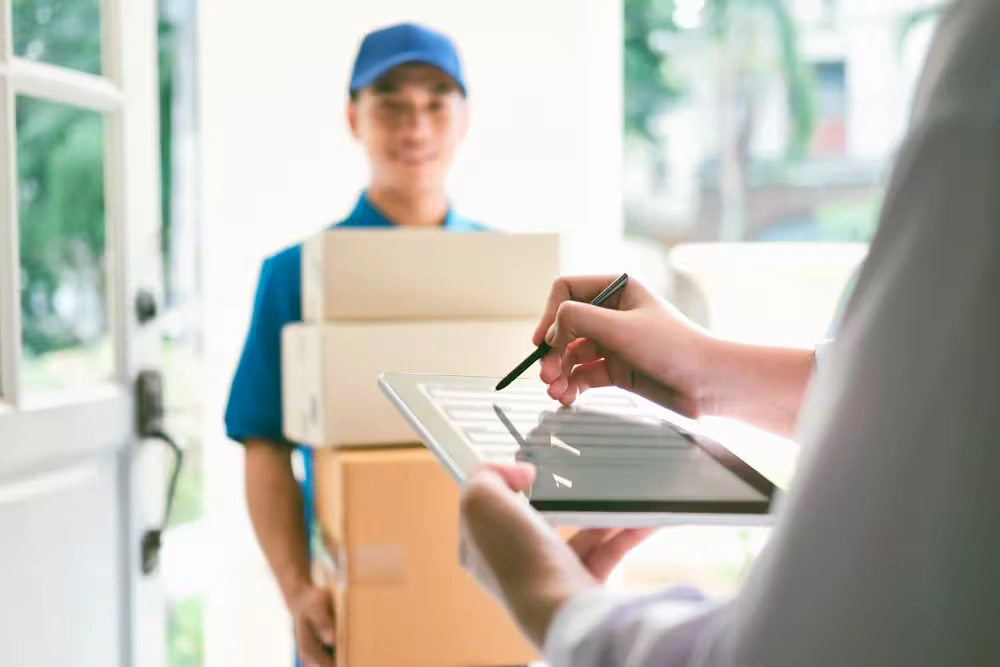
At drop-off, a digital signature or photo confirmation replaces the old clipboard-and-pen method. This closes the loop on the shipment record and gives both parties a timestamped confirmation that the delivery was completed as agreed.
You may also read: What Is Hub and Spoke Model?
Common Mistakes Businesses Make With Shipping Documents
The same handful of errors show up again and again. Vague item descriptions that don’t match what’s actually in the box. Missing or incorrect consignee details, which delays delivery at the final stop. Skipping documentation altogether for local shipments because they seem too small to bother with. Failing to keep a copy of the signed BOL, which leaves a business with nothing to reference if a dispute comes up weeks later. And treating a shipping label as if it were legal proof of the shipping agreement, when it isn’t.
Quick Checklist: What to Verify Before You Sign
Before signing off on any bill of lading, confirm the shipper and consignee names and addresses are correct, the item description matches what’s actually being shipped, the quantity and weight listed are accurate, any special handling instructions are noted, and you’ve kept a copy for your own records. For businesses that ship regularly, whether it’s local same-day runs or scheduled deliveries, having a consistent documentation habit prevents most disputes before they start. Businesses that need a recurring pickup and delivery arrangement often benefit from setting up a Scheduled Delivery Augusta, GA plan, which keeps documentation and timing consistent shipment after shipment.
Final Thought
A bill of lading isn’t paperwork for the sake of paperwork. It’s the record that protects a business when a shipment goes exactly as planned and, more importantly, when it doesn’t. Whether goods are moving across the country or across town, knowing what this document does and double-checking it before signing saves time, money, and a lot of frustrating phone calls later. Bearcat Express handles this documentation as part of every pickup and delivery, so businesses across Georgia and Alabama don’t have to worry about missing paperwork slowing down a shipment. Contact us today to talk through your delivery and documentation needs.
Frequently Asked Questions
If you’re new to shipping documentation and someone asks you to explain bill of lading basics on the spot, these are the questions that come up most.
Who Issues the Bill of Lading?
The carrier issues the bill of lading at the time of pickup, though the shipper typically provides the initial shipment details that go into it. Both parties should review the document before the driver leaves to confirm everything is accurate.
Who Is the Consignee on a Bill of Lading?
The consignee is the person or business authorized to receive the shipment at its destination. Their name must match the name of whoever signs for the delivery, since a mismatch can delay or block the handoff.
Do Local or Same-Day Shipments Need One?
Yes, even short local deliveries benefit from a documented bill of lading, though it’s often simplified compared to long-haul freight paperwork. It still protects both the shipper and receiver by confirming what was sent and when it arrived.
What’s the Difference Between a Bill of Lading and an Invoice?
A bill of lading documents the shipping agreement and proof of pickup, while an invoice is a billing document requesting payment for goods or services. They serve entirely different purposes and shouldn’t be used interchangeably.
Can a Bill of Lading Be Corrected After It’s Signed?
Minor corrections can sometimes be made with an amendment noted and initialed by both parties, but significant changes usually require a new bill of lading altogether. It’s always better to catch errors before signing than to fix them afterward.