
In shipping and logistics, some terms are used so often that their true meaning is often overlooked, and commodity is one of them. Many business owners, eCommerce sellers, and first-time shippers still ask, what does commodity mean in real-world shipping. This question matters because the term directly affects pricing, handling requirements, insurance, and delivery timelines.
A commodity is not just any item being shipped; it is a standardized good valued for its uniformity rather than brand or customization. At Bearcat Express, understanding this distinction helps customers select the most efficient shipping solution, from bulk freight to urgent local deliveries.
What Is a Commodity in Shipping?
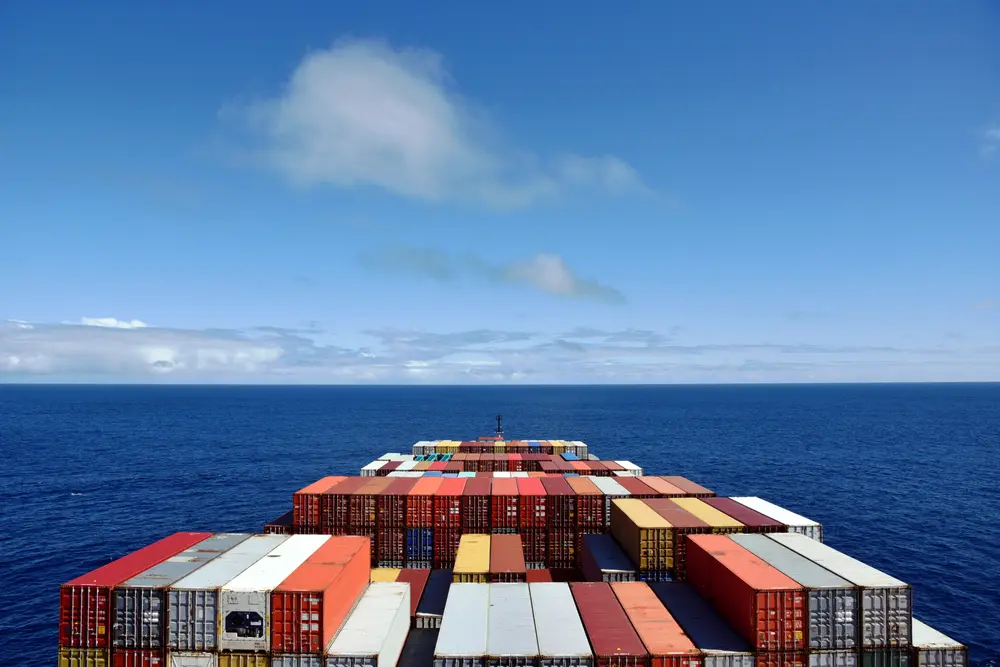
In shipping and logistics, a commodity refers to goods that are uniform in quality and characteristics, regardless of who produces them. When people ask what do commodity mean in logistics, the answer is about standardization.
Commodity vs Normal Goods
- Commodity: Wheat, fuel, steel, and interchangeable cement products.
- Normal goods: Branded electronics, custom furniture, and fragile artwork items with unique handling or value.
Real-World Shipping Example
If two companies ship 10 tons of wheat, the freight company treats both shipments the same. The pricing, storage, and handling rules apply uniformly. This is a classic freight commodity scenario.
For businesses that need Same Day Delivery Service in Augusta, GA, local commodity movement becomes faster, more reliable, and more predictable than traditional freight options.
Quick Overview (TL;DR)
- Simple meaning of a commodity: A standardized good that is interchangeable with others of the same type.
- Why it’s important in shipping: Commodities impact freight rates, packaging requirements, insurance, and handling procedures.
- Who benefits from this knowledge: Importers, exporters, manufacturers, retailers, and local businesses that regularly ship goods.
Explanation of the Term Commodity in Shipping
The Basics of Commodity
Commodity logistics relies on three core principles:
- Standardization: Quality and specifications are consistent.
- Interchangeable nature: One shipment can replace another without affecting value.
- Pricing structure: Prices depend on market demand, weight, volume, and distance, not branding.
Because of this structure, commodity shipping is often optimized for efficiency rather than customization.
Different Types of Commodities in Shipping
Agricultural Commodities
- Grains (wheat, rice, corn)
- Sugar, coffee, cotton
These dominate bulk and containerized shipping routes globally.
Energy Commodities
- Oil, gas, coal
These require strict safety, compliance, and specialized transport methods.
Metal & Industrial Commodities
- Steel, aluminum, copper
Often shipped as bulk freight or palletized loads.
Unusual or Special Commodities in Shipping
Not all commodities are “simple.”
- Temperature-sensitive items: Frozen foods, pharmaceuticals.
- Hazardous commodities: Chemicals, fuels, batteries.
- Oversized or high-risk goods: Construction materials or machinery inputs.
Each adds layers to commodity logistics, including compliance and risk management.
Commodity vs Cargo: What’s the Difference?
This is a common point of confusion.
- Commodity: Describes the nature of the goods (standardized).
- Cargo: Refers to anything transported, commodity or not.
Why This Difference Matters
- Commodities usually get predictable pricing.
- Cargo with special requirements costs more due to handling and insurance.
Understanding this difference helps businesses avoid misclassification and unexpected charges.
The Role of Commodities in the Shipping Industry
Importance of Commodities in Global Trade
Commodities form the backbone of international commerce. Almost every supply chain begins with a raw or semi-processed commodity that moves through ports, warehouses, and distribution centers.
How Commodities Move Through the Global Supply Chain
- Bulk shipping: Loose materials like grain or coal.
- Containerized shipping: Bagged or packaged commodities.
- Multimodal transport: Sea, rail, and road combined.
Each method supports efficient freight commodity movement.
Market Sensitivity of Commodities
Commodities are highly sensitive to:
- Supply and demand shifts
- Seasonal cycles
- Fuel prices and geopolitical factors
This volatility directly impacts shipping costs and availability.
How Commodities Influence Shipping Costs
Commodity shipping costs are determined by practical factors:
- Weight & volume: Heavier loads reduce per-unit cost but increase total freight.
- Handling requirements: Hazardous or sensitive items cost more.
- Risk & insurance: High-value commodities require added coverage.
Even local movements can vary widely depending on classification.
Common Shipping Methods for Commodities
- Bulk shipping: Best for loose materials.
- Container shipping: Protects bagged or boxed commodities.
- LCL vs FCL:
- LCL: Shared container, lower volume.
- FCL: Full container, cost-effective for large shipments.
Choosing the right method is central to effective commodity logistics.
You may also read: What Is Economy Shipping?
When Are Commodities Shipped in Containers?
Containerized Commodity Examples
- Packaged food ingredients
- Industrial powders
- Consumer raw materials
Benefits
- Protection from damage
- Easier tracking
- Lower loss risk
Limitations
- Not ideal for loose bulk materials
- Container availability affects pricing
How Incoterms Affect Commodity Shipping
Incoterms define who pays and who is responsible at each stage.
- Buyer vs seller responsibilities: Transport, insurance, duties.
- Risk transfer points: Where liability changes hands.
- Cost allocation: Impacts the final landed cost.
For commodities, Incoterms are critical because margins are often tight.
Challenges in Shipping Bulk Commodities
Commodity shipping is efficient but not without challenges:
- Damage & loss risk
- Storage limitations
- Regulatory compliance
Failure to plan properly can disrupt the entire supply chain.
Sustainability & Environmental Impact of Commodity Shipping
- Sea freight: Lower emissions per ton.
- Air freight: Faster but higher carbon footprint.
Many shippers now adopt eco-friendly practices such as optimized routing and fuel-efficient transport.
How We Help with Commodity & Local Shipments
Most shipping competitors focus primarily on long-haul freight, but many commodities also require local and urgent movement, particularly between suppliers, warehouses, and retailers. Bearcat Express addresses this need by offering small-scale commodity transfers, ensuring time-sensitive deliveries, and providing real-time tracking with secure handling. This approach allows businesses to move essential goods quickly and reliably, combining the efficiency of local courier services with the professionalism and security typically associated with larger freight operations.
Final Thoughts
Understanding what does commodity mean in shipping helps businesses control costs, reduce risk, and choose the right delivery method. Commodities drive global trade, but they also play a vital role in local supply chains where speed and reliability matter.
If you are unsure whether your shipment should be handled as freight or courier delivery, the best next step is to contact us. Bearcat Express can help you evaluate your shipment and choose the most efficient solution without unnecessary complexity.
Frequently Asked Questions
Is a commodity the same as a product?
No. A commodity is a standardized product, while many products are branded or customized. This distinction affects shipping classification and cost.
Can courier services ship commodities?
Yes. Smaller or time-sensitive commodities can be handled by couriers, especially for local or same-day needs.
Are commodities always shipped in bulk?
No. While bulk shipping is common, many commodities move in containers or pallets depending on volume and destination.
Which commodities are best for local or same-day delivery?
Packaged food ingredients, industrial supplies, and retail raw materials are ideal for same-day delivery when speed matters.
What’s commodity mean for shipping costs?
It means pricing is based on weight, volume, and market rates rather than brand value or customization.