Bearcat Express, a same-day courier serving Georgia and Alabama, sees firsthand why understanding what is pool distribution matters for businesses managing regular freight to the same region. This shipping strategy combines several smaller shipments into one full truckload instead of sending multiple half-empty trucks, which lowers transportation costs and speeds up delivery times.
As shipping costs continue climbing, businesses can no longer justify paying for space they don’t fully use. Local retailers shipping to multiple locations benefit most, since combining loads is far more cost-effective than paying for individual less-than-truckload shipments. This article breaks down how the process actually works, where it fits, and when it makes sense for your business.
What Is Pool Distribution? (Simple Explanation)
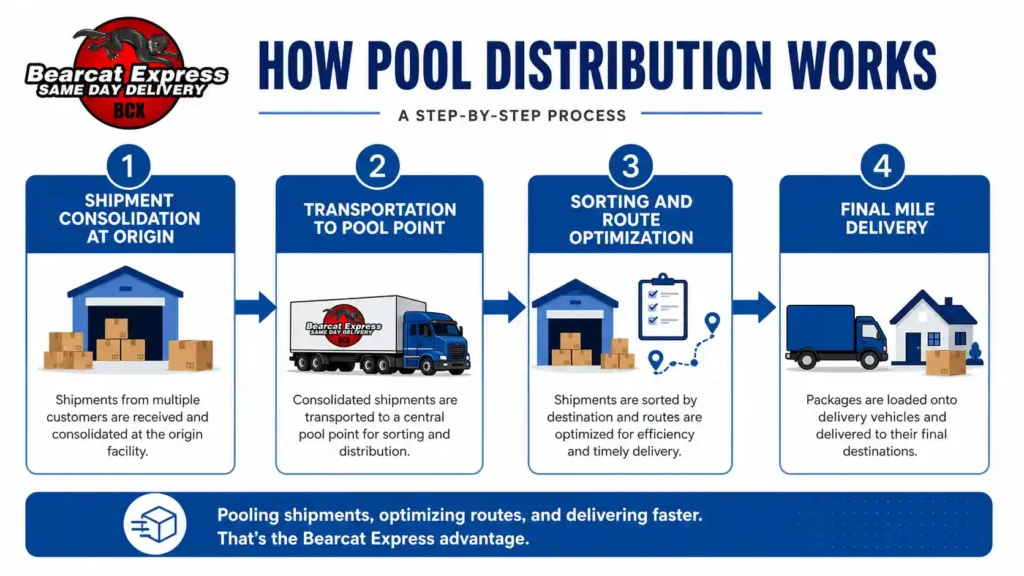
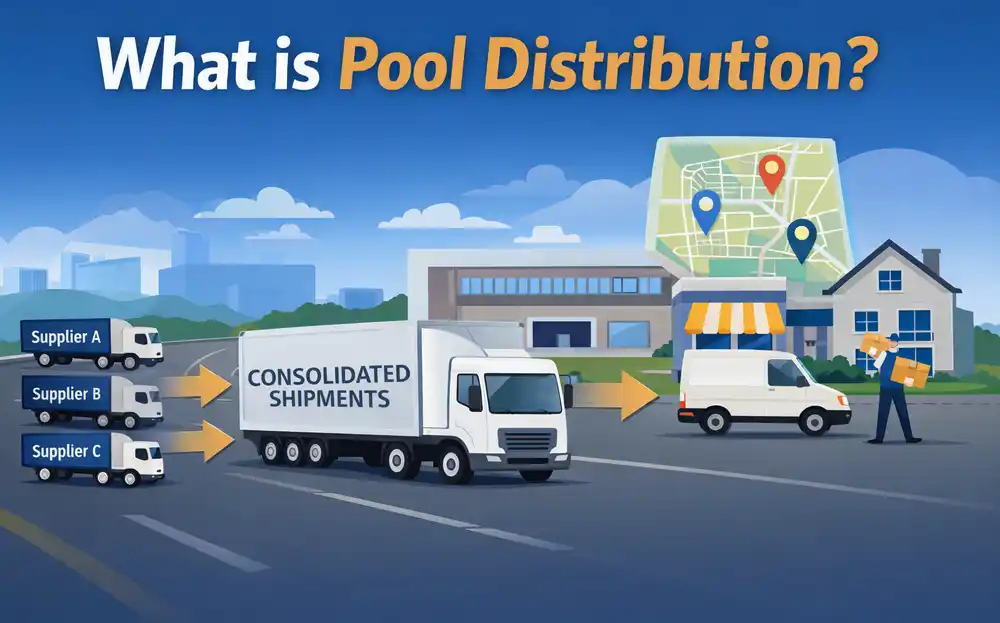
Pool distribution is a shipping method where multiple smaller shipments from one shipper are combined into a single truckload and sent to a shared destination area, then separated and delivered to their individual final stops. Instead of each order traveling alone in a partially filled truck, shipping pooling groups them together for the long haul portion of the trip, then splits them apart once they reach a regional point close to their destinations.
Think of it like a shared ride to the airport. Several passengers travel together for the long stretch of the journey, then each gets dropped off at their own terminal. That is essentially what happens with pool distribution logistics. It reduces the number of half-filled trucks on the road and lowers the per-unit cost of shipping.
How Pool Distribution Works (Step-by-Step Process)
The process is straightforward once you see it broken into stages, but the coordination behind it is where most of the value gets created.
Step 1: Shipment Consolidation at Origin
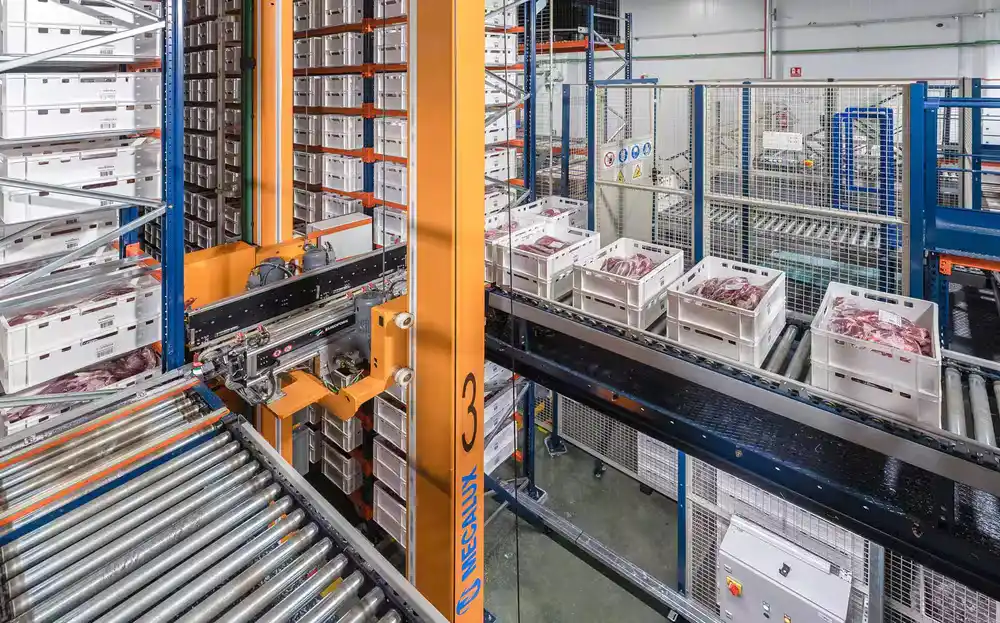
Everything starts at the shipper’s warehouse or distribution center. Multiple orders headed toward the same general region get grouped and loaded onto one truck. This is where truck pooling begins, since the goal is to use as much of the trailer space as possible before the truck leaves the origin point.
Step 2: Transportation to the Pool Point or Regional Terminal
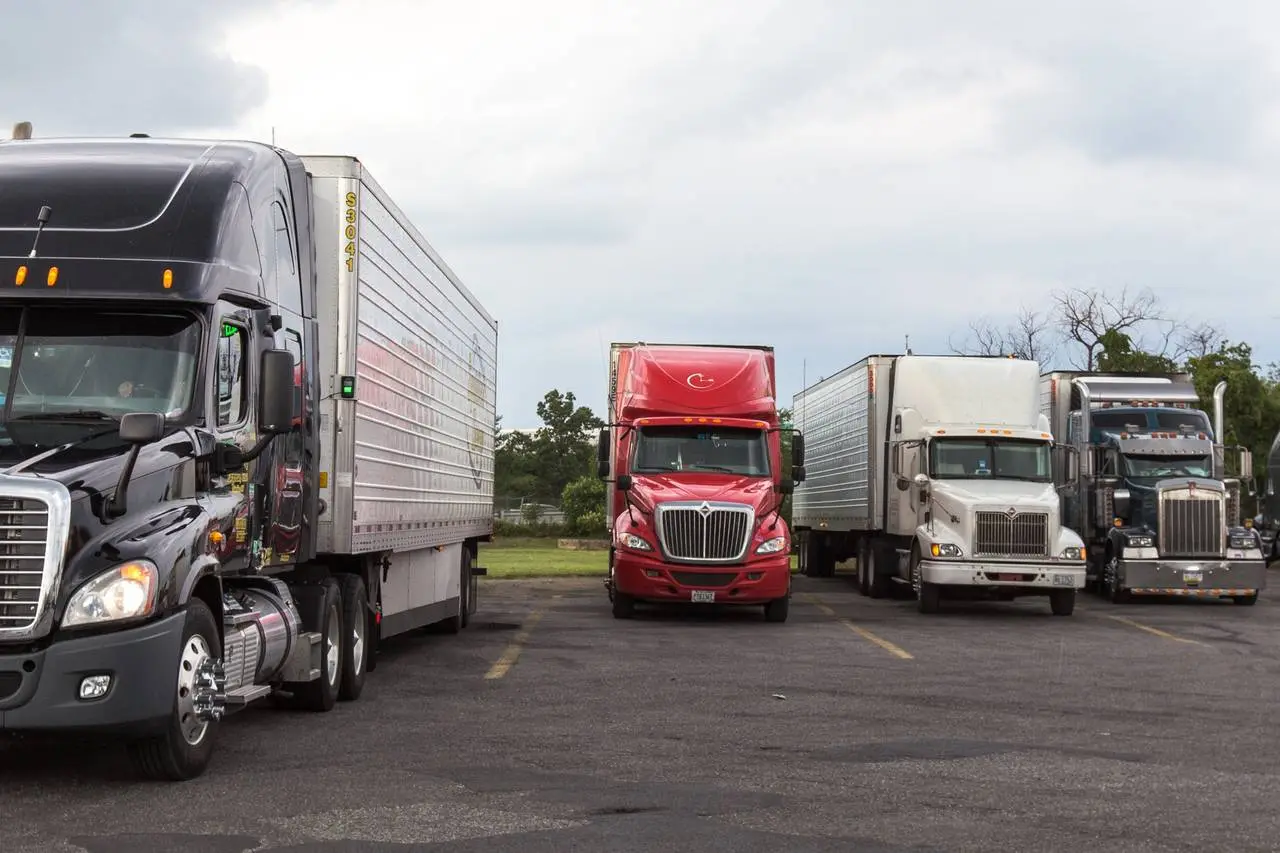
Once loaded, the truck travels to a pool point, which is a regional terminal located closer to the final delivery area. This is usually the longest leg of the journey, and because the truck is fully loaded rather than partially filled, the cost per shipment drops significantly compared to sending each order separately.
Step 3: Sorting and Route Optimization
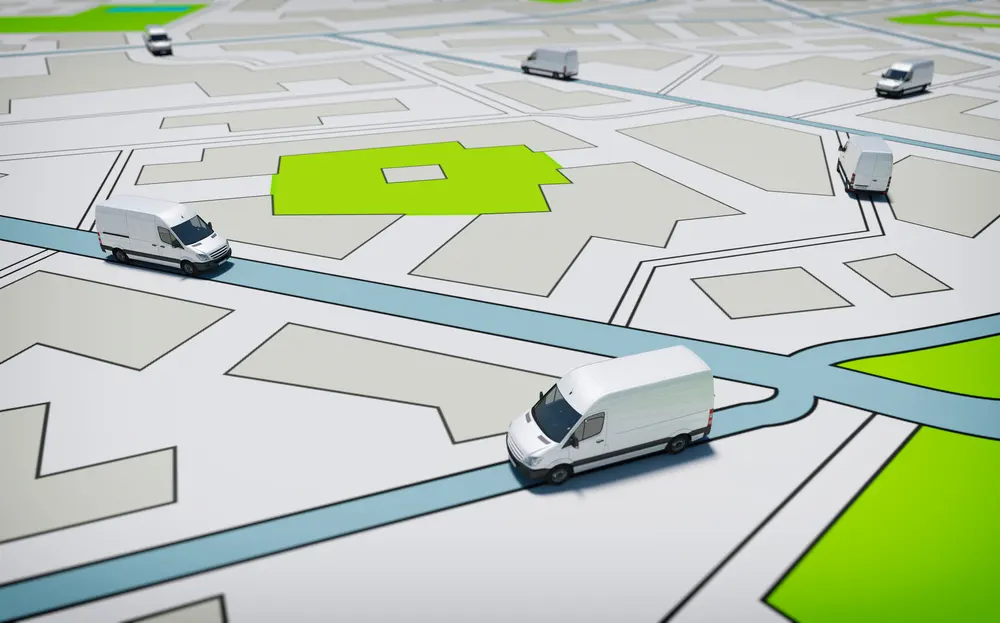
At the pool point, the combined shipments are offloaded and sorted based on their individual destinations. Staff review delivery windows, addresses, and priority orders to plan the most efficient local routes. This step is where a lot of the real operational skill in pool distribution logistics comes into play, since a poorly sorted load leads to wasted mileage and late deliveries.
Step 4: Final Mile Delivery
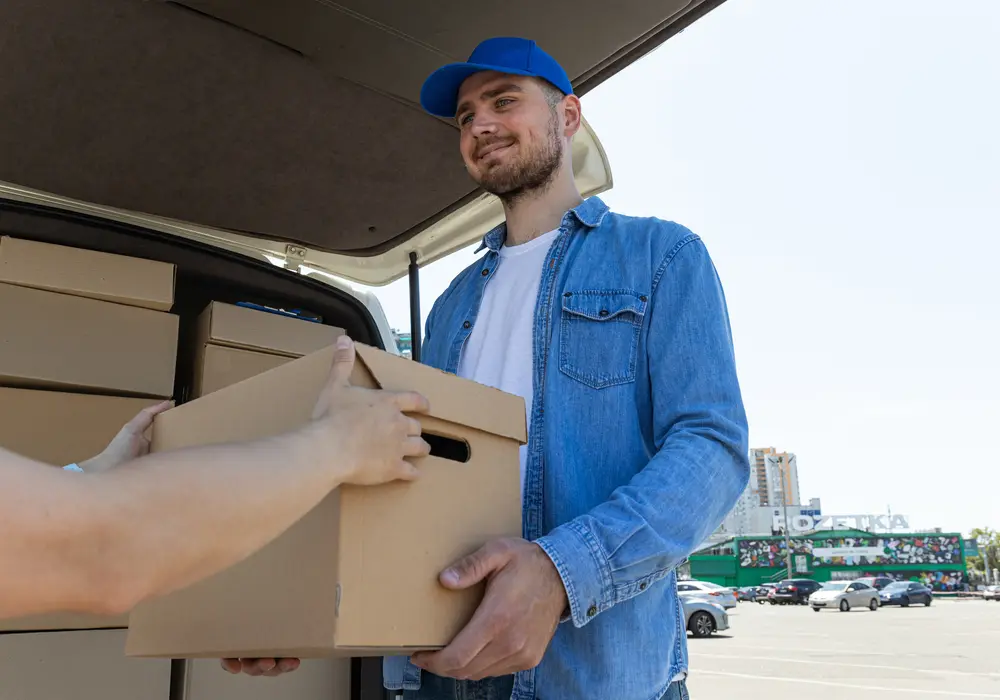
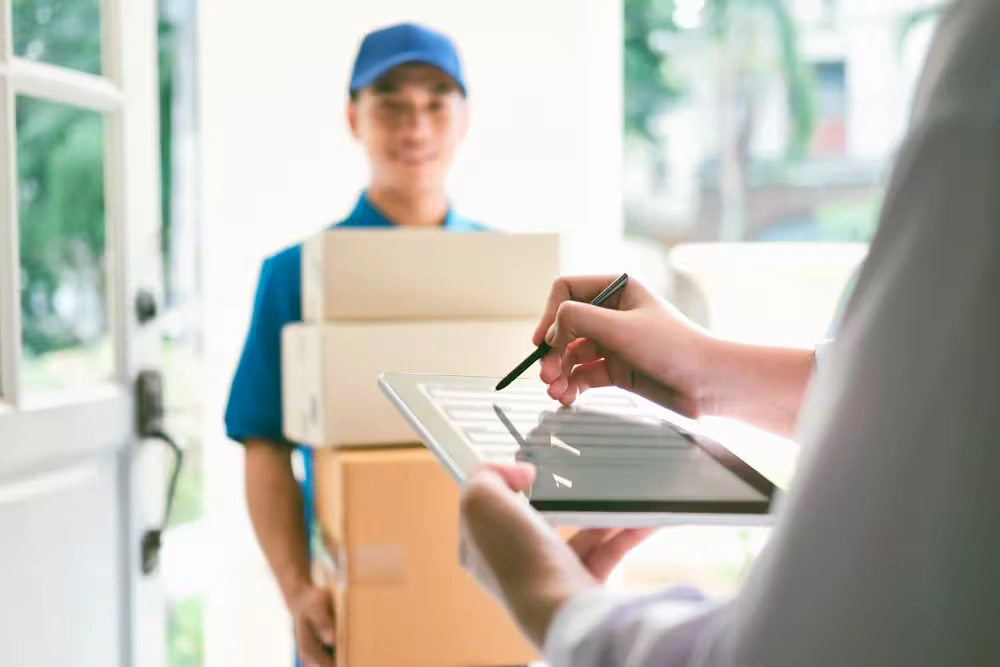
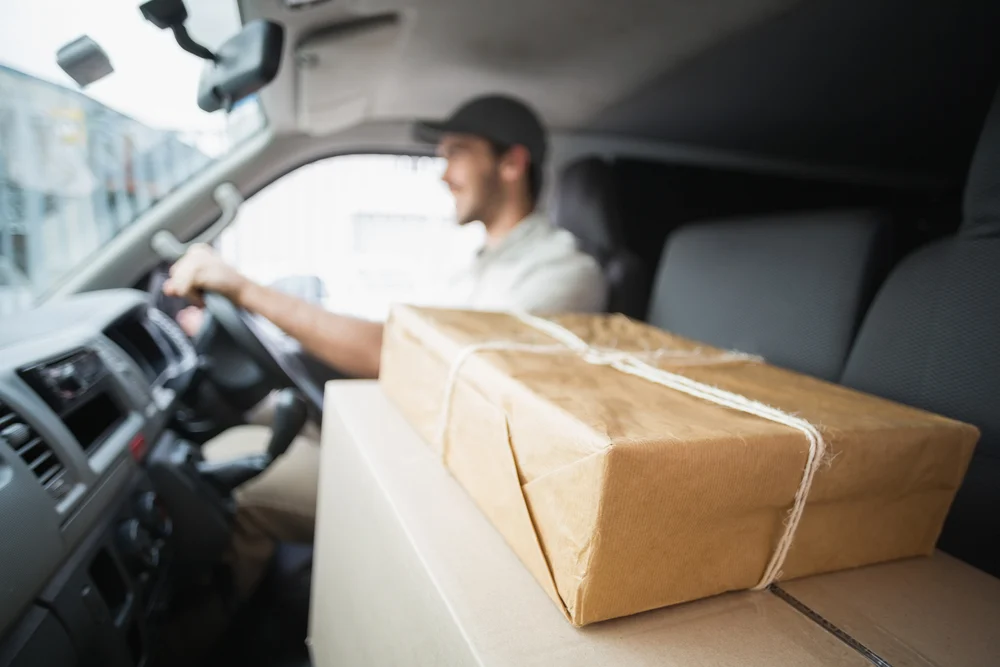
The sorted shipments are loaded onto smaller local delivery trucks or vans and delivered to their final stops. This final stretch often uses the same kind of vehicles a same-day courier company would use, since the deliveries tend to be spread across a city or region rather than one single location.
Pool Distribution vs LTL Shipping
People often confuse pool distribution with standard less-than-truckload, or LTL, shipping, but there is a meaningful difference. With LTL shipping, your goods share space with shipments from completely different companies, and the carrier decides the route based on what fits the truck at the time. With pool distribution, the shipments usually come from one shipper heading to one general region, and the schedule is built around that shipper’s specific delivery needs.
This distinction matters for cost and control. Shipping pooling under a pool distribution model gives a business more predictability over delivery timing because the route is planned around their own shipments rather than mixed in with unrelated freight from other companies.
Pool Distribution vs Pool Consolidation
Another common point of confusion is the difference between pool distribution and pool consolidation, and honestly, the two terms get used interchangeably more often than they should. Pool consolidation refers to the beginning of the process, where multiple shipments are combined into one truckload at the origin point. Pool distribution technically refers to the second half, where those combined shipments are broken apart and delivered to their separate destinations.
In practice, most businesses use both stages together as one continuous strategy. You consolidate at the start to fill the truck efficiently, then distribute at the end to get each order to its correct stop. When someone asks what pool distribution in a business context is, they are usually referring to the entire process rather than just one half of it.
Key Benefits of Pool Distribution
Businesses that adopt this model typically see a few consistent advantages once the process is running smoothly.
Cost savings tend to be the biggest draw, since filling one truck is far cheaper than paying for several partially loaded trucks covering the same region. Reduced transit time is another benefit, because a fully loaded truck moving directly to a pool point skips the extra stops and detours that come with standard multi-stop freight routes. Businesses also see fewer trucks on the road overall, which lowers fuel usage and supports sustainability goals that many retailers now track closely. On top of that, better inventory visibility becomes possible because shipments move in predictable batches, which makes it easier to forecast when goods will actually reach store shelves or distribution points.
Industries That Use Pool Distribution
Retail and Supermarkets
Retail pool distribution is extremely common because stores need frequent, smaller restocks delivered to multiple locations rather than one massive shipment to a single warehouse. A grocery chain with several stores in the same county, for example, benefits from combining shipments into one truck rather than sending separate deliveries to each store.
E-commerce
Online sellers with regional fulfillment needs use pool distribution to keep delivery promises without paying for dedicated trucks per order. This is especially useful during high-volume periods like holiday shopping seasons when shipping pooling helps control costs while keeping delivery windows tight.
Healthcare and Pharmaceuticals
Medical supply distributors often rely on pool distribution logistics to move time-sensitive items like lab samples, medical equipment, or pharmaceutical stock to multiple clinics and facilities within a region. Because these shipments frequently require careful handling and tighter delivery windows, this industry tends to pair pool distribution with more specialized courier support for the final leg.
Is Pool Distribution Right for Your Business?
It’s Ideal If
Your business ships regularly to multiple locations within the same general region, you have enough volume to fill a significant portion of a truck, and you want more predictable delivery timing than standard LTL shipping offers. Businesses with recurring restock schedules, such as retail chains or regional distributors, tend to get the most value from this model.
It May Not Be Suitable If
Your shipping volume is too low to justify pooling, your deliveries are spread across a wide and inconsistent geographic area, or your orders are one-off shipments rather than recurring freight. In these cases, a direct courier or standard LTL option is usually more practical and less expensive to coordinate.
Challenges of Pool Distribution
Pool distribution is not without its downsides, and it is worth being honest about them rather than only listing benefits. Coordination is the biggest challenge, since combining multiple shipments requires accurate scheduling, and a delay at the consolidation stage can push back every shipment in that batch. Businesses also need enough consistent volume to make pooling worthwhile, because a half-filled truck defeats the purpose of the strategy entirely.
There is also less flexibility for last-minute changes. Because shipments are grouped based on a planned route, a sudden change in delivery address or timing for one order can complicate the entire load. This is one reason many businesses pair pool distribution with a responsive local delivery partner who can handle the final mile without adding delays to the rest of the batch.
You may also read: What Is Linehaul Transportation?
The Role of a Local Courier Partner in Pool Distribution
Once shipments reach the pool point and get sorted, the final mile is where timing and reliability matter most. This is exactly where a local courier partner becomes valuable, since large freight carriers are not always built for fast, precise final-mile delivery within a specific city or region.
We support businesses across Georgia and Alabama with dependable last-leg delivery once shipments arrive at a regional point. If your business already uses pool distribution logistics for the long haul portion of your supply chain but needs a reliable partner for local drop-offs, our Same Day Delivery Service in Augusta, GA is built for exactly that kind of time-sensitive final-mile work.
Conclusion
Understanding what pool distribution is gives businesses a clearer path toward cutting shipping costs without sacrificing delivery speed, especially when shipments are heading to multiple stops within the same region. From retail pool distribution to healthcare logistics, this strategy works best when there is enough consistent volume to justify combining shipments and enough coordination to keep the process running smoothly.
If your business is exploring pool distribution logistics or needs dependable final mile support once your freight reaches a regional pool point, Bearcat Express is ready to help. Contact us today to talk through your shipping needs across Georgia, Alabama, and nearby regions.
Frequently Asked Questions
What is pool distribution in simple words?
Pool distribution is a shipping method that combines multiple smaller shipments into one truckload for the long haul portion of a trip, then separates them for individual delivery once they reach a regional pool point. It helps businesses reduce shipping costs by avoiding partially filled trucks.
How is pool distribution different from regular shipping?
Regular direct shipping usually means one truck dedicated to one delivery route, while pool distribution combines several shipments before splitting them apart near their final destinations. This makes shipping pooling more cost-effective for businesses with multiple delivery points in the same region.
Does pool distribution work for small businesses?
It can work for small businesses, but only if they have enough recurring shipment volume heading to the same general area. Without consistent volume, the cost savings from truck pooling are harder to achieve.
What happens at a pool point?
A pool point is a regional terminal where combined shipments are offloaded, sorted by destination, and reloaded onto smaller local delivery vehicles. This is also the stage where route planning happens for the final mile of the journey.
Is pool distribution the same as LTL shipping?
No, LTL shipping typically mixes freight from multiple unrelated companies on one truck, while pool distribution usually focuses on shipments from a single shipper heading to one region. This gives businesses more control and predictability over their delivery schedule.