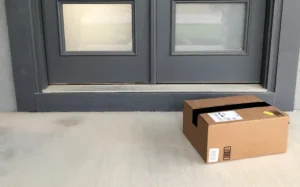
In today’s fast-paced world, customers expect deliveries to arrive quickly and without errors. This growing demand makes last-mile delivery one of the most critical stages in the logistics chain. If you have ever wondered what is last mile delivery is, why it matters, or how it impacts customer satisfaction, this guide explains it clearly.
Whether you run an e-commerce store or manage local shipments, optimizing this final step can transform the delivery experience. Companies like Bearcat Express have earned trust by mastering last-mile operations, helping businesses stay competitive and meet rising customer expectations.
What Is Last Mile Delivery?
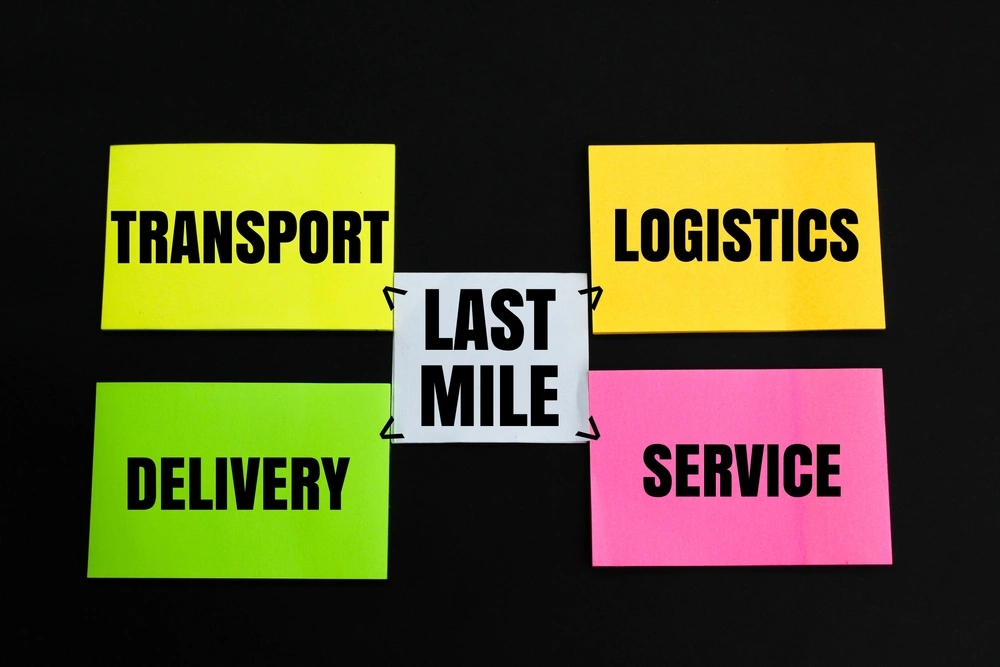
Last-mile delivery refers to the final step of the shipping process when a package travels from the local transportation hub to the customer’s home or business. It is the shortest distance in the entire logistics chain, but also the most complex. Companies looking to improve speed, accuracy, and customer satisfaction must understand what is last mile delivery is and why it matters.
Why It Matters in Modern Logistics
Today’s customers expect fast shipping, live updates, and guaranteed delivery windows. Last-mile delivery determines whether those expectations are met. A delayed final step can make the entire shipping experience feel poor, even if previous steps were smooth.
Role in Fast and Same-Day Delivery
Same-day and next-day deliveries depend entirely on last-mile performance. Businesses offering Same Day Delivery Service in Augusta, GA, rely heavily on efficient last-mile operations to keep their promises.
Understanding the Last Mile Problem
Even though last-mile delivery covers the shortest distance, it is often the most expensive and complicated. This challenge is widely known as the last-mile problem.
High Costs
Fuel costs, labor expenses, multiple stops, and unsuccessful deliveries make the last mile the most expensive part of logistics.
Inefficient Routes
Without optimized routing, delivery vehicles waste time and fuel while decreasing overall delivery speed.
Customer Expectations
Customers want real-time updates, fast delivery, and guaranteed time slots. Failing to meet these demands results in frustration.
Failed Deliveries
Absence of recipients, incomplete addresses, and delivery restrictions often lead to rerouted or returned packages, which significantly increase costs.
Key Steps in the Last Mile Delivery Process
Understanding each step helps businesses identify opportunities for optimization.
Step 1: Package Arrives at Local Hub
The last-mile journey begins when the package reaches the nearest distribution center or hub.
Step 2: Sorting & Route Assignment
Packages are grouped based on destination. Efficient route planning is vital for time and fuel savings.
Step 3: Loading onto the Delivery Vehicle
Delivery teams load packages strategically to maximize efficiency and meet delivery windows.
Step 4: In-Transit Scanning & Tracking
During this stage, customers often see updates such as last mile enroute, last mile enroute meaning, or similar tracking notifications. These updates help them monitor progress and prepare for delivery.
Step 5: Final Delivery & Proof of Delivery
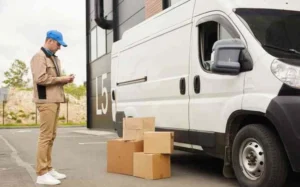
At this point, customers may receive “last mile departed” notifications. Understanding the last mile departed meaning or what does last mile departed mean helps them know that their package has left the hub and is on its way to the final destination. Delivery is then completed with a signature, photo, or digital confirmation.
You may also read: What Is Courier Service and How Does It Work?
Major Challenges Faced in Last Mile Logistics
Rising Customer Expectations
Demand for same-day delivery and real-time updates puts constant pressure on logistics providers.
Traffic and Slow Delivery Speed
Urban congestion is one of the primary causes of delivery delays.
Lost or Failed Deliveries
Incorrect addresses or missed drop-offs lead to unhappy customers and additional charges.
High Operational Costs
Labor, fuel, maintenance, and reverse logistics raise operational expenses.
Returns and Reverse Logistics
Processing returns is often harder and more expensive than forwarding shipments.
Lack of Real-Time Visibility
Customers expect precise updates like last mile enroute or last mile departed, but many companies still struggle to provide this tracking accuracy.
Environmental Constraints
Companies face pressure to adopt eco-friendly practices while maintaining fast delivery times.
How Poor Last Mile Delivery Impacts Your Business
Higher Costs
Delayed or failed deliveries directly increase operational expenses.
Customer Dissatisfaction
A single late delivery can cause customers to lose trust, even if the product quality is excellent.
Lost Sales
Faster competitors quickly win customers who expect better delivery performance.
Brand Reputation Damage
Inconsistent or slow delivery services impact overall brand perception and reduce repeat purchases.
5 Powerful Ways to Optimize Last Mile Delivery
1. Use Optimized Route Planning
Advanced route optimization software reduces delays, fuel usage, and unnecessary travel time.
2. Utilize Multiple Delivery Hubs
More hubs mean shorter routes and faster deliveries. This significantly improves efficiency, especially for same-day services.
3. Implement Real-Time Tracking
Customers rely on updates such as last mile enroute, last mile departed meaning, and other tracking alerts to know where their package is. Real-time tracking builds trust and transparency.
4. Use Proof of Delivery (POD)
Signatures, pictures, and timestamps protect businesses from disputes and provide accountability.
5. Partner With a Reliable Local Courier
Working with a local courier provides accuracy, speed, and personalized service.
Bearcat Express delivers measurable advantages:
- Same-day delivery solutions
- Real-time tracking and live status updates
- Signature and photo confirmation for every delivery
Last Mile Delivery Trends You Should Watch
Smart Tracking and Visibility Tools
Better data helps customers understand notifications such as last mile enroute meaning or what does last mile departed mean.
Predictive Shipping
Predictive algorithms anticipate delays, traffic conditions, and customer preferences.
Hybrid Fleet Management
Combining electric vehicles, outsourced couriers, and in-house drivers creates flexibility and resilience.
Delivery Robots & Drones
Automation will soon handle small parcel deliveries in urban areas.
Micro-Warehousing
Storing inventory closer to customers drastically reduces delivery times.
Crowdsourced/In-House Delivery
Businesses mix their own fleet with crowdsourced drivers to scale faster and cheaper.
Preparing Your Business for the Future of Last Mile Delivery
Embracing Technology
Automation, route optimization, and real-time tracking will become standard requirements.
Choosing the Right Partners
Local couriers who understand the market can significantly improve efficiency and customer experience.
Scaling With Customer Expectations
As customers demand faster deliveries and better visibility, companies must invest in systems that support exceptional service.
Conclusion
Effective last-mile delivery is no longer optional; it is a competitive necessity. Businesses that understand what is last mile delivery is, optimize their logistics, and provide real-time visibility create a seamless and satisfying customer journey. As technology advances and customer expectations rise, companies must adapt quickly. By partnering with trusted providers like Bearcat Express, businesses gain a dependable solution that improves service, accelerates deliveries, and strengthens customer loyalty. To upgrade your delivery operations or explore customized solutions, contact us today and experience the difference an expert last-mile partner can make.
Frequently Asked Questions
Why is last-mile delivery important?
Last-mile delivery is critical because it is the stage customers interact the most. When people search for what is last mile delivery is, they want to understand how this stage affects their delivery experience. Efficient last-mile processes reduce costs, improve satisfaction, and support fast shipping.
How can we improve our last-mile process?
Improvement begins with route optimization, real-time tracking, and efficient driver coordination. Using strong tracking tools ensures customers receive clear updates like last mile enroute or last mile departed, minimizing confusion and failed deliveries.
What role does technology play?
Technology provides visibility, automation, and tracking tools that help customers understand notifications, such as what does last mile departed mean or last mile enroute meaning. It also enables faster, more reliable delivery operations.
How to manage customer expectations?
Provide accurate delivery windows, live tracking, and clear status updates. Visibility features help customers follow progress and recognize notifications like the last mile departed meaning.
What is the difference between the last mile and the final mile?
Both terms describe the same concept, the final stage of the delivery journey. When customers ask what is last mile delivery is, they are often referring to what some carriers call the “final mile”, which includes all updates leading to the point of delivery.