A package sitting on the wrong truck can cost a business a client. That is usually where this confusion starts. Someone books a “logistics” pickup expecting same-day speed, or books a “courier” for a bulk shipment and wonders why the price tripled. The difference between logistics and courier service is not just a definition problem, it is an operational one, and getting it wrong wastes time and money before the shipment even leaves the building.
At Bearcat Express, this question comes up almost daily from local business owners trying to figure out which service actually fits their shipment. Instead of another textbook comparison, here is what actually happens inside each system, step by step, so you can see exactly where the two paths split.
What Happens When a Package Enters a Courier Dispatch System

When someone asks what’s courier service really means in practice, the honest answer is that it is built around one driver, one route, and one deadline. Here is the real sequence.
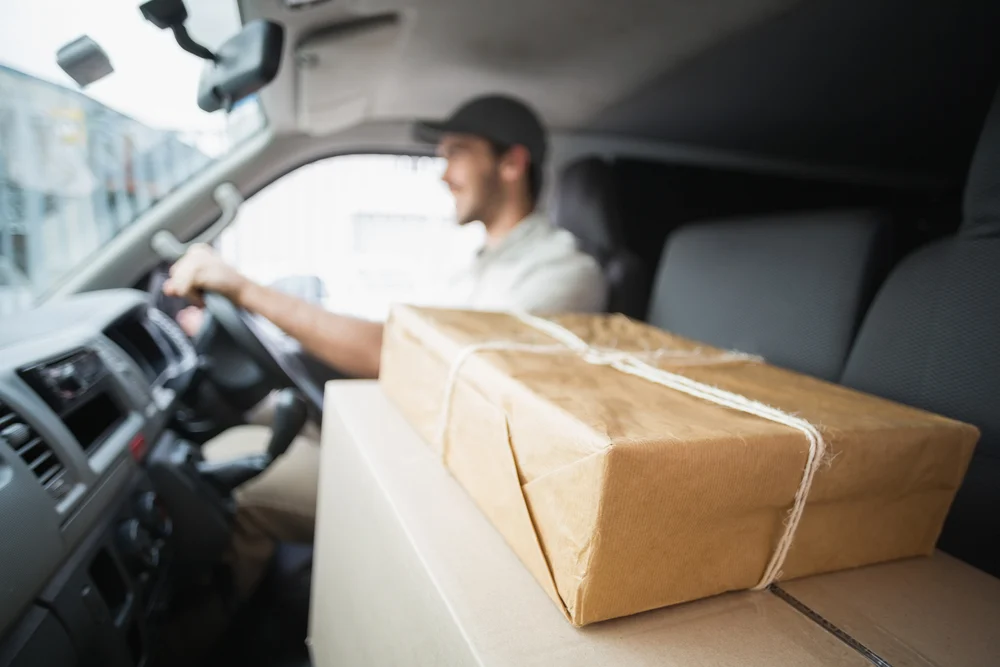
A pickup request comes in, usually with a time window attached, sometimes as tight as within the hour. A dispatcher assigns it to whichever driver is closest and already moving in that direction, not to whoever has open truck space. The package gets scanned once at pickup and again at drop-off, with no intermediate stops, no sorting facility, and no storage step in between.
This is what makes courier service define itself so differently from freight movement. There is no warehouse touchpoint. The package moves in a straight line from origin to destination, often within a few hours. Drivers carry a handful of stops at a time, not hundreds, which is why urgent legal documents, medical specimens, and same-day retail replacements consistently move through courier networks rather than larger carriers.
The tradeoff is capacity. A courier vehicle can only hold so much before it stops being fast. That is the boundary this service is built around, and it is intentional.
Once you see the dispatch process laid out this way, what’s courier service really means stops being an abstract question. It is a single-driver, single-deadline system built to protect speed above everything else, even if that means carrying fewer items per trip.
What Happens When a Shipment Enters a Logistics Network
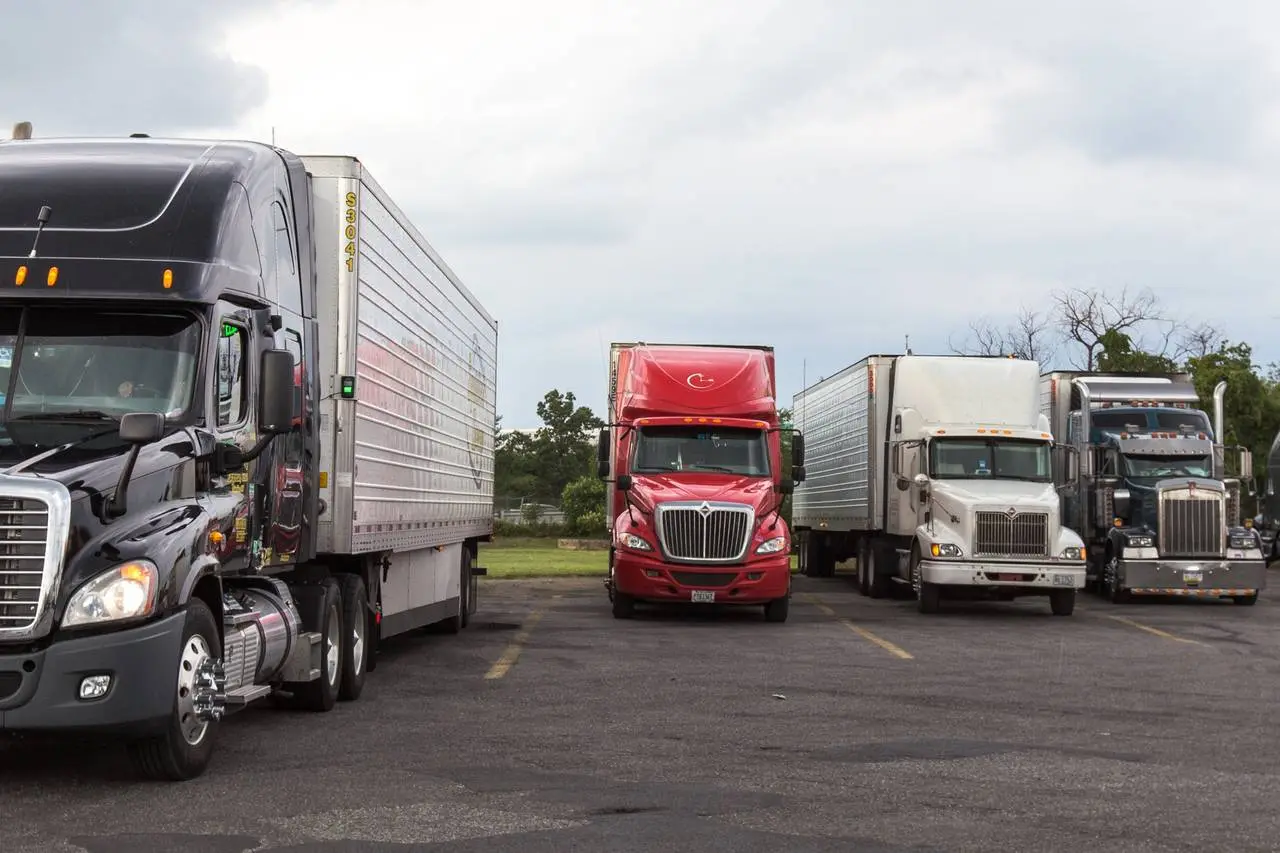
A logistics shipment starts differently. Instead of a driver being assigned directly, the shipment enters a planning stage first. Someone calculates whether it should move by full truckload, partial load, or through a consolidated freight lane with other shippers’ goods heading the same direction.
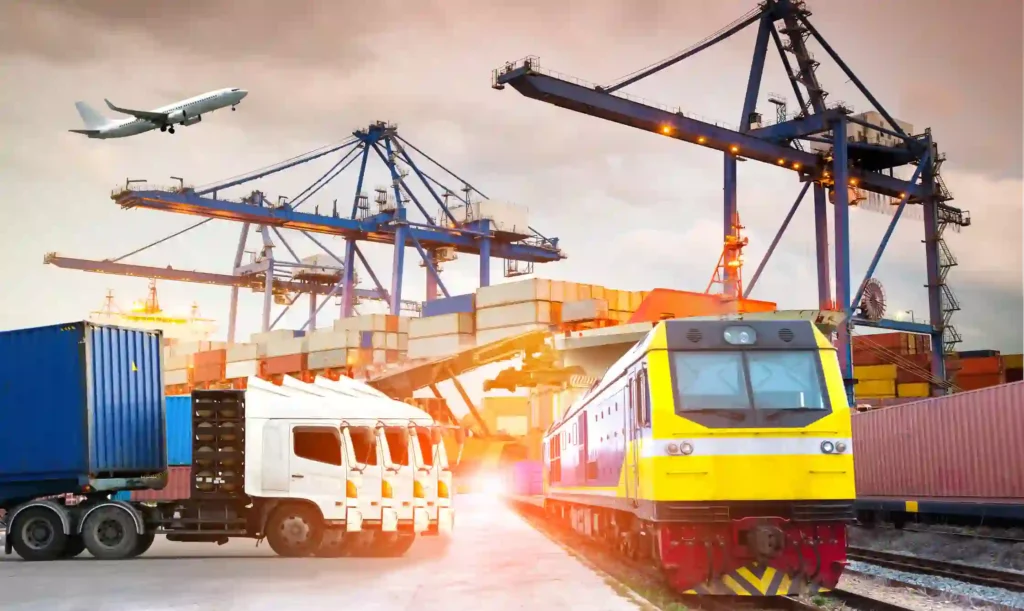
This is what does the word logistics mean when you strip away the marketing language: coordination before movement. A pallet might sit in a warehouse for a scheduled window, get consolidated with other freight, then move on a fixed route that was planned days in advance rather than dispatched in the moment. Multiple handoffs are normal here, between a regional hub, a line-haul truck, and sometimes a final delivery vehicle.
None of this is slower because the provider is inefficient. It is slower because the system is optimized for cost per unit across large volume, not for the fastest possible single delivery. A manufacturer shipping 40 pallets a week benefits enormously from this model. A business sending one urgent envelope does not.
Side-by-Side: A Single Package’s Journey vs a Bulk Shipment’s Journey
Picture two shipments leaving the same industrial park on the same Tuesday morning.
The first is a single envelope containing signed contracts that need to reach a law office across town by noon. It gets picked up within 30 minutes of the request, driven directly to its destination with no stops, and delivered with a signature in under two hours.
The second is a pallet of retail inventory heading to a distribution center three states away. It gets loaded onto a truck that afternoon, but that truck has six more pickups before it leaves the region. The pallet reaches a sorting hub the next day, gets consolidated with freight going the same direction, and arrives at its final destination three to five days later.
Both shipments were handled correctly. Neither system failed. They were simply never trying to solve the same problem, and this is the clearest way to actually see logistics and courier services operating side by side instead of reading about them in the abstract.
It also explains why so many businesses end up frustrated after booking the wrong one. If you try to courier service define by speed alone and ignore volume, you will keep comparing two systems that were never built to be measured against each other in the first place. The real comparison only makes sense once both journeys are seen from pickup to final delivery, side by side, the way they actually happen on the road rather than how they read on a pricing page.
Where Local Courier Fits Into Bigger Supply Chains
Local and regional courier providers rarely operate in isolation from the logistics world, they usually plug directly into it. A national retailer’s freight might travel by logistics network for 900 miles, then hand off the final few miles to a local courier because that last stretch needs a driver who knows the neighborhood, the loading dock quirks, and the fastest route across town.
This is exactly the role Bearcat Express plays for businesses across Augusta and the surrounding region. When a shipment needs that final, time-sensitive leg, or when a business simply never needs the freight side at all and only needs fast, direct movement, a Local Courier Service Augusta GA fills that gap without forcing a small shipment through a system built for bulk freight.
Understanding this handoff point is often the real answer people are looking for when they search for the difference between logistics and courier service. It is not always an either-or choice. Sometimes it is knowing which one handles your specific mile.
Cost and Speed Breakdown
Courier pricing is built around urgency and distance for a single trip. A same-day local delivery might run in the range of 25 to 75 dollars depending on distance and time window, with rush requests costing more because a driver is being pulled off another route to prioritize it.
Logistics pricing works on volume and space. Shipping a full pallet through a freight network might cost far less per pound than sending the same weight through a courier, but only because it is riding alongside dozens of other shipments and moving on a slower, planned schedule rather than a dedicated one.
Speed follows the same logic in reverse. Courier delivery windows are typically measured in hours. Logistics delivery windows are typically measured in days. Paying for speed you do not need is the single most common way businesses overspend on shipping, and paying for volume discounts on a single urgent package is the most common way they underdeliver on time.
You may also read: What Is Outbound Delivery Services?
A Practical Example: The Same Business Using Both in One Week
Here is a scenario that plays out constantly for retailers and distributors in the Augusta area. A business restocks its shelves every Monday through a logistics provider that consolidates its order with other freight heading into the region, arriving on a fixed two-day schedule. That part of the operation runs on logistics because the volume is predictable and the timeline can be planned around it.
Then on a Wednesday afternoon, a customer reports a damaged item and needs a replacement before a weekend event. That single package cannot wait for the next scheduled freight run, and running it through the same logistics channel would mean a delay the business cannot afford. This is where courier service takes over, moving that one item directly and quickly while the rest of the week’s inventory continues moving through the slower, cheaper logistics channel.
Businesses that understand this split rarely overpay. Businesses that do not tend to either rush their bulk freight through expensive courier pricing, or try to squeeze urgent single items through a logistics network that was never built to move fast on demand.
Comparison Table
| Factor | Courier Service | Logistics Service |
| Typical delivery window | Hours, same day | Days, scheduled |
| Shipment size | Single packages, documents | Pallets, bulk freight |
| Route structure | Direct, point to point | Multi-stop, hub based |
| Pricing driver | Urgency and distance | Weight, volume, space |
| Storage involved | None | Warehousing common |
| Best fit | Time-sensitive, single item | High-volume, planned shipments |
Which One Should You Choose
A small business sending an occasional urgent document or replacement part almost always needs courier service, not logistics. Paying for freight infrastructure you will not use just adds cost and delay to something that should move in hours.
An e-commerce seller usually needs both, depending on the order. Restocking a warehouse from a supplier calls for logistics. Getting a same-day replacement to a local customer who received a damaged item calls for courier. Treating every shipment the same way, regardless of size or urgency, is where most sellers overspend.
A regional company with predictable, recurring bulk shipments benefits most from logistics contracts, but should still keep a reliable courier option on hand for the exceptions, because every operation eventually has a shipment that cannot wait for the next scheduled freight run.
Conclusion
The difference between logistics and courier service comes down to what each system was actually built to solve. Courier service moves single, urgent shipments quickly and directly. Logistics coordinates large volume across planned, multi-stop networks. Neither is a smaller or bigger version of the other, they are different tools for different problems, and knowing which one your shipment needs before you book it saves both time and money.
If you are still unsure which service fits your next shipment, Bearcat Express can walk through the specifics with you directly. Contact Us and describe what you are sending, and the right option becomes clear fast.
FAQs
Is a courier the same as a logistics company?
No. A courier moves individual shipments directly from pickup to drop-off, while a logistics company coordinates storage, consolidation, and multi-stop movement for larger volumes. A courier can be one piece of a larger logistics operation, but the two are not interchangeable.
What does the word logistics mean in everyday shipping terms?
It refers to the planning and coordination behind moving goods, not just the driving itself. That includes deciding how a shipment gets consolidated, stored, and routed before it ever reaches a truck.
Why would a small business choose courier service over logistics?
Because courier service is built for speed and single shipments, not volume discounts. A small business sending one urgent item would pay more and wait longer going through a logistics network built for bulk freight.
Can logistics and courier services work together on the same shipment?
Yes, this happens constantly. A shipment can travel most of its distance through a logistics network, then get handed off to a local courier for the final, time-sensitive leg into a specific neighborhood or business.
How do I know if my shipment needs courier or logistics?
Ask two questions: how urgent is it, and how large is it. Single, time-sensitive items point to courier. Bulk, planned shipments point to logistics, and anything in between usually benefits from a quick conversation with a provider who offers both perspectives.