When you pour your morning coffee or fuel your car, you interact with global logistics. These raw materials travel thousands of miles before reaching store shelves. In logistics, understanding what does commodity mean in shipping is crucial for anyone handling global trade. At Bearcat Express, we know that accurate classification prevents border delays, unexpected fees, and incorrect freight pricing.
Whether you are transporting raw materials across oceans or managing domestic distributions, knowing your specific freight commodity keeps your supply chain efficient. Properly identifying your goods ensures smooth customs clearance and helps secure the most cost-effective shipping rates for your business.
Quick Overview (TL;DR)
In shipping, a commodity refers to raw materials, agricultural products, or mass-produced basic goods that are completely interchangeable with other goods of the same type (such as crude oil, wheat, or iron ore). Unlike specialized finished goods, a shipping commodity is traded based on global market standards rather than individual brand names, and its classification directly dictates its freight rates, packaging requirements, and customs protocols.
Core Concepts: What Exactly Is a Commodity in Shipping?
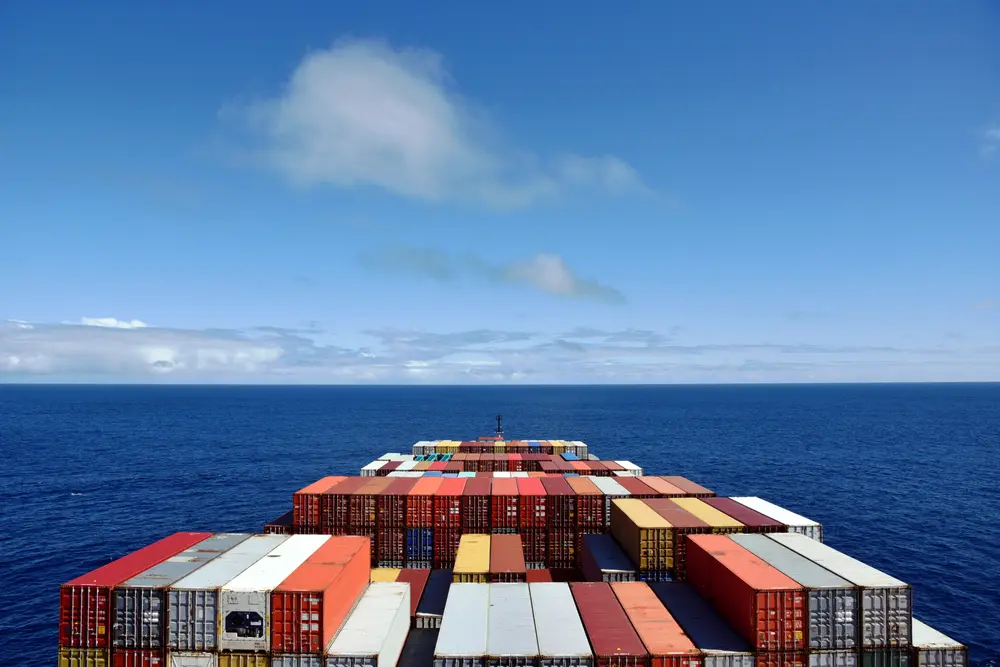
To truly grasp the mechanics of international trade, we have to look past casual vocabulary. If you ask an everyday consumer what’s commodity mean, they might point to anything they buy in bulk. But in commercial transport, the term has a very precise, regulated meaning that impacts legal documentation and carrier liability.
The Standard Logistics Definition
In logistics, a commodity is defined as any primary good, raw material, or basic agricultural product that is bought, sold, and transported in bulk. The defining feature of a commodity is that it is fungible, meaning one unit of the good is substantially identical to another unit of the same type. For example, a bushel of Grade 2 Yellow Corn shipped from Iowa is commercially identical to a bushel of Grade 2 Yellow Corn grown in Brazil. They are evaluated by industry standards, not by a manufacturer’s logo.
Key Characteristics of Commodities
Understanding commodity logistics requires looking at the two primary economic pillars that govern these goods:
- Standardization: Commodities must meet strict, uniform grading systems. This uniformity allows buyers and logistics providers to trade and transport them without needing to inspect every individual grain or barrel.
- Market-Driven Pricing: Because the goods are uniform, individual producers cannot dictate unique price points based on branding. Instead, the global market supply and demand dictate the price.
The Crucial Differences (Side-by-Side Clarity)
People operating outside the supply chain often use logistical terms interchangeably, which causes massive confusion on shipping documentation. Let’s clear up the differences:
| Term | What It Means in the Supply Chain | How It Differs From a Commodity |
| Commodity | The specific raw material or standardized good being moved (e.g., Unrefined Copper). | It describes the nature and material composition of the product itself. |
| Cargo | The physical goods while they are loaded aboard a vessel, aircraft, or vehicle. | A commodity becomes “cargo” the moment it is loaded for transit. |
| Freight | The commercial movement of goods, or the money paid for that transportation. | Freight is the service or cost of moving the cargo; it is not the physical item itself. |
To put it simply: A vessel might be carrying 50,000 tons of a specific agricultural commodity, which functions as the ship’s cargo, billed under a specific maritime freight rate. Furthermore, a commodity is distinctly different from a finished product. Raw timber is a commodity; a handcrafted oak dining table is a finished product.
Types of Commodities and How They Are Shipped
The physical characteristics of a freight commodity determine the type of vessel, vehicle, and handling protocols required. If a carrier uses the wrong equipment, it can result in catastrophic product spoilage or vessel damage.
Dry Bulk Commodities
Dry bulk consists of loose, granular materials shipped in massive quantities without individual packaging. These are poured directly into the massive, un-compartmentalized holds of dry bulk ocean vessels.
- Examples: Wheat, iron ore, coal, bauxite, cement, and cocoa beans.
- Transport Method: Specialized bulk carriers equipped with massive overhead cranes, gantry systems, or pneumatic tubes for rapid suction loading.
Liquid Bulk Commodities
Liquid bulk goods are free-flowing liquids or gases shipped in large volumes. Because of their fluid nature and weight distributions, they require highly specialized vessels.
- Examples: Crude oil, liquefied natural gas (LNG), gasoline, wine, and industrial chemicals.
- Transport Method: Tanker ships, specialized ISO tank containers, and complex network pipelines connected to port terminals.
Break-Bulk vs. Containerized Commodities
Historically, if a raw material wasn’t poured loose into a ship, it was shipped as break-bulk, meaning it was packed into individual bags, barrels, drums, or crates and loaded one by one. While break-bulk is still used for oversized items like steel beams or heavy industrial machinery, modern commodity shipping has experienced a major shift toward containerization.
Today, high-value agricultural products like soybeans or specialized coffee beans are increasingly packed into standard 20-foot or 40-foot ocean containers. Containerization protects the raw material from moisture and contamination, allows for easier intermodal transfer between ships, trains, and trucks, and helps smaller businesses buy and sell commodities without needing to charter an entire 60,000-ton vessel.
Why Commodity Information Is Critical in Logistics
In professional shipping operations, failing to declare exactly what your product is can halt your supply chain instantly. Accurate commodity information isn’t just a preference; it’s a legal and financial necessity.
Accurate Freight Rating & Pricing
Carriers don’t charge random prices to move items. In domestic trucking, the National Motor Freight Classification (NMFC) system assigns a “freight class” to items based on four metrics: density, stowability, ease of handling, and liability. If you list a commodity incorrectly on your Bill of Lading (BOL), the carrier will re-weigh and re-classify it, hitting your business with unexpected re-weigh fees and adjusted freight rates that erase your profit margins.
Customs Compliance & HS Codes
Every single item crossing an international border must be classified using a standardized numerical classification called a Harmonized System (HS) code.
Customs authorities use these codes to apply the correct tariffs, monitor trade quotas, and ensure national safety. An incorrect code can lead to your shipment being seized at the border for suspected customs fraud.
Handling, Safety, and Insurance Requirements
Certain commodities require temperature-controlled environments (reefer containers) to prevent spoilage, while others are classed as hazardous materials (HazMat) because they are flammable or volatile. Insurance underwriters evaluate these factors directly; shipping a stable commodity like aluminum sheets carries a much lower insurance premium than shipping a volatile chemical compound.
Key Factors That Dictate Commodity Shipping Costs
The underlying cost of commodity shipping fluctuates daily based on physical constraints and global economic conditions.
Density, Weight, and Dimensions
In the freight industry, space is money. A carrier must balance a vehicle’s physical space (cube) against its legal weight limits. Low-density commodities (like uncompressed raw cotton) will fill up a container’s physical volume long before they reach the weight limit. This is known as “cubing out.” Conversely, heavy commodities like lead sheets will hit legal weight limits while leaving the container half empty, known as “weighing out.”
Specialized Handling Equipment
Unlike standardized consumer goods sitting neatly on pallets, raw commodities require specialized machinery. Moving liquid bulk requires industrial-grade pumps and heated lines, while grain requires clean silos, conveyor belts, and dust-control systems to prevent grain dust explosions. The cost to lease and operate this specialized equipment is built directly into your shipping rates.
Geopolitics, Weather, and Market Volatility
Because commodities are tied to fundamental global needs, their logistics lines are highly vulnerable to outside disruptions. For instance, an early freeze in South America can disrupt global soy shipping routes, while geopolitical tensions in major shipping straits can force vessels to take longer, more expensive alternative routes around entire continents.
Incoterms Selection
International Commercial Terms (Incoterms) define exactly when the financial liability and physical risk transfer from the seller to the buyer. For example, if you choose FOB (Free On Board), the seller pays to get the commodity onto the ship, but you assume all costs and risks from that point forward. Choosing the wrong Incoterm can leave your business liable for thousands of dollars in port congestion fees you didn’t budget for.
Common Mistakes to Avoid When Documenting Commodities
When processing freight paperwork, minor clerical errors can snowball into supply chain nightmares. Here are the most frequent mistakes companies make when documenting bulk goods:
- Using Vague Descriptions: Writing “agricultural goods” instead of “Grade 2 Yellow Soybeans” on your Bill of Lading. Vague descriptions practically guarantee your shipment will be pulled aside by customs agents for physical inspection.
- Misdeclaring Weights: Relying on estimated weights instead of certified scale tickets. Overweight containers violate highway laws and maritime safety regulations, which can result in heavy fines and forced cross-docking charges.
- Omitting HazMat Details: Forgetting to declare that a commodity has hazardous properties (such as certain types of bulk charcoal or fertilizers that can self-heat). This is a severe safety violation that can lead to permanent blacklisting by major ocean lines.
Best Practices for Smooth Commodity Shipping
To keep your supply chain operating flawlessly, implement these operational habits:
- Audit Your Documentation Twice: Ensure that your commercial invoices, packing lists, and Bills of Lading match perfectly down to the exact alphanumeric HS code.
- Invest in Proper Packaging: If your commodity is containerized, ensure proper moisture control measures (like desiccant bags) are utilized. Moisture buildup inside an ocean container can ruin an entire shipment of agricultural goods via mold.
- Work with Specialized Logistics Providers: Partner with freight experts who have an established footprint in handling bulk materials and complex transport schedules. For highly time-sensitive local disruptions or critical regional parts distribution, integrating targeted logistics like a Same Day Delivery Service in Augusta, GA, ensures your immediate regional business links remain uninterrupted while your larger global bulk links travel across ocean lanes.
Conclusion
Navigating global supply chains requires an intricate understanding of regulatory definitions, compliance laws, and operational standards. Knowing exactly what does commodity mean in shipping allows your business to properly classify cargo, select the right transport equipment, avoid customs delays, and secure accurate freight rates. When you treat your cargo documentation with precision, you save your business from the hidden fees and logistical gridlocks that disrupt global trade.
At Bearcat Express, we specialize in providing businesses with the foundational transparency, operational expertise, and reliable shipping networks needed to keep materials moving safely and on schedule. Do you have questions about classifying your next commercial shipment or optimizing your current regional freight channels? Don’t leave your supply chain to chance. Contact us today to speak with an experienced logistics strategist and keep your business moving forward.
Frequently Asked Questions
What’s the main difference between cargo and commodity?
A commodity refers to the intrinsic nature of the standardized raw material or good itself, such as crude oil, iron ore, or wheat. Cargo refers to those same materials, the exact moment they are loaded onto a vehicle or ship for physical transport.
Can commodities be shipped in standard ocean containers?
Yes, many dry commodities like grain, coffee beans, and scrap metal are frequently shipped in standard 20-foot and 40-foot containers. This process provides greater protection from the elements and allows smaller businesses to ship smaller quantities without chartering an entire bulk carrier vessel.
What is an HS Code, and why does my commodity need one?
An HS Code (Harmonized System Code) is an internationally recognized numerical method of classifying traded products. Customs agencies worldwide require this code to verify exactly what product is entering their country so they can apply correct taxes, duties, and safety checks.
What specialized equipment is used for loading bulk commodities?
Dry bulk commodities are typically loaded using heavy industrial equipment like conveyor belts, large gantry cranes, grab buckets, and pneumatic suction systems. Liquid bulk commodities require specialized shoreside pumps, marine loading arms, and insulated pipelines to move liquids securely between land tanks and ships.
How do Incoterms affect the cost of commodity shipping?
Incoterms are standardized rules that determine whether the buyer or the seller pays for the freight costs, insurance, port handling, and customs clearance. Selecting a specific Incoterm alters your financial liability, determining exactly who pays for the transport from the point of origin to the final destination.