Have you ever wondered how do delivery companies track packages so accurately from the moment they’re picked up to the second they arrive at your doorstep? Fast, transparent tracking has become essential in today’s world of instant expectations and same-day delivery. Modern courier brands like Bearcat Express rely on advanced technology to give customers real-time visibility, eliminate guesswork, and ensure every parcel reaches the right hands.
Whether you’re a business that ships daily or a customer waiting for an important delivery, understanding how package tracking works helps you stay informed and confident. This guide breaks down the entire process step by step, using simple language, examples, and a deep dive into the technologies behind it.
What Is Package Tracking and Why Does It Matter
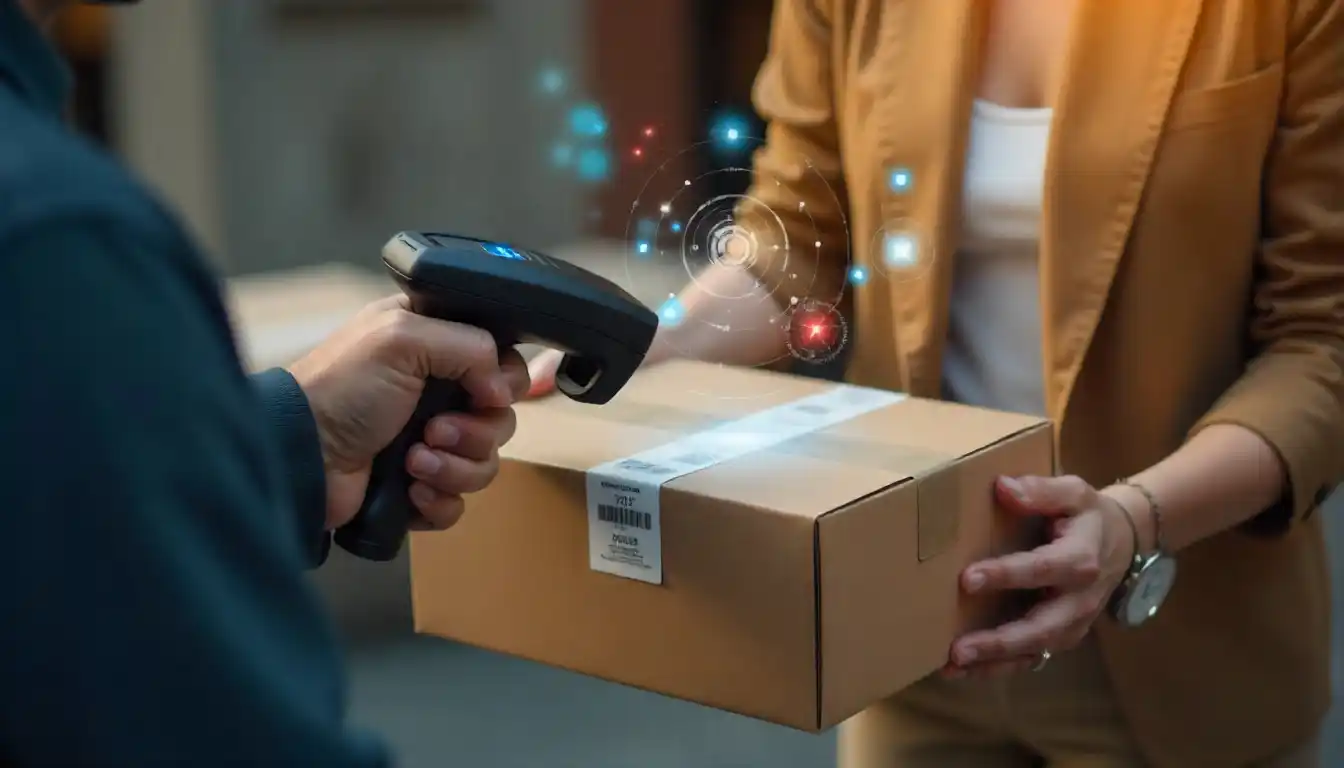
Package tracking is the process that allows customers and businesses to monitor shipments at every stage of delivery. A unique tracking number is assigned to each parcel, which links to a detailed digital log of movements, scans, and updates.
How Tracking Improves Customer Experience
- Customers know exactly where their package is
- Reduces anxiety about delays
- Improves trust in courier services
- Supports easier returns and proof-of-delivery records
Many people even search how do delivery companies track packages quizlet to understand this process in simple terms.
Why Businesses Rely on Real-Time Updates
Accurate package tracking helps businesses streamline operations and keep customers satisfied. Whether it’s an eCommerce company or a local shop offering same-day delivery, real-time visibility cuts costs and improves delivery performance. Bearcat Express uses live tracking for complete transparency and dependable results.
How Package Tracking Works Step-by-Step
Step 1: Package Label Creation
Every package begins with a unique label that includes:
- Sender and receiver details
- Barcode or QR code
- Shipping class (standard, express, same-day)
- Tracking number
This label connects the parcel to the package tracking software system.
Step 2: Barcode or QR Code Scanning at Pickup
Once a courier picks up the package, they scan the code. This creates the first status update: Picked Up.
Step 3: Tracking Through Sorting/Dispatch Facilities
At the distribution hub, parcels go through multiple sorting stations. Each scan updates the tracking information and ensures packages move toward the correct destination.
Step 4: In-Transit GPS Tracking
Modern trucks and bikes use GPS trackers to show where a package is during transportation. This helps customers track transit locations in real time.
Step 5: Out-for-Delivery Status Updates
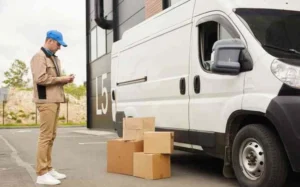
When the driver starts the final delivery route, the system updates the status to Out for Delivery. Customers often check this stage most frequently.
Step 6: Delivery Confirmation & Proof of Delivery
Delivery companies may use:
- Signature
- Photo proof
- GPS timestamp
- Digital confirmation
These updates verify that the package reached the correct customer.
Technologies Delivery Companies Use to Track Packages
Barcode & QR Code Systems
These are the foundations of all tracking processes. They help systems identify each parcel in seconds.
RFID (Radio Frequency Identification)
RFID tags allow real-time location monitoring without scanning each item manually.
GPS Tracking in Delivery Vehicles
GPS devices help track delivery routes and estimate arrival times.
Mobile Scanning Apps for Drivers
Apps installed on smartphones or handheld scanners allow drivers to update statuses instantly.
IoT Sensors for High-Value Shipments
Temperature, humidity, and movement sensors protect fragile or expensive goods.
AI & Machine Learning for Predicted ETAs
AI systems calculate expected arrival times and reroute drivers for faster and more efficient deliveries.
Types of Tracking Status Updates
Picked Up
This means the courier has collected the package.
In Transit
The parcel is moving through the network either via truck, van, bike, or another transport mode.
Arrived at Sorting Hub
The package reached a distribution facility for scanning and sorting.
Out for Delivery
The driver has started the final route toward the customer’s address.
Delayed / Exception
This status appears when weather, incorrect addresses, or operational issues postpone delivery.
Delivered (Signature or Photo Proof)
A final confirmation that the package has reached its destination safely.
You may also read: What Is Courier Service and How Does It Work?
Why Real-Time Tracking Matters for Businesses
Builds Customer Trust
Customers feel more secure knowing they can see every movement of their shipment.
Reduces Delivery Errors
Live scanning and GPS reduce mis-sorted or misplaced parcels.
Improves Small Business Logistics
Real-time updates help small companies plan inventory, service calls, and customer support.
Transparent Same-Day Delivery
Same-day service requires extreme precision. Tracking ensures no step is missed.
Helps Reduce Lost or Misrouted Packages
Digital logs ensure each parcel has a verified journey map.
How Local Courier Services Track Packages Differently
Local couriers often provide quicker and more personalized tracking compared to national carriers.
Faster Scan-to-Delivery Updates
Local couriers scan packages more frequently since delivery distances are shorter.
Direct Driver Communication
Customers and businesses can get real-time updates or instructions.
GPS Tracking for Local Routes
Live route monitoring delivers faster, more accurate ETAs.
Real-Time Signature Proof for Completion
Local couriers capture signature or photo verification within seconds of delivery.
For businesses in Georgia, explore our full local tracking services here:
Local Courier Service Augusta GA
Future of Package Tracking
AI-Powered Delivery Predictions
More companies are adopting AI to forecast delivery windows and optimize driver routes.
Drone Delivery Tracking Systems
As drones become part of last-mile delivery, new tracking systems will offer 3D routing and instant updates.
Smart Parcel Lockers
Lockers send automated notifications when parcels arrive or are collected.
Blockchain for Secure Tracking Records
Blockchain ensures tracking logs cannot be altered, improving trust and security.
Final Thoughts
In today’s fast-paced world, customers expect complete visibility, knowing exactly when a package is picked up, scanned, in transit, out for delivery, or delivered with proof. Accurate tracking systems make shipping predictable, reliable, and customer-friendly. Whether you’re curious about how do delivery companies track packages, trying to understand package tracking software systems, or looking for help tracking your packages, modern courier technology ensures a smooth experience from start to finish. For fast, transparent delivery you can trust, contact Bearcat Express because the future of reliable tracking is only getting better.
FAQs
How do delivery companies track packages in real time?
Delivery companies use a combination of barcodes, QR codes, GPS, and package tracking software systems to monitor each shipment. Every scan updates the tracking number so customers can see whether a package is picked up, in transit, or out for delivery.
Why is my package tracking not updating?
Tracking may not update if a scan was missed, the package is between facilities, or the system is experiencing delays. Even when updates pause temporarily, delivery companies still track packages internally using GPS and routing tools.
What does “in transit” mean when tracking your packages?
“In transit” means the package is moving through the delivery network either between sorting hubs or toward its final destination. This is one of the most common updates in any package tracking system.
How accurate are predicted delivery times from tracking systems?
Modern tracking tools use GPS, AI, and route optimization to give highly accurate ETAs. Many customers search how do delivery companies track packages quizlet for simplified explanations, but real-life systems rely on advanced analytics for precision.
Can local courier services track packages differently than national carriers?
Yes. Local courier services use fast scan-to-delivery updates, direct driver communication, and real-time GPS tracking to deliver more accurate and personalized package tracking. This makes tracking your packages easier and more reliable for small businesses and same-day deliveries.