In today’s fast-paced delivery world, customers expect more than speed; they expect precision. A late package, missed time window, or poor communication can quickly harm trust. That’s why Better Delivery Scheduling is essential for any logistics or courier operation. Whether managing a growing eCommerce business or daily courier tasks, your delivery schedule directly impacts costs, efficiency, and customer satisfaction.
At Bearcat Express, we’ve seen how structured scheduling transforms performance, reducing delays, optimizing routes, and creating a smoother experience. Effective delivery scheduling is a strategic process involving planning, coordination, and real-time decision-making.
What Is Delivery Scheduling?

Simple Definition
Delivery scheduling is the process of planning, organizing, and assigning deliveries to ensure packages reach their destination on time. It involves setting delivery windows, assigning drivers, and creating efficient routes.
In simple terms, it’s how businesses decide when, where, and how deliveries happen, something that experienced providers like Bearcat Express manage with precision to ensure reliable and timely service.
How Delivery Scheduling Works in Logistics
In logistics, scheduling deliveries is a structured workflow that connects orders, routes, drivers, and timelines. It ensures that every delivery is aligned with available resources and customer expectations.
A well-managed delivery schedule typically includes:
- Order intake and prioritization
- Route planning based on location
- Driver assignment
- Time slot allocation
- Real-time tracking and updates
Why It Matters for Modern Delivery Businesses
Modern customers expect accuracy just as much as speed. A reliable scheduled delivery service helps businesses:
- Deliver on time consistently
- Reduce operational confusion
- Build long-term customer trust
Without proper scheduling, even high-performing delivery teams can struggle with inefficiency and delays.
Why Delivery Scheduling Is Critical for Business Success
Meeting Customer Delivery Expectations
Customers want clarity. They want to know when their package will arrive, and they expect it to be on time. A structured, scheduled delivery system allows businesses to provide accurate time windows and reliable service.
Reducing Operational Costs
Poor scheduling leads to wasted fuel, inefficient routes, and unnecessary overtime. By improving your delivery schedule, you can:
- Reduce mileage
- Lower fuel costs
- Improve driver productivity
Improving Delivery Speed and Accuracy
When deliveries are planned correctly, drivers spend less time navigating confusion and more time completing jobs efficiently. This leads to:
- Faster deliveries
- Fewer missed stops
- Better overall performance
How Delivery Scheduling Works (Step-by-Step)
Order & Inventory Visibility
Everything starts with visibility. Businesses need a clear view of incoming orders, delivery locations, and inventory availability. Without this, scheduling becomes guesswork.
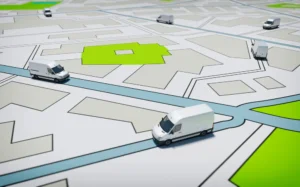
Route Planning and Optimization
Once orders are confirmed, routes are created based on:
- Delivery locations
- Traffic conditions
- Distance between stops
Efficient route planning is one of the most important parts of Better Delivery Scheduling.
Delivery Assignment & Dispatching
After routes are finalized, deliveries are assigned to drivers based on:
- Availability
- Capacity
- Delivery priority
This step ensures balanced workloads and prevents delays.
Real-Time Tracking and Adjustments
No delivery day goes exactly as planned. Traffic, weather, and last-minute orders can disrupt schedules. Real-time tracking allows businesses to:
- Adjust routes instantly
- Update customers
- Maintain delivery accuracy
Common Challenges in Delivery Scheduling
Lack of Flexibility
Rigid schedules can’t adapt to unexpected changes. This often leads to delays and missed opportunities.
Tight Delivery Timeframes
Short delivery windows create pressure on drivers and increase the risk of late deliveries.
Unexpected Delays (Traffic, Weather)
External factors such as road conditions or weather disruptions can quickly affect even the best delivery schedule.
Poor Planning and Manual Processes
Manual scheduling increases the risk of human error. Without automation, it becomes difficult to manage large volumes efficiently.
Difficulty Managing High Order Volumes
As businesses grow, managing scheduling deliveries manually becomes unsustainable. Higher-order volumes require smarter systems and processes.
Key Factors That Affect Delivery Scheduling
Order Volume and Demand Fluctuations
Sudden spikes in demand can overwhelm existing schedules if not properly managed.
Traffic and Route Conditions
Urban congestion, road closures, and peak hours all affect delivery timing.
Driver Availability and Capacity
Limited driver availability can slow down operations and create scheduling gaps.
Delivery Time Windows
Strict delivery windows require precise coordination and efficient routing.
Proven Strategies to Improve Delivery Scheduling
Optimize Delivery Routes Efficiently
Use route optimization tools to minimize travel time and fuel usage. Efficient routing is the backbone of Better Delivery Scheduling.
Batch Deliveries by Location
Grouping deliveries in the same area reduces travel distance and improves efficiency.
Set Realistic Delivery Time Slots
Avoid overpromising. Accurate time windows improve customer satisfaction and reduce stress on drivers.
Prioritize Urgent and Same-Day Deliveries
Not all deliveries are equal. Prioritizing urgent shipments ensures critical deliveries are handled first.
Use Delivery Scheduling Software
Modern tools help automate scheduling, reduce errors, and improve overall performance.
How Technology Improves Delivery Scheduling
Real-Time Tracking Systems
Tracking systems provide visibility into every delivery, helping businesses stay in control.
Automated Dispatch and Routing Tools
Automation removes guesswork and speeds up decision-making.
Data-Driven Decision Making
Analyzing past delivery data helps businesses improve future schedules and identify inefficiencies.
Common Delivery Scheduling Mistakes to Avoid
Overloading Drivers
Assigning too many deliveries to one driver leads to delays and burnout.
Ignoring Traffic Patterns
Failing to account for traffic conditions can disrupt even the most carefully planned schedule.
Lack of Customer Communication
Customers need updates. Without communication, even on-time deliveries can feel unreliable.
Not Using Automation
Manual processes limit scalability and increase errors. Automation is essential for growing operations.
How Professional Courier Services Improve Scheduling
Pre-Planned and Optimized Delivery Systems
Professional couriers use advanced systems to create efficient schedules from the start.
Flexible Scheduling Options
A reliable scheduled delivery service can adapt to changing needs, including urgent and last-minute deliveries.
Reliable Same-Day and Scheduled Deliveries
Working with experts ensures consistent performance and fewer delays. For example, businesses looking for scheduled delivery in Augusta, GA, can rely on structured systems that prioritize efficiency and reliability.
At Bearcat Express, delivery scheduling is handled with precision, combining planning, technology, and real-world experience to ensure every delivery runs smoothly.
You may also read: The True Cost of Fleet Management
Conclusion
Efficient delivery operations don’t happen by accident; they’re built on strong systems, clear processes, and continuous improvement. By focusing on Better Delivery Scheduling, businesses can reduce costs, improve delivery performance, and meet customer expectations more consistently.
If your current system feels inefficient or difficult to manage, it may be time to rethink your approach. From smarter routing to real-time tracking and professional support, the right strategy can make a significant difference.
For businesses looking to streamline operations and improve reliability, Bearcat Express offers dependable solutions tailored to modern delivery needs. If you’re ready to improve your delivery performance, contact us today and discover how better scheduling can transform your operations.
Frequently Asked Questions
What is delivery scheduling?
Delivery scheduling is the process of planning and organizing deliveries to ensure they are completed on time. It includes route planning, driver assignment, and time slot management.
How can I improve delivery efficiency?
Improving efficiency starts with optimizing routes, using scheduling tools, and setting realistic delivery windows. Better planning leads to faster and more reliable deliveries.
What tools are used for delivery scheduling?
Businesses use route optimization software, dispatch systems, and tracking tools to manage their delivery schedule and improve performance.
Why do delivery delays happen?
Delays often occur due to traffic, poor planning, high order volumes, or lack of real-time updates. Stronger Better Delivery Scheduling helps reduce these issues.
What is a scheduling order in deliveries?
A scheduling order is a structured plan that outlines when and how deliveries will be completed. It ensures all deliveries follow a clear timeline.