In today’s fast-moving commerce and logistics landscape, customers expect clarity, speed, and reliability. Yet one of the most common points of confusion remains the difference between shipping pickup and delivery services. These terms are often used interchangeably, but in reality, they describe very different stages and responsibilities within the logistics process. Understanding these differences helps businesses reduce costs, set accurate customer expectations, and choose the right service for every order.
For local businesses, retailers, and e-commerce sellers, this distinction is not just educational it directly affects operations and customer satisfaction. Companies like Bearcat Express, which focus on local pickup and delivery solutions, see this confusion daily and understand why clear explanations matter.
What Do Shipping, Pickup, and Delivery Really Mean?
Before comparing these services, it is important to define them clearly. Many people search for questions like what does shipping mean in delivery or what the difference between shipping and delivery, which shows how blurred these terms have become.
Shipping Explained in Simple Terms
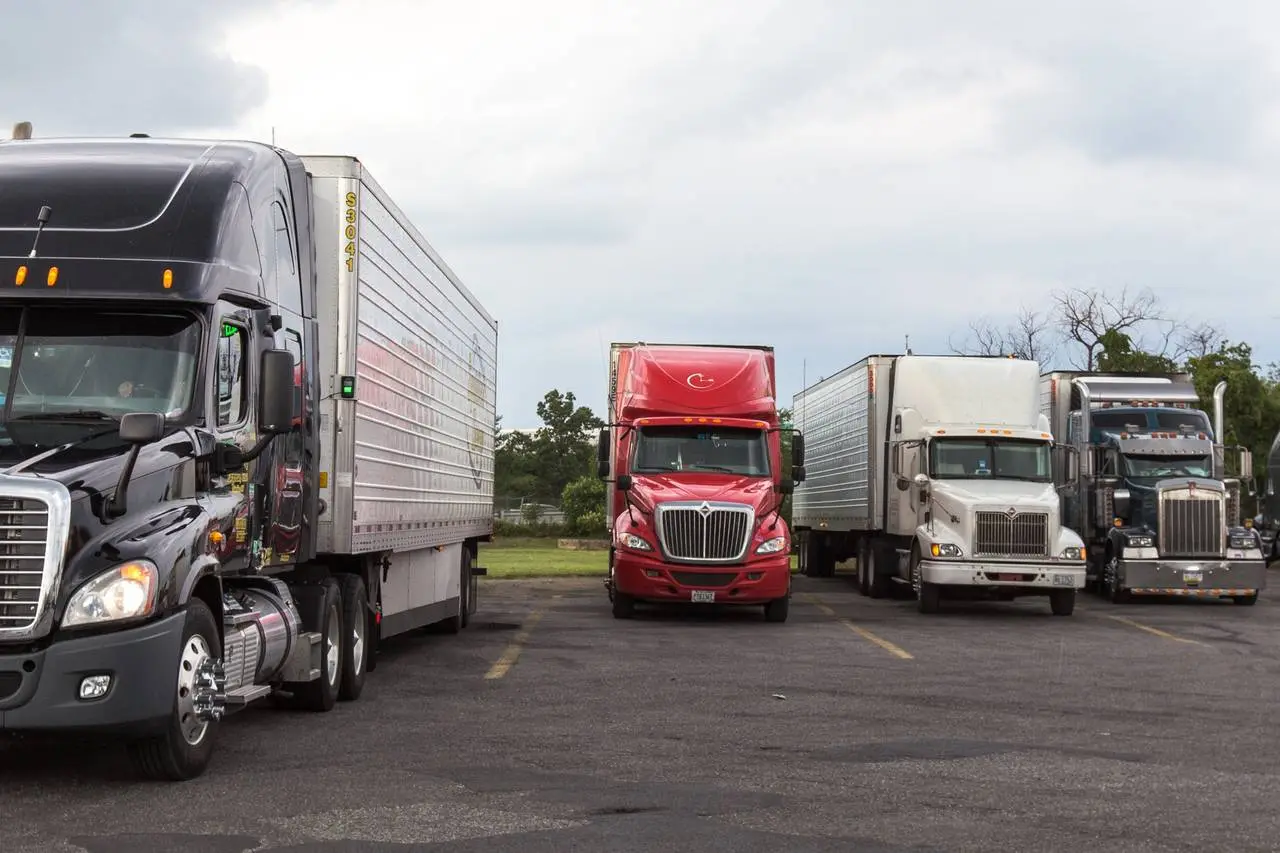
Shipping refers to the transportation of goods over longer distances, often between cities, states, or countries. It usually involves large carriers such as USPS, UPS, FedEx, or freight companies. When people ask about the difference between ship and delivery, shipping is the broader, long-haul movement of goods from one hub to another.
In simple language, shipping answers the question: How does the package travel from the seller’s region to the destination region?
What Is a Pickup Service?
A pickup service is the first physical step in many logistics operations. It involves collecting a package from the sender’s location, such as a store, warehouse, office, or distribution center. This is especially important in a pickup and delivery business, where efficiency starts at the pickup stage.
When customers debate pick up or delivery, pickup refers specifically to collecting the item, not transporting it to the final recipient.
What Is a Delivery Service?
Delivery is the final step in getting a package to its destination. To define service delivery in logistics terms, it is the act of transporting an item from a local hub or warehouse to the end customer. This stage directly impacts customer satisfaction because it is the only part that the recipient physically experiences.
For local businesses, companies like Bearcat Express focus specifically on this last-mile stage, ensuring timely, secure, and well-documented deliveries. Understanding the difference between shipping pickup and delivery services starts with recognizing that delivery is not shipping; it is the last-mile completion of the order.
Where Each Service Fits in the Logistics Process
Seeing how these services connect helps explain why each one exists and who is responsible for it.
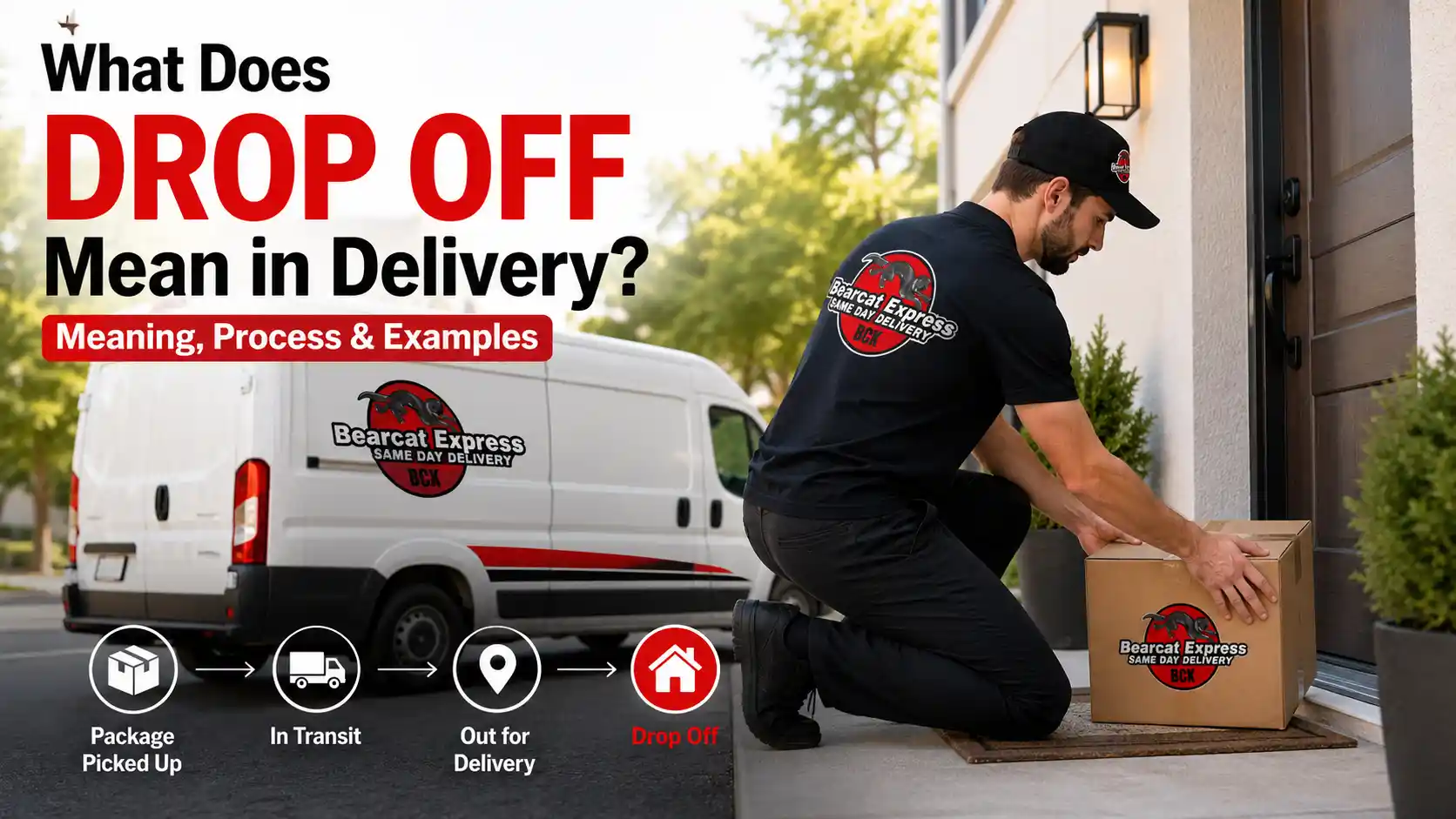
End-to-End Flow: Order \ Pickup \ Shipping \ Delivery
Most logistics processes follow a predictable flow:
- An order is placed
- The item is collected through pickup
- The item is transported via shipping (if long-distance)
- The item reaches the customer through delivery
Not every order includes all steps. Local courier jobs, for example, may involve only pickup and delivery with no traditional shipping.
Who Handles Each Step? (Sender, Carrier, Courier)
- Sender prepares the package and requests service
- Shipping carriers handle long-distance transportation
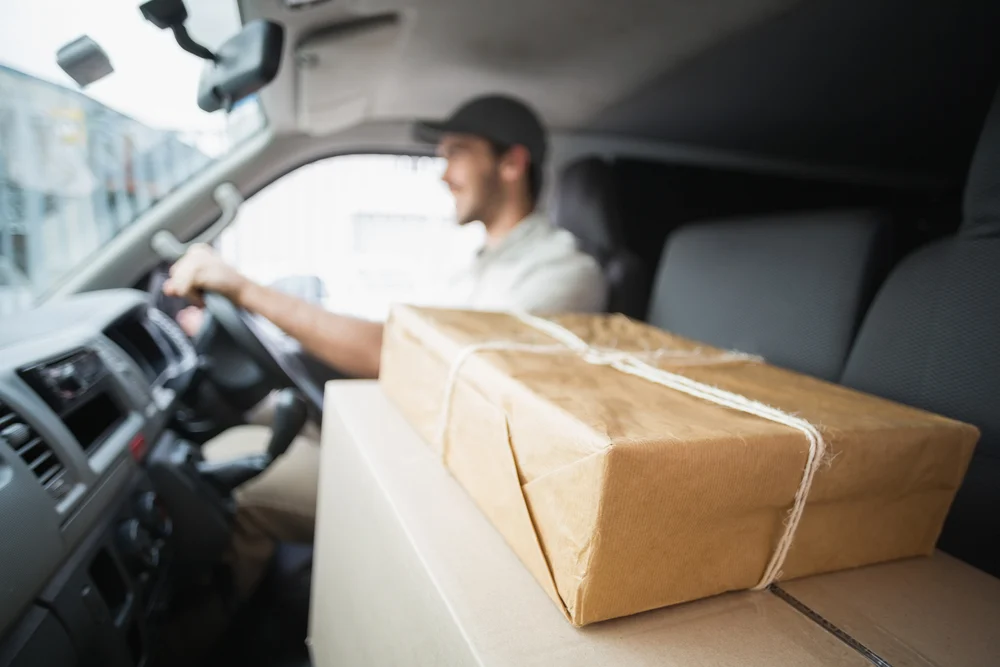
- Couriers handle local pickup and delivery
This division of responsibility explains what the difference between shipping and delivery really is from an operational standpoint.
You may also read: What Is Scheduled Delivery, and How Does It Work?
Shipping Services Explained (Long-Distance Focus)
Shipping plays a critical role in national and international commerce, but is often misunderstood at the local level.
How the Shipping Process Works
Shipping typically includes:
- Label creation
- Transfer to a carrier hub
- Sorting and routing
- Transit between facilities
- Hand-off for final delivery
This is why many customers wonder what does shipping mean in delivery because delivery often appears as part of shipping, even though it is a separate function.
Common Shipping Methods (Ground, Air, Freight)
- Ground shipping for standard timelines
- Air shipping for faster transit
- Freight shipping for pallets or oversized items
Each method affects cost, speed, and handling requirements.
Shipping Timelines and Limitations
Shipping is efficient for distance, not urgency. Delays due to weather, customs, or volume are common. It is also less flexible for same-day needs.
It is important to note that Bearcat Express does not provide long-distance shipping services. Instead, the company specializes in local pickup and delivery, where speed and reliability matter most.
Pickup Services Explained (Local & On-Demand)
Pickup services are the foundation of fast local logistics and are essential for modern businesses.
What Happens During a Pickup Service
A pickup service includes:
- Scheduling a pickup time
- Driver arrival at the sender’s location
- Secure handoff of the package
- Immediate routing to delivery or processing
This process is central to on demand pickup and delivery models.
Types of Pickup Services
- On-Call Pickup
Ideal for urgent or unpredictable needs. - Scheduled Pickup
Useful for businesses with regular dispatch times. - Retail / Big Box Store Pickup
Common for retailers managing overflow orders or local fulfillment.
This is where services like Big Box Store Pick Up Augusta, GA, become especially valuable for local businesses.
Businesses That Benefit Most from Pickup Services
- Retail stores
- Medical offices
- Law firms
- E-commerce sellers
- Local manufacturers
For anyone researching how to start a pickup and delivery service, understanding these use cases is essential.
Delivery Services Explained (Speed & Reliability)
Delivery is where promises are kept or broken.
What Delivery Means in Modern Logistics
To define service delivery accurately, it means completing the order by placing the item in the recipient’s hands safely and on time. Delivery quality directly affects reviews, repeat business, and brand trust.
Local vs Same-Day vs Scheduled Delivery
- Local delivery for short distances
- Same-day delivery for urgent needs
- Scheduled delivery for planned operations
These options highlight the difference between shipping, pickup, and delivery services, especially in terms of speed and flexibility.
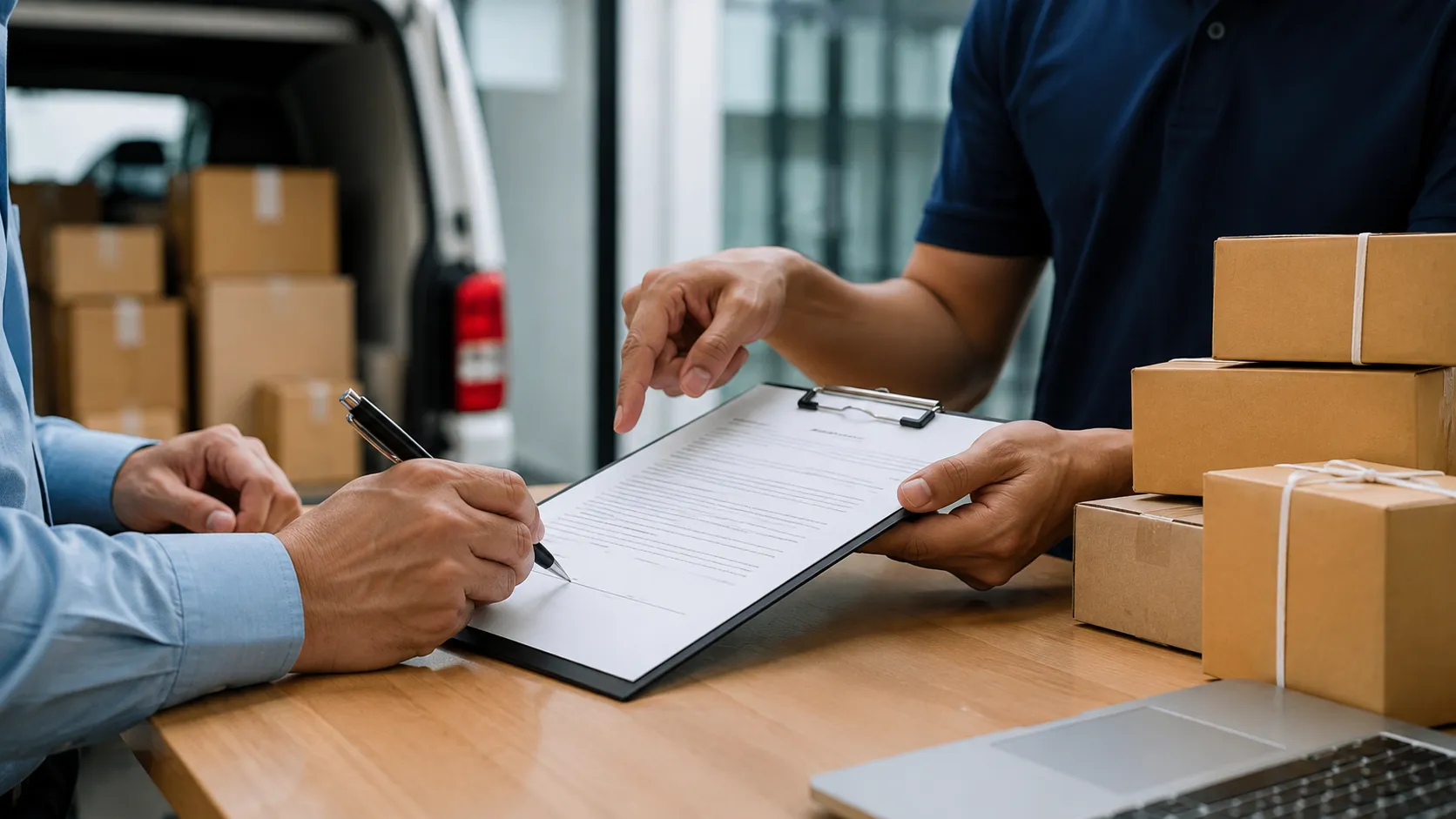
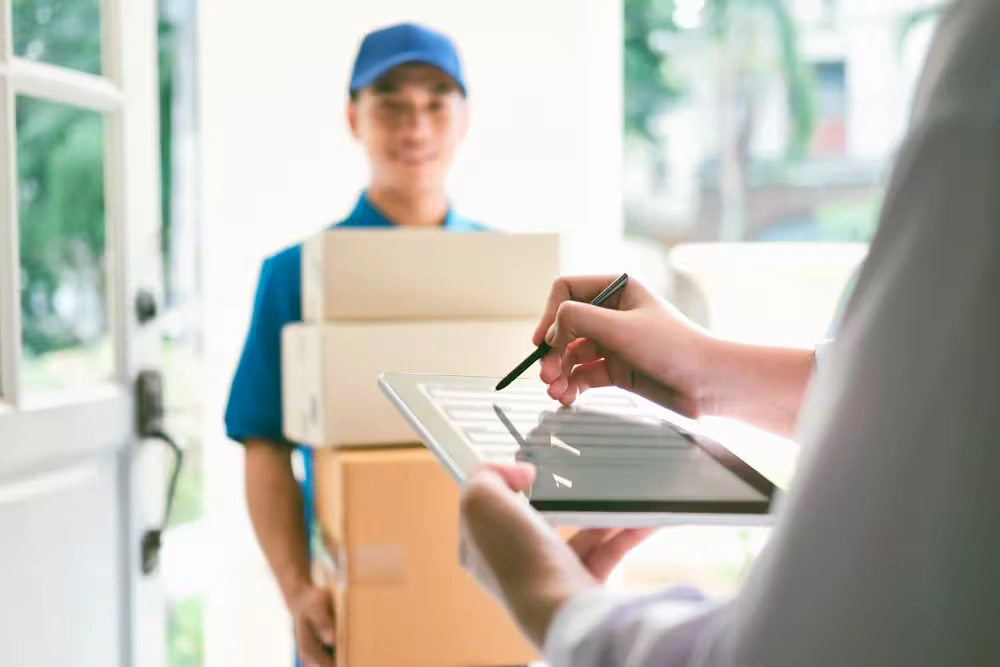
Proof of Delivery, Signatures, and Notifications
Modern delivery includes:
- Digital signatures
- Photo confirmation
- Real-time notifications
These features reduce disputes and increase transparency.
Shipping vs Pickup vs Delivery (Side-by-Side Comparison)
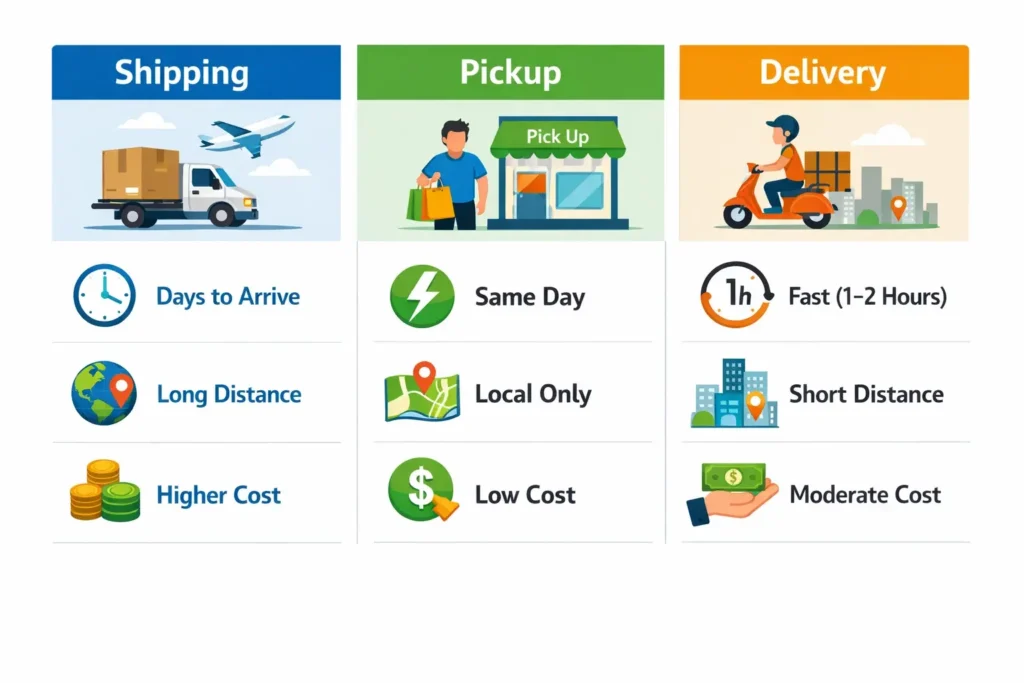
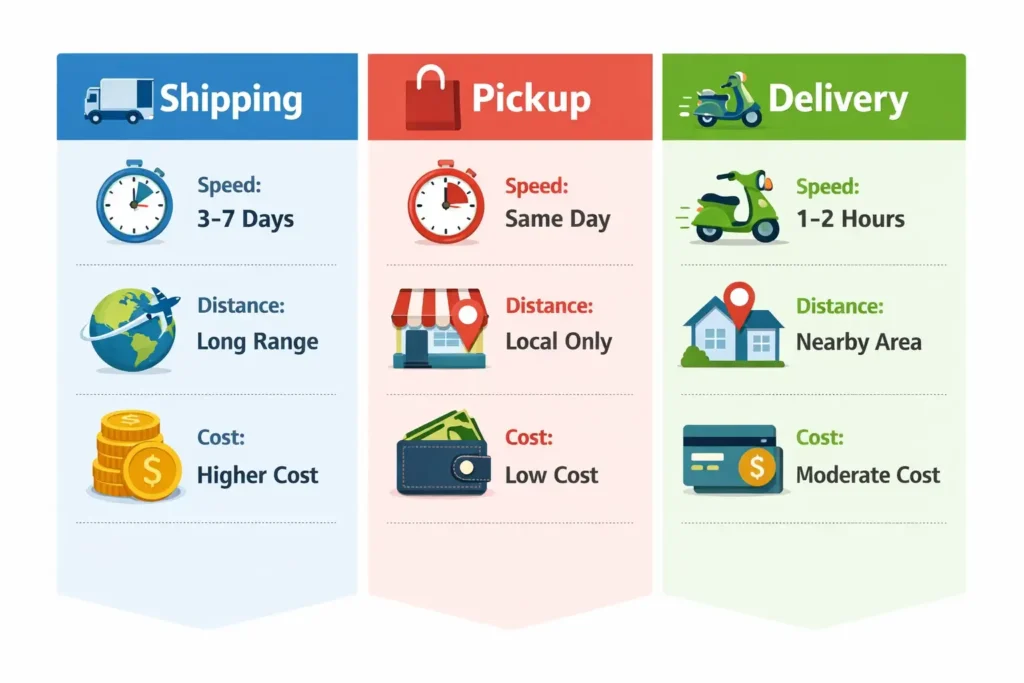
Comparison by Speed, Distance, Cost, and Use Case
| Feature | Shipping | Pickup | Delivery |
| Distance | Long | Local | Local |
| Speed | Days | Immediate | Same-day or scheduled |
| Cost | Variable | Low | Moderate |
| Best Use | Long-haul transport | Order collection | Final customer fulfillment |
This table clearly answers what the difference between shipping and delivery is in practical terms.
Which Service Is Right for Your Business?
Choosing the right option depends on your operational needs.
Best Choice for E-commerce Businesses
E-commerce sellers often use shipping to reach customers but rely on local pickup and delivery to improve customer experience and reduce costs.
Best Choice for Local Retailers & Offices
Local businesses benefit most from pickup and delivery services that provide flexibility without long shipping timelines.
Best Choice for Time-Sensitive Deliveries
Same-day delivery is ideal for legal documents, medical supplies, and urgent retail orders.
How Technology Improves Pickup and Delivery Services
Technology is reshaping logistics efficiency.
Real-Time Tracking and Route Optimization
Live tracking allows businesses and customers to monitor progress in real time.
Scheduling, Notifications, and Customer Updates
Automated updates reduce support inquiries and build trust.
Digital Proof of Delivery
Electronic confirmation provides accountability and transparency.
Key Benefits and Common Challenges
Convenience, Speed, and Flexibility
Local pickup and delivery services offer unmatched control and responsiveness.
Common Delays and How to Avoid Them
Poor planning, unclear instructions, and traffic can cause delays, but good routing software minimizes risk.
Cost Factors and Smart Cost Control
Using the right service for the right task prevents overspending on unnecessary shipping.
Why Local Pickup and Delivery Services Matter More Today
Consumer expectations have shifted toward speed and transparency.
Faster Turnaround for Local Businesses
Local services reduce wait times and increase customer satisfaction.
Better Customer Experience vs Traditional Shipping
Customers value accurate delivery windows over vague shipping estimates.
Conclusion
Understanding the difference between shipping pickup and delivery services helps businesses operate smarter and serve customers better. Shipping handles distance, pickup starts the process, and delivery completes it. Choosing the right combination reduces delays, lowers costs, and improves satisfaction.
If your business relies on fast and reliable local logistics, Bearcat Express specializes in professional pickup and delivery solutions tailored for modern businesses. Contact us to discover the ideal service for your local delivery needs and experience logistics designed around clarity, speed, and trust.
FAQs
What is the main difference between shipping pickup and delivery services?
The main difference lies in distance and function. Shipping handles long-distance transport, pickup collects items from the sender, and delivery completes the order locally.
What does shipping mean in delivery tracking?
Shipping usually refers to the transit stage before local delivery begins. This explains why people ask what does shipping mean in delivery when tracking updates change.
Is pickup part of delivery or shipping?
Pickup is a separate step that occurs before either shipping or delivery, depending on the distance involved.
Can a pickup and delivery business replace shipping?
No, a pickup and delivery business focuses on local logistics, while shipping covers long-distance transport.
How do I choose between pick up or delivery services?
Choose pickup if you need collection, delivery if you need final fulfillment, and shipping if distance is involved.