
Choosing the wrong delivery method can cost a business more than money. A late legal contract, a medical sample stuck in a sorting hub, or a retail order that misses its same-day promise all trace back to one decision: courier or parcel. Understanding What Is the Difference Between Courier and Parcel Delivery helps businesses match the shipment to the right service instead of guessing, and at Bearcat Express, this question comes up almost daily from local businesses.
In short, courier delivery moves one item directly and fast, while parcel delivery moves many items through a shared network on a fixed schedule, and the right choice depends on what you’re shipping and how quickly it needs to arrive.
What Is Courier Delivery?

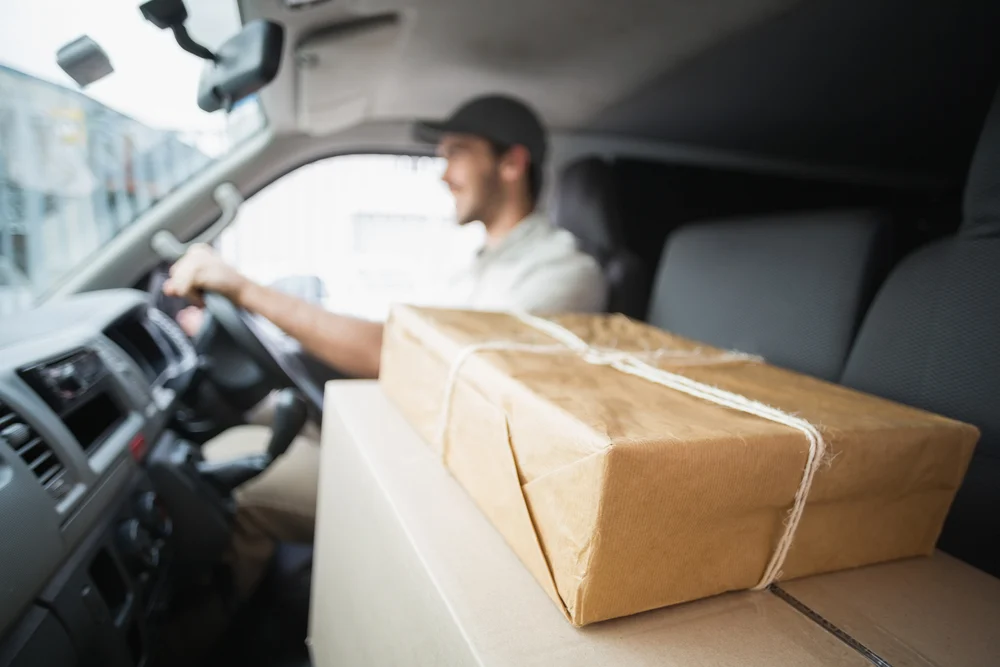
What is courier delivery, exactly? It’s a dedicated transport method where one driver picks up your item and takes it directly to its destination, often with no stops in between. There’s no sorting facility, no batching with other packages, and no waiting for a truck to fill up before it leaves. This is why courier delivery means speed and accountability rather than shared capacity.
How a Courier Delivery Actually Moves, Step-by-Step
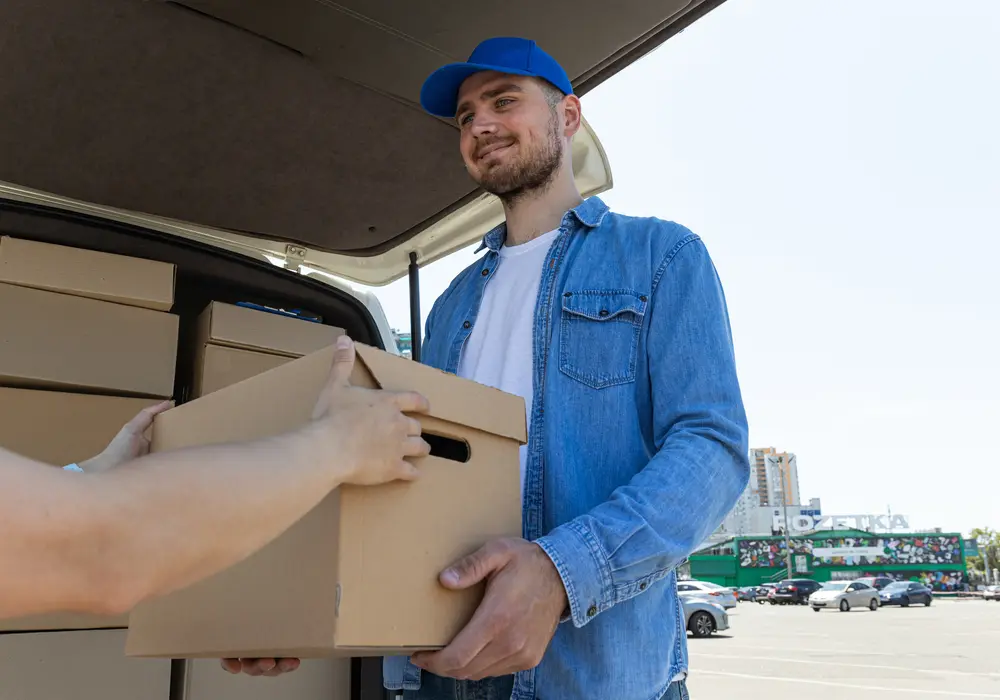
Here’s what happens operationally when a courier pickup is booked. A dispatcher assigns the job to a driver already working in that area, not a driver starting from a central warehouse. The driver arrives, verifies the item, and often photographs or scans it before departure. From that point, the item stays with the same driver until delivery. There’s no cross-docking, no re-loading onto a second vehicle, and no overnight hold at a sorting center. For a medical courier run we handle regularly, a specimen leaves a clinic and reaches the lab in under 90 minutes because it never leaves that one vehicle.
This direct-hand-off model is also how you would define delivery courier services when comparing them to standard shipping. The courier is responsible for the item from pickup to signature, which is very different from a shipment that changes hands five or six times before arrival.
Where Courier Delivery Fits Best
Courier services fit situations where timing and chain of custody matter more than cost per pound. Law firms use couriers for time-stamped filings. Retail stores use them to fulfill same-day online orders without holding excess inventory. Businesses that regularly need a Same Day Delivery Service Augusta GA rely on this direct-route model because it’s the only way to guarantee a same-day window with real accountability.
What Is Parcel Delivery?
Parcel delivery works differently. Instead of one driver handling your item start to finish, your package enters a network built for volume. What is a parcel courier in this context? The term is a bit misleading, since parcel shipping usually isn’t handled by a single dedicated courier at all. It’s handled by a system of hubs, sorting centers, and scheduled routes.
How a Parcel Moves Through the Network, Step-by-Step
When a parcel is dropped off or picked up, it’s first scanned into a local facility. From there, it’s grouped with other packages heading in a similar direction and loaded onto a larger vehicle. That vehicle takes it to a regional sorting hub, where it’s scanned again, re-sorted by destination, and loaded onto another vehicle for the next leg of the trip. Depending on distance, this can happen two or three times before the package reaches a local delivery route. Each stage adds time, but it also allows the network to move thousands of packages at a much lower cost per item than a dedicated driver could.
Where Parcel Delivery Fits Best
This structure works well for shipments that aren’t time-critical. E-commerce orders with a flexible delivery window, bulk shipments moving across states, and non-urgent business supplies are all a good match. If your shipment can tolerate a multi-day window, parcel delivery is usually the more cost-effective route.
Courier vs Parcel Delivery: Side-by-Side Comparison
| Factor | Courier Delivery | Parcel Delivery |
| Speed | Same-day, often within hours | Multiple days |
| Handling | Single driver, direct route | Multiple hubs and handoffs |
| Tracking | Real-time GPS, live driver location | Scan-based milestone updates |
| Cost Structure | Higher per item, based on urgency | Lower per item, based on volume |
| Service Area | Local and regional | National and long-distance |
| Ideal Use Case | Time-sensitive, high-accountability items | Bulk or non-urgent shipments |
This table captures What Is the Difference Between Courier and Parcel Delivery at a glance, but the right choice still depends on the specific shipment in front of you.
Real-World Scenarios: Which One Should You Choose?
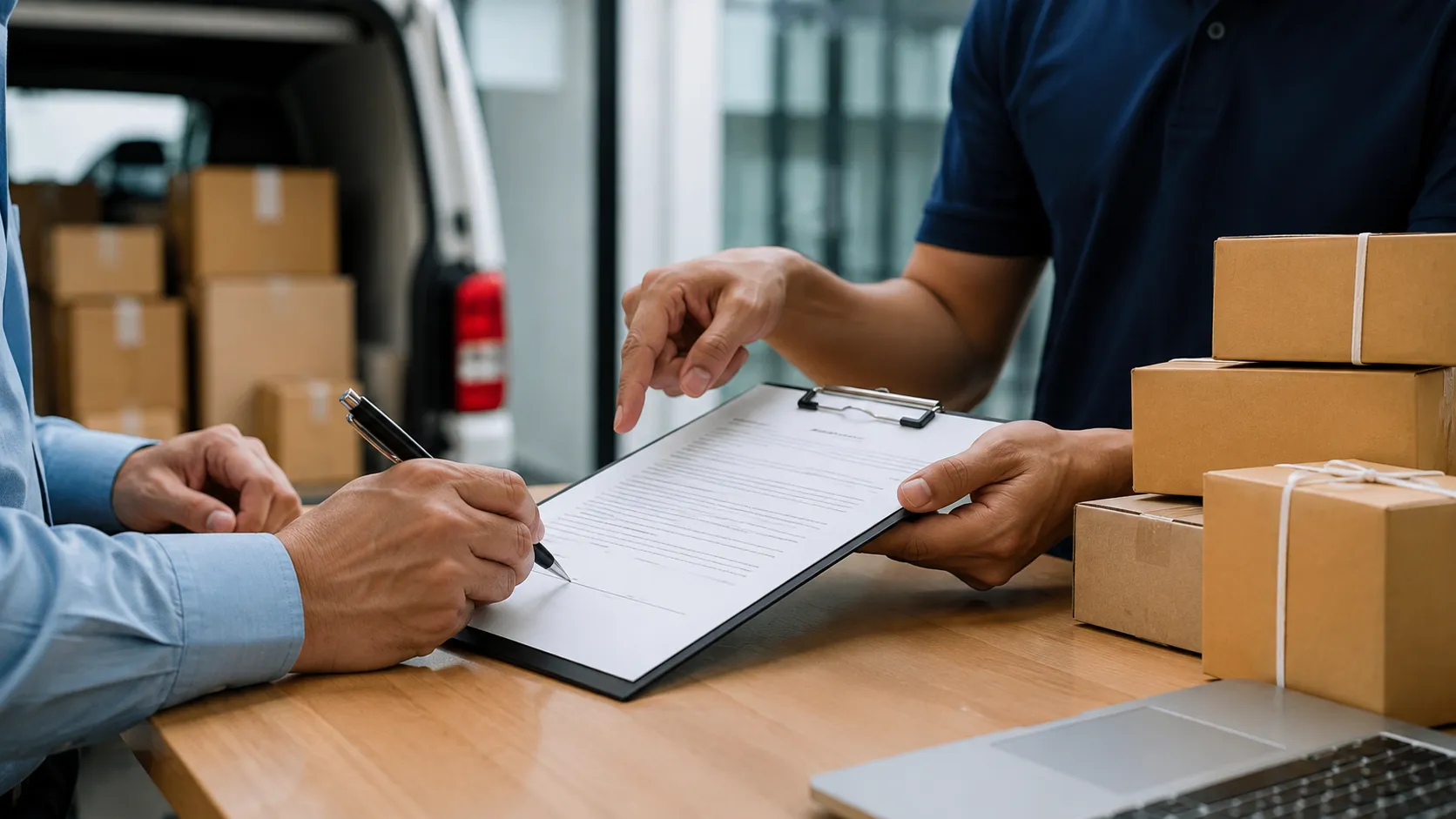
A law office needs a signed contract delivered across town before a 4 p.m. filing deadline. There’s no room for a sorting delay, so a courier is the only realistic option.
A medical clinic needs a blood sample transported to a testing lab within the hour to keep the sample viable. This is exactly where courier delivery makes the difference between a usable result and a wasted trip.
An online furniture store is shipping a couch to a customer 400 miles away, with a delivery window of five to seven business days. Parcel delivery handles this efficiently, since speed isn’t the priority and the network can absorb the volume.
A regional distributor is moving 200 units of packaged goods to three warehouses across the state on a set weekly schedule. Parcel service, with its fixed routes and batch handling, is built for exactly this kind of predictable, high-volume movement.
Courier vs Parcel Delivery for Businesses
Beyond speed, the choice between courier and parcel delivery affects how a business actually runs day to day. With Bearcat Express, clients often tell us the deciding factor isn’t just delivery time; it’s how much the choice affects their own operations.
Impact on Operations and Inventory
Businesses that lean on courier delivery can often carry less inventory, since they can restock or fulfill orders on short notice instead of holding extra stock as a buffer. Parcel delivery, because it runs on longer and less flexible timelines, tends to push businesses toward holding more inventory to avoid stockouts while shipments are in transit.
Customer Satisfaction and Expectations
Customers judge a business by whether it keeps its delivery promises. A same-day courier commitment that’s met consistently builds trust fast. A parcel delivery window that’s clearly communicated up front also builds trust, as long as the business doesn’t overpromise a speed the network can’t actually deliver. Mismatched expectations, more than slow delivery itself, are usually what drive complaints.
You may also read: What Is the Difference Between Logistics and Courier Service?
Common Mistakes Businesses Make Choosing Between Courier and Parcel
The most frequent mistake is assuming price should be the only deciding factor. A business might choose the cheaper parcel option for a time-sensitive shipment, only to face a late delivery penalty or a lost client that costs far more than the shipping savings.
Another common mistake is not accounting for chain of custody. Sensitive documents or high-value items sent through a multi-hub parcel network pass through more hands and more transfer points, which increases risk even if the item ultimately arrives on time.
A third mistake is underestimating how often “urgent” shipments actually occur. Businesses that only occasionally need fast delivery sometimes skip setting up a courier relationship in advance, then scramble when a true emergency shipment comes up with no established process in place.
Why Local Courier Demand Is Growing
Customer expectations around speed have shifted permanently. Same-day and next-day delivery, once reserved for emergencies, are now a standard expectation for local purchases. Retailers increasingly use local couriers to fulfill orders directly from store shelves rather than routing everything through a centralized warehouse, which cuts both delivery time and handling costs. The final leg of any delivery, commonly called the last mile, is also the most complex part of the journey, and it’s the part courier services are specifically built to handle well.
What This Means for Businesses in Augusta and Nearby Regions
For businesses operating across Augusta and the surrounding areas, this decision has real operational weight. Bearcat Express works with local retailers, medical offices, and legal practices who need a dependable Same Day Delivery Service Augusta GA option they can count on without guessing whether a shipment will arrive on time. Knowing when to use a courier versus when parcel delivery makes more sense helps businesses avoid both overspending on urgent shipping they didn’t need and underdelivering on promises they made to customers.
Final Thought
Understanding What Is the Difference Between Courier and Parcel Delivery comes down to matching the shipment to the right system rather than defaulting to whichever option feels familiar. Courier delivery means speed, direct handling, and accountability for shipments that can’t wait. Parcel delivery means cost efficiency and scale for shipments that can.
If your business needs a dependable courier partner for time-sensitive deliveries in Augusta or the surrounding region, contact us at Bearcat Express, and we’ll help you set up a delivery process that actually fits how your business operates.
FAQs
What is the main difference between courier and parcel delivery?
Courier delivery uses one dedicated driver to move an item directly and quickly, while parcel delivery routes items through a network of sorting hubs on a fixed schedule. This is the core of What Is the Difference Between Courier and Parcel Delivery for most businesses evaluating their options.
What is courier delivery best suited for?
Courier delivery works best for urgent, time-sensitive, or high-accountability shipments, such as legal documents or medical samples, where a delay isn’t an option.
What is a parcel courier, and is that the same as a courier service?
The phrase can be confusing because parcel shipments usually move through a shared network rather than staying with a single dedicated courier from pickup to delivery, which makes it different from a true courier service.
How do you define delivery courier services compared to standard shipping?
You define delivery courier services by direct, one-to-one handling of a shipment from pickup to drop-off, without the multiple transfer points typical of standard parcel shipping.
Can a business use both courier and parcel delivery?
Yes, and most established businesses do. Urgent, local, or sensitive shipments go through a courier, while routine or long-distance orders move through parcel delivery to keep overall shipping costs manageable.