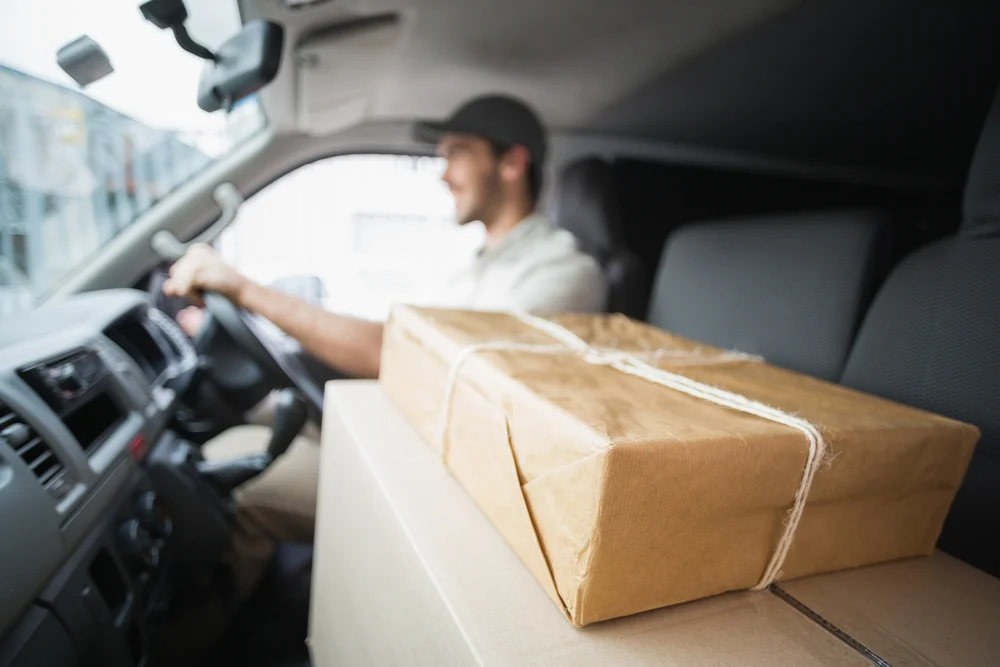
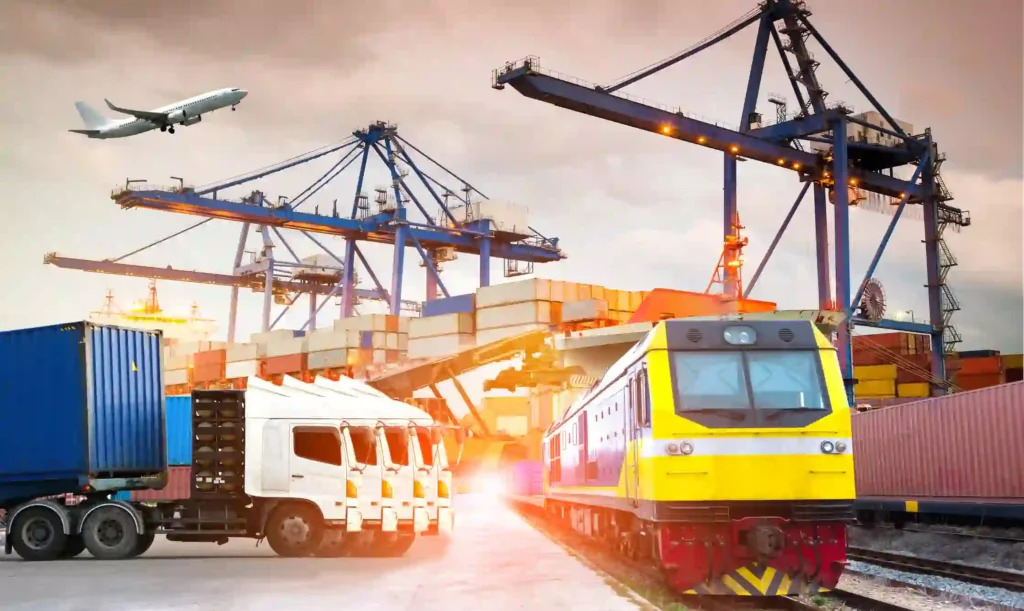
Sending a document across town and moving 20 pallets across several states are both transportation tasks, but they require different operations. Understanding the difference between logistics and courier service starts with scope. Courier service focuses on moving individual shipments quickly from pickup to delivery, often with detailed tracking and controlled handoff.
Logistics is broader and can include transportation, warehousing, inventory, order fulfillment, routing, freight coordination, and returns. In simple terms, logistics manages the larger supply chain, while courier service handles specific delivery needs. Bearcat Express supports local delivery with speed, communication, tracking, and dependable service for time-sensitive shipments.
Quick Answer: Courier vs Logistics in Plain Terms

A courier service is primarily about moving a specific package, document, product, or other item from one location to another, often with fast pickup, direct routing, detailed tracking, and proof of delivery.
Logistics is the broader process of planning and managing how goods are transported, stored, consolidated, distributed, and sometimes returned. A courier can therefore be part of a larger logistics operation rather than being completely separate from it.
What a Courier Service and a Logistics Service Each Actually Cover
People who search “courier service define” usually want one clean sentence: a courier moves a parcel or document from one address to another on a dedicated route. Logistics is wider. If you have ever wondered what does the word logistics mean outside of a textbook, think of it as the planning layer: storage, packing, routing, and transport, all decided before a truck moves.
Courier delivery is one piece of that larger field, which is why courier and logistics are often grouped even though they work very differently.
| Provider type | What it does | Typical customer |
| Courier service | Moves single parcels directly, point to point | Offices, clinics, retailers with urgent items |
| Freight forwarder | Arranges space with carriers, handles paperwork and customs | Importers and exporters |
| 3PL (third-party logistics) | Stores inventory, packs orders, coordinates shipping | E-commerce sellers and distributors |
| 4PL (fourth-party logistics) | Oversees several logistics providers and the overall strategy | Large companies with complex supply chains |
What Happens When a Package Enters a Courier Dispatch System
A pickup request arrives, often with a tight time window. A dispatcher assigns it to the driver who is closest and already heading that way, not to whoever has the emptiest truck. The package is scanned at pickup and again at drop-off. There is no sorting facility and no storage step in between.
That is the practical answer to what’s courier service: one driver, one route, one deadline. A driver carries a handful of stops, not hundreds, which is why legal documents, lab specimens, and same-day replacement parts tend to move this way. The tradeoff is capacity. A courier vehicle can hold only so much before it stops being fast, and that limit is intentional.
What Happens When a Shipment Enters a Logistics Network
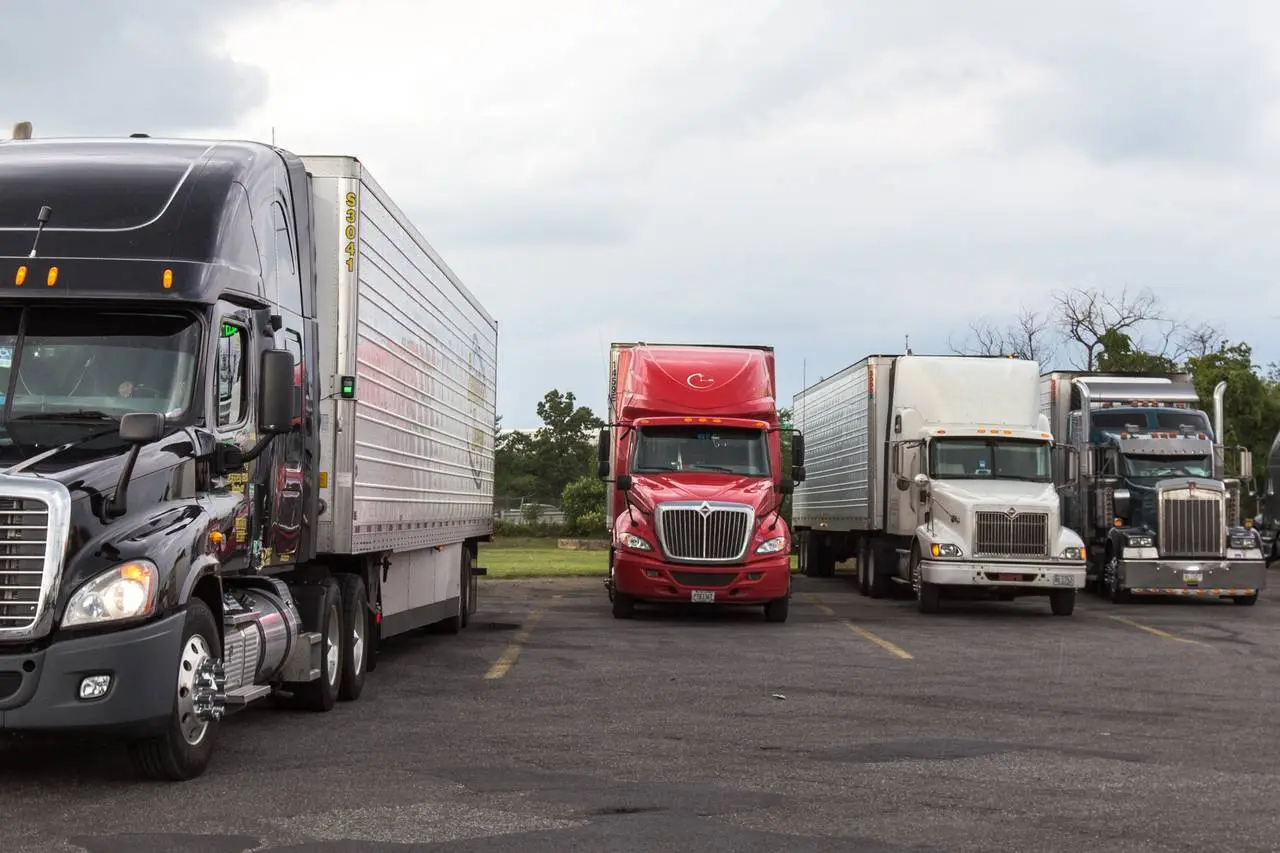
A logistics shipment starts with planning, not a driver. Someone decides whether it moves as a full truckload, a partial load, or on a consolidated freight lane shared with other shippers’ goods. A pallet may wait in a warehouse for a scheduled window, get consolidated, then travel through a regional hub and a line-haul truck before a final delivery vehicle.
This is what the word logistics means in daily operations: coordination before movement. None of it is slow because the provider is inefficient. It is slow because the system is built to lower cost per unit across large volumes. A manufacturer shipping 40 pallets a week benefits enormously. A business sending one urgent envelope does not.
Side-by-Side: A Single Package’s Journey vs a Bulk Shipment’s Journey
Picture two shipments leaving the same industrial park on a Tuesday morning.
The first is an envelope of signed contracts that must reach a law office across town by noon. It is picked up within an hour, driven straight there, and signed for. The second is a pallet of retail inventory headed to a distribution center three states away. It rides a truck that has several more pickups, reaches a hub the next day, is consolidated, and arrives three to five days later.
Both were handled correctly. Neither system failed. Logistics and courier services were simply never solving the same problem, and that is the clearest way to see the difference between logistics and courier service.
Who Holds the Shipment: Custody, Tracking, and Liability at Each Stage
Speed is only half of the story. The other half is who is responsible for your goods at any given moment. Liability terms depend on the contract and the shipping documents, so always read them before booking.
| Stage | Who has custody | What is scanned | Who handles a damage claim |
| Courier: pickup to drop-off | The courier company and its driver | Pickup and delivery, often with a signature | The courier company, under its service terms |
| Logistics: origin warehouse | The warehouse operator | Receiving, put-away, loading | The provider named in the storage agreement |
| Logistics: regional hub | The hub operator or carrier | Arrival, sort, departure | Usually the carrier on the shipping documents |
| Logistics: line-haul truck | The freight carrier | Loading and unloading | The carrier, within its liability limits |
| Logistics: final delivery | The delivery carrier | Delivery confirmation | The carrier or the contracted provider |
Notice the pattern. A courier shipment usually has one custodian from start to finish. A logistics shipment can have four or five, and each handoff is a place where responsibility must be clearly documented.
Where Local Courier Fits Into Bigger Supply Chains
Local couriers rarely work apart from the logistics world. A retailer’s freight may travel 900 miles through a logistics network, then hand off the final stretch to a driver who knows the loading docks and the fastest route across town. That is the role a Local Courier Service in Augusta, GA plays for businesses in the region, whether the shipment needs that last time-sensitive leg or never touches freight at all.
Understanding this handoff is often what people are really searching for. It is not always either-or. Sometimes the question is just which one handles your specific mile.
Cost and Speed Breakdown
Courier pricing follows urgency and distance for a single trip. Logistics pricing follows weight, volume, and space. A pallet can cost far less per pound on a freight lane precisely because it shares the truck and runs on a planned schedule.
| Shipment type | Illustrative range | Typical timing |
| Local same-day courier | About 25 to 75 dollars | Hours |
| Regional courier trip | Higher, driven by mileage | Same day or next day |
| Pallet by freight network | Lower per pound, higher per shipment | Several days |
These are planning ranges, not quotes. Rates vary with distance, size, time window, and provider. Paying for speed you do not need is the most common way businesses overspend, and pushing an urgent single item through a bulk network is the most common way they miss a deadline.
You may also read: Difference Between a Courier Carrier and Post?
A Practical Example: The Same Business Using Both in One Week
A local retailer restocks every Monday through a freight provider that consolidates its order with other goods and delivers on a fixed two-day schedule. The volume is predictable, so logistics fit.
On Wednesday afternoon, a customer reports a damaged item and needs a replacement before a weekend event. That one package cannot wait for the next scheduled run. A courier moves it directly that same day while the rest of the inventory keeps traveling the slower, cheaper channel. Businesses that understand this split rarely overpay.
Comparison Table
| Factor | Courier service | Logistics service |
| Delivery window | Hours, same day | Days, scheduled |
| Shipment size | Parcels, documents | Pallets, bulk freight |
| Weight limit | Whatever one driver and vehicle can carry | Heavy and oversized loads |
| Route | Direct, point-to-point | Multi-stop, hub-based |
| Pricing driver | Urgency and distance | Weight, volume, space |
| Storage | None | Warehousing common |
| Returns handling | Usually a separate pickup request | Often built into the program |
| Tracking detail | Pickup and delivery, sometimes live location | Scans at each facility and handoff |
| Liability | One custodian | Shared across several handlers |
So the short answer to “courier service define” is a direct, dedicated delivery. The short answer for logistics is a planned system around many deliveries.
Shipment Decision Scorecard: Score Your Next Shipment in 60 Seconds
Ask these five questions before booking transportation.
- How urgent is it?
Same-day or time-critical usually points toward courier service. Flexible timing points toward logistics planning. - How large or heavy is it?
One manageable package may suit courier service. Pallets, multiple large shipments, or specialized freight may favor logistics. - How often do you ship it?
Occasional urgent deliveries favor courier. Predictable, recurring volume may justify a logistics program or scheduled route. - How many delivery points are involved?
One or a few direct stops generally favor courier operations. Many destinations may require route planning, consolidation, or distribution management. - Do you need storage?
If the shipment must be stored, inventoried, consolidated, or released in stages, logistics becomes more relevant.
Score each answer as 0 for courier, 1 for a mixed requirement, or 2 for logistics.
0-3: Courier-first is usually the logical starting point.
4-6: A combined courier and logistics approach may be most efficient.
7-10: Logistics-first planning is likely more appropriate.
This is a decision aid, not a substitute for a shipment-specific quote or transportation assessment.
Common Mistakes When Choosing Between the Two
- Booking logistics for a single urgent item because the per-pound rate looked low.
- Using a courier for recurring bulk freight and paying urgency pricing every week.
- Assuming tracking means the same thing everywhere. Some systems show live location, others only facility scans.
- Skipping the liability terms until something is damaged.
- Treating the two as rivals instead of tools for different miles of the same supply chain.
Conclusion
The difference between logistics and courier service is what each system was built to solve. A courier moves single, urgent shipments quickly and directly. Logistics coordinates large volumes across planned, multi-stop networks. Neither is a bigger or smaller version of the other, and knowing which one your shipment needs before you book saves both time and money.
If you are still unsure, Bearcat Express can walk through the details with you. Contact us and describe what you are sending, and the right option usually becomes clear fast.
FAQs
Is a courier the same as a logistics company?
No. A courier moves individual shipments directly from pickup to drop-off, while a logistics company coordinates storage, consolidation, and multi-stop movement for larger volumes. A courier can be one part of a logistics operation, but the two are not interchangeable.
What is a 3PL?
A 3PL, or third-party logistics provider, handles functions like warehousing, order packing, and shipping coordination on behalf of another business. It is one type of provider within the wider world of logistics and courier services.
What is the difference between courier and freight?
Courier service moves parcels on dedicated routes, usually within hours. Freight moves heavier or larger loads, often consolidated with other shipments, over days.
Can courier and logistics work together on the same shipment?
Yes, and it happens constantly. A shipment can travel most of its distance through a logistics network, then be handed to a local courier for the final, time-sensitive leg.
Which is cheaper, courier or logistics?
It depends on what you ship. For one urgent parcel, a courier is usually the better value. For large or recurring volume, logistics is typically cheaper per unit.