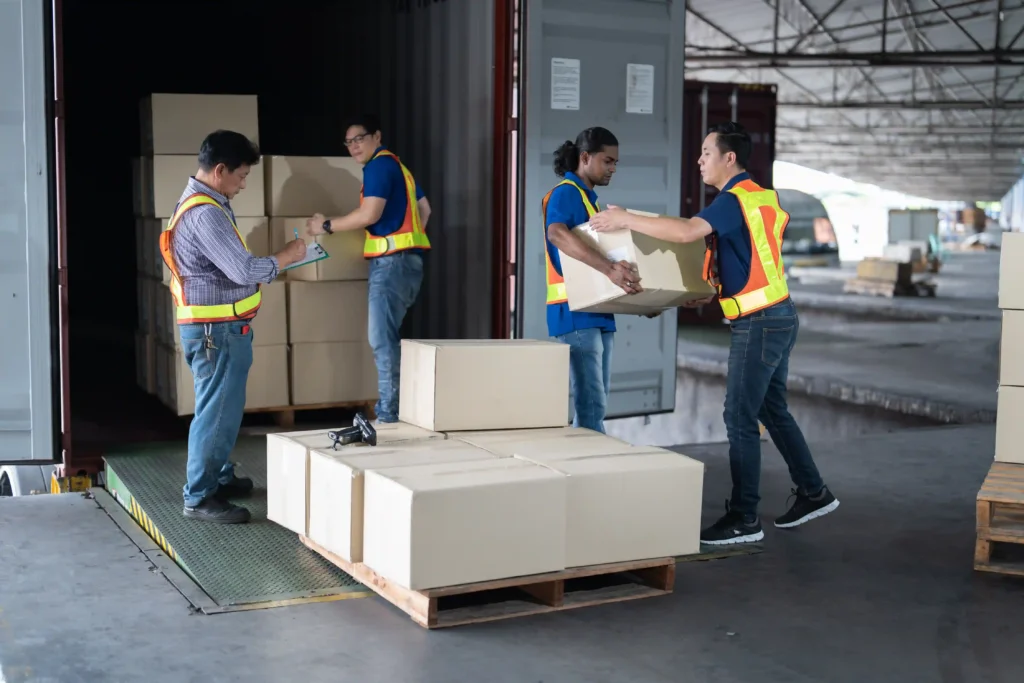
If you have ever asked what the seven major logistical functions are, the short answer is transportation, order processing, inventory visibility, warehousing, material handling, packaging, and information management. Knowing the list is not the same as understanding how these functions behave when a package has to move across town in hours, not days.
At Bearcat Express, every one of these functions gets tested daily on same-day routes across Augusta and the surrounding region, and that pressure changes how each one needs to work. This guide breaks down these functions from a working courier’s point of view, not a textbook one.
Why Logistics Functions Matter More When Delivery Is Same-Day
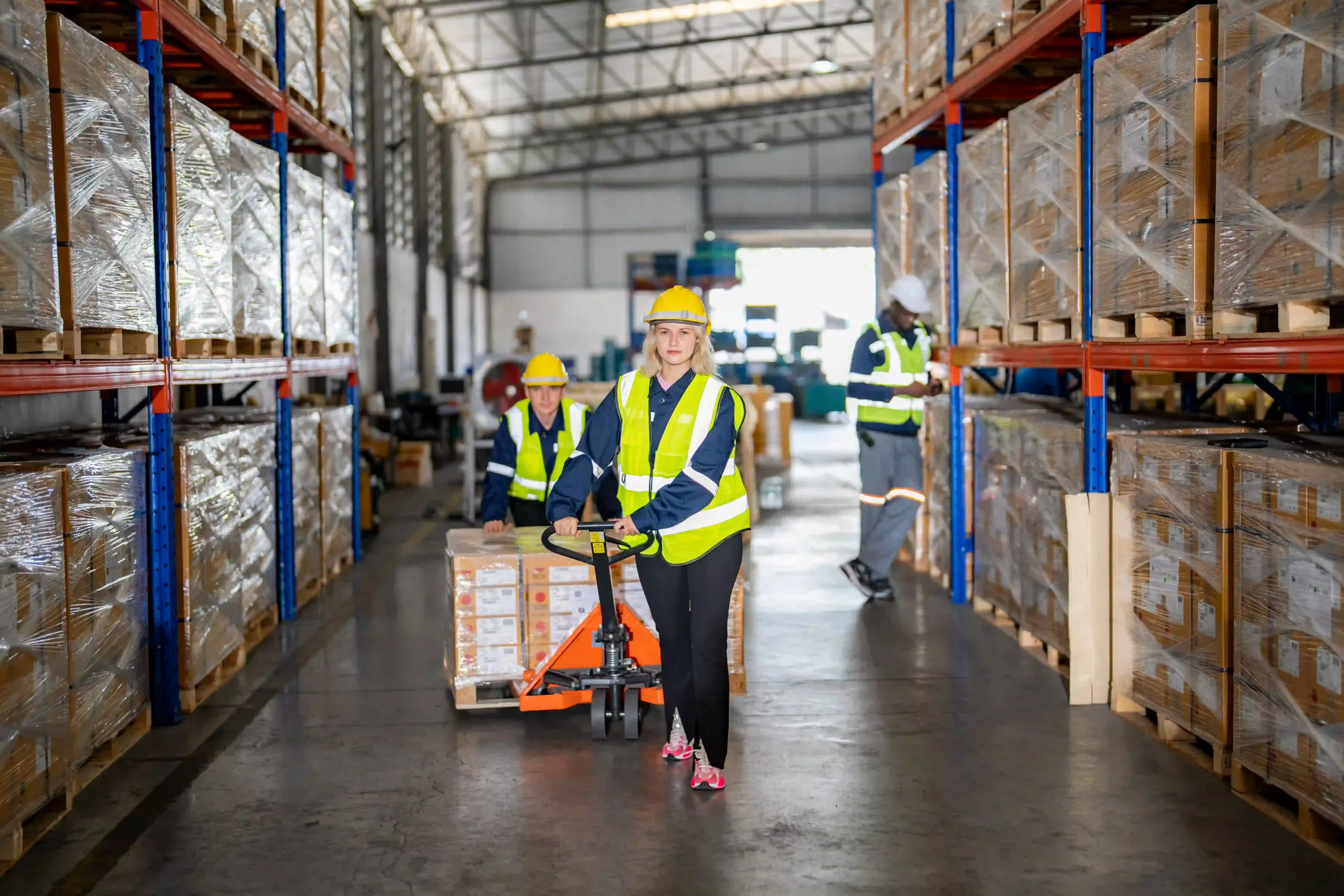
Most explanations of logistical operations are written for warehouses that measure success in days or weeks. Same-day delivery does not have that cushion. A missed step in order processing does not just delay a shipment; it can push a package past a pickup window entirely. A gap in real-time tracking does not just create confusion; it means a customer has no idea whether their package is ten minutes away or stuck in traffic.
That is why, at Bearcat Express, we treat these functions less like separate checkboxes and more like one continuous chain. If one link slows down, the whole delivery window is at risk. Understanding what logistics companies do at this level of urgency helps explain why same-day couriers structure their operations so differently from standard freight or parcel carriers.
The 7 Core Logistics Functions, Explained Through Real Courier Operations
Here is what the seven major logistical functions look like when the deadline is measured in hours.
1. Transportation
Transportation is the function most people picture first when they think about what logistics do, and for good reason. It is the physical act of getting a package from point A to point B. But for a same-day courier, transportation is not just about having a vehicle available. It is about routing decisions made in real time.
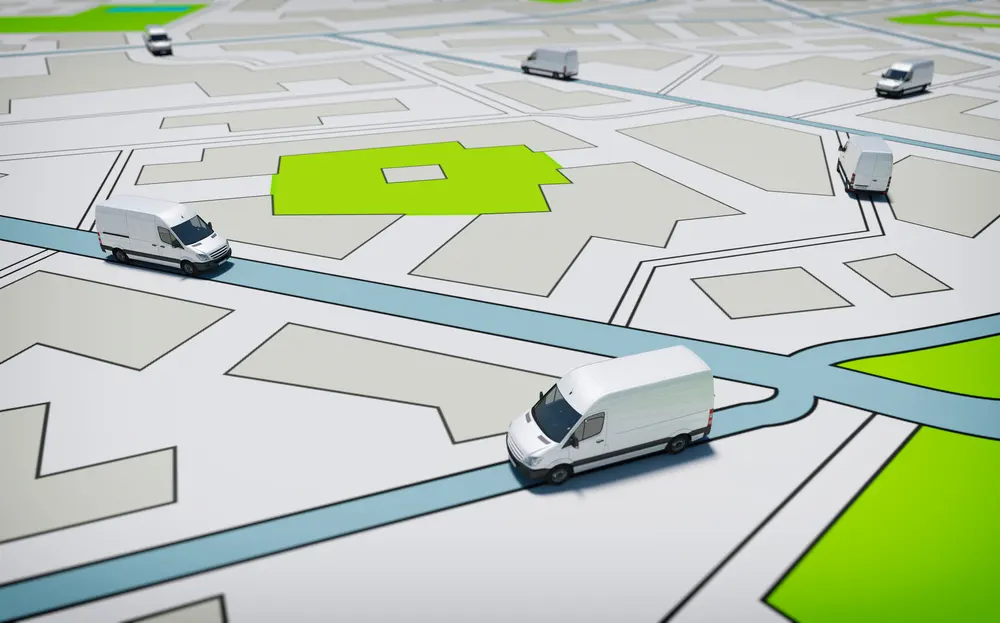
A driver working a same-day route in Augusta might get three pickups within twenty minutes of each other, spread across different parts of the city. The dispatcher has to decide which order makes sense based on drop-off deadlines, current traffic patterns, and how close each stop is to the next. Get that sequencing wrong, and a package that had plenty of time at pickup ends up rushed or late at delivery. This is a decision made dozens of times a day, not a one-time route plan set the night before.
2. Order Processing
Order processing starts the second a customer books a pickup, whether that is through an online form, a phone call, or a repeat business account. For same-day delivery, this step has almost no room for delay. A booking that sits unassigned for even twenty minutes can eat into the delivery window before the package has even left the sender’s hands.
That means order processing for a same-day courier has to answer a few things almost instantly: is a driver available near the pickup location, does the delivery address fall within the service area, and can the timing realistically be met? Getting this right at the booking stage is what prevents last-minute scrambling later.
3. Inventory Visibility
Traditional logistics content talks about inventory management as stock counts sitting in a warehouse. A same-day courier does not usually hold stock at all. What matters instead is inventory visibility, knowing exactly where every active package is at any given moment, whether it is sitting with a driver, mid-route, or already delivered.
This distinction matters because a customer asking where their package is does not care about warehouse shelving. They want to know if their document or parcel is five minutes away or still waiting for pickup. Real-time visibility into active shipments, not stored inventory, is the version of this function that actually applies to same-day courier work.
4. Warehousing and Staging
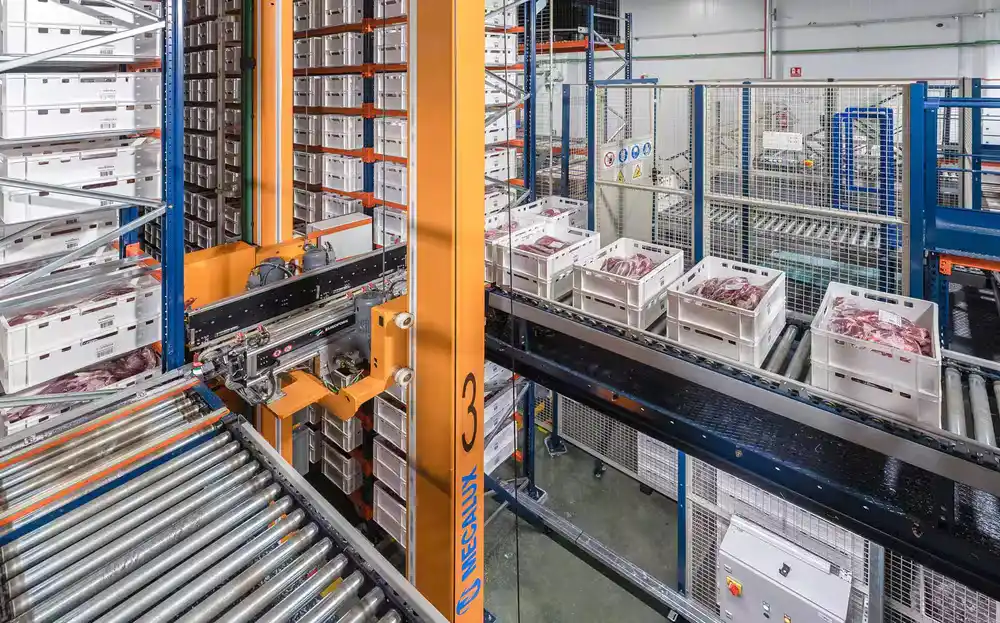
Warehousing looks different for a courier than it does for a distribution center. There is rarely long-term storage involved. Instead, packages pass through a brief staging step, sometimes just a few minutes at a local hub or directly in a driver’s vehicle, between the pickup and the next leg of the route.
This staging step still matters. If a driver is consolidating multiple pickups before heading toward a delivery cluster, that brief holding period needs to be organized so nothing gets misplaced or delayed. Poor staging on a busy day is often where a package quietly falls behind schedule without anyone noticing until it is too late.
5. Material Handling
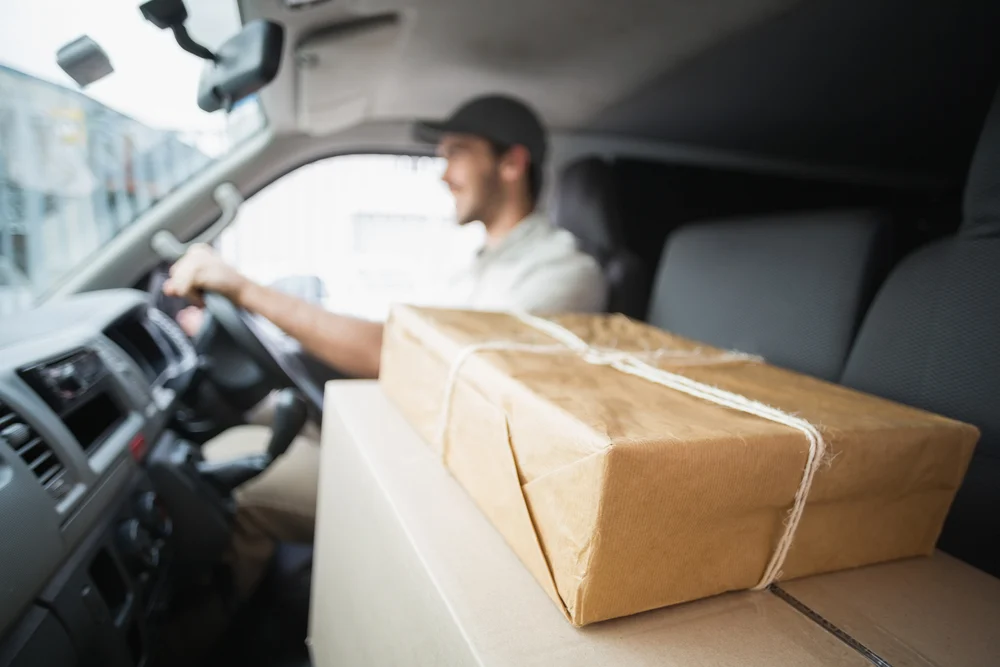
Material handling covers how a package is physically treated between pickup and delivery. For same-day courier work, this often means handling items that are urgent, fragile, or both, medical specimens, legal documents that cannot be bent or damaged, or business shipments that need to arrive in the exact condition they left in.
A driver moving a fragile item between vehicle stops has to make quick decisions about placement, securing it against sudden stops, and keeping it separate from bulkier packages. This is a hands-on skill built through repetition, not something that shows up in a generic definition of material handling.
6. Packaging
Packaging protects a shipment, but for same-day delivery, it also has to survive multiple handoffs in a short window. A poorly packed item that would be fine on a three-day shipping timeline can suffer real damage after two or three quick transfers between a pickup point, a vehicle, and a final delivery.
Before handing off a shipment, it helps to check that fragile items have enough internal padding, that boxes are sealed well enough to survive being stacked with other packages, and that anything with an unusual shape is labeled clearly so handling stays careful at every step. This small amount of preparation on the sender’s side makes a measurable difference in how a package arrives.
7. Information Management
Information management ties every other function together. It covers the tracking updates a customer sees, the route data a dispatcher uses to adjust on the fly, and the proof of delivery that confirms a package arrived safely.
For same-day delivery specifically, this function has to work in near real time. A customer checking a tracking link an hour before a deadline needs an accurate status, not a generic estimate. Strong information management is what allows a courier to catch a delay early enough to communicate with the customer instead of leaving them guessing.
How These 7 Functions Work Together on a Same-Day Delivery Route
To see how these functions actually connect, it helps to follow one package through a typical same-day run.
A local business calls in a pickup request for a time-sensitive document at 9:15 in the morning, needed across town by noon. Order processing confirms the pickup window and assigns the nearest available driver. That driver, already mid-route with two other stops, adjusts the sequence so the new pickup fits without pushing earlier deliveries past their own deadlines, which is transportation and order processing working together in real time.
At pickup, the driver checks the packaging, a sealed envelope, and secures it separately from bulkier items in the vehicle, a quick material handling decision. As the driver continues the route, the package briefly rides along without ever sitting in a warehouse, a compressed version of staging that exists purely to keep momentum. Throughout the route, the tracking system updates status at each stop, so if traffic near the delivery address suddenly backs up, the dispatcher sees it and can notify the customer before the deadline passes rather than after.
By 11:40, the package is delivered, and a digital proof of delivery closes the loop. None of these functions happened in isolation. A weak link in any one of them, a slow booking confirmation, careless handling, or a tracking blind spot, would have put that noon deadline at risk.
Benefits of Strong Logistics for Local Businesses and Customers
Faster order fulfillment
When each function runs smoothly, packages move through the process without unnecessary waiting, which directly shortens the time between booking and delivery.
Lower operational cost
Efficient routing and fewer handling errors reduce wasted trips, reduce fuel costs, and cut down on the time spent correcting mistakes after the fact.
Higher reliability during peak demand
Businesses that rely on predictable delivery windows, medical offices, law firms, retailers with same-day promises, need logistical operations that hold up even when volume spikes, not just on a slow Tuesday.
Stronger customer trust
A customer who consistently receives accurate tracking updates and on-time deliveries is far more likely to use the same courier again, and to recommend that courier to others.
Common Delivery Challenges and Which Logistics Function Usually Fails
Delays and missed delivery windows
This almost always traces back to either order processing, a booking that sat too long before assignment, or transportation, a routing decision that did not account for real-time traffic.
Damaged or mishandled shipments
Damage is usually a packaging or material handling failure; either the item was not protected well enough at the source, or it was not secured properly during transit.
Poor real-time visibility
When a customer cannot get an accurate status update, the breakdown is in information management: either the tracking system is not updating fast enough, or the data was not entered correctly at an earlier step.
Recognizing which function is behind a specific problem makes it much easier to fix the actual cause instead of just apologizing for the symptom.
When a Business Should Outsource to a Local Courier Instead of Managing Logistics In-House
Signs you need a courier partner
If deliveries are consistently late, if your team is spending more time coordinating drop-offs than doing their core work, or if customers are starting to ask why shipping takes so long compared to competitors, those are signs that logistical operations have outgrown what an internal team can handle without dedicated tools and staff.
What a courier partner solves that in-house logistics can’t
A dedicated courier already has the routing systems, trained drivers, and tracking infrastructure in place. Instead of building that from scratch, a business can plug directly into an existing same-day delivery network and get the benefit of years of route optimization without the setup time or overhead.
Final Thoughts
Understanding what the seven major logistical functions are is useful in theory, but the real value comes from seeing how they behave under a same-day deadline, where there is no room for a slow handoff or an untracked package. Bearcat Express handles these seven functions every day across Augusta and the surrounding areas, and that daily repetition is what turns a list of definitions into a delivery a customer can actually count on.
If your business needs dependable, fast, and fully tracked delivery, explore our Same Day Delivery Service in Augusta, GA, or contact us to talk through what your delivery volume actually needs.
FAQs
What are the seven major logistical functions in a same-day delivery business?
They are transportation, order processing, inventory visibility, warehousing or staging, material handling, packaging, and information management. In a same-day courier setting, each of these has to happen faster and with less margin for error than in standard freight logistics.
What do logistics companies do differently for same-day delivery compared to standard shipping?
They compress functions like staging and order processing into minutes instead of hours, and they rely much more heavily on real-time tracking to catch problems before a deadline is missed. The core functions stay the same, but the timeline changes everything about how they are managed.
What does logistics do when a delivery deadline is only a few hours away?
It prioritizes speed of decision-making at every step, from assigning a driver quickly to adjusting routes on the fly when traffic or weather causes delays. The goal shifts from long-term efficiency to real-time responsiveness.
How can a business improve its logistical operations without hiring an in-house team?
Partnering with a local courier provides a business with immediate access to established routing, tracking, and handling systems, without the cost of building that infrastructure internally. This is usually faster and more cost-effective for businesses that do not ship at a high enough volume to justify their own fleet.
Why does packaging matter so much in same-day courier logistics?
Because a same-day package often changes hands two or three times within a few hours, weak packaging has less time to be caught and corrected before it causes damage. Proper packaging at the source reduces the chance of a problem showing up mid-route.