Businesses today compete on speed, accuracy, and reliability. Customers expect orders to arrive quickly, in good condition, and exactly when promised. This expectation has made outbound delivery one of the most critical parts of modern operations. Understanding what is outbound delivery services are and how it works helps businesses improve customer experience, control costs, and grow sustainably.
Outbound delivery services refer to the process of moving goods from a business location to the final customer. Whether the shipment involves retail products, medical supplies, documents, or food orders, outbound delivery is where fulfillment meets real-world execution. For local businesses in Georgia, companies like Bearcat Express support this final delivery stage with speed, visibility, and accountability.
What Is Outbound Delivery Services and How It Works for Businesses

Outbound delivery services describe the structured process of delivering products from a warehouse, store, or business facility to the end recipient. This can include residential customers, retail locations, offices, or healthcare facilities. Unlike inbound operations, which focus on receiving goods, outbound delivery is customer-facing and directly influences satisfaction and repeat business.
In practical terms, outbound delivery includes order preparation, pickup, route planning, transportation, and final drop-off. It often overlaps with outbound shipping, especially when products must leave a distribution point and move through local or regional routes. While outbound shipping focuses on the movement of goods, outbound service emphasizes execution, timing, and customer communication.
For courier companies, outbound delivery is the core service. Every successful delivery reflects operational discipline, local knowledge, and driver reliability.
What Does Outbound Delivery Mean for Businesses?
To understand what does outbound delivery mean from a business perspective, it is important to look beyond transportation. Outbound delivery directly affects how customers perceive a brand and how efficiently a company operates.
Customer experience
Outbound delivery is often the only physical interaction a customer has with a business. Late arrivals, missed delivery windows, or lack of updates can damage trust. Consistent outbound service, on the other hand, builds confidence and strengthens long-term relationships.
Delivery speed
Fast and predictable delivery has become a baseline expectation. Same-day and scheduled deliveries are no longer limited to large retailers. Local businesses increasingly rely on outbound delivery partners to meet tight timelines without maintaining their own fleets.
Order fulfillment reliability
Reliable outbound delivery ensures that orders leave on time and reach the correct destination. Errors at this stage can lead to returns, refunds, and customer complaints, all of which increase operational costs.
Revenue and repeat customers
When outbound delivery performs well, customers are more likely to reorder. Efficient outbound shipping supports scalability by allowing businesses to handle higher order volumes without sacrificing quality.
Why Outbound Delivery Services Are Critical Today
Outbound delivery services have become essential due to changing customer behavior and market dynamics. Online ordering, local commerce, and time-sensitive deliveries now dominate many industries.
Customers compare delivery experiences across brands, even when purchasing locally. If a competitor offers faster or more reliable outbound service, customers notice. This is why businesses increasingly partner with local couriers that specialize in last-mile execution rather than relying on generic carriers.
Same-day delivery demand continues to grow, particularly in retail, healthcare, and professional services. Outbound delivery services bridge the gap between digital orders and physical fulfillment, making them a strategic priority rather than a back-office function.
Step-by-Step Outbound Delivery Service Process
A clear outbound delivery process ensures consistency and accountability. While the specifics vary by industry, most outbound services follow a similar structure.
Order confirmation and dispatch planning
Once an order is placed, it is confirmed and prepared for dispatch. Delivery requirements such as timing, destination, and handling instructions are reviewed to avoid errors later.
Pickup from the store or the warehouse
The next step is pickup from the business location. Couriers collect the package, verify details, and ensure secure handling. This stage is critical for outbound shipping accuracy.
Route planning and scheduling
Efficient route planning reduces delays and fuel costs. Local knowledge plays a major role here, especially for same-day or time-specific outbound delivery routes.
Last-mile delivery execution
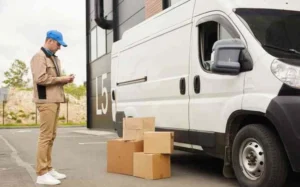
Last-mile delivery is where outbound service becomes most visible. Drivers navigate traffic, follow delivery instructions, and interact directly with recipients.
Proof of delivery and customer confirmation
Final confirmation closes the outbound delivery loop. Proof of delivery, such as signatures or digital confirmation, protects both the business and the customer.
Top Challenges in Outbound Delivery Services
Outbound delivery presents operational challenges that require experience and planning to overcome.
Meeting tight delivery deadlines
Same-day and urgent orders leave little margin for error. Delays at any stage can impact the entire delivery schedule.
Managing delivery windows
Customers often require deliveries within specific timeframes. Coordinating multiple delivery windows increases complexity.
Handling urgent and on-call orders
Unexpected orders can disrupt planned routes. A flexible outbound service must adapt without compromising existing commitments.
Route efficiency and traffic delays
Traffic conditions, construction, and weather can affect delivery performance. Real-time adjustments are essential.
Ensuring delivery accuracy and POD
Incorrect deliveries lead to rework and customer dissatisfaction. Accurate proof of delivery is essential for accountability.
Real-World Examples of Outbound Delivery Services
Outbound delivery services apply across many industries, each with unique requirements.
E-commerce order fulfillment
Online sellers rely heavily on outbound shipping to meet customer expectations. Fast outbound delivery supports positive reviews and repeat purchases.
Retail and big box store deliveries
Retailers use outbound service to move products from stores to customers or other locations, often on tight schedules.
Pharmacy and pharmaceutical deliveries
Healthcare deliveries require accuracy, confidentiality, and reliability. Outbound delivery ensures medications reach patients and facilities on time.
Restaurant and food delivery
Food delivery depends on speed and handling quality. Outbound service directly impacts freshness and customer satisfaction.
Grocery and local store deliveries
Local grocery delivery has expanded rapidly. Reliable outbound delivery supports daily operations and customer loyalty.
B2B and office-to-office deliveries
Businesses frequently send documents, parts, and supplies to clients or branch locations. Consistent outbound delivery supports professional relationships.
Outbound Delivery KPIs Businesses Should Track
Tracking performance metrics helps businesses improve outbound delivery outcomes.
On-time delivery rate
This KPI measures how often deliveries arrive as scheduled. It reflects overall outbound service reliability.
Cost per delivery
Understanding delivery costs helps businesses optimize routes and pricing strategies.
First-attempt delivery success
Successful first attempts reduce re-delivery costs and improve customer experience.
Customer satisfaction scores
Feedback highlights strengths and identifies areas for improvement in outbound delivery performance.
Proof of delivery accuracy
Accurate POD records protect businesses from disputes and confirm successful outbound shipping.
How Local Courier Services Support Outbound Deliveries
Local courier services play a critical role in effective outbound delivery, especially for businesses operating within specific regions.
Services such as same-day delivery, scheduled routes, and on-call support allow businesses to respond quickly to customer needs. Local expertise ensures faster pickups, efficient routing, and better communication.
For businesses in Georgia, using a Same Day Delivery Service in Augusta, GA, helps meet urgent delivery requirements without relying on national carriers. Bearcat Express provides local outbound delivery support with experienced drivers, real-time tracking, and proof of delivery, helping businesses maintain control over their final mile.
Choosing the Right Outbound Delivery Service Provider
Selecting the right outbound delivery partner requires careful evaluation.
Reliability
Consistent performance and dependable drivers are essential for customer trust.
Coverage area
Local and regional coverage should align with business needs.
Tracking and POD
Visibility and documentation ensure transparency throughout the outbound delivery process.
Flexibility and scalability
A strong outbound service adapts to changing volumes and urgent requests without disruption.
Final Thoughts
Understanding what is outbound delivery services are helps businesses recognize their impact on customer satisfaction, operational efficiency, and long-term growth. From order confirmation to proof of delivery, outbound service connects internal operations with real-world results.
A reliable outbound delivery partner allows businesses to focus on core operations while ensuring customers receive their orders on time. If your business depends on fast, accurate, and local delivery support, contact us to learn how Bearcat Express can help streamline your outbound delivery operations with dependable local service.
FAQs
What is outbound delivery services in simple terms?
Outbound delivery services involve delivering products from a business location directly to customers. It is the final step where orders physically reach the recipient.
What does outbound delivery mean for small businesses?
For small businesses, outbound delivery means fulfilling customer orders efficiently and on time without maintaining their own delivery fleet. It supports growth and customer retention.
Is outbound delivery the same as outbound shipping?
Outbound shipping focuses on moving goods out of a facility, while outbound delivery emphasizes execution, timing, and customer interaction during the final delivery stage.
Does in and out deliver count as outbound delivery?
Yes, any process where goods move from a business to a customer can be considered outbound delivery, regardless of order size or industry.
What industries rely most on outbound delivery?
Retail, e-commerce, healthcare, food services, and B2B operations all rely heavily on outbound delivery to meet customer expectations.