
Medications do not get a second chance to arrive correctly. A missed window, a warm cooler, or a lost signature can turn a routine delivery into a real problem for a patient waiting on that prescription. That is the weight behind A Complete Guide to Shipping Pharmaceuticals, and why pharmacies and clinics are far more careful about who handles this work.
At Bearcat Express, we see this up close every week, since pharmaceutical runs are among the most demanding parts of local courier work. This guide covers what shipping pharmaceuticals involves locally, the key steps, the risks, and what to look for in a courier partner.
What Is Pharmaceutical Shipping?
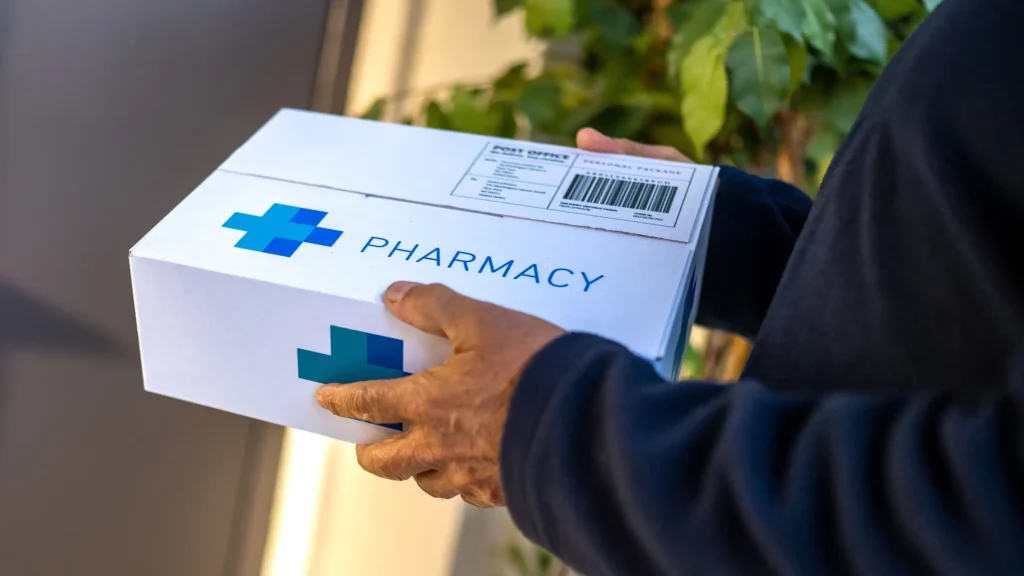
Pharmaceutical shipping is the transport of prescription drugs, over-the-counter medications, medical samples, and related healthcare items between two authorized points. That could mean a pharmacy sending refills to a homebound patient, a clinic transferring supplies to a satellite office, or a lab sending specimens back to a main facility for testing.
The term covers a wide range of situations, but at the local level, shipping pharmaceuticals usually means something urgent and time-sensitive. It is rarely a shipment that can sit in a warehouse for a few days. Someone is waiting on it, and that changes how the entire process needs to be handled.
How Are Pharmaceutical Products Transported?
Transporting pharmaceutical products locally looks very different from long-haul freight. There is no cross-country truck route or multi-day transit window. Instead, these deliveries move through short, controlled trips that are built around speed and accountability.
Local and Same-Day Pharmaceutical Deliveries
Most local pharmaceutical transportation happens within a single metro area or a short regional radius. A pharmacy might need a delayed refill sent out before closing, or a clinic might need a batch of samples picked up before a courier’s next stop. These jobs are usually completed within hours, not days, which puts pressure on route planning and driver availability.
Scheduled and On-Call Medical Courier Services
Not every pharmaceutical delivery is an emergency. Many healthcare providers set up recurring scheduled runs, such as a daily afternoon pickup from a pharmacy or a weekly transfer between two clinic locations. On-call service exists for the moments that cannot wait, like a STAT medication request from a hospital floor. A courier partner needs to be able to handle both without treating either one as an afterthought.
Key Steps in Shipping Pharmaceuticals
Every pharmaceutical shipment, no matter how small, moves through the same basic stages. Skipping or rushing any one of them is where mistakes happen.
Pickup and Initial Handling
The process starts the moment a driver arrives to collect the item. This is where packaging gets checked, temperature-sensitive items get placed in insulated containers, and the paperwork or digital record for the shipment gets created. A driver who has been trained specifically for pharmaceutical transportation will know to verify that a cold pack has enough life left in it before the vehicle even leaves the lot.
Secure Transit and Temperature-Controlled Tracking
Once the item is in the vehicle, the priority shifts to keeping conditions stable and keeping the shipment visible. Temperature-sensitive medications need insulated bags or coolers rated for the trip length, not just a general cooler pulled off a shelf. Real-time tracking during this stage lets both the courier and the client see exactly where the delivery stands, which matters a great deal when a patient or a clinic is waiting on confirmation.
Final Delivery and Signature Confirmation
The last step is where accountability gets locked in. A proper handoff includes a signature or digital confirmation from an authorized person at the destination, not just a package left at a front desk. For controlled substances or sensitive medications, this step is often the difference between a defensible delivery record and a liability problem down the road.
Who Regulates Pharmaceutical Shipping?
Pharmaceutical shipping in the United States falls under oversight from several federal bodies, including the FDA for drug safety standards, the DOT for transportation and hazardous material rules, and the DEA for controlled substances. These agencies set the broader framework that pharmacies, distributors, and carriers are expected to follow. A local courier does not need to master every regulation a national pharmaceutical distributor deals with, but understanding the basics helps a business make sure its delivery partner is operating responsibly.
Who Do Pharmaceutical Shipping Regulations Apply To?
These rules apply to anyone involved in the chain of custody for a medication, from manufacturers and wholesalers down to the local pharmacy and the courier making the final delivery. A courier does not need a pharmaceutical license to transport most prescription deliveries on behalf of a licensed pharmacy or clinic, but they are still expected to follow basic handling, security, and documentation standards. If a shipment involves controlled substances, additional recordkeeping and chain of custody steps typically apply.
Risks Involved in Local Pharmaceutical Delivery
Local delivery carries its own set of risks that are easy to overlook until something goes wrong.
Theft is a real concern, since medications, particularly controlled substances, can be a target. A short haul temperature excursion, like a cooler sitting in a hot vehicle for even twenty minutes longer than planned, can compromise a sensitive medication just as easily as a long transit delay can. Mishandling during a quick handoff, such as dropping a package or stacking it under something heavier, is another common issue. Missed STAT windows, where a courier underestimates how urgent a request actually is, can create real consequences for patient care. None of these risks require a complicated supply chain to matter. They can all happen on a fifteen-minute drive across town.
Best Practices for Shipping Pharmaceuticals Locally
Good pharmaceutical shipping practices at the local level come down to a few consistent habits rather than a long compliance checklist.
Temperature control should be treated seriously even on short trips, using insulated packaging suited to the specific medication and the outside weather that day. Packaging should be tamper-evident and sized correctly, since an oversized box with loose padding invites shifting and damage. Security measures, like keeping medications out of sight in the vehicle and never leaving a delivery unattended, reduce the risk of theft. Documentation and record keeping, even something as simple as a timestamped digital confirmation, protects both the pharmacy and the courier if a question ever comes up later. Handling and hygiene matter too, especially for specimens or items that require gloved handling. Finally, having a basic emergency response plan, such as knowing what to do if a cold pack fails mid-route, separates an experienced courier from one that is improvising.
A Day in the Life of a Local Pharma Courier Run
A typical pharmaceutical run rarely looks like a single clean pickup and drop-off. A morning might start with a scheduled specimen pickup from a small clinic, where the driver checks in at the front desk, confirms the sample is packed correctly, and logs the pickup time before heading out. Midday often brings an unplanned STAT request; maybe a hospital pharmacy needs a medication rushed to an outpatient center across town within the hour. That job jumps the queue, and dispatch has to recalculate the route on the fly without disrupting the other scheduled stops.
By early afternoon, the same driver might be back at a retail pharmacy for a recurring same-day delivery run, dropping off refills to a handful of homebound patients before the end of the shift. Each stop requires a different level of urgency and a different handling approach, but the standard stays the same across all of them: verify the package, protect the temperature, confirm the handoff. This is the part of pharmaceutical transportation that rarely shows up in a general guide, because it only becomes visible once you have actually run these routes day after day.
Comparison Table: Local Courier vs National Pharma Freight vs Postal Delivery
| Factor | Local Courier | National Pharma Freight | Standard Postal Delivery |
| Typical delivery window | Hours, often same day | 1 to 5 days | 2 to 7 days |
| Temperature control | Insulated packaging, short exposure window | Cold chain trucks, warehouse monitoring | Not guaranteed |
| Chain of custody | Direct handoff with signature | Multi-point tracking through hubs | Limited tracking |
| Best suited for | Local pharmacies, clinics, STAT requests | Manufacturer to distributor shipments | Non-urgent, non-sensitive items |
| Flexibility for urgent requests | High | Low to moderate | Very low |
Why Professional Courier Services Matter in Pharmaceutical Shipping
A pharmacy or clinic can technically send a staff member to hand-deliver a medication, but that pulls someone away from patient-facing work and does not come with tracking, backup coverage, or a documented delivery trail. A professional courier service built around pharmaceutical transportation brings trained drivers, proper insulated equipment, and a system for confirming every delivery, which matters when a provider needs to show exactly when and how a shipment arrived.
Choosing a Local Courier Partner for Pharmacy or Clinic Deliveries
Before handing off pharmaceutical deliveries to any courier, a few questions are worth asking directly. Does the courier have experience specifically with medications and temperature-sensitive items, rather than general parcels? Can they support both scheduled routes and on-call STAT requests without treating one as secondary to the other? What does their proof of delivery process actually look like, and can they produce a record if a question comes up weeks later? How do they handle a temperature control failure mid-route? A courier that can answer these clearly, without vague reassurances, is usually one that has handled the work before.
If your pharmacy or clinic is located in the Augusta area and needs a courier partner built for this kind of work, Same Day Delivery Service Augusta GA is built to handle exactly these situations, from scheduled pharmacy runs to urgent STAT requests. Reach out today to set up a reliable delivery plan for your pharmaceutical shipments.
Final Thoughts
Shipping pharmaceuticals is not something that should be treated the same as sending a regular parcel across town. From temperature control to chain of custody to knowing the difference between a scheduled run and a true STAT request, every part of pharmaceutical transportation carries a little more weight than standard delivery. Getting it right consistently comes down to working with a courier partner who understands the local realities of this kind of shipment, not just the general rules.
If your pharmacy, clinic, or medical office needs a courier partner that treats pharmaceutical deliveries with the attention they require, contact us at Bearcat Express to talk through your routes and delivery needs.
FAQs
Do I need a special license to transport pharmaceuticals locally?
In most cases, a courier transporting prescription medications on behalf of a licensed pharmacy or clinic does not need a separate pharmaceutical license. Controlled substances may require additional documentation, so it is worth confirming this with your courier partner before the first pickup.
Is it legal for a local courier to deliver prescription medications?
Yes, local courier delivery of prescription medications is legal and common, as long as the courier follows basic chain of custody and handling standards set by the dispatching pharmacy or clinic. The pharmacy remains responsible for verifying the prescription itself before it is handed off for delivery.
How are temperature-sensitive medications kept safe during a short delivery?
Temperature-sensitive medications are typically packed in insulated bags or coolers with gel packs sized for the expected trip length and outside temperature. For very short local trips, this is often enough to maintain stability, though drivers should still avoid leaving the vehicle running with the AC off during any stop.
What happens if a delivery is delayed and the medication needs cold storage?
A well-prepared courier will have a contingency plan, such as swapping in a fresh cold pack or rerouting to complete the delivery faster if a delay comes up. This is one of the reasons real-time tracking and direct communication with dispatch matter so much in pharmaceutical shipping.
What is the difference between scheduled and STAT pharmaceutical delivery?
Scheduled delivery follows a set pickup and drop-off time, often as part of a recurring route between a pharmacy and its regular patients or partner clinics. STAT delivery is an urgent, on-demand request that jumps ahead of the regular schedule because a patient or facility needs the medication as soon as possible.