A customer taps “Buy Now” and expects everything after that to happen quietly. In short, order fulfillment is the full journey of an order, from confirmed purchase to the item being picked, packed, shipped, and delivered, including any returns. Knowing what is order fulfillment, and where it breaks, often decides whether a buyer returns or asks for a refund.
At Bearcat Express, we see this from the delivery end, and late orders are frequently decided long before a driver starts the route. This guide covers the process, models, costs, and metrics, plus the final local handoff that most guides skip.
Quick Answer
Order fulfillment covers everything a business does between a customer placing an order and that customer holding the product. That includes taking in stock, storing it, confirming the order, pulling the right items, boxing them, handing them to a carrier, and dealing with anything sent back. A business can run all of it in-house, outsource it to a warehousing partner, let a supplier ship directly, or combine these approaches.
What Is Order Fulfillment?
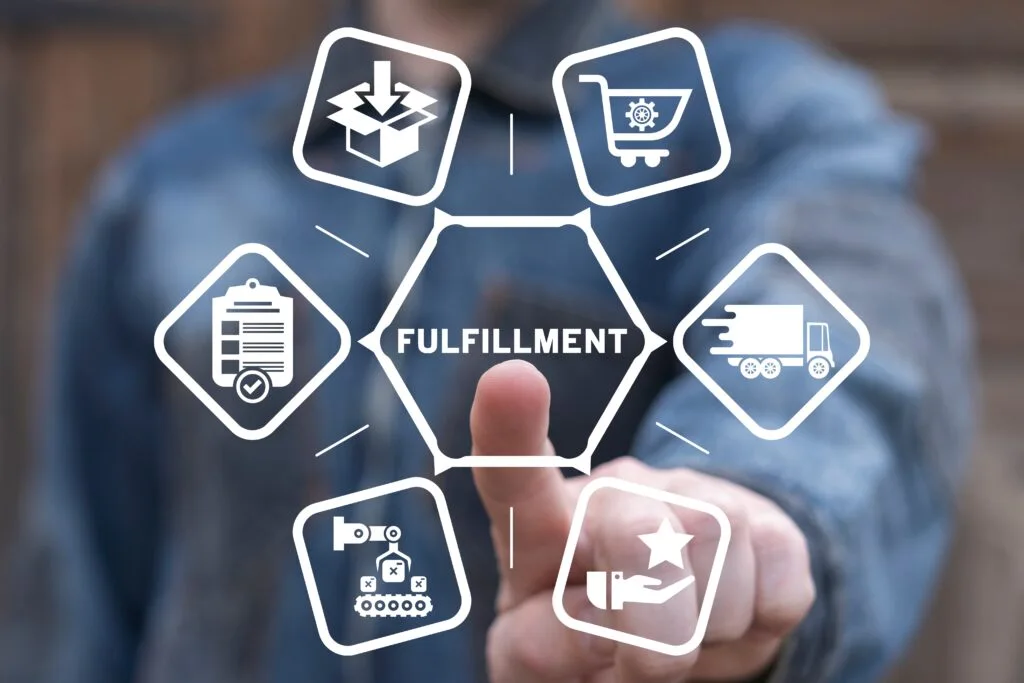
So what is order fulfillment in day-to-day terms? It is the chain of physical and digital tasks that turns a payment into a delivered product. Think of it as a fulfillment business process with a clear start (the order is placed) and a clear finish (the product is delivered, or returned and dealt with).
A fulfilled order means four things went right: the correct item was chosen, it was packed to survive the trip, it arrived inside the promised window, and the customer could follow its progress. If any one of these fails, the parcel may have shipped, but it is not a fulfilled order in the customer’s eyes.
Three related terms are often mixed up:
| Term | What it covers | Where it starts and ends |
| Order fulfillment | The whole chain, including returns | Order placed to product delivered or returned |
| Shipping fulfillment | Packing, labeling, carrier choice, transport | Packed parcel to doorstep |
| Logistics | Wider movement and storage of goods, including sourcing and planning | Supplier to customer and back |
The Order Fulfillment Process, Step by Step
Before any order exists, two background tasks make the rest possible. Receiving means accepting stock from suppliers, counting units, and checking for damage. Storage means holding that stock in an organized space so items are easy to find later. Weak habits here, such as unlabeled shelves or uncounted deliveries, show up as picking errors further down the line. Once those basics are in place, every order fulfilment process follows the same seven steps, whoever performs them.
- Order capture. The order arrives from a website, marketplace, or phone call, and the system checks payment and address. A missing apartment number is a small error here that becomes a failed delivery later.
- Inventory allocation and routing. The system confirms stock is available, reserves it, and decides which location ships it. Reserving stops two customers from buying the last unit.
- Picking. Staff retrieves the exact items listed on the packing slip. Accuracy matters more than speed at this step, because one wrong item costs a return, a reship, and a frustrated customer.
- Packing. The right-sized box, padding, label, and documentation go in. Oversized boxes raise shipping charges, and weak padding raises damage claims.
- Shipping and tracking. The parcel is handed to a carrier, and the customer receives tracking details. For local orders, this handoff can happen within minutes of packing.
- Returns. Returned items are inspected, restocked, or disposed of, and the refund is issued. Clear return instructions reduce both errors and support requests.
- Inventory update. Stock counts are corrected so the store never sells something that has already left the building.
Types of Order Fulfillment
The right model depends on how many orders you ship, how much control you want, and how much fixed cost you can carry.
| Model | Best for order volume | Control | Cost pattern |
| In-house | Low to steady volume | Highest | Fixed costs for space, staff, and software |
| Third-party logistics (3PL) | Growing or seasonal volume | Medium | Storage and per-order fees, less overhead |
| Dropshipping | Testing products, no stock held | Lowest | Supplier markup, no storage cost |
| Hybrid | Mixed volume or several regions | Medium to high | Blend of fixed and per-order costs |
A common hybrid setup keeps nearby orders in-house, where a local courier can collect them the same day, and sends distant orders through an outsourced partner. This keeps the fulfillment business process simple for local customers while still covering the rest of the map.
How Much Does Order Fulfillment Cost?
Exact prices vary by region, product size, and provider, so get written quotes before you commit. What stays constant is where the money goes:
| Cost component | What drives it | Where businesses overspend |
| Storage | Space used and how long stock sits | Slow-moving inventory |
| Receiving and handling | Units, pallets, inspection time | Unlabeled supplier deliveries |
| Pick and pack | Items per order, packaging type | Oversized boxes |
| Shipping | Distance, weight, speed | Fastest service used for every order |
| Returns | Return rate, inspection effort | Vague product descriptions |
| Technology | Software and integrations | Paying for unused features |
Fulfilment processing costs often look small per order, but they compound once returns and reships are counted. A simple way to see your real number is to divide total monthly fulfillment spend by orders shipped, then compare it with what you charge for delivery.
Inside a Same-Day Dispatch Desk: Where Local Fulfillment Wins or Loses Time
Most guides stop when the parcel is packed. For a local order, that is exactly where the clock becomes decisive. At Bearcat Express, the dispatch desk is where a packed parcel becomes a scheduled pickup, and small gaps there decide whether the delivery lands inside the promised window.
Here is an illustrative timeline for a local order placed at 11:00 AM. Real times depend on distance, traffic, and driver availability.
| Time | Event | Owner | Common risk |
| 11:00 | Order placed and paid | Seller | Address typo |
| 11:20 | Picked and packed | Seller | Wrong item or weak padding |
| 11:45 | Pickup request sent to dispatch | Seller | Request sent too late |
| 12:00 | Driver assigned | Dispatcher | No driver nearby |
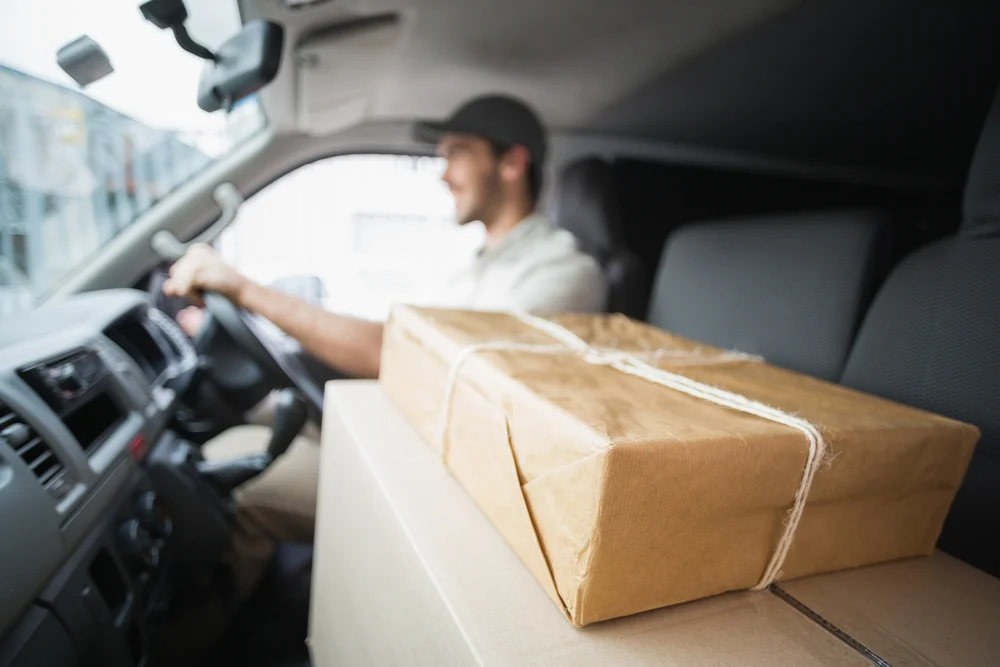
| 12:25 | Parcel collected and scanned | Driver | Parcel not ready at the dock |
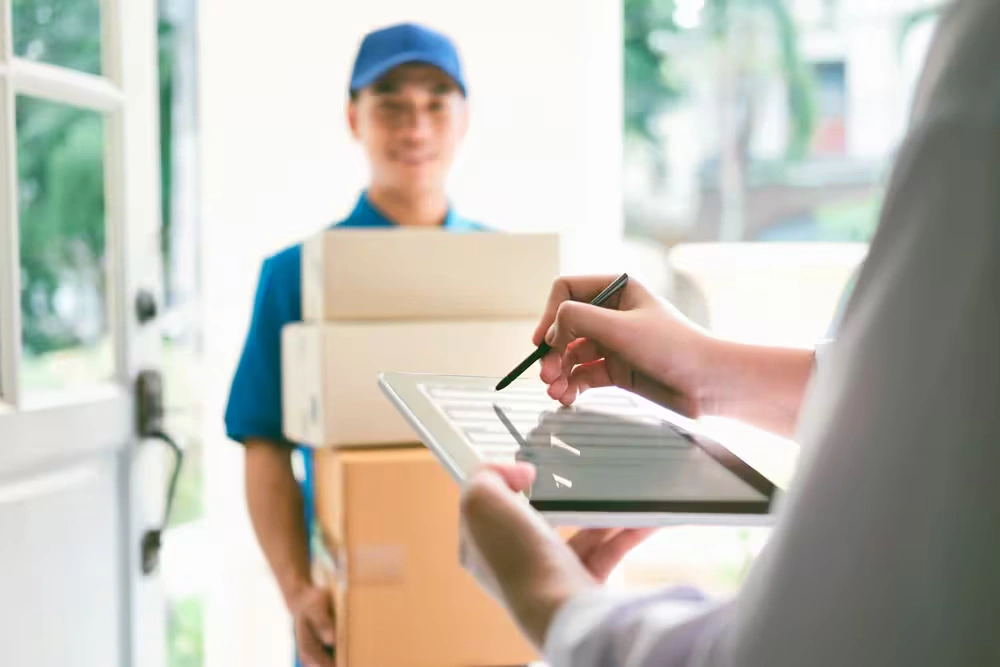
| 1:30 | Delivered, proof captured | Driver | Nobody available to receive |
The Handoff Window
The handoff window is the gap between “packed” and “collected.” A dispatcher can only assign a driver once the pickup details are complete: address, contact person, parcel size, ready time, and delivery deadline. The simple fix is to send the pickup request when picking starts, not when packing ends, and to stage the parcel at the dock with the label visible. Businesses that pair this habit with a Same Day Delivery Service Augusta, GA partner can shorten the window considerably, because the driver arrives as the parcel becomes ready.
What Delays a Local Order
Most delays come from preventable details:
- An incomplete address or missing contact number
- A vague ready time such as “soon” instead of a clock time
- A parcel too large for the vehicle that was assigned
- No one on site to sign, or a gated building with no access instructions
Each one is fixed at the order stage, long before a driver is involved.
Technology and Automation in Fulfillment
Order management software, barcode scanning, and automated routing rules all reduce manual work in fulfilment processing. Start with scanning at the pick and pack stages, because it often removes more errors than expensive hardware does. Automated status messages also cut “where is my order” requests, since customers get updates without asking.
One caution: automation amplifies bad data. If product dimensions or stock counts are wrong in the system, faster fulfilment processing simply produces wrong answers faster. Clean the data first, then automate.
Common Challenges and How to Fix Them
- Demand spikes. Cross-train staff and line up a backup carrier before peak season, not during it. A resilient order fulfilment process has a plan for the unexpected.
- Stock mismatches. Run cycle counts on fast-moving items weekly instead of relying on one big annual count.
- Choosing the wrong model. Review your model when order volume or location mix changes, since what worked at 50 orders a week may not work at 500.
- Poor visibility. Give customers tracking and give staff one place to see order status.
- Returns pile-ups. Set a fixed inspection routine so returned stock goes back on the shelf quickly.
- Failed last-mile attempts. Confirm access details and a contact number before dispatch.
Metrics That Matter
You cannot improve what you do not measure. These five numbers give a clear picture without drowning you in data.
| KPI | Formula | What it tells you |
| Order cycle time | Average of (delivery time minus order time) | Overall speed |
| Order accuracy rate | Correct orders / total orders x 100 | Picking and packing quality |
| Order fill rate | Orders shipped complete the first time / total orders x 100 | Stock availability |
| On-time delivery rate | Orders delivered inside the promised window / total orders x 100 | Handoff and carrier performance |
| Return rate | Returned orders / total orders x 100 | Product and accuracy issues |
Track a perfect fulfilled order too: one that was on time, complete, undamaged, and correctly documented. The share of orders meeting all four conditions is the most honest health check you have.
Conclusion
Knowing what order fulfillment is only the start. A strong fulfillment business process comes from complete order data, the right model for your volume, clear metrics, and a tight handoff to delivery. If you want a reliable local partner for the final stretch, contact Bearcat Express, and we will help you keep every promise you make at checkout.
FAQs
What is order fulfillment in simple terms?
It is everything that happens after a customer orders: preparing the item, shipping it, and delivering it, including handling returns. Think of it as getting the right product to the right person on time.
What is a fulfilled order?
A fulfilled order is one where the correct item was packed securely, delivered within the promised time, and tracked along the way. If the customer receives it late, damaged, or incorrect, it has shipped but is not truly fulfilled.
Do small businesses need outside help with fulfilment processing?
Not always. Many small sellers run the order fulfilment process themselves until volume, storage, or staffing becomes a limit. Outsourcing makes sense when fulfilment processing starts taking more time than selling.
How is order fulfillment different from shipping?
Shipping is one part of the fulfillment business process, focused on packing, labeling, and moving the parcel. Fulfillment covers the whole journey, from receiving stock to returns.
What is the most common cause of a late local delivery?
Incomplete pickup details are a frequent cause, such as a missing contact number, an unclear ready time, or an incomplete address. Fixing these at the order stage prevents most avoidable delays.