The modern retail landscape moves fast. Consumers no longer want to wait days for a package to arrive, nor do they want to spend their limited free time wandering down crowded store aisles looking for a single item. This shift in consumer behavior has driven the massive rise of hybrid shopping models.
If you are wondering what is click and collect and how it reshapes the modern shopping experience, you are in the right place. At Bearcat Express, we see firsthand how smart logistics power seamless retail operations every day. This human-first guide breaks down how this fulfillment method works, its diverse operational models, its core benefits, and how to avoid the logistical bottlenecks that can break the customer experience.
What Is Click and Collect?

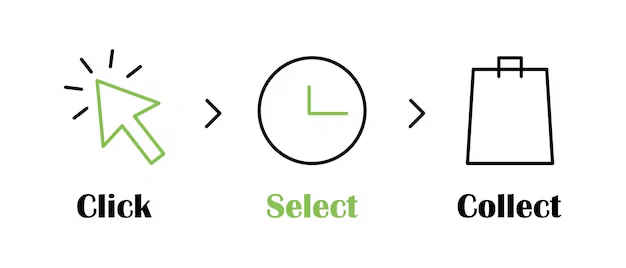
At its simplest, click and collect is a hybrid retail model that allows consumers to purchase items online and pick them up in person at a designated physical location. Instead of waiting for a traditional courier to drop a package off at their doorstep, the shopper acts as the final link in the delivery chain.
In many retail circles, this strategy is also known as BOPIS, which stands for Buy Online, Pick Up In Store.
A Real-World Scenario: Imagine sitting on your couch on a Friday evening, realizing you need a specific tool for a weekend home project. Instead of driving to the store, searching the aisles, and hoping it is in stock, you buy it on your smartphone. An hour later, you drive over, grab your ready-to-go parcel from a dedicated desk, and head home.
While variations of this service have existed for years, the model experienced a permanent post-2020 retail shift. What began as a safety-first necessity evolved into a permanent consumer expectation focused entirely on speed, certainty, and convenience.
How Does Click and Collect Work? (Step-by-Step Process)
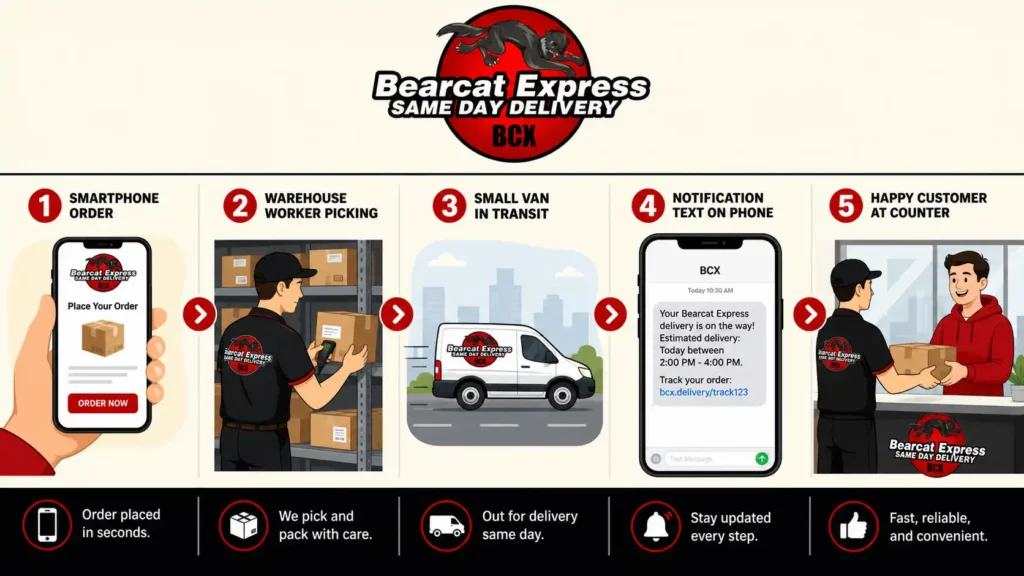
A successful click and collect system relies on an interconnected workflow behind the scenes. When a consumer clicks “buy,” a highly synchronized operational sequence begins.
Step 1: Online Order Placement
The customer visits a retailer’s website or mobile app, adds items to their digital cart, and selects the pickup option at checkout instead of home delivery. They choose their preferred physical location based on real-time local stock availability.
Step 2: Order Routing and Preparation
The store’s inventory management system instantly routes the order to the selected location. A retail associate receives the digital picking list on a handheld device, gathers the items from the sales floor or backroom, and packs them securely.
Step 3: Inventory Replenishment and Transit
If an item is out of stock locally but available at a nearby distribution hub, the retailer initiates a rapid stock transfer. This is where dedicated local logistics providers enter the pipeline, moving goods quickly from central warehouses to store shelves to ensure order readiness.
Step 4: Ready-for-Pickup Notification
Once the order is verified and securely staged, the retailer sends an automated SMS or email alert to the buyer. This notification contains crucial details, including a unique pickup barcode, a confirmation code, and clear instructions on where to go.
Step 5: Secure Collection
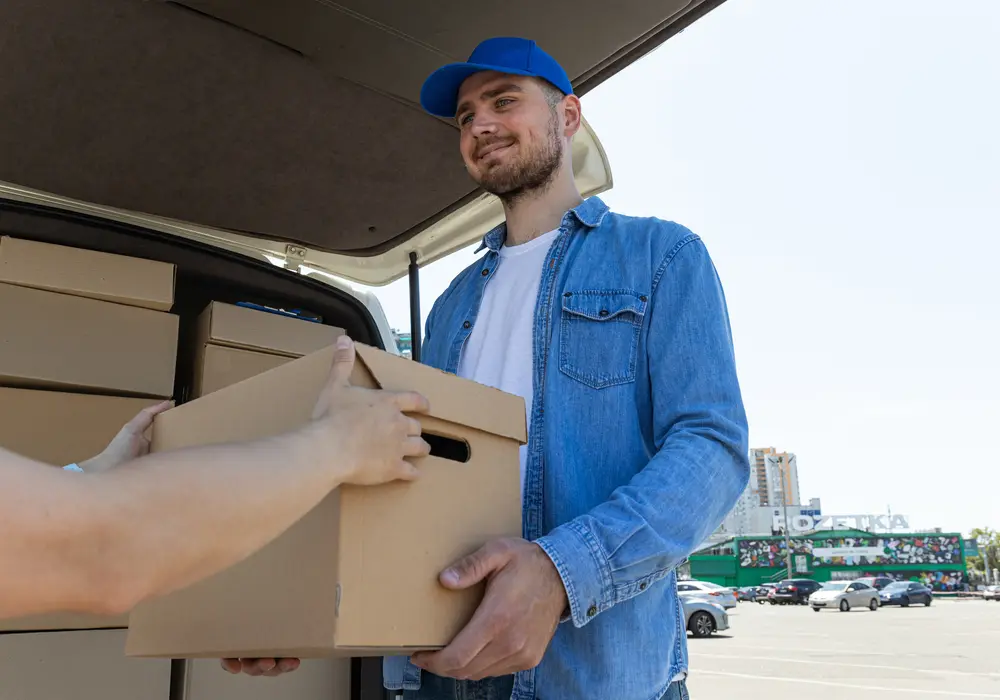
The customer arrives at the designated location, presents their confirmation code or barcode, and receives their items. The associate scans the order as “complete,” updating the retailer’s central database in real time.
Types of Click and Collect Services
Not all retail environments are suited for a single pickup style. To maximize convenience, businesses utilize several variations of the click and collect solution to fit diverse real-world customer needs.
1. In-Store Pickup Counter
The most traditional format involves a dedicated desk or customer service counter inside the physical retail store. It encourages foot traffic, bringing buyers through the doors where they might remember additional items they need to purchase.
2. Curbside Pickup
Highly popularized by supermarkets and big-box retailers, curbside delivery removes the need for the customer to leave their vehicle. Shoppers park in designated, numbered spaces and use an app or text message to alert staff, who then bring the items directly to the car’s trunk.
3. Smart Locker Pickup
Smart lockers offer an automated, contactless alternative. Retailers place electronic lockers outside their stores or in high-traffic community hubs. The customer receives a digital PIN or QR code, scans it at the locker terminal, and a secure door automatically pops open.
4. Third-Party Pickup Points
For retailers without a local brick-and-mortar presence, partnering with alternative locations such as neighborhood convenience stores, gas stations, or local business hubs allows them to offer proximity-based pickup without paying for expensive real estate.
Operational Comparison Matrix
| Pickup Type | Operational Speed | Customer Convenience | Best Suited For |
| In-Store Counter | Fast | Medium | Everyday retail, apparel, and specialty goods |
| Curbside | Very Fast | High | Grocery, heavy items, and busy parents |
| Smart Locker | 24/7 Access | Very High | After-hours pickup and small electronics |
| Third-Party Point | Varies | Medium | Remote shoppers and e-commerce brands |
Benefits of Click and Collect for Customers
Modern shoppers prioritize control over their schedules. A well-executed click & collect order pick-up option satisfies this need by solving several historical pain points of online commerce.
- Zero Shipping Fees: Shoppers bypass standard delivery charges completely, making it an incredibly cost-effective way to shop online without hitting minimum order thresholds.
- Elimination of “Porch Piracy”: Packages are held securely within a monitored facility rather than being left unattended on a front doorstep, eliminating the risk of theft or weather damage.
- Predictable Scheduling: Buyers no longer have to endure broad, vague home delivery windows. They choose exactly when to pick up their items based on their daily routine.
- Instant Returns and Exchanges: If an apparel item doesn’t fit or a product isn’t what the buyer expected, they can handle the return or exchange on the spot with store associates, saving a return trip to the post office.
Benefits of Click and Collect for Retailers
Implementing a robust click and collect retail strategy is equally advantageous for the business balance sheet, acting as a powerful tool to streamline operations and boost margins.
Drastic Reductions in Last-Mile Costs
Last-mile delivery is notoriously the most expensive and inefficient segment of the supply chain. By consolidating shipments to central retail hubs and having customers handle the final leg of transit, retailers can cut down significantly on individual residential delivery expenses.
Driving Incremental Impulse Sales
When customers walk through the doors to pick up an online order, they frequently remember secondary items they need or encounter eye-catching in-store displays. Studies consistently show that a notable percentage of click-and-collect shoppers make additional unplanned purchases once inside the store.
Enhanced Omnichannel Synergy
This model forces a tighter integration between digital storefronts and physical inventory. It turns local brick-and-mortar stores into highly efficient, micro-fulfillment centers, maximizing the financial return on physical real estate investments.
Click and Collect vs. Home Delivery: A Balanced Comparison
Choosing between these two fulfillment methods is not a matter of one replacing the other; rather, they serve entirely different consumer intents and logistical needs.
| Feature | Click & Collect | Home Delivery |
| Speed | Same-day pickup is frequently available | Typically takes 1 to 5 business days |
| Cost to Customer | Almost always free | Shipping fees apply unless thresholds are met |
| Customer Effort | Requires driving to a local brick-and-mortar site | Zero effort; delivered directly to the doorstep |
| Missed Delivery Risk | Zero; orders are held safely indoors | High; dependent on signature or outdoor security |
| Best For | Urgent needs, local shopping, and heavy goods | Remote buyers and non-urgent, bulk shipments |
Analyzing the Ideal Use Case
If a consumer needs a replacement laptop charger for a meeting later this afternoon, home delivery cannot compete with the speed of an in-store pickup. Conversely, if a shopper is ordering non-perishable goods from a specialty online brand located halfway across the country, traditional home delivery remains the only practical choice.
Industries Leading the Click and Collect Shift
While grocery stores were the early pioneers, a diverse variety of sectors now rely on hybrid fulfillment models to meet consumer demands.
- Grocery & Supermarkets: Perishable items require strict temperature controls. Click-and-collect ensures milk, ice cream, and fresh meats stay refrigerated or frozen right up until the moment the customer pulls into the curbside slot.
- Fashion & Apparel: Buyers appreciate the convenience of ordering online but value the ability to try items on in dressing rooms immediately upon pickup, dropping returns back off without shipping delays.
- Hardware & Home Improvement: Contractor schedules rely heavily on efficiency. Being able to buy commercial construction supplies online and verify they are staged at the local commercial loading dock saves valuable hours on the job site.
- Electronics & High-Value Gadgets: Shoppers are often hesitant to leave premium smartphones, gaming consoles, or laptops sitting on a doorstep. Secure counter or locker pickups provide complete peace of mind.
The Hidden Challenge: Why Inventory Readiness Is Everything
The ultimate breakdown of a hybrid retail model occurs when a customer arrives at a store after receiving a confirmation text, only to be told by an associate, “We’re sorry, but we can’t find your item on the shelf.” A broken fulfillment promise damages customer trust faster than a standard home delivery delay. To prevent this, retailers must ensure absolute harmony between their digital warehouses and physical store shelves. When local stock runs thin, businesses must rely on dedicated courier partners to move inventory between fulfillment centers rapidly.
This logistical backbone is where specialized courier support becomes essential. For instance, if you run a large enterprise retail location that needs reliable stock replenishment to keep up with regional pickup demands, utilizing a dedicated partner for Big Box Store Pick Up in Augusta, GA can turn a chaotic supply chain into a major competitive advantage. Rapid, reliable local transport keeps shelves stocked and ensures order pickup timelines are met with absolute precision.
Common Click and Collect Mistakes Retailers Must Avoid
Building a reliable omnichannel pipeline requires careful planning. Avoid these common operational pitfalls to protect your customer retention rates:
- Siloed Inventory Systems: If your website shows an item is available, but the physical store shelf is empty, you create immediate customer frustration. The Fix: Implement automated, cloud-based inventory management tools that sync stock counts across all locations every single minute.
- Vague or Missing Customer Alerts: Sending an email that says “Your order is confirmed” without explicitly stating whether it is actually ready for pickup leads to confused crowds at your customer service counter. The Fix: Program your notification system to send multi-stage alerts: one for order receipt and a distinct secondary one containing a barcode for pickup.
- Understaffed Service Points: Forcing an online shopper who chose pickup specifically to save time to stand in the regular, slow-moving checkout lane defeats the entire purpose of the service. The Fix: Maintain a dedicated, clearly signed pickup desk or locker area staffed by specialized team members during peak hours.
Is Click and Collect the Future of Retail Fulfillment?
Macro market indicators show that hybrid shopping is no longer an optional perk. It is an absolute baseline standard for modern commerce.
As urban congestion rises and traditional shipping fees climb due to fuel fluctuations and labor shortages, bringing the consumer into the final mile of delivery is a highly sustainable, profitable path forward. Small independent retailers and massive enterprise brands alike are adopting this approach to stay competitive against massive e-commerce-only conglomerates.
You may also read: How Much Does an Overnight Courier Cost?
How Local Courier Services Keep Retail Running Smoothly
Behind every seamless digital storefront is a complex network of vehicles, drivers, and dispatchers keeping things moving. For retail store managers, maintaining accurate stock levels requires constant movement between central hubs, regional distribution facilities, and individual retail storefronts.
Partnering with an agile, professional same-day courier service ensures your business never falls behind on fulfillment demands. Real-time tracking capabilities, dedicated route optimization, and experienced local couriers mean your retail pickup desks remain organized, fully stocked, and ready for your customers.
If you need reliable same-day delivery support or specialized logistics to keep your retail operations running smoothly across Georgia and Alabama, Bearcat Express has you covered, Online & On Time.
Final Thoughts
The hybrid shopping model offers a perfect win-win scenario for the modern marketplace. It gives consumers the immediate gratification and cost savings they want, while giving business owners an effective way to lower delivery overhead and drive consistent foot traffic to their physical locations.
The secret to long-term success lies entirely in operational execution. By maintaining real-time inventory visibility, designing clear pickup points, and partnering with premium shipping teams, any business can master this modern fulfillment strategy.
Ready to optimize your retail supply chain and eliminate delivery bottlenecks? Contact us today at Bearcat Express to build a faster, more dependable shipping network for your business.
Frequently Asked Questions
What is the difference between click and collect and home delivery?
Click and collect requires the customer to place an order online and pick it up themselves from a physical store or designated locker hub. Home delivery handles the entire process for you, utilizing a carrier to drop the package directly at your residential doorstep or business address.
Is click and collect free for customers?
Yes, the vast majority of retail merchants offer this service completely free of charge. Because the customer handles the last leg of the transit process, businesses pass those shipping cost savings directly back to the consumer.
How long does a click-and-collect order usually take to be ready?
If all the items are currently sitting on the shelf at the selected store, orders are frequently prepared and ready for pickup within 1 to 3 hours. If items must be brought in from a regional warehouse, it may take 24 to 48 hours.
Can small independent retailers offer a click and collect system?
Absolutely. Small businesses can easily implement basic versions of this model by utilizing simple e-commerce website plugins, setting up a dedicated pickup table near their front entrance, and partnering with local couriers to manage inventory transfers.
What happens if an item is not picked up within the designated timeframe?
Most businesses will safely hold your items at their service counter or in a secure locker for a period ranging from 5 to 7 business days. If the order is still not collected after multiple automated reminders, the items are returned to the shelf, and a refund is issued.