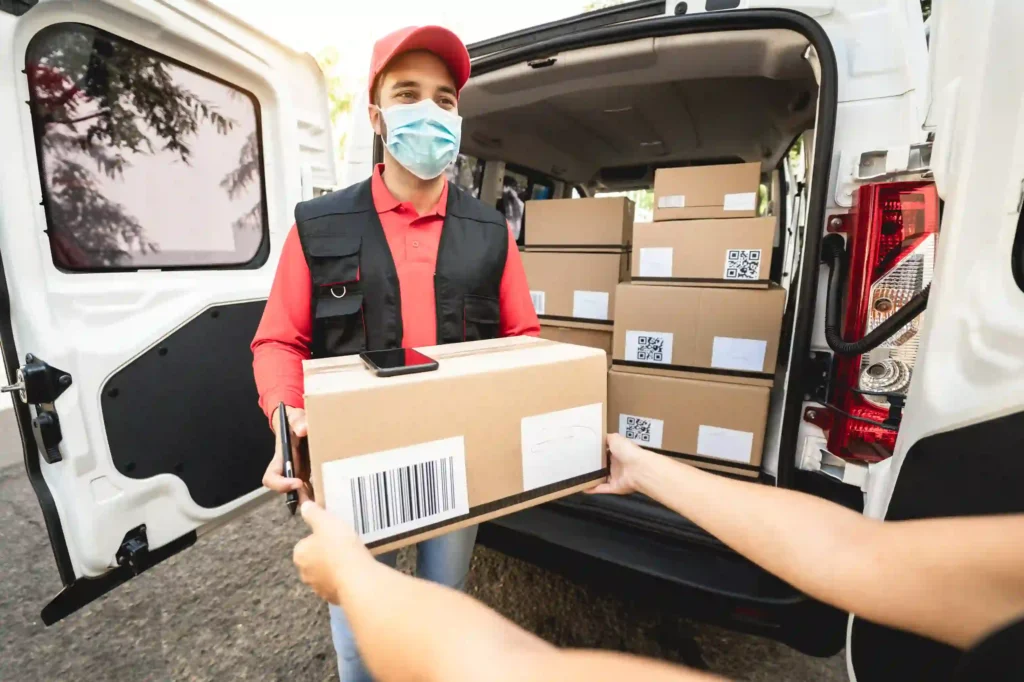
A courier shows up eleven minutes late to a lab pickup, and a same-day biopsy result gets pushed to the next morning. This is why learning how to start a medical courier business is different from starting almost any other delivery business. The margin for error is smaller, the vetting is tighter, and the payoff for getting it right is a client who stays for years, not weeks.
Bearcat Express has spent years running time-sensitive freight across Georgia and Alabama, and the guidance below comes directly from watching what separates couriers who win long-term healthcare contracts from couriers who lose them after the first missed window.
Quick Answer: What It Takes to Start a Medical Courier Business
Starting a medical courier business means registering a legal entity, securing commercial auto and cargo insurance, completing HIPAA and OSHA awareness training, equipping a vehicle for temperature-sensitive cargo, and building direct relationships with labs, pharmacies, or clinics. At minimum, you’ll need:
- A registered LLC with a dedicated business bank account
- Commercial auto, cargo, and general liability insurance
- Basic HIPAA and bloodborne pathogen (OSHA) training
- A vehicle equipped with coolers, GPS tracking, and secure storage
- A short list of target clients to approach directly, since learning how to get medical courier contracts starts with picking the right facilities first
What Is a Medical Courier Business?

A medical courier business transports items healthcare providers cannot afford to delay or mishandle: lab specimens, prescription medications, medical equipment, dental molds, and confidential patient records. Every run carries regulatory weight, since the courier often handles protected health information or biohazardous material without realizing it at a glance. On paper, the job is simple: pick up, transport safely, deliver on schedule. In practice, it demands tight scheduling, the right equipment, and compliance knowledge most general drivers never encounter.
Why Medical Courier Services Are in High Demand
Healthcare is decentralizing. Independent labs run tests that used to happen in-house. Specialty pharmacies deliver directly to patients. Home health providers need supplies delivered on a schedule the patient can’t control. None of these facilities wants to run its own delivery fleet, creating steady demand for someone trustworthy.
The Market Data Behind the Demand
Research firms tracking medical logistics and last-mile healthcare delivery have consistently projected it as one of the fastest-growing transportation subsegments, driven by outpatient testing growth, specialty pharmacy expansion, and home-based care. That growth doesn’t guarantee an easy start, but it means the facilities you’re targeting are actively looking for dependable partners, not shrinking their delivery needs.
How Does a Medical Courier Service Actually Work?
A typical day includes scheduled pickups from clinics or labs, time-windowed deliveries, and occasional STAT runs triggered by an urgent test order. STAT requests are where reputations are built or lost, since a facility calling for one expects a response measured in minutes, not hours. Routes are rarely fixed, and a courier might run a morning specimen loop between three clinics and a lab, then pivot to deliver equipment to a patient’s home in the afternoon.
Choose Your Medical Courier Niche Before You Start
Trying to serve every facility type from day one spreads a new operator too thin. Most successful independent couriers pick one lane first:
- Specimen and lab transport: high volume, time-sensitive, needs cold-chain coolers and chain-of-custody paperwork
- Pharmacy and prescription delivery: lower urgency, but requires secure handling of controlled substances
- Durable medical equipment (DME): less about speed, more about careful handling of bulky items
- Home health delivery: recurring routes to individual patients that build predictable weekly revenue
Key Requirements Before You Start
Business Registration and Legal Setup
Register as an LLC, obtain a federal EIN, and confirm your state’s requirements for courier or transportation services, since some states require a separate permit for medical transport.
Choosing a Business Name
Pick a name that’s available in your state’s registry, doesn’t conflict with a trademark, and reads as professional to a hospital administrator reviewing a vendor list.
Proper Driving Credentials and Background Checks
A clean driving record is non-negotiable. Healthcare clients run background checks on you and any drivers you hire, and a single DUI or reckless driving citation can disqualify you from most contracts.
Essential Training and Certifications
Training in bloodborne pathogen handling and proper specimen transport gives you a real edge. Facilities notice the difference between a courier who can explain chain-of-custody procedures and one who’s guessing.
OSHA and HIPAA Compliance Basics
If you or your drivers handle biohazardous materials, OSHA’s Bloodborne Pathogens Standard applies: proper protective equipment, spill response procedures, and documented training. You also need a basic HIPAA framework: secure handling procedures, confidentiality agreements, and a policy for what happens if something is lost or exposed. Skipping either is often a contract deal-breaker during vetting.
A Simple Business Plan Framework
Anyone researching how to start a medical courier business tends to assume they need a forty-page plan with five-year projections. They don’t. Facilities vetting a courier ask for proof of insurance and training, not a formal plan. A working medical courier business plan fits on one page: your service offering, target client type, realistic startup costs, monthly income target, and first 30-day action plan. Work backward from your income target: divide it by your expected rate per run and by working days per month, and you’ll know exactly how many clients you need before you’re profitable.
Step-by-Step Guide to Starting Your Medical Courier Business
- Choose your business model. Decide whether you’ll operate solo, build a small team, or aim for a fleet. Many operators start solo and reinvest profits into hiring once demand outpaces their own capacity. This is also where some people realize they’d rather learn how to become a medical courier under an existing company first, gaining experience before taking on the liability of ownership.
- Register your business properly, including a dedicated bank account and accounting system from day one. Mixing personal and business finances is a common reason new couriers struggle at tax time.
- Set up the right vehicle. It needs to be reliable, clean, and equipped for temperature-sensitive cargo, eventually with enough space for coolers and secure storage.
- Invest in essential equipment: insulated coolers with temperature monitoring, biohazard containers, GPS tracking, and secure lockboxes. Clients ask about equipment before signing.
- Use route management technology. Real-time tracking links and digital proof-of-delivery let you insert an urgent STAT stop into an existing route without derailing the day. A courier who can text a live tracking link during a delay looks more professional than one who says “I’m on my way.”
- Build relationships with healthcare facilities. Cold outreach works, but referrals work better. Once you complete a few reliable runs for one clinic, ask for introductions to others in their network.
Business Insurance Coverage You’ll Need
| Coverage Type | What It Protects |
| General liability | Property damage at pickup or delivery locations |
| Commercial auto | Accidents involving your transport vehicle |
| Cargo insurance | Lost, damaged, or stolen items in transit |
| Workers’ compensation | Employee injury on the job (required once you hire) |
Cost of Starting a Medical Courier Business
| Expense Category | Estimated Cost Range |
| Business registration and licensing | $100 to $800 |
| Vehicle (used, reliable) | $5,000 to $20,000 |
| Insurance (annual, combined coverage) | $2,000 to $6,000 |
| Coolers, biohazard kits, GPS tracking | $500 to $2,000 |
| Marketing and website | $300 to $1,500 |
| Initial operating buffer | $2,000 to $5,000 |
Total startup costs typically range from $10,000 to $35,000, depending on whether you already own a suitable vehicle and how fast you plan to scale.
What Medical Couriers Actually Earn
Rates vary by region and niche, but most independent medical couriers charge a flat per-run rate for routine pickups, a per-mile rate for longer routes, and a premium rate, often 25 to 50 percent above baseline, for STAT or after-hours requests. Solo operators running a full daytime schedule with two or three anchor clients commonly bring in a gross monthly range in the low-to-mid four figures before expenses, with STAT premiums adding meaningfully once a facility trusts you with urgent work. Income scales fastest once you add a second driver and can run overlapping routes.
How to Find Clients and Win Medical Courier Contracts
Direct outreach to independent labs, urgent care centers, and specialty pharmacies outperforms broad advertising, since many are actively looking to replace an unreliable courier. Visiting smaller clinics in person, offering a short trial period at a reduced rate, and asking satisfied clients for introductions all consistently work.
When facilities request proposals, be specific about your equipment, response times, and compliance training rather than competing on price alone. Healthcare administrators care more about consistency than saving a few dollars per run, so how to get medical courier contracts really comes down to addressing their actual concerns in the bid itself.
What Different Healthcare Clients Expect From You
| Client Type | Response-Time Expectation | Equipment Expectation |
| Hospital | STAT runs answered within minutes | Biohazard containers, cold-chain coolers |
| Independent Lab | Fixed pickup windows, same-day flexibility | Insulated coolers, GPS tracking |
| Specialty Pharmacy | Scheduled daily runs, occasional rush orders | Secure lockbox, signature device |
| Home Health | Patient-specific delivery windows | Careful handling for bulky DME items |
Charge a base rate for standard daytime pickups, with a 25 to 50 percent premium for urgent requests outside normal hours. Avoid underpricing to win your first contracts. Healthcare clients understand that reliability costs money, and a price that’s too low can raise questions about whether you’re cutting corners on insurance or compliance.
Building Trust With Healthcare Clients
Trust here isn’t built through marketing claims. It’s built through consistency: answering the phone during off-hours, communicating proactively when traffic delays a delivery, and never treating a specimen run like a standard parcel from day one.
Inside a Medical Courier Dispatch Desk: How a STAT Request Actually Gets Handled
Here’s what actually happens when a lab calls for an urgent pickup, since this moment decides whether a facility trusts you again. The call comes from the lab’s front desk, not a dispatcher, since most independent labs don’t have one. Pickup address, delivery destination, and temperature needs get confirmed in under a minute, because the lab is often standing over a sample that’s actively degrading. The nearest driver is redirected, even mid-route, and given a real arrival window instead of a vague “on the way.” At pickup, the driver checks the specimen label against the paperwork before accepting it. At delivery, a signature or digital confirmation closes the loop, and that confirmation is what the facility keeps for its own compliance records.
| Request Type | Typical Response Window |
| STAT (hospital or ER) | Under 15 to 30 minutes |
| STAT (independent lab) | 30 to 45 minutes |
| Routine specimen pickup | Within the agreed daily window |
| Routine pharmacy delivery | Same-day, non-urgent |
Common Challenges and Mistakes to Avoid
New operators often underestimate how tight STAT delivery windows can be, and a single vehicle breakdown during a specimen run can damage a relationship that took months to build. Skipping proper insurance to save money early is one of the costliest mistakes a new courier can make, and taking on too many clients before the operation can reliably handle the volume leads to missed windows and lost contracts. Staffing is harder than it looks too, since not every driver is comfortable handling biohazard materials or being on call for urgent requests.
How to Succeed in the Medical Courier Business
Success comes down to three habits: showing up early rather than exactly on time, communicating before a problem happens rather than after, and investing in proper equipment before it’s strictly required. Couriers who treat every run, routine or urgent, with the same care are the ones who keep clients for years instead of months.
How We Approach Time-Sensitive, Secure Deliveries
Bearcat Express handles time-sensitive deliveries across Georgia and Alabama with a focus on real-time tracking, proper handling protocols, and dependable response times for urgent requests. For businesses that need consistent same-day delivery support, our Same Day Delivery Service Augusta GA page outlines exactly how our process works for time-critical shipments.
Conclusion
Learning how to start a medical courier business takes more than a reliable vehicle and a willingness to drive. It requires compliance basics, the right equipment, a clear niche, and the trust healthcare facilities depend on every day. Whether you’re still shaping your medical courier business plan or starting a medical courier business from scratch, the operators who succeed treat every delivery like it matters. If you have questions about how time-sensitive delivery operations work in practice, contact us at Bearcat Express.
Frequently Asked Questions
How much does it cost to start a medical courier business?
Startup costs typically range from $10,000 to $35,000, depending on your vehicle, insurance coverage, and equipment needs. Operators who already own a suitable vehicle can often start closer to the lower end.
Do I need a special license to become a medical courier?
Most states don’t require a specific license, but you will need standard business registration and, in some cases, transportation permits. If you’re weighing how to become a medical courier versus starting your own operation, HIPAA and OSHA training is worth completing either way.
How do I get my first medical courier contracts?
Direct outreach to independent labs, clinics, and specialty pharmacies works better than broad advertising when you’re starting a medical courier business. Offering a short trial period and asking satisfied clients for referrals builds momentum quickly.
What’s the difference between a medical courier and a regular courier?
Medical couriers handle time-sensitive, often biohazardous or confidential materials that require specific handling protocols and compliance awareness. Regular couriers typically aren’t trained or equipped for these requirements.
Do I need a formal business plan before starting?
Not a lengthy one. A simple, one-page medical courier business plan covering your service offering, target clients, startup costs, and first 30-day action plan gives you everything you need to launch.