A small coastal cargo ship can cost as little as 2 to 5 million dollars, while a mega container vessel built for global trade can run past 200 million dollars. If you have ever wondered how much does a cargo ship cost, the honest answer is that it depends on size, purpose, age, and what the vessel is built to carry.
At Bearcat Express, we work with freight pricing every day, and understanding what drives ship costs at the top of the supply chain explains why shipping rates behave the way they do, all the way down to your local delivery.
Quick Answer Overview
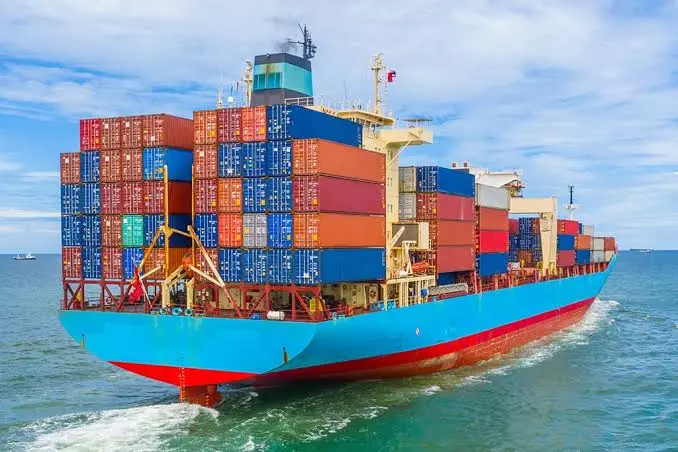
Cargo ship prices generally fall into four ranges based on size and type:
- Small cargo ships (general cargo, coastal vessels): 2 million to 15 million dollars
- Medium cargo ships (bulk carriers, mid-size container ships): 25 million to 60 million dollars
- Large container ships (ULCV, mega vessels): 100 million to 200+ million dollars
- Specialized vessels (tankers, RoRo, reefer, heavy lift): 40 million to 150 million dollars depending on cargo type and equipment
These figures reflect newbuild pricing in current market conditions. Secondhand vessels can cost 30 to 60 percent less depending on age and condition, which we cover in detail below.
Cargo Ship Cost Breakdown by Vessel Type & Capacity
Not all cargo ships are built the same way, and price differences between categories are often larger than people expect. A ship’s classification tells you almost everything about its likely cost before you even look at a quote.
Small Cargo Ships (General Cargo & Coastal Vessels)
Small cargo ship price typically ranges from 2 million to 15 million dollars. These vessels usually carry between 500 and 5,000 deadweight tonnes and are used for short coastal routes, inter-island trade, or feeder services that move goods between smaller ports and larger hub terminals. Their lower small cargo ship price makes them a common entry point for regional shipping operators who do not need the range or capacity of an oceangoing vessel.
Medium Cargo Ships (Bulk Carriers & Mid-Size Container Ships)
Bulk carriers and mid-size container ships in the 10,000 to 50,000 deadweight tonne range generally cost between 25 million and 60 million dollars. These ships handle the bulk of regional and short-sea international trade, carrying grain, coal, steel, or standard shipping containers. This category represents the working backbone of most national fleets.
Large Container Ships (ULCV & Mega Vessels)
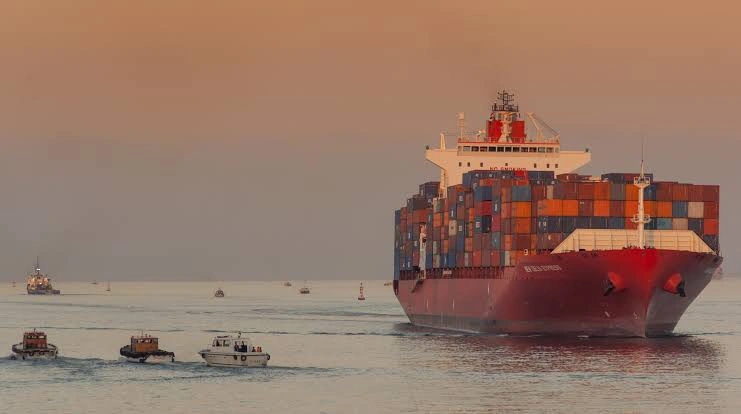
Ultra Large Container Vessels, the ones capable of carrying 15,000 to 24,000 TEU (twenty-foot equivalent units), are where costs climb sharply. How much does a container ship cost at this scale? Newbuild prices commonly land between 150 million and 200 million dollars, with the largest vessels from major shipyards occasionally exceeding that figure once custom specifications are added.
Specialized Cargo Ships (Tankers, RoRo, Reefer, & Heavy Lift)
Specialized vessels are priced by function rather than just size. A crude oil tanker can cost 80 million to 150 million dollars because of the safety systems and hull requirements involved. Roll-on/roll-off (RoRo) ships built for vehicle transport run 60 million to 120 million dollars. Refrigerated cargo ships (reefers) and heavy lift vessels with onboard cranes fall in similar ranges, since specialized equipment adds significant cost regardless of overall tonnage.
Fleet Asset Comparison Matrix
| Vessel Type | Typical Capacity | Newbuild Price Range |
| Small Cargo Ship | 500 to 5,000 DWT | $2M to $15M |
| Medium Bulk Carrier | 10,000 to 50,000 DWT | $25M to $60M |
| Mid-Size Container Ship | 3,000 to 8,000 TEU | $40M to $90M |
| Large Container Ship (ULCV) | 15,000 to 24,000 TEU | $150M to $200M+ |
| Oil Tanker | 50,000 to 300,000 DWT | $80M to $150M |
| RoRo Vessel | 4,000 to 8,000 vehicles | $60M to $120M |
New vs. Secondhand Cargo Ships: Cost Comparison
Newbuild Vessels
Ordering a new vessel means working directly with a shipyard, typically in South Korea, China, or Japan, on a build schedule that runs two to four years. Newbuild pricing reflects current steel costs, labor rates, and the technology package requested, including fuel efficiency systems and emissions compliance equipment. Buyers get a vessel built to exact specifications, but they also absorb the full cost of current material and labor markets.
Secondhand Hulls
Secondhand cargo ships can be 30 to 60 percent cheaper than an equivalent newbuild, which is why so many smaller shipping operators start here. The tradeoff is inspection risk. A ten-year-old bulk carrier might look like a bargain on paper, but hull fatigue, outdated engine systems, and upcoming dry dock requirements can turn a cheap purchase into an expensive one within the first year of ownership. Marine surveyors are essential before any secondhand purchase, not optional.
Key Factors That Influence Cargo Ship Prices
Size & Capacity (DWT / TEU)
Deadweight tonnage and TEU capacity are the single biggest price drivers. Price does not scale in a straight line with size either. Doubling a ship’s capacity often more than doubles the price, because larger vessels require reinforced hulls, more powerful engines, and additional safety systems.
Age & Condition
A vessel’s age affects both purchase price and ongoing risk. Ships older than 15 years often face stricter inspection requirements and higher insurance premiums, which pushes buyers toward either newer secondhand hulls or newbuild orders despite the higher upfront cost.
Technology, Automation, & Fuel Efficiency
Modern vessels built with fuel-efficient engines, automated cargo handling, and low-emission propulsion systems cost more upfront but reduce operating expenses over the ship’s lifespan. Given how much does a ship cost to run daily in fuel alone, many buyers now treat efficiency technology as a cost-saving investment rather than a luxury add-on.
Market Demand & Currency Exchange
Shipbuilding contracts are typically priced in US dollars, so currency fluctuations between the buyer’s home currency and the dollar can shift the effective price by several percentage points during a multi-year build. Global shipping demand cycles also matter. When freight rates rise, shipyard order books fill up, and newbuild prices climb along with demand.
Realistic Cargo Ship Price Examples
To put these numbers in context, here are a few grounded examples based on typical market pricing:
- A 2,500 DWT coastal general cargo ship, newly built: approximately 4.5 million dollars
- A 35,000 DWT bulk carrier, five years old: approximately 22 million dollars secondhand
- A 6,000 TEU mid-size container ship, newbuild: approximately 65 million dollars
- A 20,000 TEU ULCV container ship, newbuild: approximately 180 million dollars
- A 100,000 DWT crude oil tanker, newbuild: approximately 95 million dollars
These figures shift with steel prices, shipyard capacity, and regional labor costs, but they represent realistic current-market benchmarks rather than rough estimates.
Beyond the Purchase Price: Hidden & Ongoing Costs (OPEX)
The purchase price is only the starting point. Operating expenses (OPEX) often exceed the ship’s original cost within five to seven years of service.
Fuel Costs (Bunker Fuel)
Bunker fuel is typically the largest single operating cost. A large container ship can burn 150 to 250 tonnes of fuel per day at sea, and fuel prices fluctuate constantly with global oil markets. This single line item alone can determine whether a shipping route stays profitable.
Crew & Manning Expenses
A typical cargo ship requires a crew of 15 to 25 people, including officers, engineers, and deck staff. Wages, insurance, training, and rotation costs (flying crew members to and from the ship) add up to hundreds of thousands of dollars annually, even before factoring in food and welfare provisions onboard.
Dry Docking & Maintenance
Every vessel requires scheduled dry docking, typically every 2.5 to 5 years, for hull inspection, painting, and major repairs. A single dry dock period can cost anywhere from 300,000 to over 2 million dollars depending on the vessel’s size and the extent of work required.
Marine Insurance
Hull and machinery insurance, protection and indemnity (P&I) coverage, and cargo insurance together typically run 1 to 3 percent of the vessel’s value annually. For a 60 million dollar bulk carrier, that translates to 600,000 to 1.8 million dollars a year just in coverage.
Buying vs. Chartering a Cargo Ship
Not every shipping operation needs to own a vessel outright. Chartering, whether through a time charter or voyage charter agreement, allows a company to use a ship for a defined period without the capital expense of ownership. Charter rates fluctuate with market demand, but they remove the buyer from long-term maintenance, dry docking, and depreciation obligations. For companies moving cargo occasionally or testing a new trade route, chartering is often the more financially sound decision. Ownership only makes sense when cargo volume is consistent enough to justify the fixed costs of maintaining a vessel year-round.
How Cargo Ship Economics Trickle Down to Freight & Local Delivery Rates
Cargo ship pricing might feel disconnected from everyday shipping, but the two are closely linked. When shipyard costs rise, or fuel prices spike, ocean carriers pass those costs down through freight rates. Those freight rates affect how much it costs to move goods from ports to regional distribution centers, which in turn affects what businesses pay for last-mile and regional delivery. At Bearcat Express, we see this play out directly. When ocean freight costs climb, businesses often shift more of their regional and same-day shipping needs toward dependable local carriers to control costs on the last leg of the journey, where they still have some control over pricing. Understanding the ship-level economics helps explain why regional freight rates move the way they do, even when the change seems to come out of nowhere.
Is Owning a Cargo Ship Profitable?
Profitability depends heavily on utilization. A vessel sitting idle in port generates no revenue while still accumulating insurance, mooring, and crew costs. Owners who keep ships on consistent, well-planned routes with minimal downtime tend to see solid returns over a 15 to 20 year operating life. Owners who buy speculatively, expecting freight rates to stay high indefinitely, often struggle when rates correct. Ownership works best as a long-term, high-utilization strategy rather than a short-term investment play.
You Don’t Always Need a Ship: Smarter Shipping Solutions for Regional & Domestic Freight
For most businesses and individuals asking how much is a cargo ship, the honest takeaway is that ship ownership is built for large-scale, long-haul international trade, not regional or domestic shipping needs. If your goods need to move within a region, across state lines, or on a tight same-day timeline, a dedicated courier partner solves the problem without the overhead of vessel ownership, crewing, or dry docking. Bearcat Express handles exactly this kind of regional freight movement, offering a Same Day Delivery Service Augusta GA option built for businesses that need speed and reliability without the complexity of ocean freight logistics.
Final Summary
Cargo ship prices range from around 2 million dollars for small coastal vessels to well over 200 million dollars for the largest container ships afloat. Size, vessel type, age, and technology all shape the final price, and ownership costs extend far beyond the purchase price once fuel, crew, maintenance, and insurance are factored in. Whether you are evaluating fleet investment or simply trying to understand how these costs ripple through global and regional freight pricing, the numbers tell a consistent story: bigger capacity and newer technology mean higher upfront cost but often lower long-term risk.
Frequently Asked Questions
How much does a cargo ship cost on average?
There is no single average, since pricing depends entirely on size and type. A small coastal cargo ship might cost 3 to 5 million dollars, while a large container ship can exceed 150 million dollars.
How much does a container ship cost compared to a bulk carrier?
Container ships generally cost more than bulk carriers of similar tonnage because of the specialized cargo handling systems and hull design required. A mid-size container ship often costs 20 to 30 percent more than a comparable bulk carrier.
What is the cheapest type of cargo ship to buy?
Small general cargo and coastal vessels are the most affordable option, typically starting around 2 million dollars for older or smaller models, making them accessible for regional shipping operators.
Does cargo ship pricing affect local courier and delivery costs?
Yes, indirectly. Rising ocean freight and ship operating costs get passed down through the supply chain, which can influence regional freight and delivery pricing, even though local couriers operate on a completely different cost structure than ocean carriers.
Is it cheaper to charter or buy a cargo ship?
Chartering is usually cheaper for short-term or occasional shipping needs, since it avoids the capital cost of ownership and the ongoing expense of maintenance, insurance, and crewing.