Standing at a busy port and seeing massive vessels load thousands of containers, it’s natural to ask how much does a cargo ship cost. These ships are like floating cities, engineered with advanced technology and requiring enormous investment. For logistics professionals, investors, and business owners, knowing how much is a cargo ship is more than curiosity; it affects global trade, shipping costs, and supply chain efficiency.
At Bearcat Express, where cost transparency and operational efficiency matter, understanding maritime transport pricing is crucial. This guide explores how much does a ship cost in 2026 and key factors buyers should consider.
What Is a Cargo Ship and Why Does It Matter in Global Trade
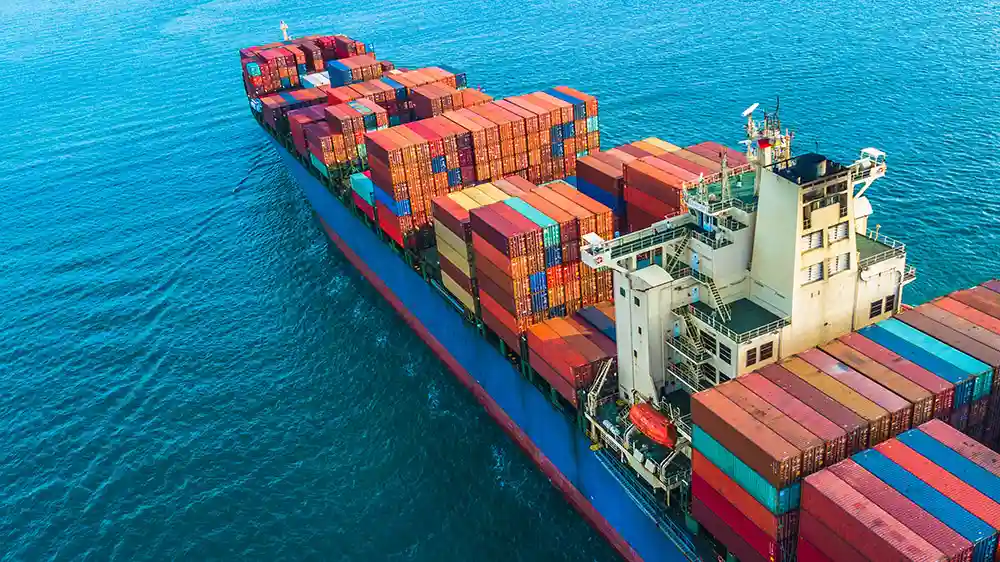
A cargo ship is a commercial vessel designed to transport goods across oceans and major waterways. Unlike small freight boats, cargo ships operate at the core of international trade, moving everything from food and fuel to vehicles and industrial equipment.
More than 80% of global trade by volume moves by sea. That makes cargo ships essential infrastructure, not luxury assets. When people ask how much does it cost to buy a ship, they’re really asking about access to global markets, trade efficiency, and long-term logistics control.
For companies handling inland logistics, including last-mile and regional distribution like Bearcat Express, maritime shipping costs directly influence freight pricing, delivery schedules, and supply chain resilience.
Types of Cargo Ships and Their Price Differences
Container Ships
Container ships are the most recognizable cargo vessels. They carry standardized containers stacked on deck and below.
- Small feeder ships: 1,000–3,000 TEU
- Large container ships: 10,000–24,000 TEU
If you’re wondering how much does a container ship cost, the answer depends heavily on size and fuel technology. A modern large container ship can cost more than many commercial skyscrapers.
Bulk Carriers
Bulk carriers transport unpackaged goods like coal, grain, and iron ore.
- Simpler construction
- Lower per-unit cost than container ships
These ships answer many searches for how much is a cargo ship because they are among the most affordable large vessels.
Tanker Ships
Tankers carry liquids such as crude oil, chemicals, or liquefied gas.
- Specialized safety systems
- Higher insurance and compliance costs
Tanker ships often push the upper range of how much does a ship cost due to regulation and engineering complexity.
Roll-on/Roll-off (RoRo) Ships
RoRo ships transport vehicles and wheeled cargo that can be driven on and off.
- Popular for automotive logistics
- Moderate construction cost
They’re commonly used in port-to-port distribution models supporting inland delivery networks.
General Cargo Ships
These versatile ships carry mixed cargo types.
- Smaller capacity
- Lower upfront cost
- Flexible but less efficient
Key Factors That Influence Cargo Ship Cost
Size & Capacity (TEU / DWT Explained)
The single biggest driver of how much does a cargo ship cost is capacity.
- TEU (Twenty-Foot Equivalent Unit): used for container ships
- DWT (Deadweight Tonnage): total carrying weight
Bigger ships cost more to build, but often reduce the cost per container over time.
Age, Condition & Build Year
A five-year-old ship can cost 30–40% less than a new build. When buyers ask how much does it cost to buy a ship, age is often the deciding factor between affordability and efficiency.
Shipyard Reputation & Country of Build
Top shipbuilding nations include:
- South Korea
- China
- Japan
A reputable yard increases upfront cost but lowers long-term maintenance risks.
Technology, Automation & Fuel Efficiency
Modern ships include:
- Automated navigation systems
- Fuel-efficient engines
- Emissions monitoring
These features significantly increase how much does a cargo ship cost to build, but reduce lifetime operating expenses.
Custom-Built vs Standard Ships
Custom ships cost more but are optimized for specific routes or cargo types. Standard ships are cheaper and easier to resell.
Steel Prices, Market Demand & Currency Exchange
Steel prices and currency fluctuations directly affect container ship cost and overall ship pricing year-to-year.
You may also read: How Much Gas Does Idling Use?
Average Cargo Ship Cost in 2026 (By Type & Size)
Container Ship Price Range
- Small container ship: $25–50 million
- Mid-size: $70–120 million
- Ultra-large container ship: $150–220+ million
This explains why how much does a container ship cost remains one of the most searched shipping questions.
Bulk Carrier Price Range
- Handysize: $20–30 million
- Panamax: $35–55 million
- Capesize: $60–75 million
Tanker Ship Price Range
- Product tanker: $45–70 million
- Crude oil tanker: $90–120 million
RoRo Ship Price Range
- $60–110 million, depending on vehicle capacity
General Cargo Ship Price Range
- $15–30 million
Cost of Used Cargo Ships (2026 Market Overview)
Average Used Cargo Ship Prices
Used ships can cost 30–60% less than new builds. For buyers asking how much does it cost to buy a ship, the used market is often the entry point.
When Buying a Used Ship Makes Sense
- Limited capital
- Short-term operations
- Seasonal trade routes
Risks of Older Vessels
- Higher fuel consumption
- More maintenance
- Stricter environmental compliance costs
Beyond the Purchase Price: Operating Costs You Must Consider
Crew Salaries, Certifications & Training
Annual crew costs can reach several million dollars depending on ship size and route.
Fuel, Lubricants & Energy Consumption
Fuel is the largest recurring expense. A large vessel can burn tens of thousands of dollars per day in fuel alone.
Port Charges, Canal Fees & Insurance
- Port fees
- Suez/Panama Canal tolls
- Maritime insurance
These costs significantly impact how much is a cargo ship over its lifetime.
Maintenance, Repairs & Dry Docking
Dry docking every 3–5 years is mandatory and expensive.
Environmental Compliance & Emission Costs
New IMO regulations require cleaner fuels and retrofitting older ships.
Buying vs Leasing a Cargo Ship
Ownership offers long-term control but ties up capital. Leasing or chartering provides flexibility and lower risk, especially during uncertain market cycles.
Many logistics operators combine shipping partnerships with regional services, similar to how inland providers support Big Box Store Pick Up Augusta, GA operations without owning upstream assets.
Financing Options for Buying a Cargo Ship
- Commercial bank loans
- Ship leasing companies
- Private equity investors
- Government-backed maritime financing
Financing often determines how much does a ship cost in practical terms, not just the list price.
Global Trends Affecting Cargo Ship Prices in 2026
Shipbuilding Supply & Demand Cycles
High demand raises prices; oversupply pushes them down.
Automation & Smart Shipping Technology
Smart fleets reduce crew size and improve safety.
Green Shipping Regulations (IMO 2030 Impact)
Environmental compliance is now a pricing factor, not an option.
Alternative Fuels: LNG, Methanol & Hydrogen
Ships built for alternative fuels cost more upfront but are future-proof.
How Shipping Companies Reduce Cargo Ship Costs
- Route optimization software
- Fuel efficiency programs
- Predictive maintenance
- Integrated digital fleet management
Cost control at sea directly supports affordable inland logistics and courier networks.
Reliable Courier and Delivery Services in Georgia and the Carolinas
While cargo ships move goods across oceans, regional delivery brings those goods to businesses and customers. Companies like Bearcat Express bridge that gap by providing dependable courier solutions that support retail supply chains, distribution hubs, and time-sensitive deliveries throughout Georgia and the Carolinas.
Conclusion
So, how much does a cargo ship cost? The answer ranges from a few million dollars to well over $200 million, depending on size, technology, fuel systems, and market conditions. But the real cost lies in long-term operations, compliance, and efficiency, not just the purchase price.
Whether you’re analyzing global freight economics or managing local logistics, understanding shipping costs helps you make smarter decisions. If you need reliable, transparent logistics support, contact us at Bearcat Express to keep your supply chain moving efficiently from port to final destination.
FAQs
How much does the cheapest cargo ship cost?
The cheapest general cargo ships can cost around $15–20 million, especially in the used market. These vessels are smaller and less fuel-efficient but still operational.
How long does a cargo ship last?
Most cargo ships operate for 25–30 years with proper maintenance. Environmental regulations often determine retirement more than physical condition.
Is buying a cargo ship profitable?
It can be profitable for large shipping companies with stable routes. For smaller operators, leasing is often more cost-effective.
New vs. used cargo ship: which is better?
New ships cost more but offer better fuel efficiency and compliance. Used ships have lower upfront costs but may require higher maintenance.
How much fuel does a cargo ship use per day?
A large container ship can burn $50,000–$100,000 worth of fuel per day, depending on speed and fuel prices.