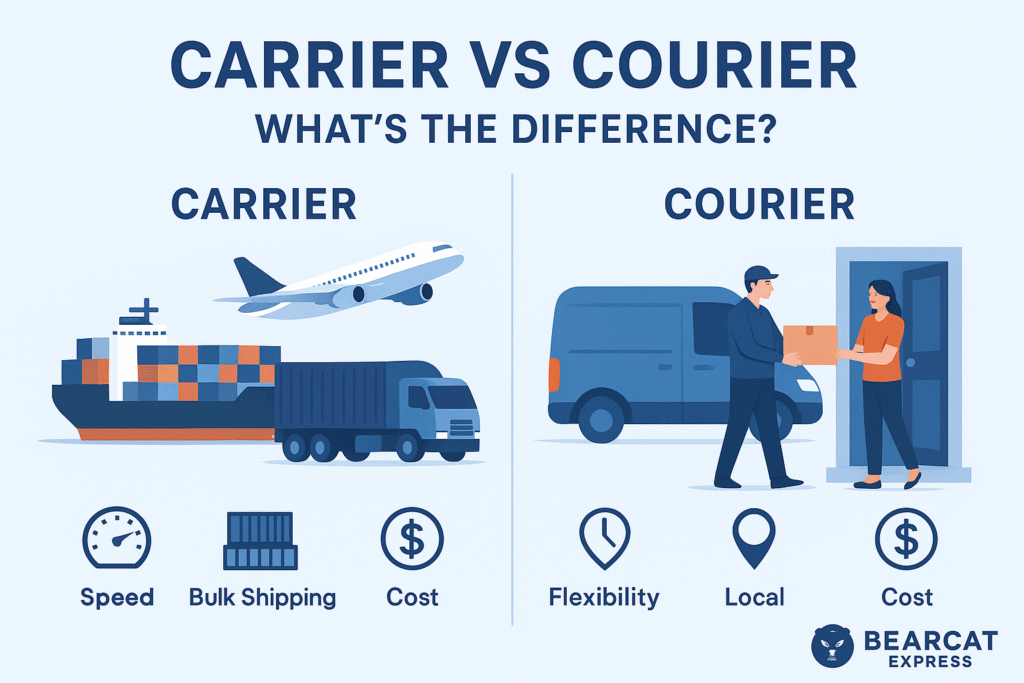
You have a package that has to be somewhere today, not “within 3 to 5 business days.” So you search “carrier vs courier” because someone told you these terms mean the same thing. They do not, and picking the wrong one can cost you a client or a missed deadline.
The short version: a carrier moves large freight loads long distances on a fixed schedule, while a courier picks up your package directly and delivers it, often the same day, with one person accountable the whole way. At Bearcat Express, we get calls every week from businesses who learned this the hard way.
Quick Answer: Carrier vs Courier in One Line
A carrier is built for volume and distance. A courier is built for speed and accountability. If your shipment can wait a day or two and travels in bulk, a carrier works fine. If it has to arrive today, needs a direct hand-to-hand transfer, or involves something you cannot afford to lose track of, a courier is the right call.
Carrier vs Courier: Quick Comparison Table
| Factor | Carrier | Courier |
| Typical speed | 1 to 5 business days | Same day to next day |
| Distance covered | Regional, national, international | Local to regional |
| Shipment handling | Consolidated with other freight | Direct, dedicated pickup and drop-off |
| Tracking detail | Scan points at hubs | Real-time, often door-to-door |
| Best for | Bulk orders, non-urgent freight | Time-sensitive, high-value, or sensitive items |
| Cost structure | Lower per pound at volume | Higher per shipment, but no hub delays |
What Is a Carrier?
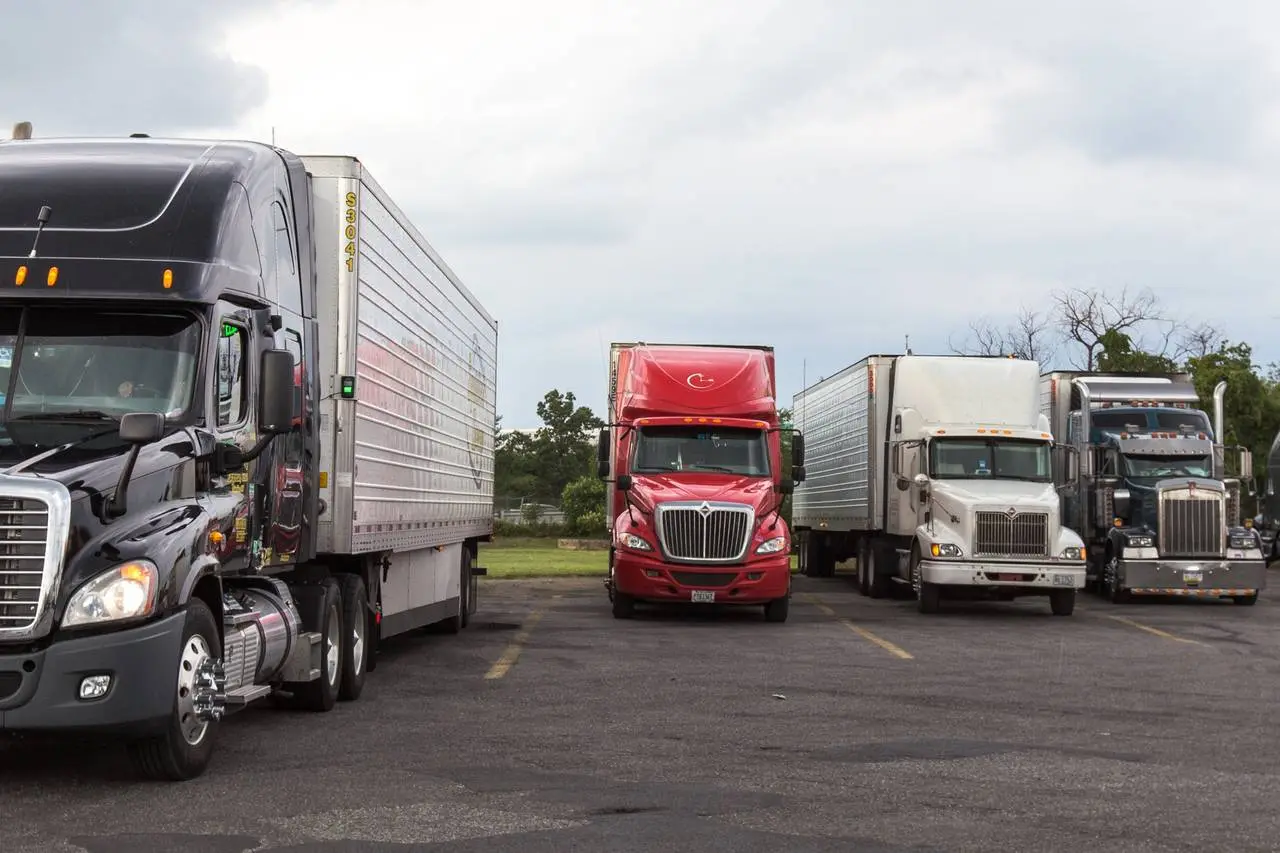
A carrier is a company that transports goods as part of a larger network. Your package gets loaded onto a truck with dozens or hundreds of other shipments, routed through one or more sorting hubs, and eventually handed off for final delivery. This system is efficient at scale, which is exactly why it works so well for retailers shipping thousands of orders a week.
Types of Carriers
There are two main categories worth knowing. A common carrier offers transportation services to the general public under published rates and schedules, meaning anyone can book a shipment without a prior agreement. A contract carrier, on the other hand, works under a specific agreement with one business or a small group of clients, often moving recurring freight along a set route. Businesses that ship the same volume every week, like a manufacturer sending parts to a regional distributor, tend to lean toward contract arrangements because the pricing and pickup times stay consistent.
Pros and Cons of Using a Carrier
The upside is cost efficiency. Because a carrier consolidates many shipments into one route, the price per package drops significantly compared to a dedicated trip. Carriers also tend to have wide geographic reach, which matters if you are shipping outside your immediate region.
The downside shows up when timing matters. A shipment moving through a hub-and-spoke network sits and waits at each transfer point until enough volume justifies the next leg of the trip. That is fine for a restock order. It is a problem when a client is waiting on a signed contract by 2 p.m.
What Is a Courier?

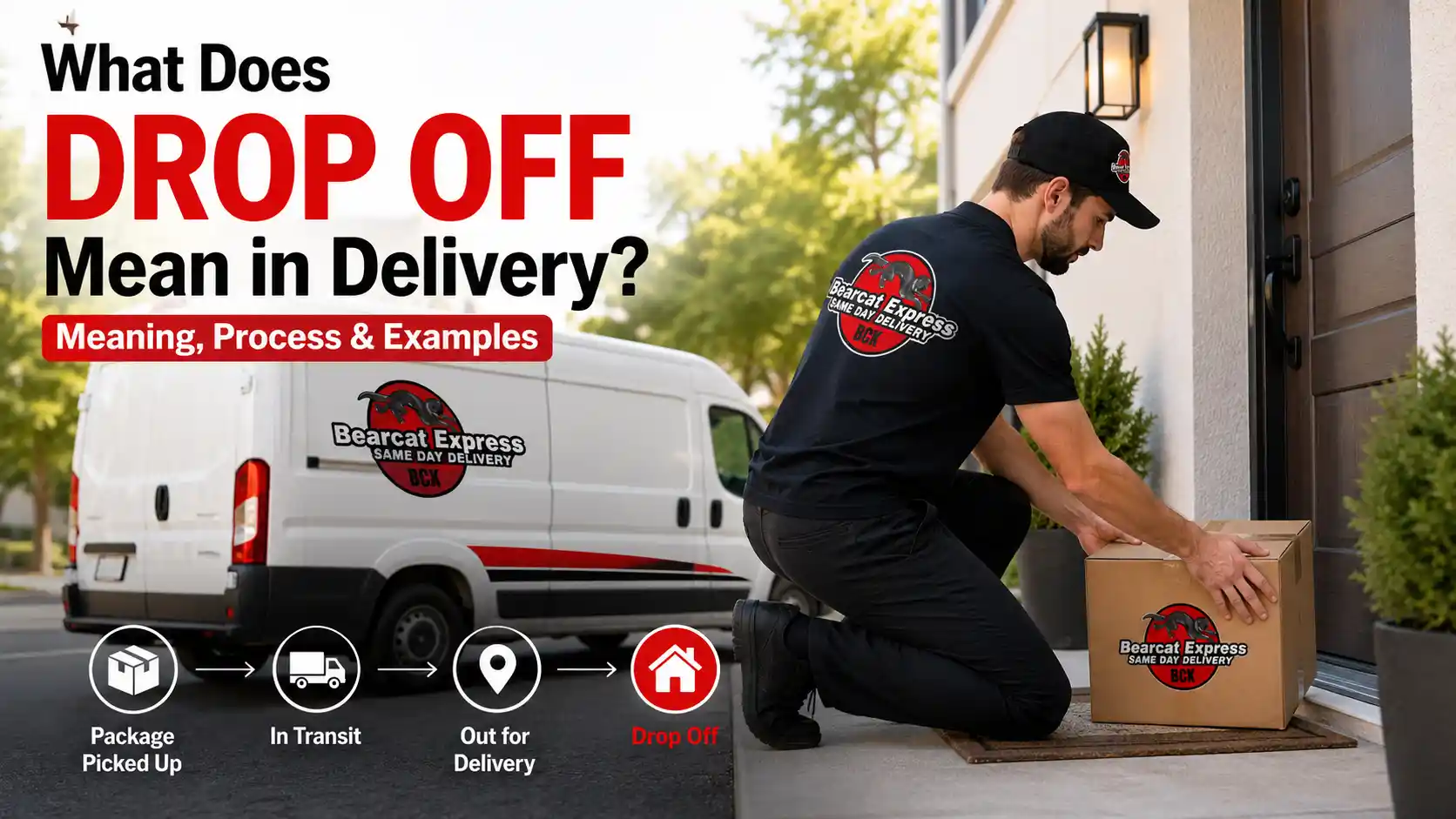
A courier picks up your item and takes it directly to its destination, usually without routing it through a separate sorting facility. The person who picks it up is frequently the same person who hands it off, which means there is a direct chain of custody the entire way. This matters more than people realize until something goes wrong and they need to know exactly where their shipment has been.
Types of Couriers
Same-day couriers handle the bulk of urgent local deliveries, picking up and delivering within a matter of hours. On-demand couriers work similarly but are dispatched the moment a request comes in, which suits businesses that cannot predict their shipping needs in advance. Medical couriers specialize in lab specimens, prescriptions, and equipment that require careful handling and, in many cases, temperature control or strict chain-of-custody documentation. Local couriers focus on a specific city or metro area, which is where speed and route familiarity make the biggest difference.
Pros and Cons of Using a Courier
Speed is the obvious advantage, but the bigger one is control. When one driver handles your shipment from pickup to delivery, you get real-time updates and a direct point of contact if plans change mid-route. For anything time-critical, that reliability outweighs the cost difference.
The tradeoff is price. Because a courier dedicates a driver and a direct route to your shipment instead of sharing space with hundreds of others, the cost per delivery runs higher than standard freight. For most businesses, that cost is worth it exactly when the alternative is a missed deadline.
Carrier vs Courier: Key Differences That Actually Affect Your Decision
Shipment Size and Weight
Carriers are built for volume. Pallets, bulk inventory, and large freight orders move efficiently through a carrier network because the cost scales down as weight goes up. Couriers, by comparison, typically handle smaller, individual shipments, documents, parts, or packages that fit in a standard vehicle.
Speed Requirements
This is usually the deciding factor. If your delivery window is measured in hours, a courier is the only realistic option. If it is measured in days, a carrier will almost always be cheaper and just as reliable.
Geographic Coverage
Carriers dominate when a shipment crosses state lines or travels across the country. Couriers, especially local and regional operations, are built for a defined service area where speed and route knowledge give them an edge that a national network cannot match locally.
Cost Structure
Carrier pricing is typically based on weight, dimensions, and distance, with discounts available at volume. Courier pricing reflects the dedicated nature of the service, factoring in distance, urgency, and sometimes vehicle type. Businesses that ship in bulk save money with a carrier. Businesses that occasionally need something delivered fast save money overall by avoiding the cost of a missed deadline.
Tracking and Visibility
Carrier tracking usually updates at scan points, meaning you see movement when a package enters or leaves a hub, not in between. Courier tracking tends to be closer to real time since there are fewer handoffs and often a single vehicle to follow.
Real Scenarios: Which One Fits?
A law firm needs a signed contract delivered across town before a 3 p.m. filing deadline. A carrier’s next available pickup window would not get it there in time. A courier, dispatched within the hour, makes the deadline with room to spare.
A retail store needs to restock shelves with 40 boxes of inventory from a regional supplier, and the delivery has a three-day window. A carrier handles this at a fraction of the cost a courier would charge for the same volume, and the extra day or two does not affect operations.
A medical office needs lab specimens transported to a testing facility the same afternoon, with strict handling requirements along the way. This is squarely courier territory, where a dedicated driver and direct chain of custody matter more than cost per mile.
An online retailer processes a customer return that needs to reach the original warehouse before a scheduled restock deadline. Depending on the timeline, this could go either way, but tight windows almost always favor a courier’s direct route over a carrier’s multi-stop network.
Why Local Georgia Businesses Often Need a Courier, Not a Carrier
Businesses operating in and around Augusta face a specific challenge that national carrier networks were never designed to solve well: hyperlocal urgency. A national carrier’s regional hub might sit an hour or more outside the city, which adds transit time before a package even starts its final leg. A courier working the local market skips that step entirely, going straight from pickup to drop-off within the same metro area.
This is where Bearcat Express fits into the picture. As a courier built specifically for same-day, regional delivery across Augusta and the surrounding areas, the service is structured around direct routes rather than hub-and-spoke logistics, which is exactly why local businesses turn to a dedicated Same Day Delivery Service Augusta GA when a carrier’s timeline simply will not work.
How to Decide in 3 Questions
First, ask how much time you actually have. If the answer is hours, not days, a courier is worth the added cost. Second, ask how much of the shipment’s value depends on careful handling or a documented chain of custody. Legal documents, medical samples, and high-value items lean courier. Third, ask how much volume you are moving. Large, non-urgent shipments almost always make more financial sense through a carrier.
READ MORE: How Much Does Courier Service Cost in 2025
Building a Shipping Strategy That Uses Both
The businesses that manage logistics best rarely pick one option exclusively. A distribution company might use a carrier for weekly bulk restocking while keeping a courier on call for same-day emergencies, last-minute client requests, or time-sensitive replacements. Treating carrier and courier services as complementary tools, rather than competing choices, gives a business both cost efficiency for routine shipments and speed when something cannot wait.
Conclusion
Choosing between a carrier and a courier comes down to one honest question: how much does time matter for this specific shipment? Carriers win on cost and volume. Couriers win on speed, control, and accountability. Most businesses need both at different points, and knowing which one to call before the deadline is tight makes all the difference.
If your next shipment cannot afford to sit in a hub waiting for the next scheduled route, contact us at Bearcat Express, and we will get it there the same day, tracked from pickup to delivery.
Frequently Asked Questions
What is the difference between a carrier and a courier?
A carrier transports goods through a network of hubs and routes, often taking one to five days depending on distance. A courier picks up a shipment and delivers it directly, frequently the same day, with far fewer handoffs along the way.
Is a courier faster than a carrier?
Yes, in most cases. Because a courier moves a shipment directly from pickup to drop-off without routing it through sorting facilities, delivery times are typically measured in hours rather than days.
What is carrier delivery?
Carrier delivery refers to the transport of goods through a scheduled network, usually involving multiple stops or hubs before the shipment reaches its final destination. It is well suited to bulk shipments where speed is not the top priority.
What is the difference between courier and delivery?
Delivery is a general term for getting a package from one point to another, while a courier is a specific type of delivery service defined by speed, direct handling, and same-day or next-day timelines.
Do couriers only handle small packages?
Most couriers focus on smaller, time-sensitive shipments like documents, parts, and medical samples. Still, many also handle larger items such as furniture or equipment when the delivery window is tight and a direct route is needed.