Understanding Fleet Management Cost has become essential for any business that depends on vehicles for deliveries, logistics, or field operations. In 2026, rising fuel prices, maintenance needs, and operational inefficiencies have made fleet expenses a major business overhead. Managing these costs is not just about saving money but also about improving efficiency, delivery speed, and long-term sustainability.
Practical fleet planning and real-world operational strategies play a key role in controlling expenses. At Bearcat Express, small improvements like route optimization and maintenance scheduling have shown how costs can be reduced without affecting performance. This guide covers key cost factors, calculations, and savings strategies.
What Is Fleet Management Cost? (Quick Definition)
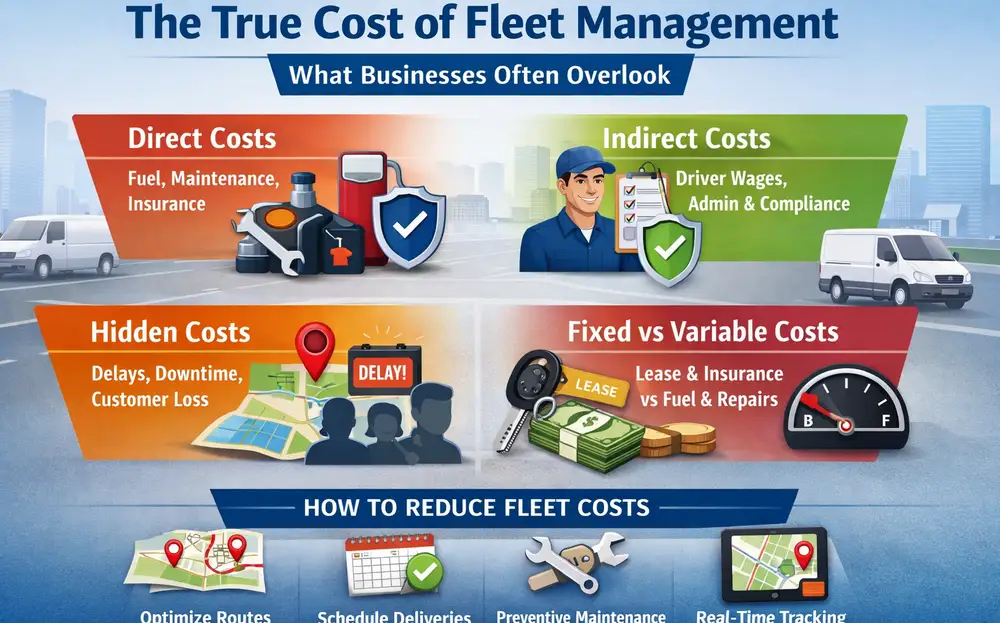
Simple explanation of fleet management expenses
Cost of Fleet Management refers to the total amount a business spends to operate, maintain, and optimize a group of vehicles. This includes fuel, maintenance, insurance, salaries, software tools, and depreciation.
Why businesses track fleet costs
Companies track fleet expenses to:
- Improve profitability
- Reduce operational waste
- Optimize delivery performance
- Identify inefficiencies in routing and fuel usage
Without proper tracking, businesses often overspend without realizing where the money is going.
Types of Fleet Management Costs
Fixed Costs (Ownership-based expenses)
These remain relatively stable regardless of usage:
- Vehicle purchase or lease
- Insurance premiums
- Depreciation
- Licensing & compliance fees
Variable Costs (Usage-based expenses)
These change based on vehicle activity:
- Fuel consumption
- Maintenance & repairs
- Driver wages
- Tire replacements
Understanding both categories is the first step in effective fleet management analysis.
Key Components of Fleet Management Cost Breakdown
Vehicle acquisition & financing
This is often the largest upfront investment and impacts long-term budgeting.
Fuel expenses (largest cost driver)
Fuel is typically 25–40% of total fleet expenses. Poor routing increases this significantly.
Maintenance and repairs
Preventive maintenance reduces breakdowns and long-term repair costs.
Driver salaries and training
Well-trained drivers reduce accidents and fuel waste.
Insurance and risk management
Accidents and claims can significantly increase annual costs.
Fleet software & telematics costs
Modern tracking tools may add to fleet management software cost, but they reduce inefficiencies and improve ROI over time.
How Much Does Fleet Management Cost? (2026 Estimates)
Cost per vehicle (small fleet)
- $400 – $900 per month per vehicle
Cost per vehicle (medium fleet)
- $350 – $800 per month per vehicle
Cost per vehicle (large fleet)
- $300 – $700 per month per vehicle (due to scale efficiency)
Monthly vs annual comparison
Annual fleet costs can range from $4,000 to $10,000+ per vehicle, depending on usage and industry.
How to Calculate Cost of Fleet Management (Step-by-Step)
Understanding Total Cost of Ownership (TCO)
TCO includes all direct and indirect expenses over a vehicle’s lifetime.
Formula to calculate cost per mile
Total Fleet Cost ÷ Total Miles Driven = Cost per Mile
Example breakdown
A small delivery fleet may include:
- Fuel: 35%
- Maintenance: 20%
- Driver wages: 25%
- Insurance & others: 20%
This fleet cost mangement approach helps identify waste areas quickly.
What Factors Influence the Cost of Fleet Management?
Fleet size and structure
Larger fleets benefit from economies of scale.
Vehicle type
Heavy-duty vehicles increase fuel and maintenance costs.
Fuel prices and consumption
Even small changes in fuel prices affect overall expenses.
Route efficiency and delivery zones
Poor routing increases idle time and fuel usage.
Maintenance frequency
Neglect increases long-term repair costs.
Driver behavior and efficiency
Aggressive driving increases wear and fuel consumption.
Hidden Cost of Fleet Management Most Businesses Ignore
Vehicle downtime losses
Every inactive vehicle reduces productivity.
Accident and liability costs
Unexpected accidents increase insurance and repair expenses.
Inefficient routing waste
Poor route planning increases fuel consumption.
Idle time and fuel wastage
Engine idling adds unnecessary fuel costs.
How Fleet Management Software Reduces Costs
Modern systems significantly improve the reduction of fleet costs through automation and tracking.
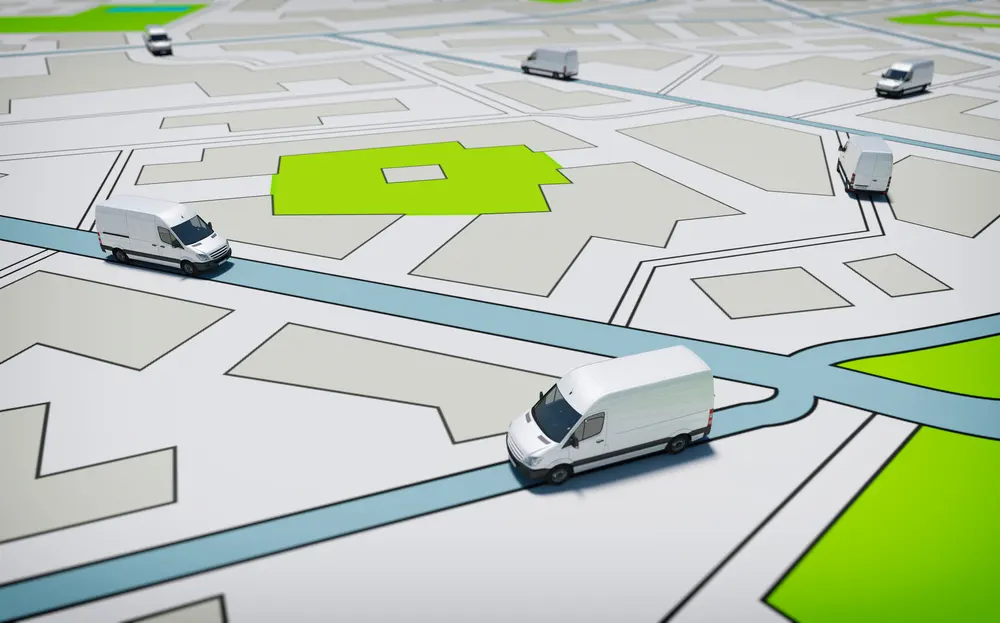
Real-time GPS tracking optimization
Helps reduce unnecessary mileage.
Fuel monitoring & fraud prevention
Prevents fuel misuse and leakage.
Predictive maintenance alerts
Reduces breakdown risk and repair costs.
Driver behavior monitoring
Encourages safer and fuel-efficient driving.
Reducing idle time & route optimization
Directly improves delivery efficiency and cost control.
This is where fleet management software cost becomes a long-term investment rather than an expense.
Cost Comparison: Manual Fleet Management vs Software-Based Systems
Operational efficiency differences
Manual systems often miss inefficiencies, while software improves accuracy.
Long-term ROI of fleet technology
Businesses using digital tools report significant Cost of Fleet Management savings over time due to:
- Reduced fuel usage
- Lower maintenance costs
- Better route planning
Proven Strategies to Reduce the Cost of Fleet Management
If you’re looking for how to reduce the cost of Fleet Management, these strategies work in real operations:
Optimize delivery routes
Efficient routing reduces fuel consumption and time.
Use telematics data effectively
Data-driven decisions improve performance.
Preventive maintenance scheduling
Avoids expensive emergency repairs.
Improve driver training
Better driving habits reduce wear and fuel usage.
Reduce fuel consumption techniques
Includes speed control and reduced idling.
Businesses like Bearcat Express apply these methods to maintain consistent service quality while keeping expenses under control.
Cost of Fleet Management in Real Business Scenarios
Small courier business fleet example
Lower vehicle count but higher per-unit cost due to limited scale.
Medium logistics fleet breakdown
Balanced cost structure with optimized routing systems.
Monthly vs yearly comparison
Annual planning helps reduce unexpected spikes in expenses.
For example, services like Same Day Delivery Service Augusta GA rely heavily on optimized fleet planning to maintain fast delivery without increasing operational costs.
You may also read: Cold Chain Logistics Management
Is the Cost of Fleet Management Worth It? (ROI Perspective)
Yes, when managed correctly, fleet investment directly improves profitability. Businesses that focus on Cost of Fleet Management savings typically see:
- Lower operational waste
- Faster delivery cycles
- Higher customer satisfaction
The key is not eliminating cost but optimizing it.
Conclusion
Managing Fleet Management Cost is not about cutting corners; it’s about making smarter operational decisions that improve efficiency and reduce waste. Businesses that invest in structured planning, technology, and driver optimization consistently outperform those that don’t.
Whether you’re scaling a logistics company or optimizing a delivery network, cost control should always be part of your growth strategy. At Bearcat Express, we believe that data-driven fleet decisions lead to stronger performance and long-term stability.
If you want to improve efficiency, reduce expenses, or streamline operations, now is the right time to take action. Contact us today to learn how smarter fleet planning can transform your delivery performance and operational costs.
Frequently Asked Questions
What are the costs associated with fleet management?
Fleet management costs include fuel, maintenance, insurance, salaries, and software tools. These combined expenses determine overall operational efficiency.
How much does fleet tracking cost per vehicle?
On average, fleet tracking costs range from $20 to $100 per month, depending on features and scale. Advanced systems may include predictive analytics and automation tools.
How much does the cost of fleet management per month?
Monthly costs vary by fleet size but typically range from $300 to $900 per vehicle. Efficient systems can reduce long-term costs significantly.
What is the cheapest way to manage a fleet?
The most cost-effective approach is combining preventive maintenance, route optimization, and telematics data for reducing fleet costs over time.