Most businesses believe they understand their delivery expenses until they take a closer look. Fuel, vehicle payments, and driver wages may seem straightforward, but the Cost of Fleet Management goes far beyond these visible figures. Hidden inefficiencies, operational gaps, and missed opportunities quietly increase expenses over time.
For companies that rely on transportation, especially courier services, understanding the full cost is essential. At Bearcat Express, we’ve seen how businesses often overlook these deeper factors. The reality is clear: if you don’t fully understand your fleet management costs, you can’t control them, and unmanaged costs will continue to grow.
What Is Fleet Management?

Simple Definition
Fleet management is the process of overseeing vehicles, drivers, routes, and delivery operations to ensure efficiency, safety, and cost control. It involves everything from vehicle maintenance to route planning and performance monitoring.
Why Fleet Management Matters for Businesses
Effective fleet management directly impacts your bottom line. Poor planning leads to higher fuel consumption, delayed deliveries, and dissatisfied customers. On the other hand, optimized operations improve delivery speed, reduce waste, and enhance customer trust. At Bearcat Express, this approach is treated as a core operational strategy, ensuring every delivery is handled with precision and efficiency. For businesses relying on logistics, fleet cost mangement is not just an operational concern, it’s a strategic priority.
Breaking Down the True Cost of Fleet Management
Understanding the Cost of Fleet Management requires looking beyond the obvious. It includes direct, indirect, and hidden expenses that collectively determine your total operational cost.
Direct Costs (Visible Expenses)
These are the expenses most businesses already track:
- Vehicle purchase or lease payments
- Fuel costs
- Insurance and registration fees
- Maintenance and repairs
While these are essential, they only represent part of the total fleet management costs.
Indirect Costs (Operational Expenses)
These costs are less visible but equally important:
- Driver wages and training
- Administrative and dispatch operations
- Compliance and safety management
Over time, these operational layers significantly influence your overall fleet cost mangement.
Hidden Costs (Biggest Profit Killers)
Hidden costs are where most businesses lose money without realizing it:
- Inefficient routing that increases mileage
- Delivery delays that affect customer retention
- Vehicle downtime reduces productivity
- Poor coordination leading to missed opportunities
These factors quietly inflate your fleet management costs, making them much higher than expected.
Fixed vs Variable Fleet Costs (Cost Structure Explained)
A clear understanding of cost structure helps businesses manage and predict expenses more effectively.
Fixed Costs
These remain constant regardless of fleet usage:
- Vehicle purchase or lease
- Insurance coverage
Variable Costs
These fluctuate based on operations:
- Fuel consumption
- Maintenance frequency
- Driver usage and overtime
Balancing fixed and variable components is key to effective fleet cost mangement and long-term sustainability.
Hidden Costs That Quietly Reduce Your Profits
Poor Route Planning and Extra Mileage
Inefficient routes increase fuel consumption and driver hours. Over time, this significantly raises your fleet management costs without adding value.
Late Deliveries and Customer Churn
Delays don’t just affect operations; they damage customer relationships. Losing repeat business is one of the most overlooked aspects of the Cost of Fleet Management.
Lack of Real-Time Visibility
Without real-time tracking, businesses struggle to monitor performance, leading to inefficiencies and missed optimization opportunities.
Underutilized Fleet Capacity
Vehicles that are not fully utilized still incur costs, reducing overall efficiency and increasing per-delivery expenses.
How to Calculate Fleet Management Cost (Simple Method)
Cost Per Mile / Delivery Formula
To understand your actual expenses, use this simple calculation:
Total fleet cost ÷ total miles driven (or total deliveries)
This provides a clear view of your operational efficiency and helps identify areas for reducing fleet costs.
Why Most Businesses Calculate It Wrong
Many businesses only include fuel and maintenance, ignoring hidden and indirect costs. This leads to inaccurate calculations and poor decision-making.
A complete approach to fleet management costs ensures better financial planning and cost control.
The Cost of Inefficiency in Delivery Operations
Fuel Waste and Idle Time
Unnecessary idling and poor route planning lead to excessive fuel usage, increasing overall expenses.
Missed Delivery Windows
Late deliveries disrupt schedules and reduce operational reliability, directly impacting revenue.
Impact on Customer Trust
Customers expect timely service. Consistent delays can lead to lost contracts and reduced brand credibility.
This is where solutions like same-day delivery services play a critical role. They help businesses maintain reliability while controlling the Cost of Fleet Management.
Fleet Ownership vs Outsourcing | Which Is More Cost-Effective?
Cost of Managing Your Own Fleet
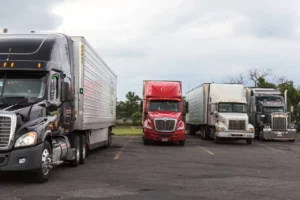
Owning a fleet requires significant investment in vehicles, maintenance, staffing, and technology. These expenses add up quickly, especially when demand fluctuates.
Benefits of Outsourcing Delivery Services
Outsourcing reduces overhead and allows businesses to scale operations without large capital investments. It also eliminates many hidden fleet management costs.
When Businesses Should Outsource
Outsourcing makes sense when:
- Delivery demand is inconsistent
- Operational costs are rising
- Efficiency is difficult to maintain
For example, businesses using Scheduled Delivery Augusta GA services can streamline operations without managing their own fleet, making reducing fleet costs more achievable.
How to Reduce Fleet Management Costs (Actionable Strategies)
Optimize Delivery Routes
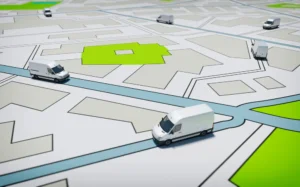
Efficient routing minimizes fuel usage and reduces delivery time, directly lowering fleet management costs.
Use Scheduled Deliveries for Efficiency
Planned deliveries improve consistency and reduce unnecessary trips. Businesses leveraging structured delivery schedules often see significant improvements in fleet cost mangement.
Implement Preventive Maintenance
Regular maintenance prevents costly breakdowns and extends vehicle lifespan.
Train Drivers for Better Performance
Driver behavior impacts fuel efficiency, safety, and overall costs. Proper training supports long-term savings.
Use Real-Time Tracking and Data Analytics
Technology helps identify inefficiencies, monitor performance, and optimize operations, making it easier to manage fleet management software cost-effectively.
You may also read this: Cold Chain Logistics Management
Real-World Example (Courier Industry Insight)
Consider two businesses:
One operates without structured planning. Routes are inconsistent, vehicles experience frequent downtime, and deliveries are often delayed. Their fleet management costs continue to rise due to inefficiencies.
The other business uses optimized routing, scheduled deliveries, and real-time tracking. Their operations are streamlined, fuel usage is controlled, and customer satisfaction is high.
The difference isn’t just operational, it’s financial. The second business achieves better results while actively reducing fleet costs.
Signs Your Fleet Is Costing You Too Much
- Increasing fuel expenses without growth in deliveries
- Frequent delays and missed schedules
- Rising maintenance and repair costs
- Customer complaints about service reliability
These signs indicate poor fleet cost mangement and highlight the need for immediate improvement.
Why Smart Businesses Are Moving Away from Fleet Ownership
Many businesses are rethinking traditional fleet ownership. Rising costs, operational complexity, and scalability challenges are pushing companies toward more flexible solutions.
Outsourcing allows businesses to:
- Reduce operational burden
- Scale deliveries based on demand
- Maintain predictable costs
This shift reflects a growing focus on efficiency and smarter resource allocation.
Conclusion
The Cost of Fleet Management is more complex than it appears. Beyond fuel and maintenance, hidden inefficiencies and operational gaps can significantly impact your bottom line. Businesses that take a comprehensive approach focusing on efficiency, planning, and smart resource use are better positioned to control expenses and improve performance.
At Bearcat Express, we understand the real challenges behind fleet operations and the importance of cost efficiency. If you’re looking to streamline your delivery process and reduce unnecessary expenses, contact us to explore smarter, more efficient solutions tailored to your business needs.
Frequently Asked Questions
What is the highest cost in fleet management?
Fuel is often the largest visible expense, but hidden inefficiencies like poor routing and downtime can significantly increase overall fleet management costs.
How can fleet costs be reduced?
Businesses can focus on route optimization, preventive maintenance, and technology to improve efficiency and reduce fleet costs.
What are hidden fleet costs?
Hidden costs include delays, customer loss, inefficient routing, and underutilized vehicles, all of which increase the Cost of Fleet Management over time.
Is outsourcing delivery cheaper than owning a fleet?
In many cases, outsourcing reduces overhead and eliminates hidden expenses, making it a cost-effective alternative to managing your own fleet.
How does fleet management software cost impact operations?
While there is an initial investment, effective use of technology improves efficiency, reduces waste, and helps control long-term fleet management costs.