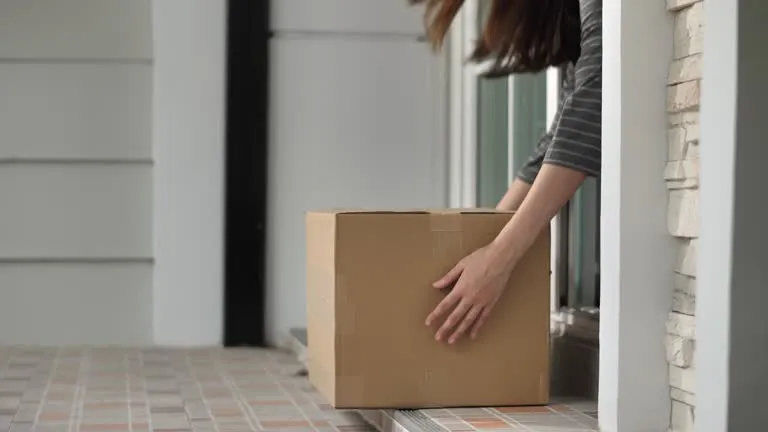
When ordering a new appliance, furniture, or high-value item, you often face two choices at checkout: in-home delivery or doorstep delivery. While the decision may seem simple, it can greatly affect cost, convenience, safety, and the overall experience. Understanding the Difference Between In Home Delivery and Doorstep Delivery helps prevent unexpected fees, delays, or handling issues. Many customers assume both services are the same, but they differ in key ways.
At Bearcat Express, we guide customers on timing, safety, and service options. This guide covers what inside delivery means, how doorstep delivery works, cost factors, and safety considerations.
What Is In-Home Delivery?
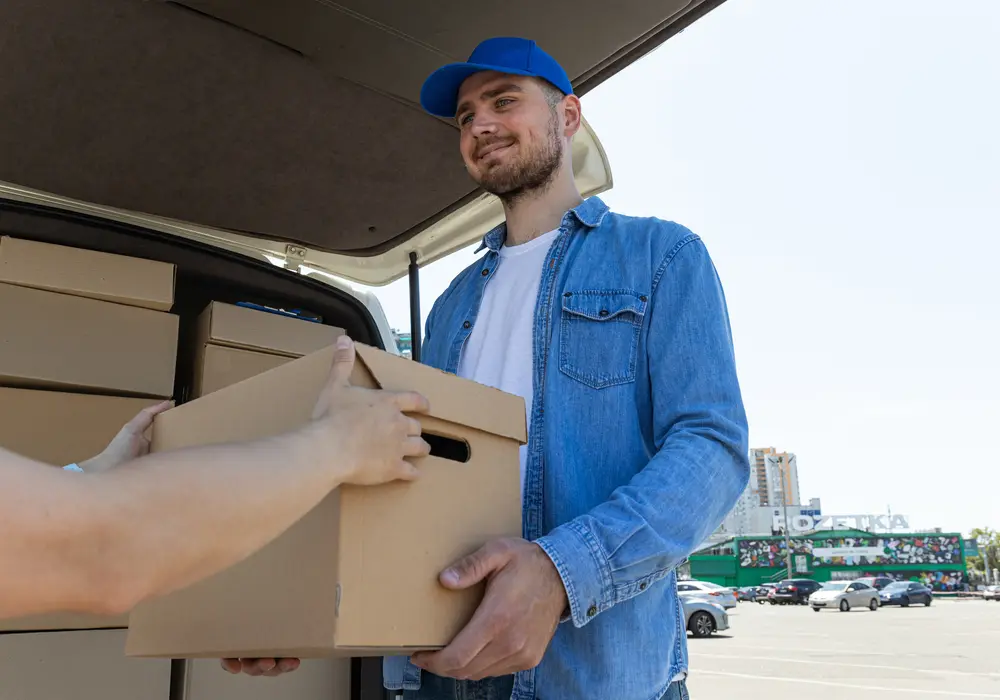
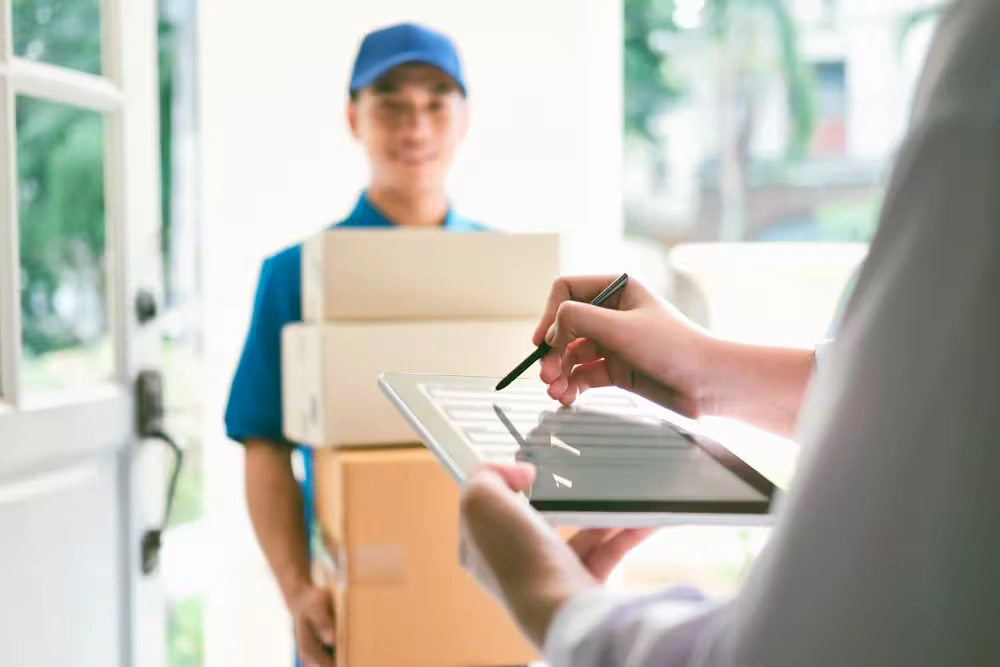
In-home delivery, often referred to as inside delivery, means the delivery team brings your item inside your residence or business, rather than leaving it outside.
If you’ve ever wondered what does inside delivery mean or searched for inside delivery meaning, the answer is straightforward: the carrier physically enters the property and places the shipment in a specified room. At Bearcat Express, we ensure each in-home delivery is handled carefully, providing professional placement and reliable service for every customer.
How In-Home Delivery Works (Step-by-Step)
- Delivery is scheduled within a specific time window.
- The team arrives and confirms access conditions.
- The item is carried inside to a designated room.
- Depending on the service level, unpacking or basic assembly may occur.
- Packaging debris may be removed.
Common Industries Using In-Home Delivery
- Furniture retailers
- Appliance companies
- Medical equipment suppliers
- Fitness equipment distributors
This type of delivery from a home setup is ideal for heavy, bulky, or high-value items that require placement rather than simple drop-off.
Main Features of In-Home Delivery
- Inside placement
- Room-of-choice delivery
- Unpacking
- Basic assembly
- Packaging removal
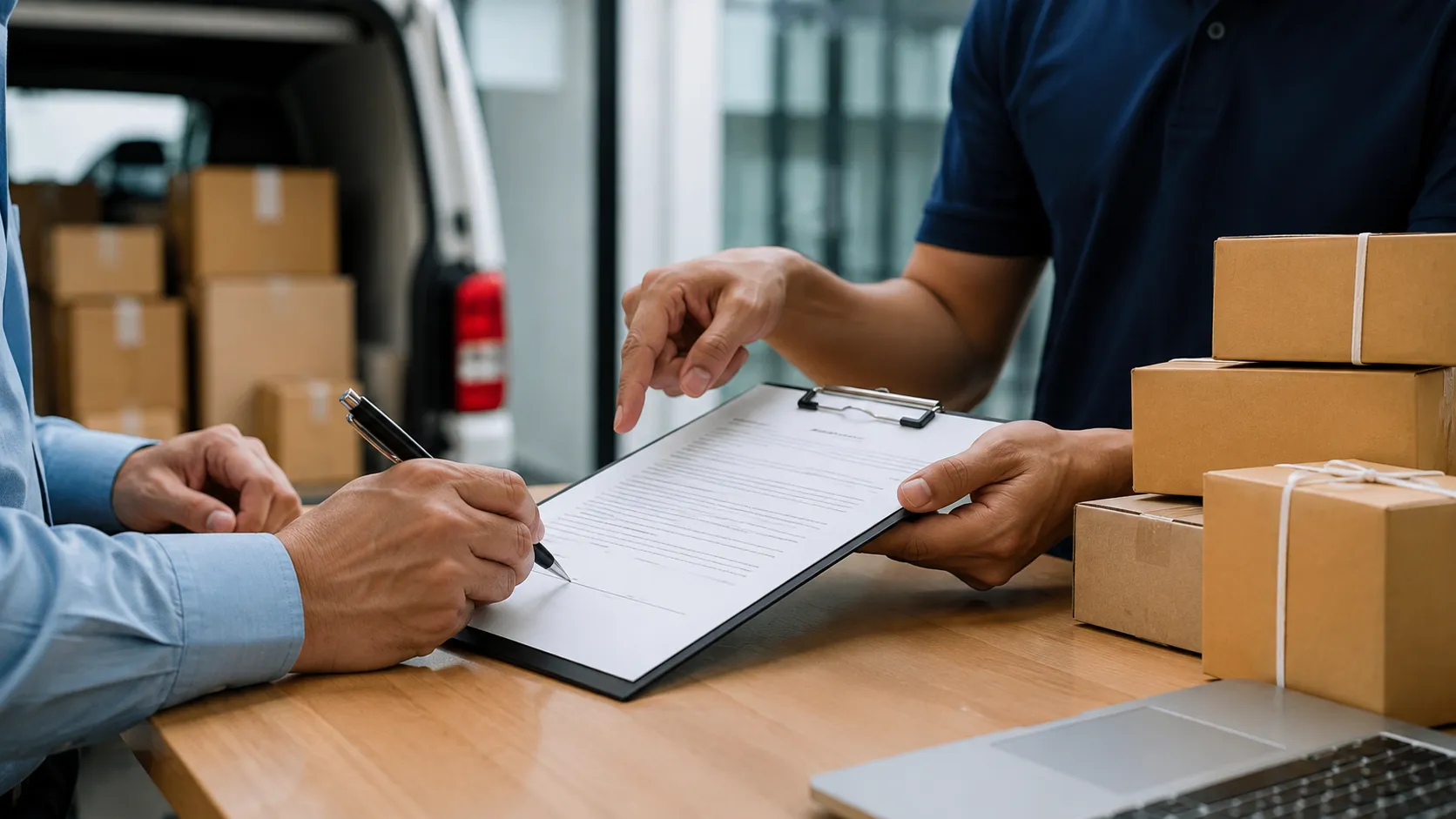
- Signature confirmation (if required)
When customers ask what is inside delivery, it’s essentially a premium logistics service designed to reduce physical strain and ensure professional handling.
What Does Doorstep Delivery Mean?
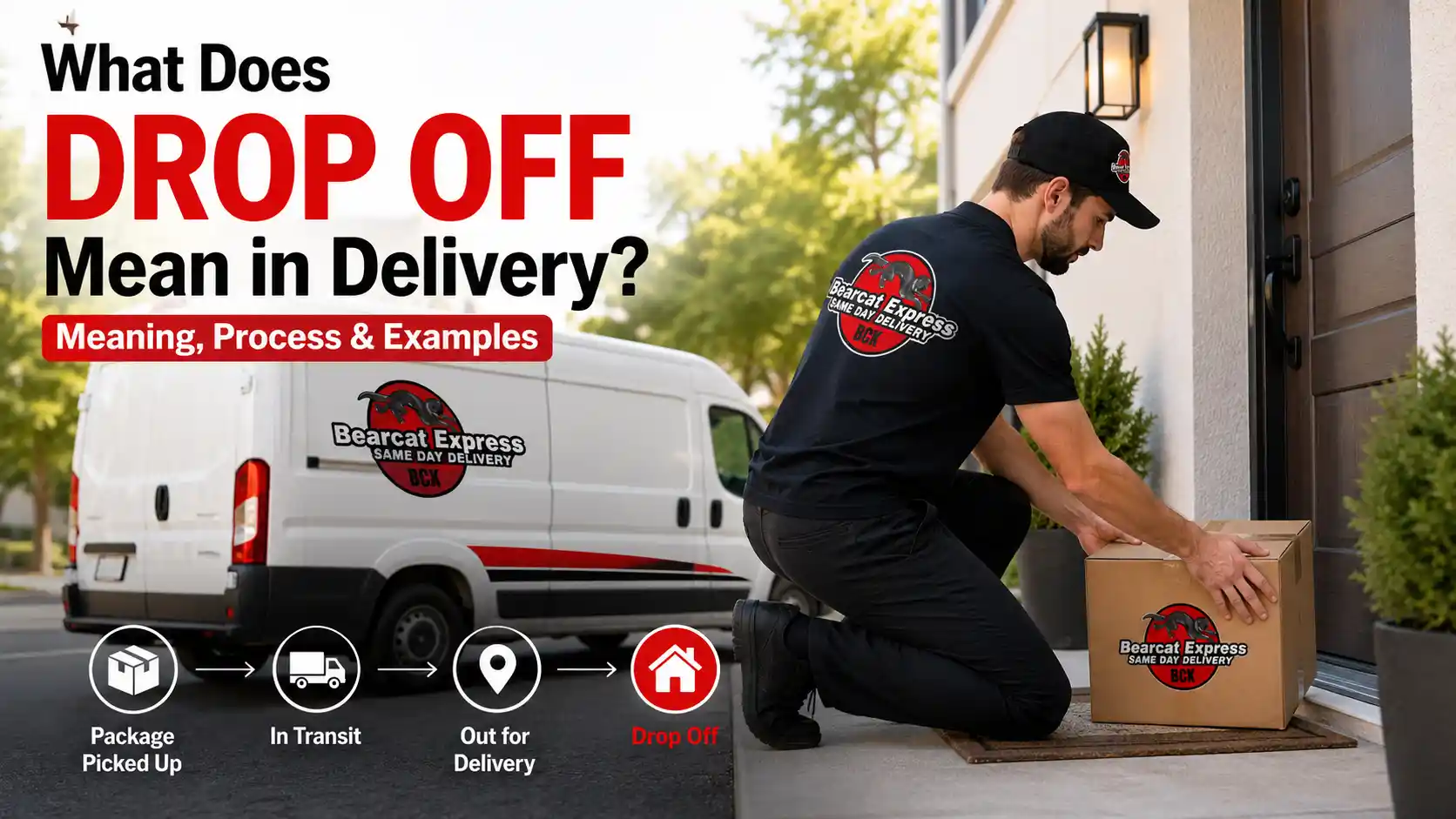
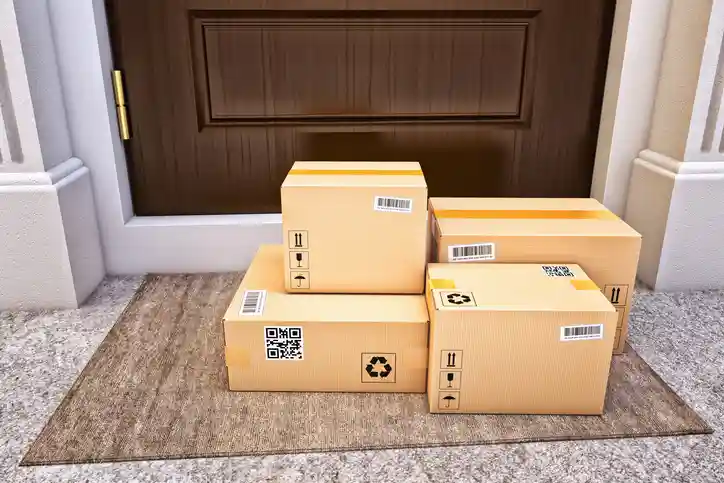
Doorstep delivery is the more common and streamlined option. The carrier delivers the package to the exterior entrance of the home or building.
Typical drop-off points include:
- Front door
- Porch
- Lobby
- Gate
- Garage entrance (if accessible)
In this model, once the package reaches the doorstep, responsibility generally transfers to the recipient.
What Doorstep Delivery Does NOT Include
- No entry inside the property
- No assembly or installation
- No packaging removal
- Limited post-drop-off liability
Doorstep delivery is widely used in e-commerce because it’s efficient, scalable, and cost-effective.
When comparing the Difference Between In Home Delivery and Doorstep Delivery, the physical entry point of the carrier is the core distinction.
Side-by-Side Comparison
| Feature | In-Home Delivery | Doorstep Delivery |
| Delivery Location | Inside the home | Outside the door |
| Setup Included | Usually included | Not included |
| Cost | Higher | Lower |
| Best For | Large/heavy items | Small/standard parcels |
| Time Required | Longer | Faster |
| Customer Presence | Often required | Sometimes optional |
This comparison highlights the operational and cost differences clearly.
Cost Differences
One of the most noticeable aspects of the Difference Between In-Home Delivery and Doorstep Delivery is pricing.
Why In-Home Delivery Costs More
- Additional labor (two-person teams)
- Liability coverage for entering property
- Equipment such as dollies and floor protection
- Scheduling coordination
- Risk mitigation procedures
In many markets, in-home delivery can cost 20–50% more than standard doorstep service, depending on weight and service complexity.
When Paying More Makes Sense
- Heavy appliances requiring installation
- Large furniture pieces
- Customers with mobility limitations
- Fragile, high-value equipment
For everyday parcels or time-sensitive shipments, doorstep delivery often provides better value.
You may also read: What is the Difference Between Service Fee and Delivery Fee?
Safety & Liability Considerations
Safety and accountability play a major role in choosing the right service.
Insurance & Coverage
Inside delivery generally carries higher insurance coverage because the carrier enters private property.
Signature Requirements
In-home delivery almost always requires a signature. Doorstep delivery may offer optional confirmation.
Risk of Theft
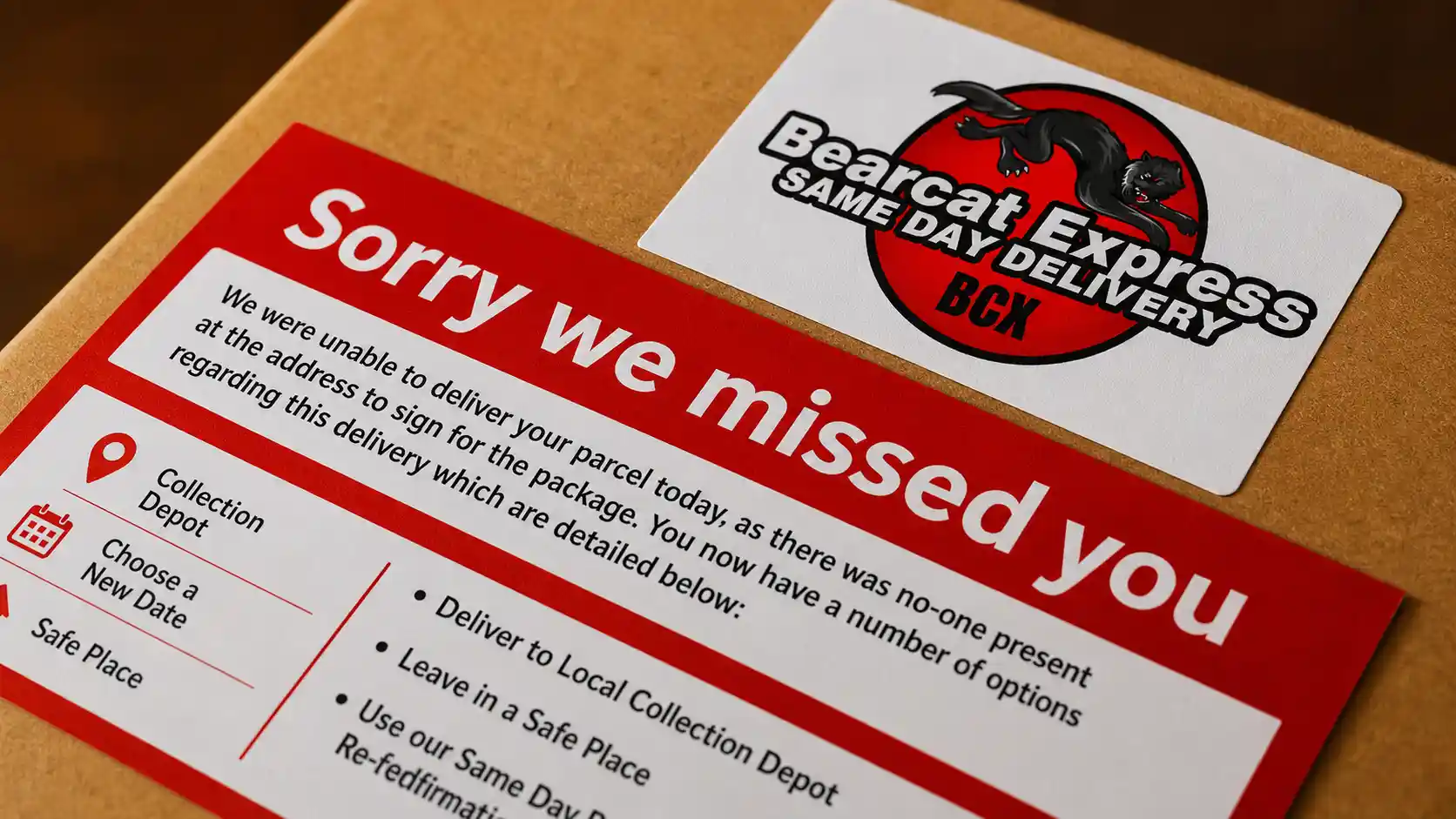
Packages left at the doorstep can be vulnerable to theft or weather exposure. This is a common concern in residential neighborhoods.
Contactless Delivery
Doorstep delivery supports contactless options easily, which became especially important during health-related restrictions.
Real-time tracking and confirmation processes help reduce uncertainty for both delivery models, providing full visibility from dispatch to completion.
Advantages of In-Home Delivery
- Maximum convenience
- Reduced lifting risk
- Professional placement
- Ideal for elderly or mobility-restricted customers
- Higher perceived service quality
If you’ve ever received a heavy refrigerator or sectional sofa, you understand why inside delivery matters.
Disadvantages of In-Home Delivery
- Higher cost
- Requires scheduling coordination
- Delivery windows may be broader
- Access restrictions may apply
Customers must ensure clear pathways and safe entry conditions.
Advantages of Doorstep Delivery
- Lower cost
- Faster turnaround
- Easier to scale for businesses
- Ideal for urgent shipments
For example, businesses in Augusta often rely on Same Day Delivery Service Augusta, GA to move time-sensitive products efficiently through doorstep delivery. This approach allows rapid dispatch without the operational complexity of interior placement.
Disadvantages of Doorstep Delivery
- Risk of theft
- No setup assistance
- Customer is responsible after drop-off
- Not ideal for large or heavy items
Understanding the inside delivery meaning compared to standard drop-off prevents unrealistic expectations.
How to Choose the Right Delivery Option
1. Consider Your Product Type
- Weight
- Size
- Fragility
- Assembly requirements
Large items almost always justify inside delivery.
2. Understand Your Target Audience
- Are they mobility-limited?
- Do they prioritize convenience?
- Is budget sensitivity a concern?
Businesses offering premium products often include inside delivery to enhance customer satisfaction.
3. Evaluate Operational Capability
If you’re a business owner:
- Do you have trained staff?
- Adequate insurance?
- Proper lifting equipment?
Not every courier provider supports in-home logistics.
4. Start Simple and Optimize
Many businesses begin with doorstep delivery and later add inside delivery as a premium upgrade option.
Impact on Businesses & Logistics
The Difference Between In-Home Delivery and Doorstep Delivery also influences:
- Customer satisfaction ratings
- Return rates
- Damage claims
- Operational margins
Retailers selling high-ticket items typically integrate in-home delivery to improve brand perception. Meanwhile, companies focused on volume and speed often prioritize doorstep delivery.
Local courier providers, such as Bearcat Express, help businesses strike a balance between speed, safety, and cost by offering flexible delivery solutions tailored to their operational needs.
Choosing the correct service isn’t just about logistics; it affects your overall customer experience strategy.
Conclusion
The Difference Between In Home Delivery and Doorstep Delivery ultimately comes down to access, cost, convenience, and service level.
- Choose in-home delivery for heavy or high-value items.
- Choose doorstep delivery for speed and affordability.
- Evaluate your needs realistically before selecting an option.
Making the right decision prevents confusion and ensures a smoother delivery experience.
If you’re unsure which service fits your situation, contact us at Bearcat Express. Our team can help you determine the safest, most efficient delivery option based on your product, timeline, and budget.
Frequently Asked Questions
Is in-home delivery worth the extra cost?
For heavy, fragile, or complex items, yes. It reduces risk, prevents injury, and ensures correct placement.
Does doorstep delivery require a signature?
Not always. Some services offer optional signature confirmation, but many operate as contactless delivery.
Can I upgrade from doorstep delivery to inside delivery?
In many cases, yes, if requested in advance. Upgrading may involve additional fees and scheduling coordination.
Which option is faster?
Doorstep delivery is generally faster because it requires less coordination and handling time.
What does inside delivery mean in simple terms?
Inside delivery means the carrier brings the item inside your property rather than leaving it outside. It may include placement, unpacking, or basic setup.