
Every time a customer clicks “Buy Now,” a complex chain of actions starts behind the scenes. This process determines whether the customer receives the right product, on time, and in good conditionor leaves dissatisfied. Understanding what is order fulfillment? is essential for any business selling physical products, as it directly impacts customer satisfaction, operating costs, and long-term growth.
Order fulfillment covers everything from receiving and processing orders to packing, shipping, and delivery. For local and regional businesses, including logistics providers like Bearcat Express, efficient fulfillment is more than an operational task; it is a competitive advantage. Today’s customers expect speed, accuracy, and real-time updates, making reliable fulfillment processing critical to success.
What Is Order Fulfillment?
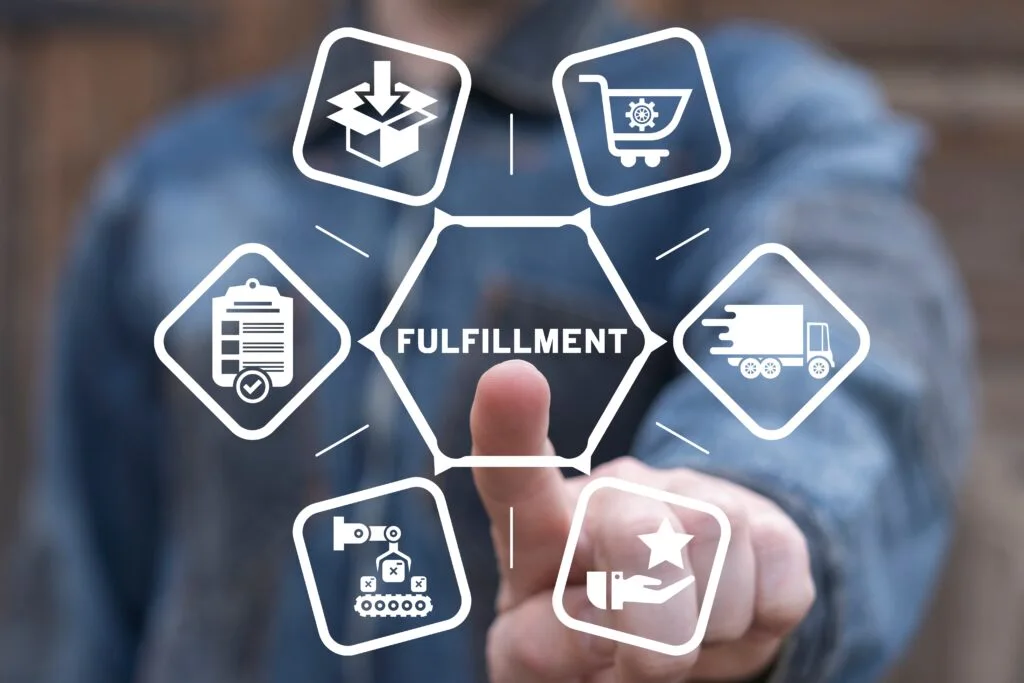
Order fulfillment is the end-to-end fulfillment business process that starts when a customer places an order and ends when that order is successfully delivered or returned if needed. It includes inventory handling, order processing, transportation, and post-delivery support.
A fulfilled order means more than just shipping a product. It means:
- The correct item was selected
- It was packed securely
- It was delivered within the promised timeframe
- The customer received accurate tracking and communication
When done well, order fulfillment builds trust. When done poorly, it leads to delays, errors, and lost revenue.
Why Is It Important?
Order fulfillment directly impacts:
- Customer experience: Speed and accuracy influence repeat purchases.
- Operational efficiency: Streamlined fulfilment processing reduces costs.
- Brand reputation: Reliable delivery strengthens credibility.
- Scalability: A solid fulfillment business process allows growth without chaos.
In competitive markets, businesses that master order fulfillment often outperform those with better products but weaker logistics.
The 6 Steps of Order Fulfillment
A successful order fulfilment process follows a structured flow. Each step must work smoothly with the next to ensure every fulfilled order meets expectations.
Receiving
This step involves accepting inventory from suppliers or manufacturers. Products are checked for quantity, quality, and accuracy before being entered into the system. Errors at this stage can affect the entire fulfillment business process.
Storing Inventory / Inventory Management
Once received, products are stored in an organized manner. Proper inventory management ensures items are easy to locate, reduces picking errors, and prevents stockouts or overstocking, both common order fulfillment challenges.
Order Processing
Order processing begins the moment a customer places an order. Payment is confirmed, order details are verified, and instructions are sent to the warehouse or fulfillment team. Efficient fulfilment processing at this stage prevents delays later.
Item Picking and Packing
Warehouse staff select the correct items (picking) and prepare them for shipment (packing). Accurate picking and secure packing are essential for creating a truly fulfilled order that arrives undamaged and complete.
Delivery of Products
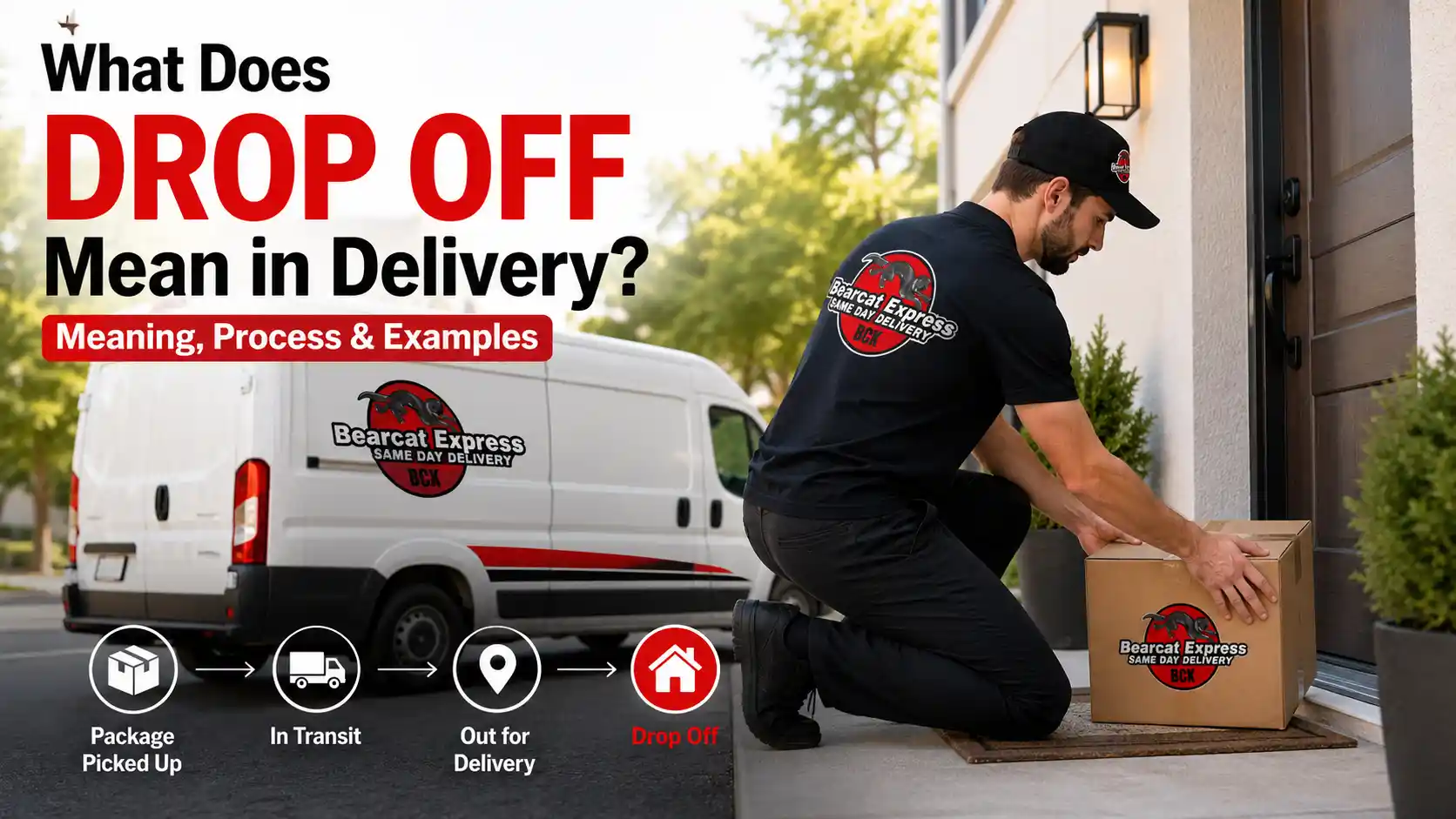
This is where logistics partners play a critical role. Timely delivery, route optimization, and communication with the customer define this stage. For local businesses, options like Same Day Delivery Service Augusta, GA can significantly enhance customer satisfaction and conversion rates.
Managing Returns and Refunds
Not every order ends with delivery. A flexible return and refund process is part of a mature fulfillment business process. Clear policies and fast handling protect customer trust even when issues arise.
What Are the Types of Order Fulfillment?
Different businesses require different fulfillment models. Choosing the right one depends on order volume, location, and operational capacity.
In-House Fulfillment
The business handles all fulfillment internally. This provides control but requires investment in space, staff, and systems. It works well for smaller operations with predictable order volumes.
Third-Party Fulfillment / Outsourced
Businesses outsource fulfillment processing to a third-party provider. This model reduces overhead and allows scalability. Many companies choose this option to focus on sales and marketing rather than logistics.
Dropshipping
In dropshipping, the seller does not hold inventory. Orders are sent directly to suppliers who ship to customers. While low-risk, it offers limited control over delivery speed and fulfilled order quality.
Hybrid Fulfillment
A combination of in-house and outsourced fulfillment. Businesses may handle local orders internally while outsourcing regional or high-volume shipments. This approach offers flexibility within the order fulfilment process.
Challenges Businesses Face with Order Fulfillment Processes
Even well-established companies face obstacles in fulfillment.
Capacity
Limited warehouse space or staff can slow fulfilment processing during peak periods, leading to delays and errors.
Choosing Which Type of Fulfillment to Use
Selecting the wrong fulfillment model can increase costs or reduce service quality. Businesses must align their fulfillment business process with growth goals.
Delivery Tracking
Customers expect transparency. Without proper tracking, even a fulfilled order can feel unreliable to the buyer.
Managing Customers and Returns
Handling customer inquiries and returns efficiently requires coordination between customer service and fulfillment teams.
Inventory Management
Poor inventory visibility leads to overselling, stockouts, and inaccurate fulfilled order status updates.
Logistics Planning
Route planning, delivery scheduling, and last-mile coordination are critical, especially for same-day or time-sensitive deliveries.
Tips for a Successful Order Fulfillment Process
Improving fulfillment does not always require a massive investment; often, it requires smarter systems and planning.
Automate
Automation reduces human error and speeds up fulfilment processing. Automated order routing and inventory updates improve consistency.
Use Tech Solutions to Track Order Fulfillment
Real-time tracking systems provide visibility across the entire fulfillment business process, from warehouse to doorstep.
Create a Strategy That Accounts for the Unexpected
Delays, weather issues, and demand spikes happen. A resilient order fulfilment process includes backup plans and flexible delivery options.
Metrics for Measuring Order Fulfillment Performance
Measuring performance helps identify weaknesses and improvement opportunities.
Order Cycle Time
The time taken from order placement to delivery. Shorter cycles indicate efficient fulfilment processing.
Order Accuracy Rate
The percentage of orders delivered without errors. High accuracy reflects a reliable, fulfilled order system.
Order Fill Rate
Measures how often orders are shipped in full without backorders. This metric highlights inventory management effectiveness.
Return Rate
A high return rate may signal issues with picking, packing, or product descriptions within the fulfillment business process.
Order Fulfillment Visibility with Bearcat Express
Modern businesses need more than delivery; they need visibility. Real-time updates, proof of delivery, and clear communication turn order fulfillment into a true customer experience advantage. With localized logistics expertise, Bearcat Express provides businesses with full visibility into their fulfilment processing from pickup to final delivery. Through reliable routing, real-time tracking, and options such as same-day delivery, Bearcat Express helps businesses maintain control over their orders while consistently meeting customer expectations for speed, accuracy, and transparency.
Conclusion
Understanding what is order fulfillment is critical for any business that wants to scale sustainably and meet modern customer expectations. From receiving inventory to managing returns, every step in the order fulfilment process plays a role in delivering a positive customer experience. By choosing the right fulfillment model, tracking performance metrics, and relying on dependable logistics support, businesses can turn fulfillment from a cost center into a strategic advantage. If your business needs faster, more reliable delivery with full visibility, contact us to learn how Bearcat Express can help ensure every fulfilled order reflects professionalism and trust.
FAQs
What is order fulfillment in simple terms?
Order fulfillment is the process of receiving an order, preparing it, and delivering it to the customer. A fulfilled order means the correct product arrives on time and as promised.
How does the order fulfilment process affect customer satisfaction?
Fast and accurate fulfilment processing builds trust and encourages repeat business. Delays or errors in the fulfillment business process often lead to negative reviews.
What is a fulfilled order?
A fulfilled order has been correctly picked, packed, shipped, and delivered to the customer according to expectations.
Can small businesses improve order fulfillment without outsourcing?
Yes. By automating systems, improving inventory management, and refining fulfilment processing, small businesses can significantly improve their order fulfilment process.
Why is delivery tracking important in order fulfillment?
Tracking provides transparency and reassurance. It ensures customers know where their fulfilled order is at every stage of the process.