In today’s fast-paced business environment, efficient logistics can make or break a company’s competitive edge. Many companies increasingly turn to Third-Party Logistics (3PL) providers to streamline operations, reduce costs, and improve customer satisfaction. For businesses like Bearcat Express, leveraging 3PL solutions can enhance operational efficiency without the burden of managing a full-scale logistics infrastructure in-house.
This article explores the advantages and disadvantages of 3PL, helping business leaders understand whether partnering with a 3PL provider aligns with their operational goals and growth strategies.
What is Third-Party Logistics (3PL)?

Third-Party Logistics (3PL) refers to outsourcing logistics operations—such as warehousing, transportation, and fulfillment to an external provider. Unlike traditional in-house logistics, 3PL providers assume responsibility for key parts of the supply chain, allowing businesses to focus on their core competencies.
How 3PL Differs from 1PL, 2PL, and 4PL
Understanding 3PL’s place in the logistics ecosystem is essential:
- 1PL (First-Party Logistics): The company handles all logistics internally, including shipping and warehousing.
- 2PL (Second-Party Logistics): Transportation-focused service providers, such as carriers and freight companies, manage the movement of goods.
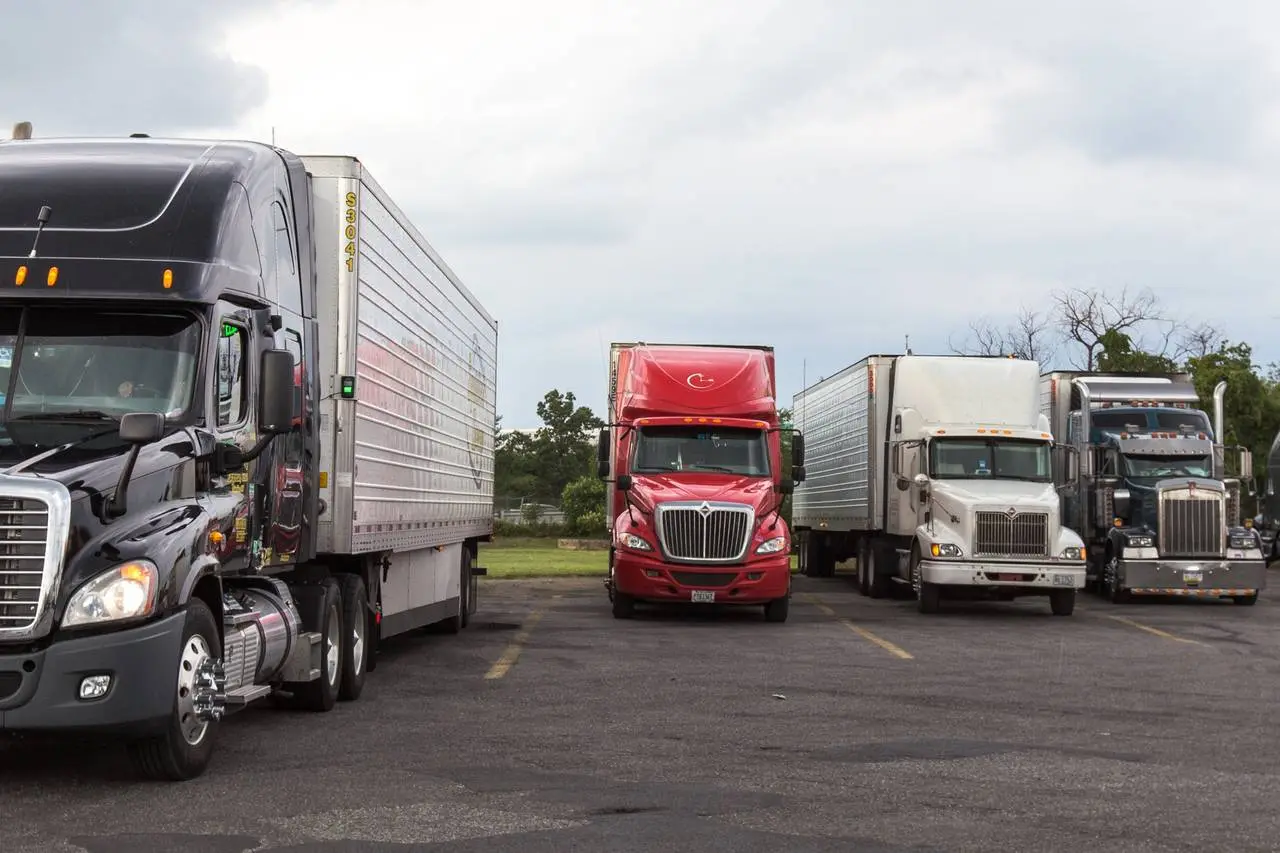
- 3PL (Third-Party Logistics): Providers manage multiple logistics functions, including transportation, warehousing, inventory management, and sometimes technology solutions.
- 4PL (Fourth-Party Logistics): A strategic partner managing the entire supply chain, often overseeing multiple 3PL providers.
Why Businesses Use 3PL Solutions
Businesses adopt 3PL solutions for several reasons:
- To reduce operational complexity and overhead costs.
- To gain access to advanced logistics technologies without heavy investment.
- To scale operations efficiently during peak seasons.
- To improve delivery speed and reliability, enhancing customer satisfaction.
For example, companies utilizing Same-Day Delivery Services in Augusta, GA, often integrate 3PL providers to manage time-sensitive shipments seamlessly, improving both efficiency and customer experience.
Key Advantages of Third-Party Logistics (3PL)
Partnering with a 3PL provider offers several benefits of third party logistics that can positively impact a company’s bottom line and operational efficiency.
Expertise and Industry Specialization
3PL providers bring specialized knowledge in transportation, warehousing, and regulatory compliance. Their expertise ensures:
- Optimized shipping routes and reduced transit times.
- Compliance with regional, national, and international regulations.
- Professional handling of complex or high-value products.
This specialization allows businesses to leverage industry best practices without developing in-house expertise, a critical advantage for companies like Bearcat Express.
Cost Savings and Resource Optimization
Outsourcing logistics can significantly reduce costs:
- Avoids capital investment in warehouses, vehicles, and technology.
- Reduces labor costs associated with hiring and training logistics personnel.
- Leverages economies of scale, as 3PL providers serve multiple clients.
By optimizing resources, businesses can redirect capital toward growth initiatives rather than operational maintenance.
Flexibility and Scalability for Growing Businesses
Benefits of using 3PL include scalable solutions:
- Easily adjust capacity during peak seasons.
- Expand into new regions without investing in local infrastructure.
- Adapt service offerings to meet changing market demands.
This flexibility is invaluable for businesses with fluctuating delivery volumes or rapid growth trajectories.
Faster Time-to-Market and Operational Efficiency
Partnering with a 3PL allows companies to:
- Accelerate order fulfillment through streamlined warehousing and transportation.
- Reduce delays in shipping by leveraging the provider’s network.
- Improve overall operational efficiency by offloading logistics management.
For businesses focused on customer satisfaction, these advantages translate into faster delivery times and enhanced reliability.
Access to Latest Technology Without In-House Investment
Modern 3PL providers offer advanced technology solutions:
- Warehouse management systems (WMS) for real-time inventory control.
- Transportation management systems (TMS) for optimized routing.
- Tracking and reporting tools to improve supply chain visibility.
These tools provide operational insights that would otherwise require significant in-house investment.
Improved Customer Satisfaction Through Reliable Delivery
3PL providers enhance customer experiences by:
- Ensuring timely and accurate deliveries.
- Offering flexible delivery options, including same-day or scheduled deliveries.
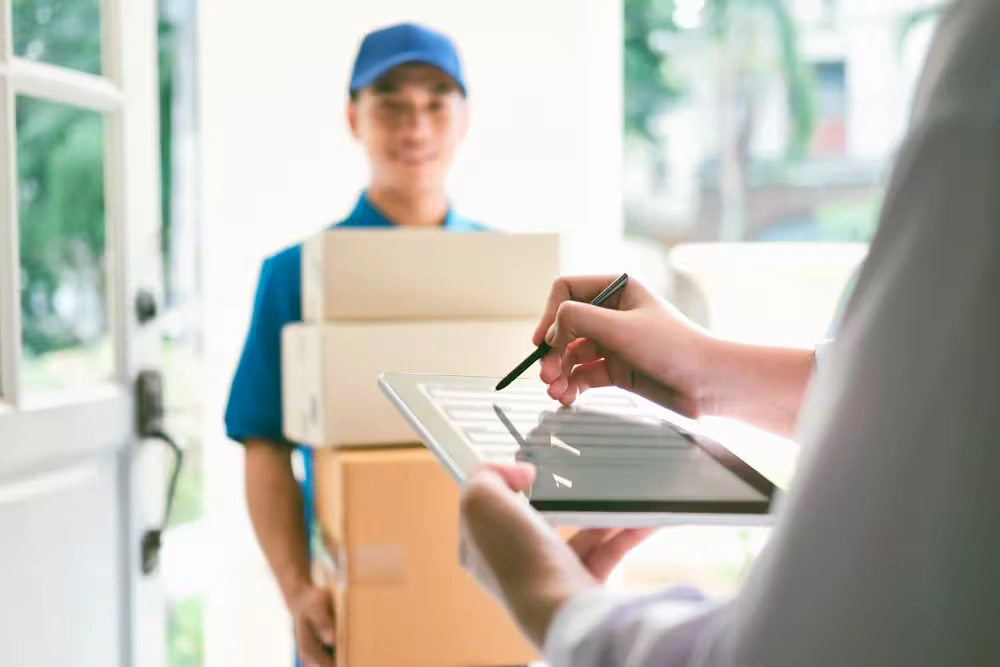
- Providing real-time tracking and proof of delivery.
Reliable logistics operations directly contribute to repeat business and long-term customer loyalty.
Strategic Partnerships and Better Carrier Negotiations
3PL providers have established relationships with carriers and suppliers:
- Benefit from negotiated shipping rates and volume discounts.
- Optimize carrier selection based on cost, speed, and reliability.
- Facilitate smoother coordination across multiple transportation channels.
These partnerships strengthen the supply chain while reducing overall operational costs.
Disadvantages of Third-Party Logistics (3PL)
Despite the benefits, 3PL partnerships come with potential drawbacks that businesses must consider.
Loss of Direct Control
Outsourcing logistics means handing over operational control:
- Less oversight of day-to-day logistics decisions.
- Reliance on the provider’s processes and systems.
- Potential for delays or errors outside the business’s immediate control.
Risk of Over-Dependence on External Partners
Relying heavily on a 3PL provider can create dependency:
- Difficulty switching providers without disrupting operations.
- Vulnerability to service disruptions if the provider faces challenges.
- Reduced internal logistics expertise over time.
Hidden Costs and Fees
Some 3PL contracts include additional charges:
- Fees for storage, handling, or peak season surcharges.
- Costs associated with specialized services or last-minute changes.
- Potential for price escalation over time.
Integration and Customization Limitations
Integrating 3PL systems with a company’s internal operations can be challenging:
- Technology incompatibility may reduce efficiency.
- Customization options may be limited, especially for niche business requirements.
- Data sharing and visibility can sometimes be restricted.
How to Choose the Right 3PL Partner
Selecting the ideal 3PL provider is critical for achieving operational and strategic goals.
Key Criteria for Selecting a 3PL Provider
Consider the following:
- Industry expertise and experience with similar businesses.
- Technology capabilities for inventory, tracking, and reporting.
- Transparent pricing structure with no hidden fees.
- Scalability to support growth and seasonal fluctuations.
- Strong customer service and support infrastructure.
Red Flags to Avoid in a 3PL Partnership
Be wary of providers that:
- Lack of transparency in pricing or service level agreements.
- Have inconsistent delivery performance or poor references.
- Offer limited technology solutions or outdated systems.
- Do not align with your business’s long-term goals or values.
Real-World Example: How Local Courier Services Enhance 3PL Efficiency
Local courier services, such as Bearcat Express, demonstrate how integrating 3PL solutions can improve operational performance.
Scheduled and Same-Day Delivery Integration
By combining scheduled and same-day delivery services with 3PL networks:
- Businesses can meet tight delivery windows.
- Customers receive faster, more reliable service.
- Operational burden on in-house staff is reduced.
Real-Time Tracking and Proof of Delivery
Local providers offer:
- Real-time updates to customers and businesses.
- Digital proof of delivery, enhancing accountability.
- Streamlined communication for problem resolution.
Reducing Operational Burden Through Local Expertise
Local expertise ensures:
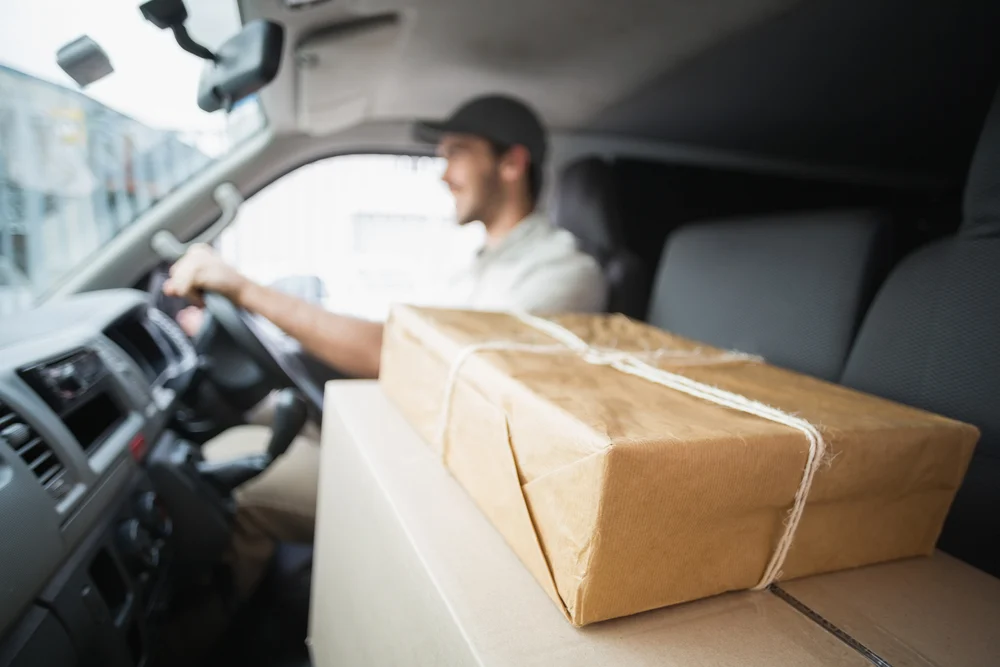
- Efficient last-mile delivery with optimized routes.
- Awareness of regional regulations and road conditions.
- Personalized service that strengthens customer relationships.
For businesses leveraging Same-Day Delivery Services in Augusta, GA, integrating local 3PL solutions with national logistics networks ensures efficiency, reliability, and customer satisfaction.
Conclusion
Deciding whether to partner with a Third-Party Logistics (3PL) provider requires weighing the operational benefits against potential drawbacks. Businesses that prioritize scalability, expertise, and cost savings often find 3pl benefits transformative, while those requiring tight control over logistics may need a hybrid approach. By carefully selecting a trusted provider and leveraging both local and national networks, companies like Bearcat Express help businesses optimize supply chains, improve delivery performance, and enhance customer satisfaction.
If you’re ready to explore how 3PL solutions can streamline your logistics and boost efficiency, contact us today to learn how we can support your business.
FAQs
-
- What is 3rd party logistics (3PL)?
3PL refers to outsourcing logistics functions, such as warehousing, transportation, and order fulfillment, to an external provider. This approach allows businesses to focus on their core operations while leveraging specialized expertise. - What are the benefits of using 3PL?
Benefits of using 3PL include cost savings, access to advanced technology, faster time-to-market, and improved customer satisfaction. Companies also gain flexibility to scale operations during peak seasons. - How does 3PL improve delivery efficiency?
3PL providers optimize routes, manage inventory, and integrate advanced tracking systems, enabling reliable and timely deliveries. - Are there any disadvantages of 3PL?
Disadvantages include loss of direct control, dependency on external partners, potential hidden fees, and limited customization options. Businesses should evaluate providers carefully before committing. - How can I choose the right 3PL partner?
Select a 3PL provider based on industry expertise, technology capabilities, transparent pricing, scalability, and customer service. Avoid providers with inconsistent performance or limited integration options.
- What is 3rd party logistics (3PL)?