You check your tracking page expecting good news, and instead your package has moved backward to a regional facility instead of forward to your door. It is a strange thing to see, and it is one of the most common questions people ask a courier team. If you are wondering why your package goes back to the regional facility, the short version is this: it almost always means the shipment needs another round of sorting or correction, not that something has gone seriously wrong.
At Bearcat Express, our dispatch team fields this exact question on a regular basis, so we put together a complete breakdown of what is actually happening behind the scenes.
Quick Answer
Most packages return to a regional facility for one of six reasons: an address problem, a missed delivery attempt, a sorting or scanning error, a route adjustment, a driver running out of available delivery hours, or a weather and operational disruption. None of these mean your package is lost. Regional facilities exist specifically to catch and correct these issues before a shipment reaches the wrong address or gets stuck somewhere along its route.
Key Takeaways
- A single return to a regional facility is routine and usually resolves within 24 to 72 hours.
- The most common trigger is an address mismatch caught by automated sorting equipment.
- Repeated returns to the same facility, sometimes called package looping, usually point to an unresolved issue that needs a human to clear it.
- Peak shipping periods add processing time even when nothing about your specific package is wrong.
- A local courier network typically resolves a regional facility delay faster than a national carrier because it has fewer handoff points.
What Is a Regional Facility in Shipping?
Definition of a Regional Facility
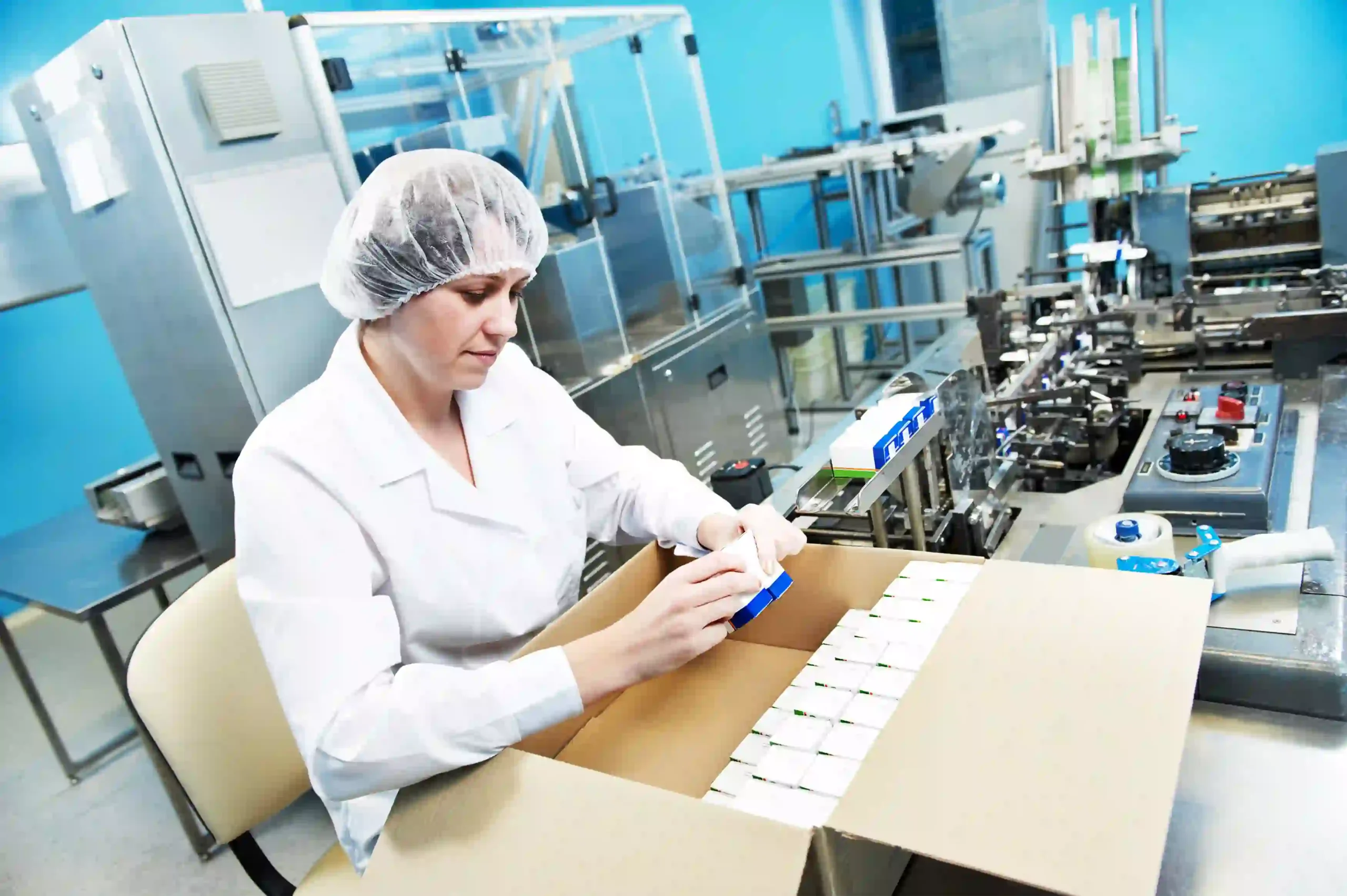
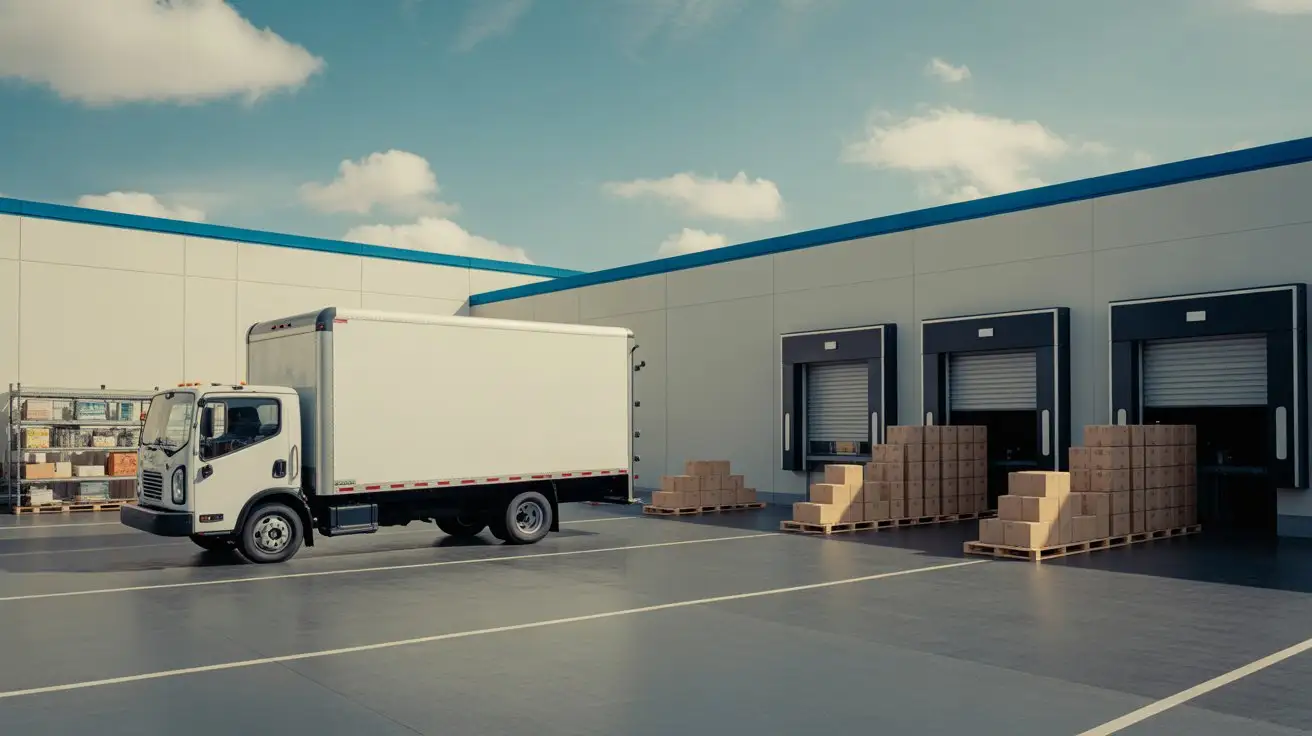
A regional facility is a large sorting and distribution hub that handles packages for an entire geographic area rather than a single neighborhood. Instead of delivering packages directly, these hubs receive shipments from smaller local depots, sort them by destination, and send them back out on the correct route. It functions more like a traffic control center for parcels than an actual delivery stop.
Role in the Package Delivery Process
Almost every shipment that travels any real distance passes through at least one regional facility, sometimes more than one. This is where volume gets consolidated, routes get assigned, and errors get caught before they turn into a missed delivery. Without this checkpoint, local delivery teams would receive unsorted packages with no efficient way to organize a day’s route.
Regional Facility vs. Local Delivery Hub
A local delivery hub is the final stop before a package goes onto a driver’s vehicle for delivery. A regional facility sits earlier in the chain and covers a much wider service area. When tracking shows a shipment heading back to a regional facility instead of forward to a local hub, it usually means the system decided the package needed one more pass through sorting before it could safely continue.
How the Package Routing System Works
Step-by-Step Journey of a Package
A typical shipment moves through pickup, an origin scan, transport to a regional facility, sorting, transport to a local hub, and finally the delivery vehicle. Each stage includes a scan that updates the tracking status. When a package appears to jump backward in this sequence, it usually reflects a correction rather than a random error.
Why Packages Move Between Facilities
Courier networks are built around efficiency. Packages get grouped with others heading in the same direction to cut down on wasted miles and fuel. If a batch gets reorganized, mislabeled, or delayed at any point, an individual package can get pulled and routed back through a regional facility so it lands in the correct group for its next leg of travel.
Where the Delay Usually Happens
Most delays happen at handoff points rather than during actual transit. A package that appears to sit still for hours is often waiting for its next batch to be assembled, not sitting forgotten somewhere. Operations teams work in waves tied to truck and route schedules, so a short gap between tracking updates is normal and expected.
Tracking Status Decoder: What Each Scan Actually Means
Tracking pages use specific wording, and knowing what each one means removes a lot of unnecessary worry.
| Tracking Status | Plain Meaning | Should You Worry? | What Happens Next |
| Arrived at Regional Facility | Package was scanned into the hub and is being grouped for its next route | No, this is routine | It gets sorted and moved to an outbound batch |
| Departed Regional Facility | Sorting is complete, and the package is on its way to the next stop | No, this is a positive update | Expect the next scan at a local hub |
| In Transit to Next Facility | Package is moving between stops and has not been scanned yet at this stage | No, unless it lasts several days | A new scan should appear once it reaches the next hub |
| Delivery Exception | Delivery could not be completed as planned | Only if it repeats | The courier reschedules or investigates the cause |
| Mis-sent or Rerouted | Package was placed on the wrong route and is being corrected | No, unless it happens more than once | It gets rescanned and reassigned to the correct route |
Top Reasons Your Package Went Back to the Regional Facility
Knowing the specific trigger behind a shipment’s return can save a phone call. Here are the most common causes seen across a regional delivery network.
Incorrect or Incomplete Address
A missing apartment number, a transposed digit, or an unreadable label can all trigger a return for correction. Automated sorting systems flag anything that does not match a verified address format, and the package gets pulled for manual review before continuing.
Failed Delivery Attempt
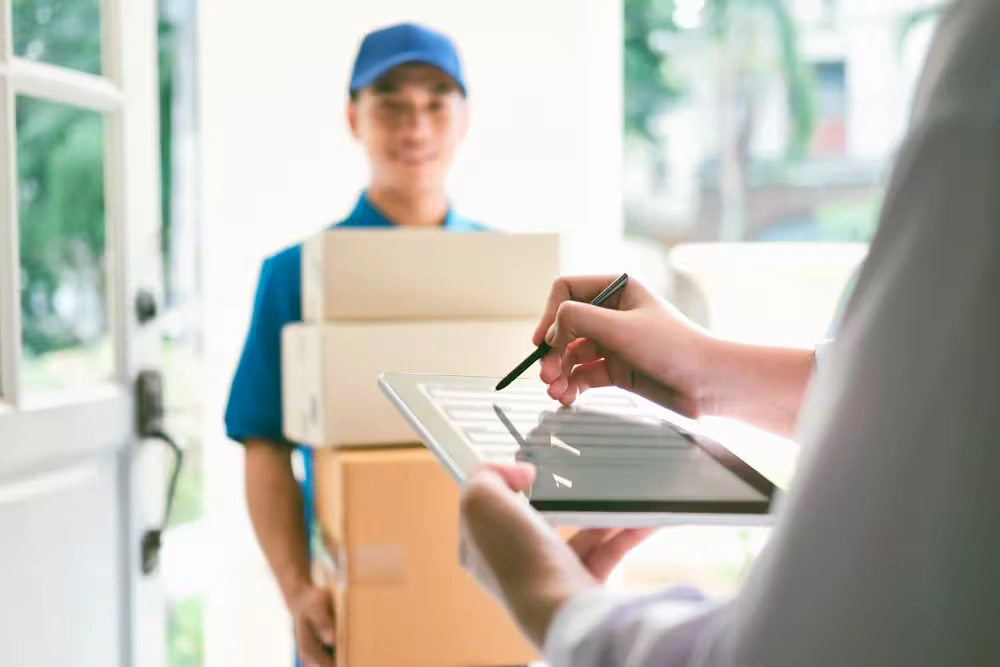
If a driver cannot safely leave a package, whether that is a locked gate, no secure drop spot, or a signature requirement with nobody home, the shipment often goes back to the facility instead of sitting exposed at the address. This protects the package until a new attempt can be arranged.
Sorting or Scanning Error
Mechanical sorters and manual handlers occasionally place a package on the wrong route. Once the error is caught, either by a mismatched scan or a driver noticing an out-of-area label, the package gets redirected back through the regional facility to correct the routing.
Delivery Route Optimization
Sometimes a package is pulled simply because the system found a more efficient route grouping. This is common during high-volume periods, when routes get rebalanced daily to keep delivery windows accurate for everyone on that route.
Driver Ran Out of Delivery Hours
Delivery drivers work within set daily hour limits for safety and compliance reasons. If a driver reaches that limit before finishing a route, any remaining packages return to the facility and get reassigned to the next available route rather than sitting on a parked vehicle overnight.
Weather or Operational Disruptions
Severe weather, road closures, or equipment issues at a local hub can force a temporary reroute back through a regional facility. This keeps the package safe and on a working route instead of stuck at a location that cannot currently process outbound deliveries.
Is My Package “Looping”? When One Return Becomes a Pattern
When It’s Normal
A single return with a clear reason, followed by movement again within a day or two, is standard operational behavior. Courier networks process enormous volumes daily, and a certain percentage of packages will always need a second pass through sorting.
What Package Looping Actually Means
Package looping happens when a shipment bounces between the same two facilities more than once, usually because of a damaged barcode, a duplicate label, or a system flag that never got manually cleared. It looks alarming on a tracking page, but it almost always traces back to one specific, fixable cause rather than the package being misplaced.
When It Becomes a Concern
If a package returns to the same facility more than once, or tracking stalls for several days with no new scan, it is worth reaching out to support. Repeated loops usually point to an unresolved address issue or a system flag that needs a person to clear it manually rather than letting automation resolve it.
What Happens After a Package Returns to the Regional Facility?
Once back at the facility, the package is rescanned, its label information is verified, and it is reassigned to the correct outbound route. This process is largely automated but can include a manual check if the original issue was address-related. For failed delivery attempts, most networks schedule a new delivery try within one to two business days, and some also offer the option to redirect the package to a pickup point instead.
How Long Does a Package Stay at a Regional Facility?
In most cases, a package clears reprocessing within 24 to 48 hours. Address corrections and simple rerouting resolve quickly because they are largely automated. Issues that need manual review, such as a damaged label or a delivery exception, can take a bit longer, typically up to three to four business days under normal conditions. During peak shipping periods, such as major holidays or high-volume sales events, that window can stretch out further simply because facilities are processing a much larger volume of packages with the same equipment and staffing.
Should You Contact Support? A Quick Decision Checklist
Reach out to courier support if any of the following apply:
- The tracking status has not changed in more than three business days.
- Your package has returned to the same facility two or more times.
- The estimated delivery date has disappeared from your tracking page and has not come back.
- The contents are time-sensitive, valuable, or part of a scheduled business delivery.
If none of these apply and your last update was within the past one to two days, it is usually fine to wait, since a short gap between scans is normal for how batch processing works.
How to Prevent Your Package From Going Back Again
Confirm your shipping address before checkout, include a unit or suite number whenever it applies, and provide clear delivery instructions if your location has gate codes or specific drop-off preferences. For time-sensitive shipments, choosing a service with a scheduled delivery window reduces the chance of a missed attempt turning into a facility return in the first place.
How a Local Courier Minimizes Regional Facility Delays
Bearcat Express operates on a much smaller network than a national carrier, which means packages typically pass through far fewer handoffs between pickup and delivery. Fewer transfers mean fewer opportunities for a sorting error or a misrouted scan to happen in the first place. A dispatch team that reviews delivery exceptions the same day they occur, rather than waiting for a batch process, also shortens the window between a returned package and its next delivery attempt.
For customers who need tighter control over delivery timing, our Same Day Delivery Service Augusta GA option is built specifically to reduce the kind of multi-facility routing that causes these delays. Local same-day routes mean a package moves in a more direct line from pickup to destination, with far less chance of an unexpected detour back through a regional facility.
You may also read: Same Day Delivery vs Next Day Delivery.
Final Thought
A package heading back to a regional facility can be unsettling to see on a tracking page, but in the vast majority of cases it simply means the shipment is being corrected and reintroduced to the right delivery route. Understanding the common causes, from address issues to driver hour limits to route optimization, gives you a clearer picture of what is actually happening behind the scenes. If your package seems stuck or you want direct answers about a specific shipment, contact us at Bearcat Express and our team will look into it right away.
Frequently Asked Questions
Why did my package go back to the regional facility if the address was correct?
Even a correct address can trigger a return if a scanner misreads the label, a digit gets transposed during data entry, or the package gets grouped into the wrong batch. In these cases, the facility corrects the error, and the package continues on its route without any action needed from you.
What does “arrived at regional facility” actually mean on my tracking page?
It means your package has been scanned into that hub and is being grouped with shipments heading in the same direction. It does not mean the package is delayed or that anything has gone wrong, and it is a completely normal part of a package’s journey.
How many times can a package go back to a distribution center before it’s a real problem?
There is no fixed limit, but most shipments only return once. If your package went back to a distribution center for processing two or more times, that pattern usually signals an unresolved issue, such as a bad address or a system flag, that needs a person to clear it manually.
Does peak season increase regional facility returns?
Yes. During major holidays and high-volume sales periods, facilities process significantly more packages with the same staffing and equipment, which can add a day or two to normal reprocessing times even when nothing is wrong with your specific shipment.
Will a regional facility delay affect my delivery date?
It can add one to three days to your original estimate, depending on when the issue is caught and how quickly it gets resolved. Most delays land on the shorter end of that range, especially with local courier networks that review exceptions the same day they happen.