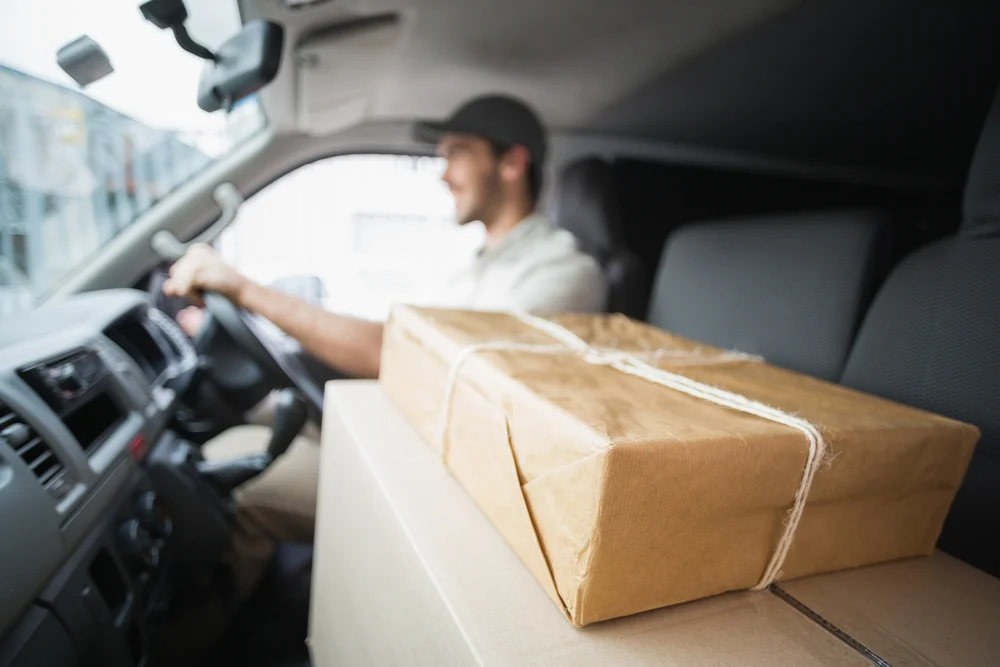

A signed contract that reaches the courthouse at 4:55 PM gets filed. The same contract arriving the next morning misses the deadline. That gap is why same day delivery vs next day delivery is a business decision and not a shipping habit.
At Bearcat Express, our dispatchers handle both kinds of runs across Georgia and neighboring states, and the question we hear most is rarely about speed. It is about which service a shipment truly needs. This guide explains how each option works, how the clock changes the answer, and how to choose without overpaying.
Quick Answer
In short, what is same day delivery? A pickup and drop-off completed on the same calendar day, usually within a few hours, which suits urgent local jobs. Next-day delivery arrives on the following business day through a batched route, which suits planned shipments and wider distances. Choose same-day when waiting has a real cost, such as a missed deadline or a spoiled product. Choose next-day when an extra day changes nothing.
What Is Same-Day Delivery?
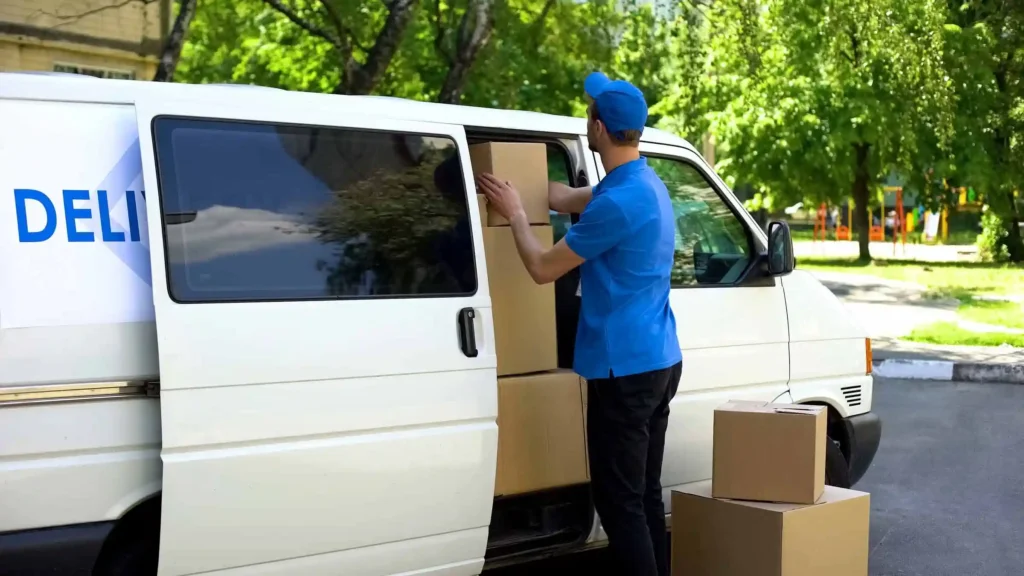
So, what is same day delivery? It is a delivery service in which an eligible shipment is picked up and delivered within the same day, subject to the provider’s service area, cutoff time, route availability, shipment requirements, and operating schedule.
The same day delivery meaning is therefore broader than simply “arrives today.” The promise depends on whether the order is ready, accepted before the applicable cutoff, and capable of being completed within the available delivery window.
How Same-Day Delivery Works
How does same day delivery work behind the scenes? A request reaches dispatch, and the dispatcher checks which driver is closest to the pickup address and has room on the schedule. The driver collects the package, drives directly to the destination, and captures proof of delivery on arrival. There is no overnight hold and no hub transfer. Because the whole job rides on one trip, a pickup contact who is not ready or a missing suite number can push delivery past its window. Accurate addresses and a named contact at both ends matter more here than with any other service.
Benefits and Challenges for Businesses
The main benefit is control over time. A medical office can move a specimen before the lab’s intake window closes, a law office can reach a clerk before closing, and a retailer can fulfill a local order the same afternoon it comes in.
The challenges are practical. Coverage is limited to a local radius, pricing is higher because a driver is committed to a single job, and there is little buffer for traffic or weather.
What Is Next-Day Delivery?
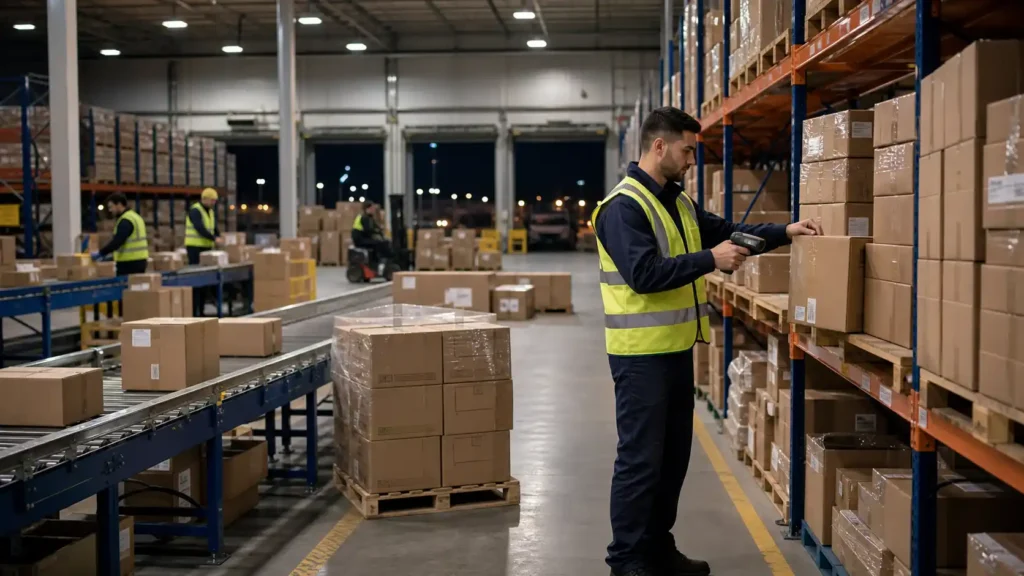
Next-day delivery means a shipment arrives on the next business day after it is handed over. It normally comes with a cut-off time. Shipments received before that hour move out in the evening cycle, and anything later rolls into the following one.
How Next-Day Delivery Works
Instead of going straight to the recipient, a next-day package is usually consolidated with others heading the same direction. It is collected, staged, loaded on an overnight or early-morning route, and delivered during the recipient’s standard business hours. Batching is what keeps the price lower, but it also reduces flexibility once the package is in the system.
Benefits and Limitations for Businesses
Next-day gives a wider service radius at a lower cost, and it is predictable. Staff and customer messages can be planned around a known arrival day, which suits routine restocking and non-urgent paperwork.
The limitation is the waiting period. If something changes after the cut-off, such as a wrong address or a customer who suddenly needs the item sooner, there is little room to compress the timeline.
Same-Day vs Next-Day Delivery: Key Differences
| Factor | Same-Day Delivery | Next-Day Delivery |
| Speed | Within hours, same calendar day | Following business day |
| Typical cost | Higher, one driver per job | Lower, shared across a route |
| Service area | Local or regional radius | Wider geographic range |
| Cut-off | Depends on driver availability and distance | Fixed time, usually end of business day |
| Weekends | Depends on the provider, so confirm before booking | Counts business days, so a Friday request typically lands Monday |
| Flexibility after pickup | Higher, a dispatcher can redirect a driver | Lower, the package is part of a batch |
| Best for | Deadlines, perishables, urgent documents | Routine, planned shipments |
What Each Option Actually Costs
A flat price would mislead you here, because rates move with distance, size, timing, and each courier’s structure. What stays constant is what drives the difference.
A same-day job takes a driver and vehicle out of circulation for the whole run, so the full cost of time and mileage lands on one shipment. Next-day splits those same costs across many packages on one route. Distance beyond the core zone, wait time at pickup, multiple stops, bulky items, and after-hours requests all raise a same-day quote.
A more useful question than “which is cheaper” is “what does waiting cost?” Picture a part that keeps a production line moving. If the line sits idle for a day, the same-day premium is small next to the lost output. Now picture a box of office supplies. A one-day wait costs nothing, so paying for speed is simply waste. Get a written quote for both options on the same shipment and compare it against the real cost of waiting.
Cut-Off Times and the Weekend Gap
Most delivery mistakes come from timing, not from choosing the wrong service. Next-day runs on a business-day clock. A request placed Friday afternoon after the cut-off usually starts moving Monday, and a holiday pushes it back further.
Same-day runs on a different clock. There may be no single published cut-off hour. The real limit is whether a driver can finish pickup and delivery before the recipient closes. A 9 AM request has plenty of room. A 4:30 PM request may not, even on a short local route, if the recipient locks up at 5. Always confirm the recipient’s receiving hours, not just your own.
Same Shipment, Four Different Clocks
One of the easiest ways to misunderstand expedited delivery is to think there is only one clock.
There are actually four practical clocks:
| Clock | Question |
| Order clock | When was the request placed? |
| Readiness clock | When was the package actually ready for pickup? |
| Transport clock | When could the courier realistically collect and move it? |
| Promise clock | What delivery time was actually committed to the customer? |
This matters because an order can be placed early but still miss the same-day window if the package is not ready.
Imagine a business receives an urgent request at 9:00 a.m., but the item is not packed until 1:30 p.m. The customer sees a morning order, while operations are working with a much shorter transport window. Treating the first clock as the only clock creates unrealistic delivery promises.
This four-clock model is useful for managers because it identifies where delays actually originate.
Why Delivery Speed Now Shapes Purchase Decisions
Delivery speed used to be an operations detail. Today it is something customers look at before checkout. A shopper comparing two local stores will often pick the one that states a clear arrival time, because uncertainty about delivery is a reason to hesitate. Rather than quote a survey figure that may be secondhand, check your own data: checkout abandonment and “where is my order” inquiries show whether delivery timing is costing you sales.
For local businesses, a visible and dependable promise matters more than the fastest possible promise. A florist offering same-day before noon and next-day after that, stated plainly, will keep more customers than one that promises everything and misses. In the same day delivery vs next day delivery debate, clarity often beats speed.
How to Choose the Right Delivery Option
Weigh four things in order. Urgency: what actually happens if the shipment arrives tomorrow? Distance: is the destination inside a realistic same-day radius? Product: perishable, fragile, high-value, or time-regulated items often justify direct handling. Budget: can the shipment’s margin absorb a premium?
Same-day makes sense when a hard deadline exists, such as a court filing, a lab intake window, a closing, or a replacement part for a stalled line. Next-day makes sense when the item can wait one business day without consequences, such as scheduled restocks, routine B2B orders, and non-urgent paperwork. If you cannot name a consequence of waiting, next-day is almost always the right call.
Inside the Dispatch Desk: The 3-Question Check
At Bearcat Express, a dispatcher rarely guesses on a service level. Three questions come first, in this order.
What happens if this arrives tomorrow?
If the honest answer is “nothing serious,” next-day saves money. If it involves a missed deadline, a ruined product, or a stopped operation, same-day moves up.
Is the destination inside a realistic same-day radius?
Urgency does not extend a driver’s range. A job far outside the local zone may not be a same-day candidate, however much it matters.
Is there a hard cut-off?
A courthouse closing, a clinic’s last intake, or a loading dock that shuts at 3 PM all point toward same-day. A flexible window points toward next-day.
Answering these honestly keeps you from paying for speed you do not need, and from under-serving a shipment that cannot wait.
You may also read: Same Day Delivery vs. Express Delivery
In-House Fleet vs. Outsourced Courier Partner
As volume grows, owners ask whether to buy vehicles and hire drivers. An in-house fleet gives control, but it brings vehicle costs, insurance, and payroll even on slow days. A courier partner spreads those fixed costs across many clients, so you pay only for the runs you need.
| Factor | In-house fleet | Courier partner |
| Fixed costs | Vehicles, insurance, payroll | None; you pay per job |
| Busy-day flexibility | Limited by drivers on staff | Scales with partner capacity |
| Scheduling control | High | Shared with dispatch |
| Best for | High, predictable volume | Variable or growing volume |
Using Both: A Hybrid Delivery Policy
Few businesses should choose only one. A hybrid policy sets next-day as the default and defines clear triggers that upgrade a shipment to same-day: a deadline within 24 hours, a perishable or high-value item, a customer-paid rush option, or a restock that stops sales if it arrives late.
A local partner makes this workable without keeping drivers on standby. Owners often ask how does same day delivery work for a business with no fleet, and the answer is simple: urgent jobs go to the partner, and routine shipments stay on the cheaper schedule. If you are in Augusta or nearby, a dedicated Same Day Delivery Service Augusta GA team can take the upgraded jobs. Review the triggers every few months. If almost everything is being upgraded, the default is wrong.
Final Thought
There is no universal winner in same day delivery vs next day delivery. The right choice depends on what waiting costs, how far the shipment has to go, and what time the request is made. Businesses that plan for both options and write down the rules for switching have fewer last-minute emergencies. If you are unsure which fits your next shipment, contact us at Bearcat Express and our dispatch team will help match the service to the job.
FAQs
Is same-day delivery always more expensive than next-day?
Usually, yes, because one driver is committed to one job. The gap can narrow on very short local routes, so request a quote for both.
What does same day delivery mean for weekends and holidays?
The same day delivery meaning does not automatically include weekend service. Availability depends on the courier, so confirm before you book. Next-day, by contrast, counts business days only.
What is the difference between same-day shipping and same-day delivery?
Same-day delivery covers the whole trip from pickup to doorstep within the day. Same-day shipping often means an order is processed and handed to a carrier that day, with arrival coming later. Check which one a provider is actually promising.
What time should I request same-day delivery?
Earlier is safer. Morning requests leave room for pickup delays, while late-afternoon requests depend on a free driver and the recipient’s closing time.
Can a small business offer both options?
Yes. Many use next-day as the default and reserve same-day for urgent or paid-rush orders, using a courier partner so they do not carry a fleet.