
A customer orders a part at 9 a.m. and expects it at the door by afternoon. Between those two moments sits a chain of pickups, handoffs, and storage decisions that most people never see. So, what are logistics services? In short, it is the planning and handling of goods from the moment they start moving until they reach the customer. That covers transportation, warehousing, inventory tracking, order fulfillment, and last-mile delivery, so products arrive safely and on time.
At Bearcat Express, we see this work from the street level, where a missed gate code or a late store pickup can undo a perfectly planned shipment. This guide explains how it works, which layers you actually need, and what to look for in a provider.
Quick Answer
Logistics services manage how goods move, wait, and return on their way through a supply chain. They can come from one provider or from several, and they range from a single local delivery to a full network program.
What Are Logistics Services?
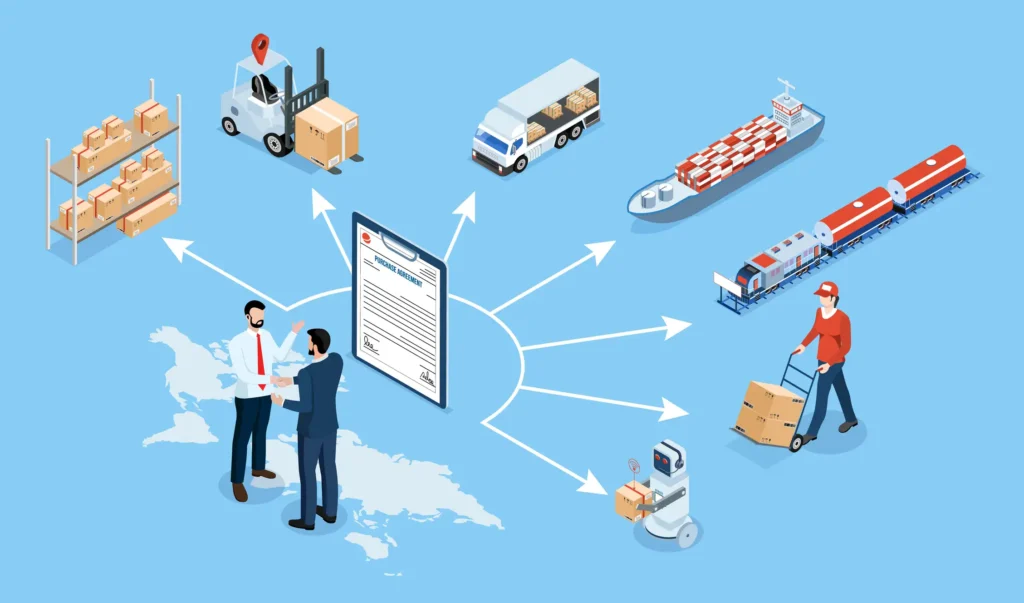
The logistics services meaning goes beyond “shipping.” Shipping is one action. Logistics is the coordination of every action around it: what gets stored, when it leaves, which vehicle carries it, and what happens if the recipient is not home. If you are still asking what logistics services are after the quick answer, think of it as the system, with shipping as only one part of it.
You may also see the term service logistics. If you are wondering what service logistics is, it refers to the supply support behind a service business, such as getting the right part, tool, or technician to a repair job on time. The service logistics definition is narrower than general logistics because the “product” is the service being delivered, and the goods exist to make that service possible.
So what is the meaning of logistics services when a company uses the phrase? It means outside or in-house help with moving and handling goods, from one local run to a full supply chain program.
How Logistics Services Work, Step by Step
Take a small retailer that sells home goods online. A typical flow looks like this:
- Order received. The sale triggers a pick request and a delivery window.
- Pickup or receiving. Stock arrives from a supplier, or a driver collects it from a store or warehouse.
- Storage and inventory update. Items are shelved, counted, and recorded so the system knows what is available.
- Packing and dispatch. The order is picked, packed, labeled, and assigned to a driver or carrier based on speed and location.
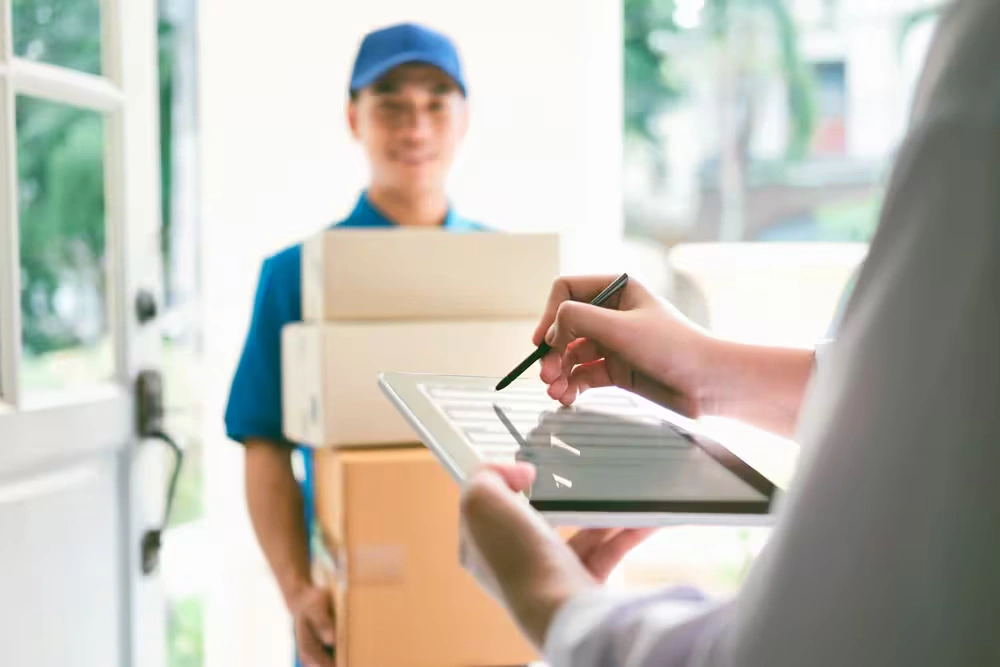
- Delivery and proof. The recipient gets the item, and a signature or confirmation closes the loop.
- Returns. If something comes back, it is inspected, restocked, repaired, or discarded.
Each step can be handled by a different party. The skill is in making the handoffs clean.
Types of Logistics Services
Providers are usually grouped by how much of the chain they manage. A first-party (1PL) setup means a business moves its own goods in-house. Second-party (2PL) providers are asset-based carriers that handle direct transport. Third-party (3PL) providers combine warehousing, fulfillment, and transport under one agreement. Fourth- and fifth-party (4PL and 5PL) providers sit above them, designing and coordinating the whole network and the partners inside it.
Transportation and Delivery
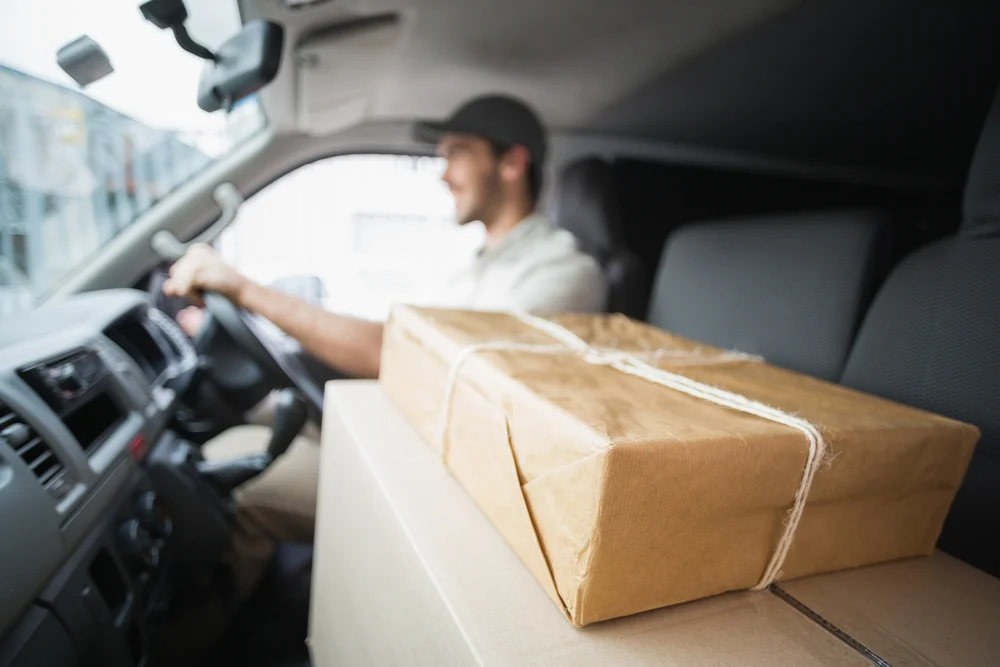
This covers moving goods by truck, rail, ship, or air, along with parcel, scheduled, on-call, and last-mile delivery to the final door. For local needs, same-day couriers fill the gap that large networks leave, especially for urgent or oversized items.
Warehousing and Inventory Management
Warehousing keeps stock safe in a storage space until it is needed. Inventory management tracks quantities in real time, so shelves are never empty when an order lands. Order fulfillment sits right beside it: picking the items, packing them, and labeling the package for dispatch. Together, these decide how quickly a business can say yes to a customer.
Reverse Logistics and Returns
Returns, repairs, and recycling flow backward through the chain. Done well, a returned item is back on sale within days. Done poorly, it sits in a corner and becomes a write-off.
Logistics Services vs Transportation vs Supply Chain Management
| Term | What it covers | Scope |
| Transportation | Moving goods from point A to point B | One action |
| Logistics services | Moving, storing, tracking, fulfilling, and returning goods | Operational flow |
| Supply chain management | Sourcing, production planning, suppliers, logistics, and demand | Entire business network |
Transportation sits inside logistics, and logistics sits inside supply chain management.
The Logistics Layers Table: Which Layer Do You Actually Need?
Most guides list services and stop there. A more useful question is which layer solves your actual problem. Many businesses pay for a full program when one layer would do.
| Your situation | Layer you need | Can a local courier cover it? | When to bring in a full third-party provider |
| Items need to reach customers or sites today | Move | Yes | Rarely |
| Bulk purchases must be collected from retail stores | Move (inbound) | Yes | Only if volume is constant |
| Stock must be held for weeks or months | Store | No | When storage space is the constraint |
| You sell across many channels with changing stock | Manage inventory | Partly, for runs | When counts drift from reality |
| Customers return items often | Returns | Partly, for pickups | When returns need inspection and restocking |
| Orders ship nationwide or abroad | Full chain | No | Yes |
Use it as a quick audit. If your answer is mostly “move,” you probably need a reliable courier, not a full contract.
Who Needs Logistics Services
E-commerce sellers need fast fulfillment and tidy returns. Medical and lab businesses rely on time-sensitive, traceable runs where a late delivery has real consequences. Retailers and contractors often need bulk pickups and job-site drops. B2B companies depend on scheduled deliveries so production lines and offices are never waiting on supplies.
Benefits of Logistics Services
Businesses gain predictable delivery times, fewer handling mistakes, and the freedom to focus on selling or making instead of driving. Fewer missed windows also means fewer support calls. Customers gain clearer delivery windows, real-time tracking they can trust, and confirmation that an item arrived safely. The common thread is fewer surprises on both sides.
What Logistics Services Cost and What Changes the Price
Prices vary too widely to quote one number honestly, but the drivers are consistent:
- Distance and route time, including traffic and wait time at pickup
- Speed, since same-day and urgent runs cost more than scheduled ones
- Size, weight, and handling, such as fragile or bulky items
- Storage duration and volume, which matter for warehousing
- Contract terms, where regular volume can bring more predictable rates
Common pricing models include per-delivery rates, per-order fees, monthly storage charges, and negotiated contracts. Ask for a written breakdown so you can see which factor is doing the work.
Local, Regional, National, or International: Choosing the Scope
Local services suit urgent, short-distance needs where flexibility matters. Regional services link nearby cities on predictable schedules. National and international services involve long freight lanes, customs, and carrier networks. Asking what the meaning of logistics services for your business is also means asking how far your goods actually travel. Matching scope to need avoids paying for reach you will never use.
Common Problems in Logistics and How Local Delivery Handles Them
Failed deliveries. Wrong addresses, locked gates, and empty offices cause repeat trips. A local dispatcher can call ahead and adjust the route the same day.
Slow pickups. Store loading docks can take longer than expected, so planning for wait time keeps later stops on track.
Weak communication. Silence is the most common complaint. Status updates at pickup and drop-off remove most of the guesswork.
Partial loads. When an order is split across vehicles, clear labeling and a single point of contact prevent confusion.
How We Handle Logistics Support for Local Businesses
Bearcat Express focuses on the moving layer of logistics: same-day, on-call, and scheduled deliveries across Georgia and nearby states. Customers get real-time tracking and signature confirmation, so every handoff is documented. For businesses that buy in bulk, our Big Box Store Pick Up in Augusta, GA service collects large retail orders and delivers them to a warehouse, job site, or customer, which saves staff hours and vehicle trips.
How to Choose the Right Logistics Services Provider
- Match the layer. Decide whether you need moving, storing, or both before comparing quotes.
- Test reliability. Ask how late deliveries are handled and how quickly you are told.
- Check visibility. Tracking and proof of delivery should be standard.
- Confirm handling and insurance. Know what is covered if an item is damaged.
- Look for local knowledge. Familiarity with routes, buildings, and store docks saves real time.
- Read the terms. Check for minimums, cancellation rules, and add-on fees.
Conclusion
Understanding what logistics services means comes down to seeing the chain behind every delivery and choosing only the layers you need. The real logistics services meaning shows up in small details like clear handoffs, honest timing, and a driver who calls before arriving. Bearcat Express supports local businesses with dependable same-day and scheduled delivery. If you want to talk through your needs, contact us today.
Frequently Asked Questions
- What are logistics services in simple terms?
It is the set of tasks that move, store, track, and return goods so they reach customers on time. A courier run, a warehouse shelf, and a returns pickup are all examples.
- What is service logistics?
Service logistics supports a service business by getting parts, tools, and people to the job when needed. The definition of service logistics focuses on keeping a service running rather than selling a product.
- How much do logistics services cost?
The price depends on distance, speed, item size, storage needs, and contract terms. Same-day and specialized handling usually cost more than routine scheduled deliveries.
- Do I need a full logistics provider or just a courier?
If your main need is getting items from one place to another quickly, a courier is usually enough. A full provider makes sense once you need long-term storage, large-scale fulfillment, or national shipping.
- What is the difference between logistics and transportation?
Transportation is only moving goods. Logistics includes storage, inventory, fulfillment, and returns around that movement.