A pharmacy runs out of a critical medication two hours before closing. A clinic needs lab specimens picked up before the courier cutoff, or results get delayed a full day. These are not rare events, and they trace back to one question: what is pharmaceutical logistics, and why does it matter when a delivery is late by even thirty minutes?
Pharmaceutical logistics is the process of planning, storing, and transporting medical products so they stay safe, accurate, and on time from facility to patient. It involves temperature control, strict handling, and tight windows. Bearcat Express handles this exact work daily for pharmacies, clinics, and labs across Georgia.
What Is Pharmaceutical Logistics? (The Real Definition)
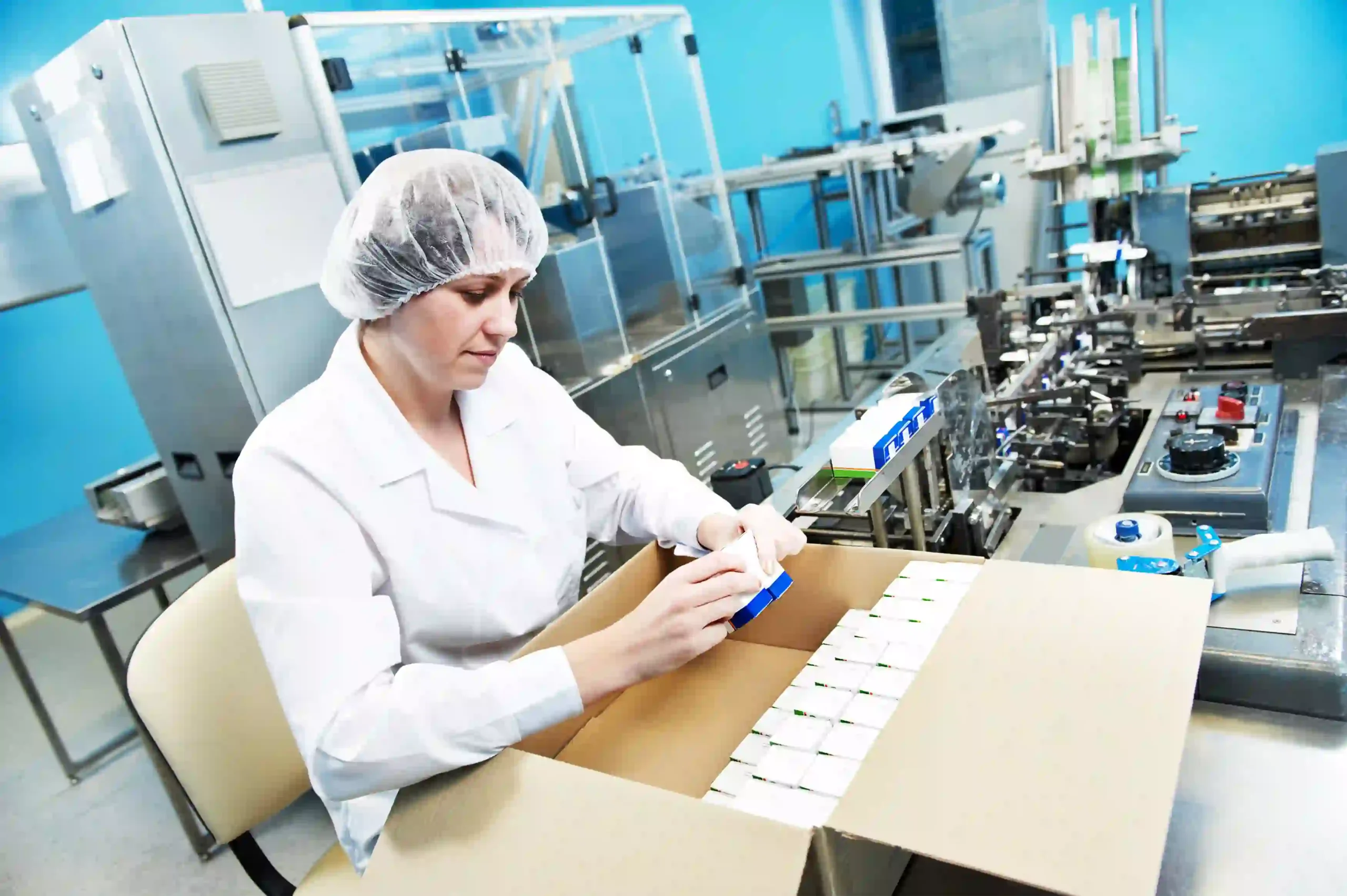
At its core, pharmaceutical logistics covers everything that happens to a medical product between production or storage and its final destination. That includes warehousing, packaging, transportation, and tracking, all done under rules that exist because the product being moved can directly affect someone’s health.
On a national or global scale, this involves manufacturers, distributors, and large logistics networks moving bulk shipments across states or countries, often with cold storage warehouses and multi-day transit plans. But a large share of pharmaceutical logistics does not happen at that scale at all. It happens locally: a pharmacy that needs an emergency refill sent to a homebound patient, a clinic that needs a specimen at the lab before the noon pickup, a hospital pharmacy that runs short on a medication mid-shift. This local layer is where timing, not distance, becomes the deciding factor, and it is where a same-day delivery service actually earns its place in the healthcare supply chain.
Why Pharmaceutical Logistics Matters in Healthcare
The stakes here are different from a normal parcel. A late birthday gift is disappointing. A late insulin shipment or a delayed STAT lab specimen can affect patient care.
Real-World Impact on Patients, Pharmacies, and Clinics
Consider a small independent pharmacy that serves a rural county with one delivery driver of its own. When that driver calls out sick, the pharmacy has two choices: ask the patient to wait another day, or find a courier that already understands pharmaceutical handling and can step in the same afternoon. Clinics face a similar reality with lab work. A specimen that sits too long before pickup can degrade, forcing a redraw and a delay in diagnosis. In both cases, pharmaceutical logistics is not an abstract supply chain concept. It is the difference between a patient getting treated on time or not.
Core Components of Pharmaceutical Logistics
Every pharmaceutical delivery, whether it travels three hundred miles or three, depends on the same building blocks.
Transportation of Medical Products
This is the physical movement of the product, and it needs to account for road conditions, delivery windows, and the sensitivity of what is being carried. A courier moving a controlled substance prescription handle that runs differently than one moving general retail packages, with more attention to direct routing and minimal handling stops.
Warehousing & Controlled Storage
Some pharmaceutical products need to sit in climate-controlled space before they move, whether that is a distributor’s warehouse or a pharmacy’s own storage room. Storage conditions have to match what the product label requires, every time, without exception.
Cold Chain Management (Temperature-Sensitive Delivery)
Certain medications, vaccines, and biologics lose effectiveness outside a narrow temperature range. On the local delivery side, this means insulated packaging, minimal time outside controlled storage, and drivers who know not to leave a temperature-sensitive package sitting in a hot vehicle while making other stops.
Packaging & Labeling Standards
Pharmaceutical packaging exists to protect the product and to make handling instructions obvious at a glance. Tamper-evident seals, clear labeling, and secure closures all reduce the risk of a product being compromised or misdelivered.
Inventory & Supply Tracking
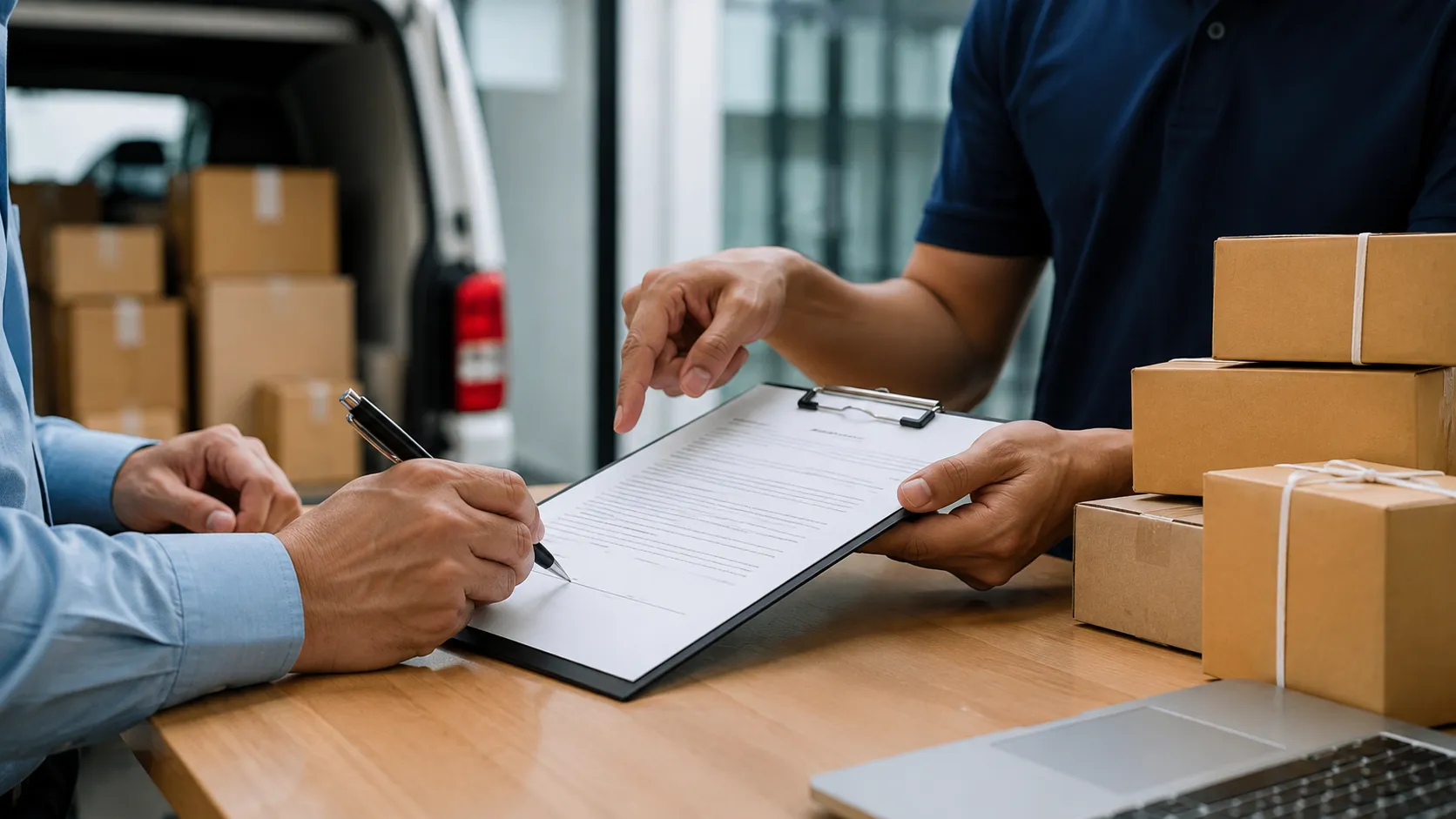
Knowing exactly where a shipment is, and being able to confirm delivery with a signature or timestamp, matters more in pharmaceutical logistics than almost any other category of delivery, because chain of custody is often part of the compliance record itself.
Types of Pharmaceutical Logistics Services
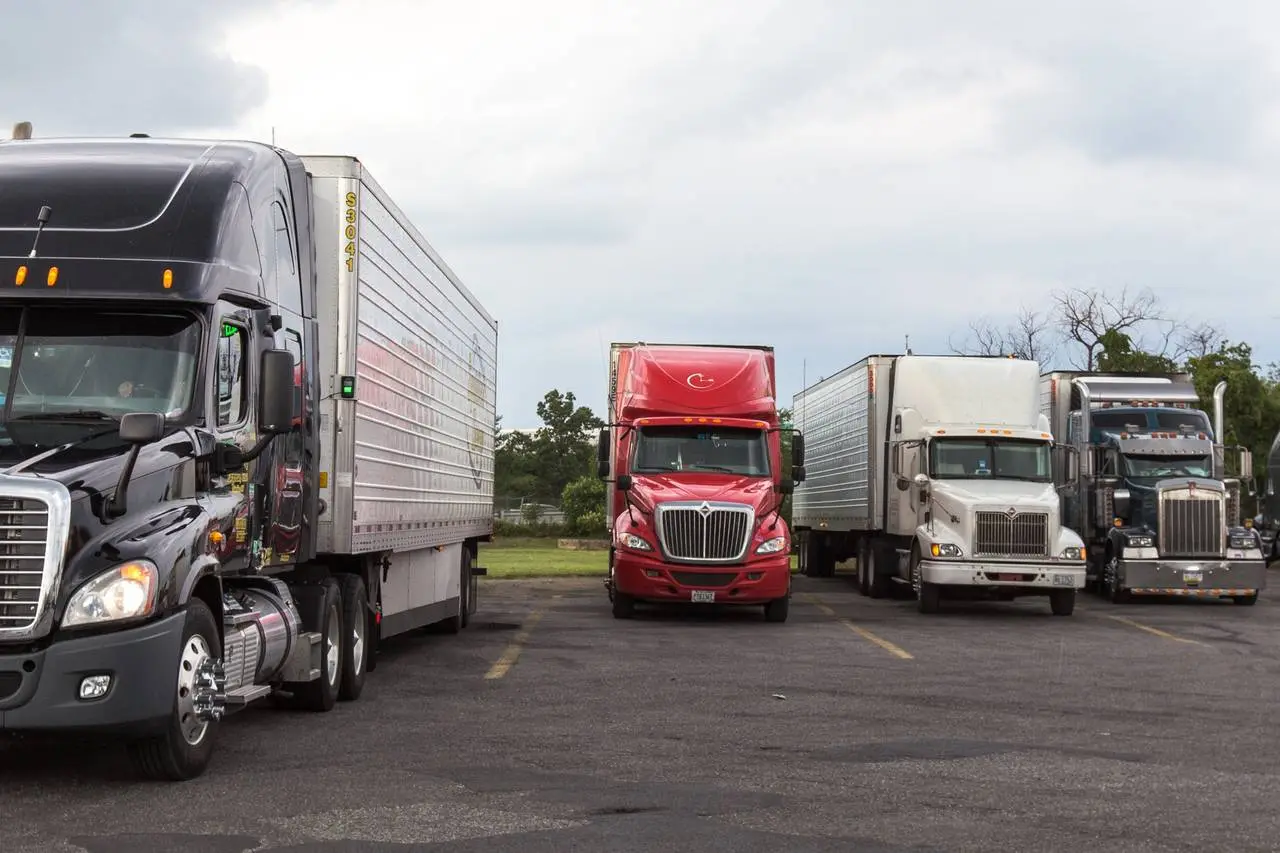
Pharmaceutical logistics is not one single service; it operates on different scales depending on the need. National and global logistics providers handle bulk manufacturer-to-distributor shipments, often over multiple days, using large fleets and regional warehouses. This is often referred to as logistics that pharmaceutical companies rely on for bulk, scheduled restocking, and it works well for predictable, large-volume movement.
Local pharmaceutical logistics operates on a much shorter timeline, moving smaller, urgent shipments between a pharmacy, clinic, lab, or patient within hours rather than days. Pharmacies that need pharmaceutical logistics providers for fast delivery for same-day, urgent orders are usually looking at a different type of service entirely, one built around speed and flexibility rather than bulk volume. Both layers exist for a reason, but they solve different problems. A distributor’s truck cannot help a pharmacy that needs an emergency delivery across town in the next forty-five minutes.
The Last-Mile Problem in Pharmaceutical Logistics
Even a perfectly managed national supply chain runs into trouble at the final stretch, the point where a product leaves a distribution center or pharmacy and has to reach an actual person or facility.
Where Local Same-Day Couriers Fit Into the Bigger Supply Chain
This is the gap that local same-day delivery services close. A distributor might restock a pharmacy once a week, but a pharmacy still has daily patients who need something faster than that cycle allows. Bearcat Express fills this exact role for pharmacies and clinics across Augusta and the surrounding region, picking up urgent orders and getting them to patients or partner facilities the same day, often within a few hours of the request.
Key Challenges in Pharmaceutical Logistics
Anyone who has coordinated a pharmaceutical delivery run knows the challenges are not theoretical.
Temperature-Sensitive Deliveries (Cold Chain Risk)
A ten-minute delay on a hot summer afternoon can matter for a temperature-sensitive product. Insulated bags and coolers help, but the bigger factor is minimizing the total time a package spends outside controlled conditions.
Time-Critical & Emergency (STAT) Deliveries
STAT requests, whether it is a lab specimen or an urgent prescription, do not fit into a standard delivery schedule. They require a courier who can prioritize a single run over a full route.
Chain-of-Custody & Handling Risk
Pharmaceutical products, especially controlled substances, need a documented handoff at every point. A missing signature or an unclear delivery record can create real problems for a pharmacy during an audit.
Regulatory Compliance
Local pharmaceutical logistics does not carry the same weight as national manufacturing regulation, but it still involves handling rules around controlled substances, patient privacy during delivery, and proper documentation at pickup and drop-off.
How Local Pharmaceutical Couriers Solve These Challenges
This is where the logistics process for couriering pharmaceuticals actually plays out day to day, not in a warehouse, but on the road between facilities.
Prescription Runs, Lab Specimen Transport, Clinic-to-Pharmacy Transfers
A typical day for a local pharmaceutical courier might include a prescription delivery to a homebound patient, a specimen pickup from a clinic headed to a lab across town, and a transfer of stock between two pharmacy locations. Each of these has a different urgency level and handling requirement, and a courier familiar with pharmaceutical logistics providers’ fast delivery standards treats them accordingly instead of running them like a generic parcel drop.
Timing & Chain-of-Custody for Pharmacies and Clinics
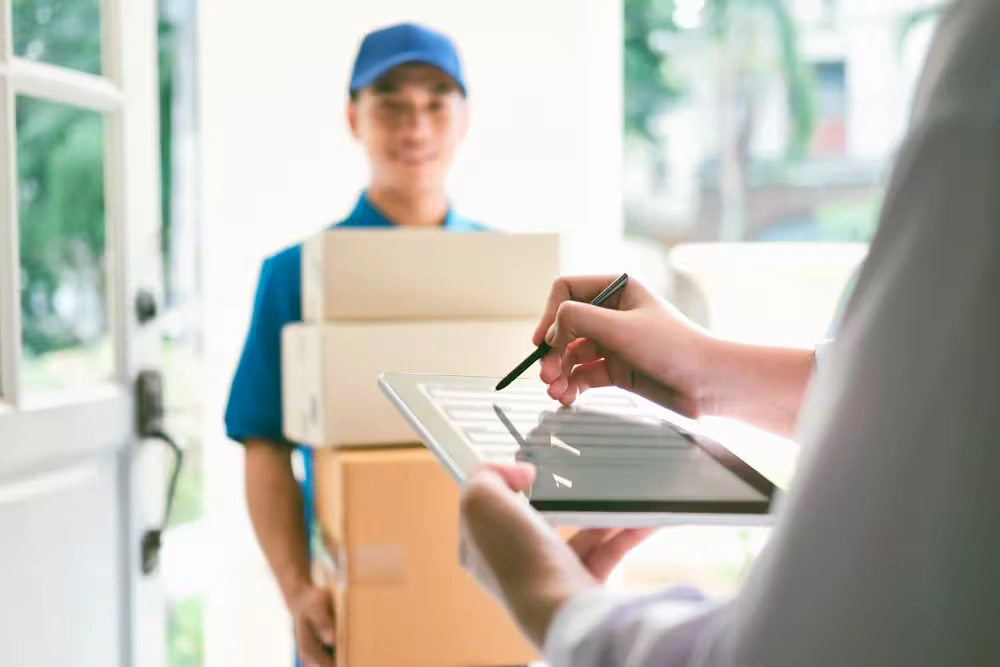
A courier built for this work structures these runs around direct routing and confirmed handoffs, so a pharmacist or clinic manager knows exactly when a package left and when it arrived, which matters both for patient care and for internal recordkeeping.
Regulations & Compliance Basics
Local pharmaceutical delivery operates within a real compliance framework, even outside the deep manufacturing regulations that apply to producers. This includes secure handling of controlled substances during transport, careful attention to patient information printed on labels or paperwork, and maintaining accurate delivery records that a pharmacy can reference if a question comes up later. A courier working in this space should be able to explain its handling process clearly, not just claim it follows the rules.
How Businesses Choose a Local Pharmaceutical Courier
Pharmacies and clinics evaluating a courier for pharmaceutical logistics supply chain management typically look at a few practical things: how fast the courier can respond to a same-day or STAT request, whether drivers understand temperature-sensitive handling, how delivery confirmation works, and whether the courier has direct experience with medical or pharmaceutical runs rather than only general parcels. This kind of due diligence matters more for pharmaceutical logistics supply chain management than for ordinary shipping, since the cost of a mistake is measured in patient care, not just inconvenience.
Any facility handling logistics for pharmaceutical needs at a local level should also ask how a courier documents handoffs, since that record often becomes part of the pharmacy’s own compliance trail. A courier that can answer these questions clearly, with specifics rather than vague assurances, is usually the safer choice for ongoing pharmaceutical delivery needs.
Conclusion
Pharmaceutical logistics touches every stage of a medication or medical product’s journey, but for most pharmacies, clinics, and labs, the part that matters most day to day is the final stretch: getting the right product to the right place, on time, with proper handling along the way. That is the layer Bearcat Express operates in, supporting healthcare providers across Augusta and nearby areas with same-day pharmaceutical and medical deliveries built around real urgency, not a fixed schedule. If your pharmacy or clinic needs a reliable courier for time-sensitive deliveries, our Same Day Delivery Service Augusta GA page has more detail, or you can contact us directly to set up a delivery plan that fits your workflow.
Frequently Asked Questions
What is pharmaceutical logistics?
Pharmaceutical logistics is the process of storing, handling, and transporting medications, medical devices, and lab specimens so they stay safe and arrive on time. It covers everything from large-scale manufacturer shipments to local, same-day deliveries between pharmacies, clinics, and patients.
Why is pharmaceutical logistics important?
Because the products involved directly affect patient care, a delayed or mishandled delivery can mean a missed dose, a degraded lab sample, or a patient waiting longer than they should for treatment.
What is the logistics process for couriering pharmaceuticals locally?
It typically starts with a pickup request from a pharmacy, clinic, or lab, followed by proper packaging for the product type, direct transport with minimal stops, and a confirmed handoff at the destination with a timestamp or signature for the record.
What’s the difference between pharmaceutical logistics and a local medical courier?
Pharmaceutical logistics is the broader system, including manufacturing, warehousing, and national distribution. A local medical courier operates within the last-mile portion of that system, handling the final, time-critical leg between a facility and its patients or partners.
How is temperature control managed during local delivery?
Local couriers use insulated packaging and try to minimize the time a temperature-sensitive product spends outside controlled storage, and plan routes that avoid unnecessary transit delays.