If you have ever packed a box of frozen steaks or a cooler of homemade meals and stared at a shipping calculator, you know the number can feel random, anywhere from thirty dollars to well over two hundred. So how much does it cost to ship frozen food overnight?
On average, expect seventy to two hundred fifty dollars for national overnight service, though local and regional shipments handled by a courier like Bearcat Express often cost far less, since the truck is already running that route the same day. This guide breaks down real cost ranges by package size and explains what actually drives the price up or down.
Average Overnight Frozen Food Shipping Costs
Before comparing carriers or packaging methods, it helps to know the baseline numbers. These figures come from typical rate structures used across the overnight shipping industry, and they assume the shipment includes standard cooling material such as dry ice or frozen gel packs.
Cost for Small Packages (1 to 5 lbs)
A small overnight shipment, think a few pounds of seafood or a handful of frozen entrees, generally runs between fifty and ninety dollars. Most of that cost is the base overnight rate, not the food itself. Dimensional weight rules mean an insulated box, even a light one, gets billed based on its size rather than its actual weight.
Cost for Medium Packages (5 to 15 lbs)
Medium shipments, common for meal prep kitchens or a mixed box of frozen cuts, typically land between ninety and one hundred sixty dollars. At this weight range, the amount of dry ice needed starts to matter a lot. Every pound of dry ice added is a pound the carrier charges you to move.
Cost for Large Packages (15+ lbs)
Larger shipments, such as a full case of frozen meat or a bulk order for a small restaurant, can run from one hundred sixty dollars up to two hundred fifty dollars or more on national overnight service. This is usually the point where shippers start asking whether there is a better way to ship frozen food that does not involve paying premium air freight rates for a box that is mostly ice.
Cost by Shipping Distance
Distance affects overnight pricing more than most people expect. A shipment traveling within the same state or a neighboring one costs less to move than one crossing several zones, since fewer transfer points and less air handling are involved. This is exactly where a regional courier has an advantage over a national overnight service, a point we will return to shortly.
Why National Overnight Rates Don’t Reflect Local and Regional Shipping Costs
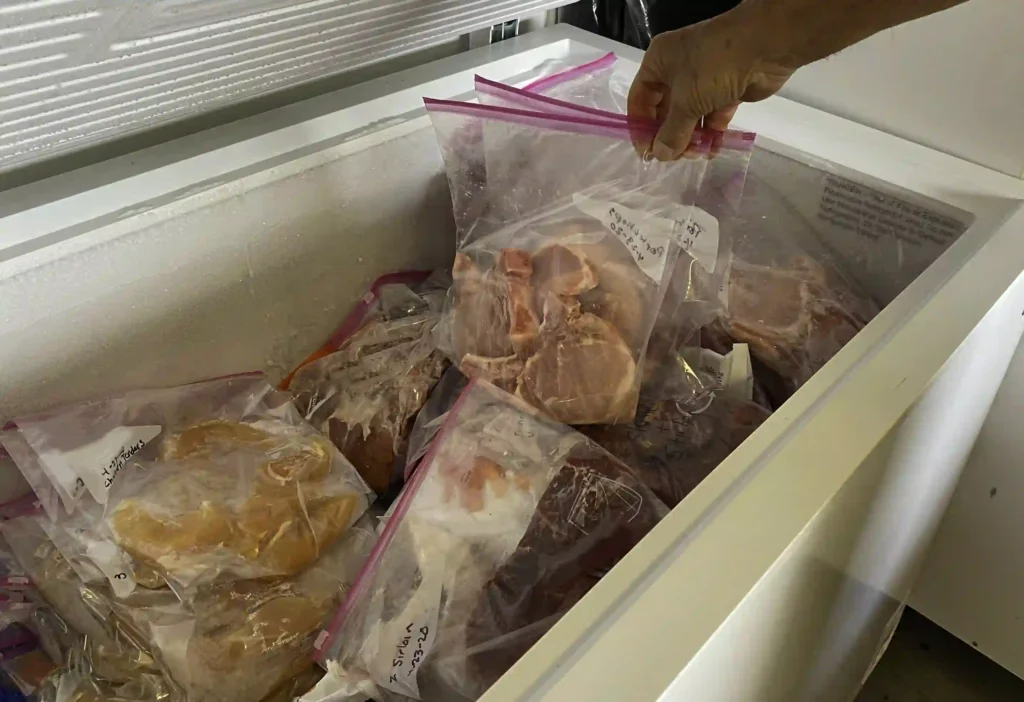
Most articles on this topic quote pricing built around long-haul, coast-to-coast overnight service. That pricing model assumes your package is going through a regional sort facility, onto a cargo plane, and back out through another sort facility before it reaches the recipient. Every one of those steps adds cost, and none of them apply if you are shipping frozen food from one Georgia city to another.
How Regional Courier Pricing Works Differently
A regional or same-day courier moves your package directly, often on the same truck route it already runs that day, without routing it through an air hub. Fewer touchpoints mean fewer opportunities for temperature loss and fewer line items added to your invoice. For a butcher shop sending a wholesale order across town, or a caterer delivering frozen meal kits to a neighboring city, this direct-route model is usually the best way to ship frozen food without paying for infrastructure you do not actually need.
Real Price Comparison: Local Courier vs National Overnight Rates
Here is a practical way to think about it. A ten-pound box of frozen food shipped nationally overnight, once dry ice and insulated packaging are added, commonly falls between one hundred ten and one hundred sixty dollars. The same ten-pound box moved locally by a regional courier, where the delivery stays within a single state or a tight multi-state radius, often costs forty to seventy percent less. That gap exists because you are not paying for air cargo space or multi-hub sorting; you are paying for a direct ground route.
Key Factors That Affect Overnight Frozen Food Shipping Costs
Package Weight and Dimensional Sizing
Carriers charge based on whichever is higher: actual weight or dimensional weight, which is calculated from the box’s length, width, and height. An oversized box with only a small amount of food inside can end up costing more than a tightly packed one holding twice the product.
Shipping Distance and Delivery Zone
The farther a shipment travels, the more zones it crosses, and each zone typically adds to the base rate. This is one of the clearest reasons regional shipping tends to cost less than cross-country delivery.
Delivery Speed Requirements
Same-day delivery and next-day overnight service are priced differently. Overnight air service is built around guaranteed early morning arrival, which commands a premium. A same-day ground delivery within a local service area can often meet the same freshness requirement at a lower price point.
Type of Frozen Food Being Shipped
Not all frozen items behave the same way in transit. Dense items like frozen meat hold cold temperatures longer than lighter, airier foods like ice cream or baked goods, which means the amount of cooling material needed, and therefore the cost, can vary even between two boxes of the same weight.
Packaging Materials and Insulation
Insulated boxes, foam liners, and vapor barriers all add weight and cost, but skimping here is the fastest way to end up with a spoiled shipment. Quality packaging is not optional if you are shipping frozen meat any real distance.
Dry Ice or Gel Packs
Dry ice is regulated as a hazardous material when shipped by air, which adds documentation requirements and sometimes surcharges. Gel packs avoid that classification but generally do not hold sub-zero temperatures as long, which can limit how far or how long a shipment can safely travel.
Surcharges and Seasonal Fees
Summer months often bring temporary surcharges for perishable shipments due to the added cooling material required to survive heat exposure during transit. Weekend and holiday delivery windows can also carry additional fees since fewer trucks and staff are running those routes.
Real-World Cost Example: Shipping Frozen Food Within Georgia and Nearby Regions
Picture a small butcher shop in one Georgia city shipping a fifteen-pound order of frozen cuts to a restaurant client two cities over, roughly ninety miles away. Booked through a national overnight air carrier, that shipment, once packaging and dry ice are factored in, would likely land between one hundred forty and one hundred eighty dollars, largely because the package would still be routed through a regional air hub even though the actual distance is short.
The same order handled by Bearcat Express as a same-day regional delivery, moving directly by ground within our existing coverage area, typically costs a fraction of that because there is no air freight component and no hub-to-hub routing involved. For businesses making these kinds of local or regional runs regularly, that difference adds up fast over a month of shipments.
Best Packaging Methods for Shipping Frozen Food Overnight
Dry Ice vs Gel Packs: Which Costs Less?
Gel packs are usually the cheaper upfront option and are reusable, which matters if you are shipping frozen meat regularly. Dry ice costs more per shipment and requires hazardous materials labeling, but it holds temperature significantly longer, which matters more for longer transit times or larger boxes.
Choosing the Right Insulated Container
A well-fitted insulated container, sized close to the actual product with minimal space, performs better than an oversized box stuffed with loose cooling material. Tighter packing also helps control dimensional weight charges.
Preventing Leaks and Temperature Loss
Double-bagging meat products, sealing seams with freezer tape, and placing absorbent pads at the bottom of the box are simple steps that prevent both spoilage and the kind of leak-related claims that can delay future shipments.
How to Reduce the Cost of Shipping Frozen Food Overnight
Use Smaller, Right-Sized Packaging
Trimming even two inches off a box’s dimensions can meaningfully lower dimensional weight charges, especially on larger shipments.
Reduce Package Weight
Vacuum-sealing food before freezing removes excess air and ice buildup, which keeps the actual product weight down without sacrificing quality.
Avoid Weekend and Holiday Deliveries
Scheduling shipments for early in the week sidesteps weekend surcharges and reduces the risk of a package sitting in a warehouse over a closed delivery day.
Choose a Regional Courier for Local Shipments
If your shipment is staying within the same state or a nearby region, a local courier route almost always beats national overnight pricing. Bearcat Express handles exactly this kind of shipment through our Same Day Delivery Service Augusta GA, moving frozen and temperature-sensitive orders directly without the added cost of air freight routing.
Common Mistakes to Avoid When Shipping Frozen Food Overnight
Insufficient Insulation
Thin foam liners or reused packaging that has lost its insulating properties are a leading cause of spoiled shipments, particularly in warmer months.
Not Using Enough Cooling Material
Underestimating how much dry ice or gel pack weight a shipment needs is one of the most common and costly mistakes, since a partially thawed shipment usually cannot be reshipped or refunded.
Choosing the Wrong Shipping Day
Shipping late in the week without accounting for weekend transit delays is a frequent cause of spoilage claims.
Ignoring Local Delivery Options
Many shippers default to national overnight service out of habit, without checking whether a regional courier already covers their delivery area at a lower cost and shorter transit time.
How Local Businesses Save With Regional Courier Delivery
Butchers, meal prep kitchens, and restaurants that ship frozen product regularly within their region are often the ones with the most to gain from switching part of their volume to a local courier. A meal prep kitchen delivering to gyms and offices across a metro area, for example, does not need overnight air service at all; same-day ground delivery accomplishes the same freshness outcome for less money. Restaurants receiving regular frozen inventory from a regional supplier see similar savings by using a courier that already runs that route daily instead of booking each shipment individually through a national carrier.
Overnight Shipping vs Same-Day Local Delivery: Which Is More Cost-Effective?
For long-distance shipments, overnight service is still the most reliable way to guarantee frozen product arrives intact. But for anything moving within a single state or a tight regional radius, same-day local delivery is almost always the more cost-effective choice, since it skips the air freight premium entirely while still meeting tight freshness windows. The right choice ultimately depends on distance: the shorter the trip, the less reason there is to pay for national overnight infrastructure.
Final Thoughts
Shipping frozen food overnight does not have to mean paying premium national rates for every order. Once you understand how weight, distance, and packaging drive the final price, it becomes much easier to spot when a regional option makes more financial sense. Bearcat Express works with local businesses across our coverage area to move frozen and temperature-sensitive shipments quickly and affordably. If you are ready to compare options for your next shipment, contact us today, and we will help you find the most cost-effective way to get your frozen order where it needs to go.
Frequently Asked Questions
How much does it cost to ship frozen food overnight on average?
Most national overnight shipments fall between seventy and two hundred fifty dollars depending on weight, distance, and packaging. Local or regional deliveries typically cost significantly less since they avoid air freight and multi-hub routing.
How can I ship frozen meat without it thawing in transit?
Freeze the meat completely solid before packing, use enough dry ice or gel packs for the expected transit time, and choose a well-insulated box sized close to the actual product. Shipping frozen meat successfully comes down to minimizing space and excess transit time.
What is the best way to ship frozen food for a short distance?
For deliveries within the same state or region, a same-day regional courier is usually the best way to ship frozen food, since it avoids the added cost and time of national air routing while still meeting a same-day or next-day freshness window.
How to ship frozen food during hot summer months?
Increase the amount of cooling material, choose the earliest possible delivery window, and avoid scheduling shipments right before a weekend when packages may sit longer in transit. Extra insulation matters more in summer than at any other time of year.
Is dry ice or gel packs better for shipping frozen meat?
Dry ice holds colder temperatures for longer and works well for larger or longer shipments, but it requires hazardous materials handling. Gel packs are simpler to use and reusable, making them a practical choice for smaller or shorter regional shipments of frozen meat.